
Student housing furniture needs a procurement plan for occupied use, room turnover, approved configurations, repairs, and a firm move-in deadline. Compare a two-to-three-year replacement scenario with a decade-long holding period only as chosen budget cases; those periods do not establish what a particular furniture set will achieve.
Whether you manage a university residence hall, a purpose-built off-campus community, or a Greek house, the specification logic for student housing furniture is different from hotels or offices. Here is how procurement and facilities teams should approach it.
Why student housing is the hardest use case
Use the property's inspection and incident records to define furniture use and foreseeable damage. Address unapproved standing, stacking, overloading, or bed conversions through the operating plan rather than treating them as permitted use. This guide does not establish that student housing has the greatest abuse rate or lacks routine housekeeping.
Map the actual vacancy, move-out, cleaning, repairs, reconfiguration, and move-in schedule. Summer turnover over a few weeks is a scenario to confirm for the property. Obtain documented handling and configuration limits; neither an apartment nor contract label predicts which pieces survive.
Specify the actual intended use, relevant tests, approved configurations, cleaning, repair parts, and warranty for the proposed furniture. A residential or contract label alone does not prove failure by the first academic year or an additional grade beyond documented standards.
Durability specs that actually survive
Review the complete bed, desk, or dresser construction and its intended use, tests, load limits, and repair parts. For beds, obtain the exact assembly instructions and maker-approved standard, lofted, or bunked configurations, mattress limits, and safety components. Do not specify extra loading or an improvised conversion beyond the approved system.
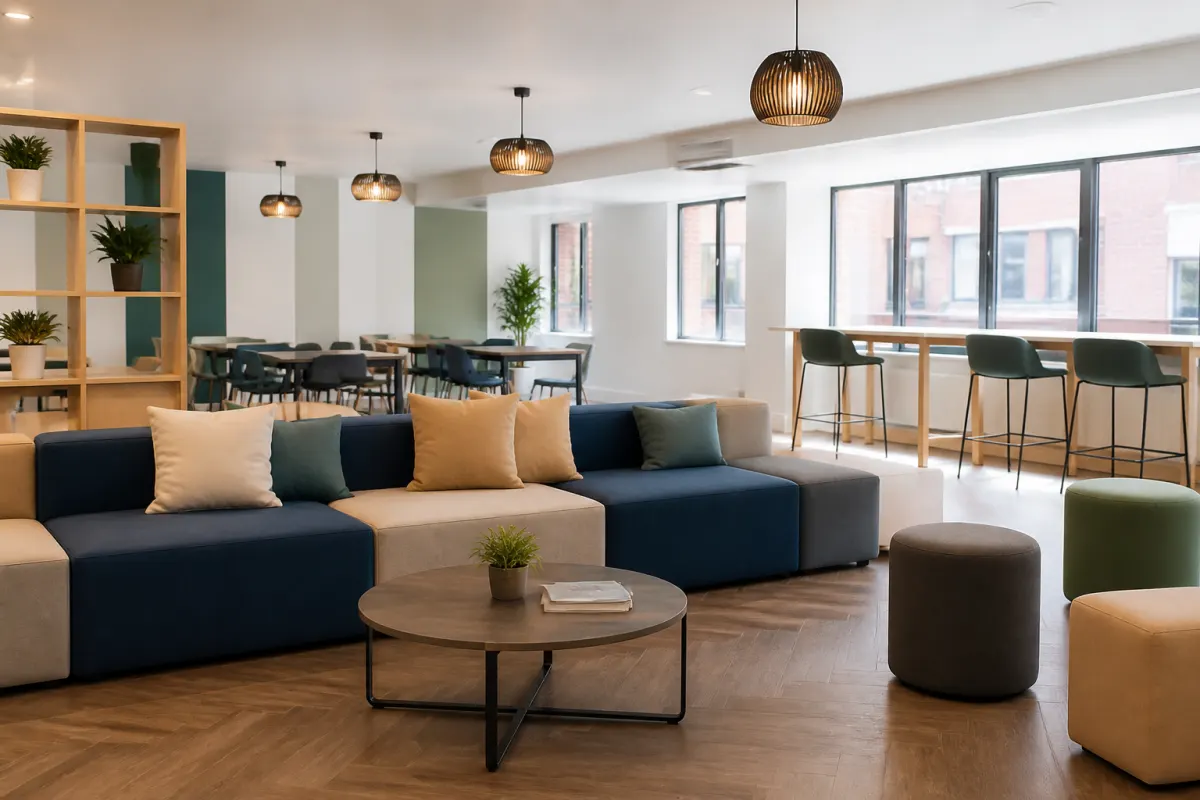
For seating, compare the exact frame and foam specifications with a physical sample. A 35 to 40 IFD/ILD firmness window is a comparison scenario, not proof of density or resistance to flattening; PFA explains density and firmness separately. Likewise, 50,000-plus and 10,000 to 15,000 abrasion results are lab-test inputs, not a countdown to winter-break failure. ACT describes the limits of abrasion results. Include cleaning compatibility and repairability in the selection.
Review the exact desktop, dresser top, edge, and bonding system for the expected moisture, equipment, cleaning, handling, and repair tasks. Obtain documented limits and trial approved samples. Laminate, veneer, PVC, or vinyl names alone do not establish a scratch, heat, or peeling-life ranking.
Design for turnover and reconfiguration
Compare approved movable, modular, and fixed options against actual turnover tasks, stability, routes, and room use. Reconfiguration is valuable only where the exact system and staffing support it; no category label guarantees damage-free moves.
Select bed configurations approved by the maker for the exact system and follow its conversion instructions, including any required tools and safety components. Confirm how desk chairs or lounge modules stack, nest, or move before relying on those features for summer storage. Freestanding casegoods can help room changes, but verify stability and any installation requirements for the proposed layout.
Confirm the selected lounge system's approved connections, configurations, replacement modules, and future availability. Compare actual reset labor and repair costs before assuming modular seating is cheaper or that one damaged unit can always be replaced with a match.
Budgeting per bed and buying in volume
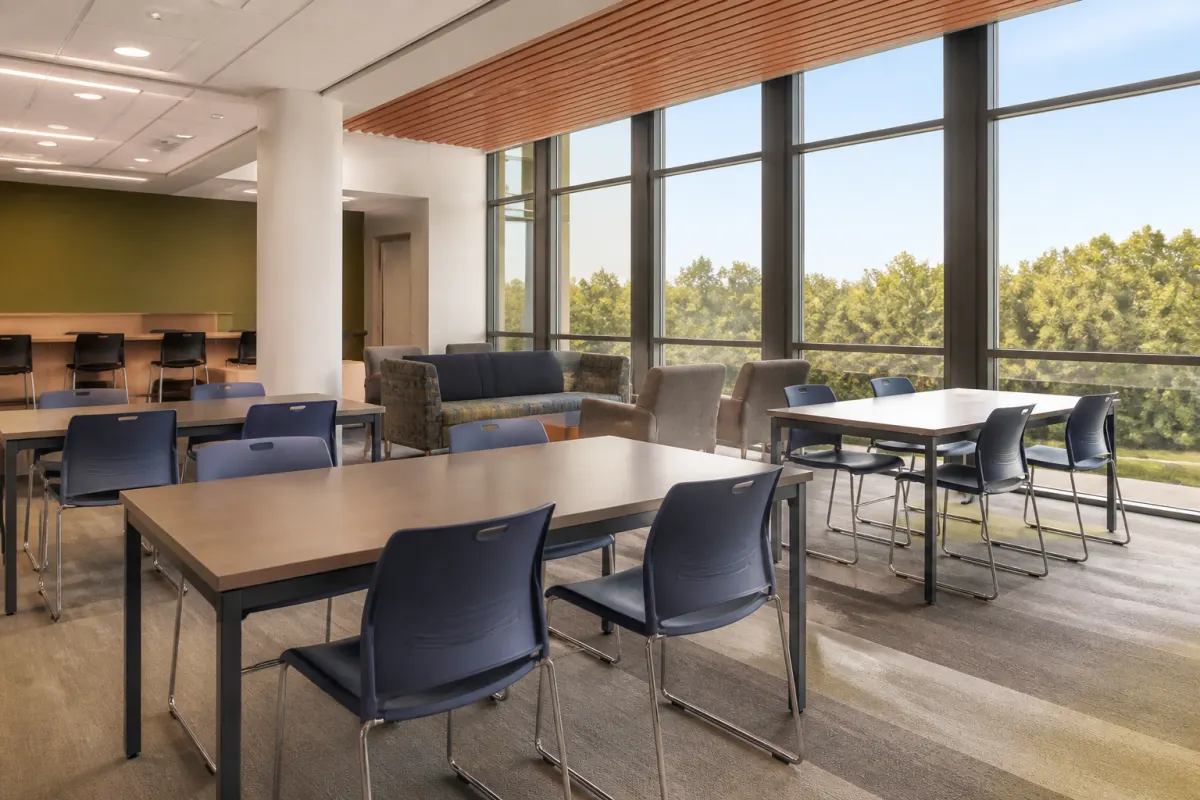
For early modelling, retain separate quantity lines for desk seating, lounge furniture, and casegoods. A $300-to-$900 lounge-chair input and 14-to-26-percent freight/installation allowance are illustrative assumptions, not verified current prices. The dollar notation has no confirmed currency; confirm tax and included delivery, assembly, and installation scope in itemized quotes for each building. Use the furniture cost calculator to compare selected scenarios.
Plan backward from actual move-in and handover dates. A 10-to-14-week custom-order window is a scenario to confirm. Request a quote with bed counts, required configurations, per-building layouts, receiving needs, and deadlines for relevant independent suppliers to review. Browse illustrative desk-chair, desk, and lounge-chair concepts for design direction. Suppliers must confirm actual product safety components, limits, prices, and dates; concept listings do not validate bed conversions or student-housing use.