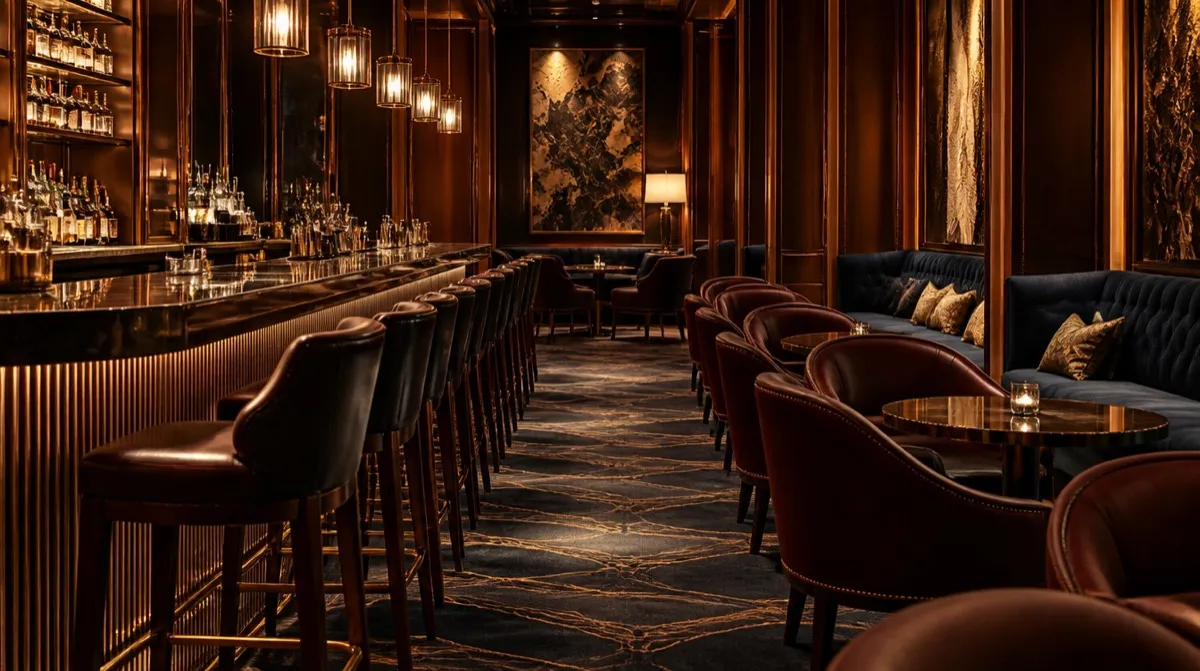
Specify gaming, dining and lounge furniture for the actual casino's opening hours, peak use, maintenance windows and cleaning. Continuous availability does not mean every seat is occupied around the clock, and an eight-hour venue label does not establish failure on a casino floor. Compare documented models and observed operating needs before assigning a replacement or revenue outcome.
Why casino furniture is a category of its own
Map the actual gaming-floor dwell, movement, food/drink, cleaning and any smoke exposure by zone. Those conditions can require different frame, mechanism and upholstery documents, but no evidence here establishes a universal top-of-contract-grade scale or failure rate for every consumer/light-commercial candidate. Obtain the selected assembly's permitted use and test conditions.
Slot and gaming chairs: evaluating comfort
Review the gaming chair's fit, seat/back support, swivel and footrest with the intended users and operating hours. Comfort is a selection goal, but this guide provides no measured causal relationship between a chair and time on device or revenue. Use observed operating data when assessing any financial effect.
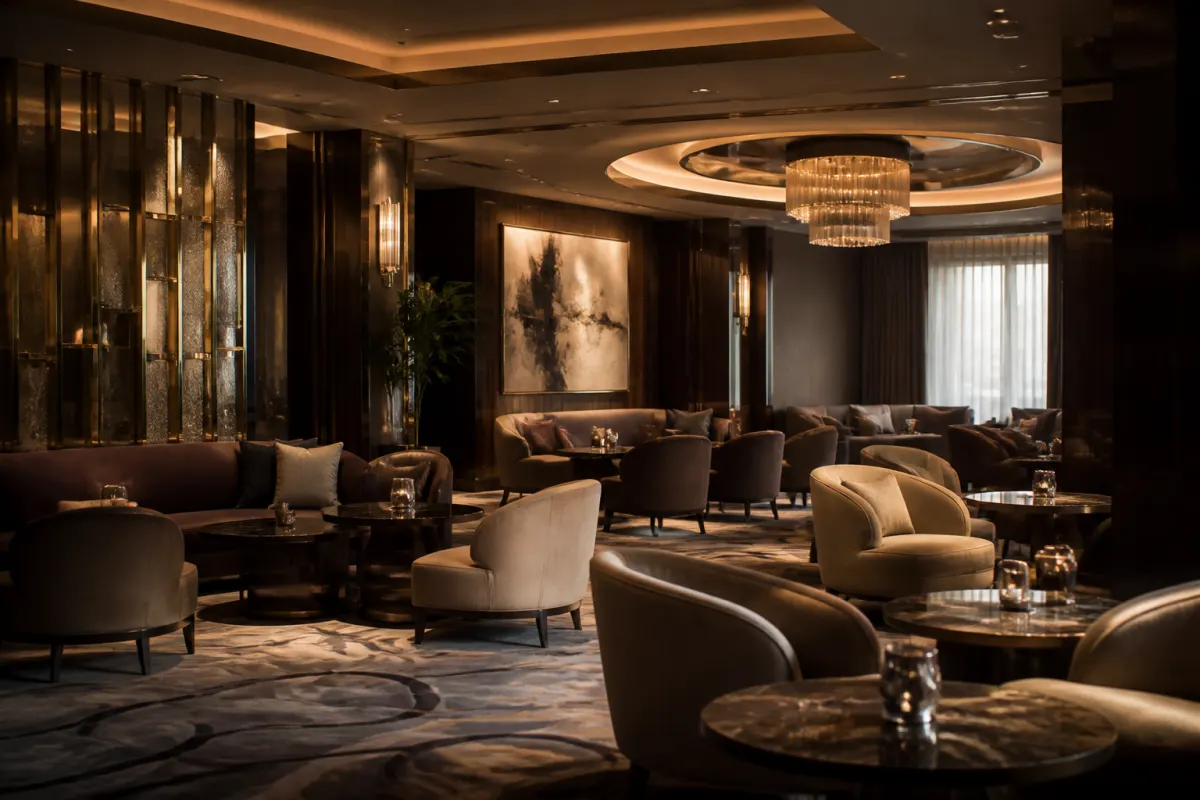
Obtain the exact swivel, glide, frame and floor-contact specifications for the expected operating hours and loads. The 35–40 ILD example describes a chosen firmness range, not foam density or guaranteed shape retention; PFA's foam guidance distinguishes those properties. Likewise, 50,000 and 10,000 to 15,000 Wyzenbeek figures are abrasion-test examples, not universal commercial/residential cutoffs or predicted service lives. ACT's abrasion guidance explains the limit. Confirm cleaning compatibility and the complete model's permitted use.
Bar, lounge, and high-limit seating
For an initial budget scenario, the chosen inputs here are $110 to $320 per barstool, $300 to $900 per lounge chair, $800 to $2,500 per sofa and $160 to $380 per linear foot of booth/banquette. These are not current supplier prices or proof of continuous-duty performance. Replace them with dated quotes for the selected gaming, dining, lounge and VIP specifications.
Upholstery and cleanability come first
Review upholstery alongside frame, mechanism, cushion and hardware rather than assuming fabric always fails first. Obtain the exact textile/coated material's abrasion method, beverage/cleaner compatibility and approved treatments. Compare colour and pattern samples under the actual lighting and care routine; darker or solution-dyed labels alone do not establish a longer life or sanitizer compatibility. The commercial upholstery fabric guide covers related checks.
Budgeting, volume, and lead times
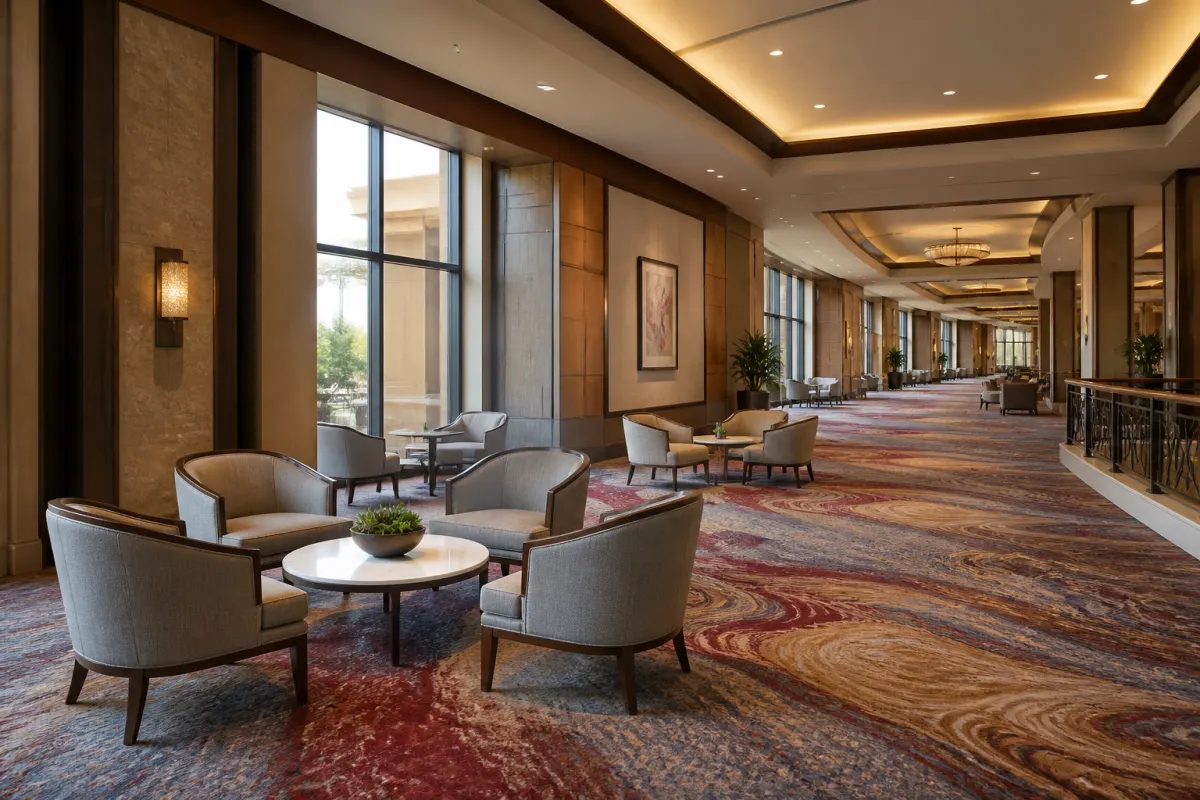
Separate gaming, dining and lounge areas into exact schedules. Use the 14 to 26 percent freight/installation and 10 to 14 week custom inputs only as scenarios, then obtain supplier costs and dates. Use confirmed inputs in the furniture cost calculator. The barstool concepts and lounge-chair concepts are visual references; submit a furniture request with operating hours, quantities and finish/care needs for independent suppliers to confirm actual models and quote.