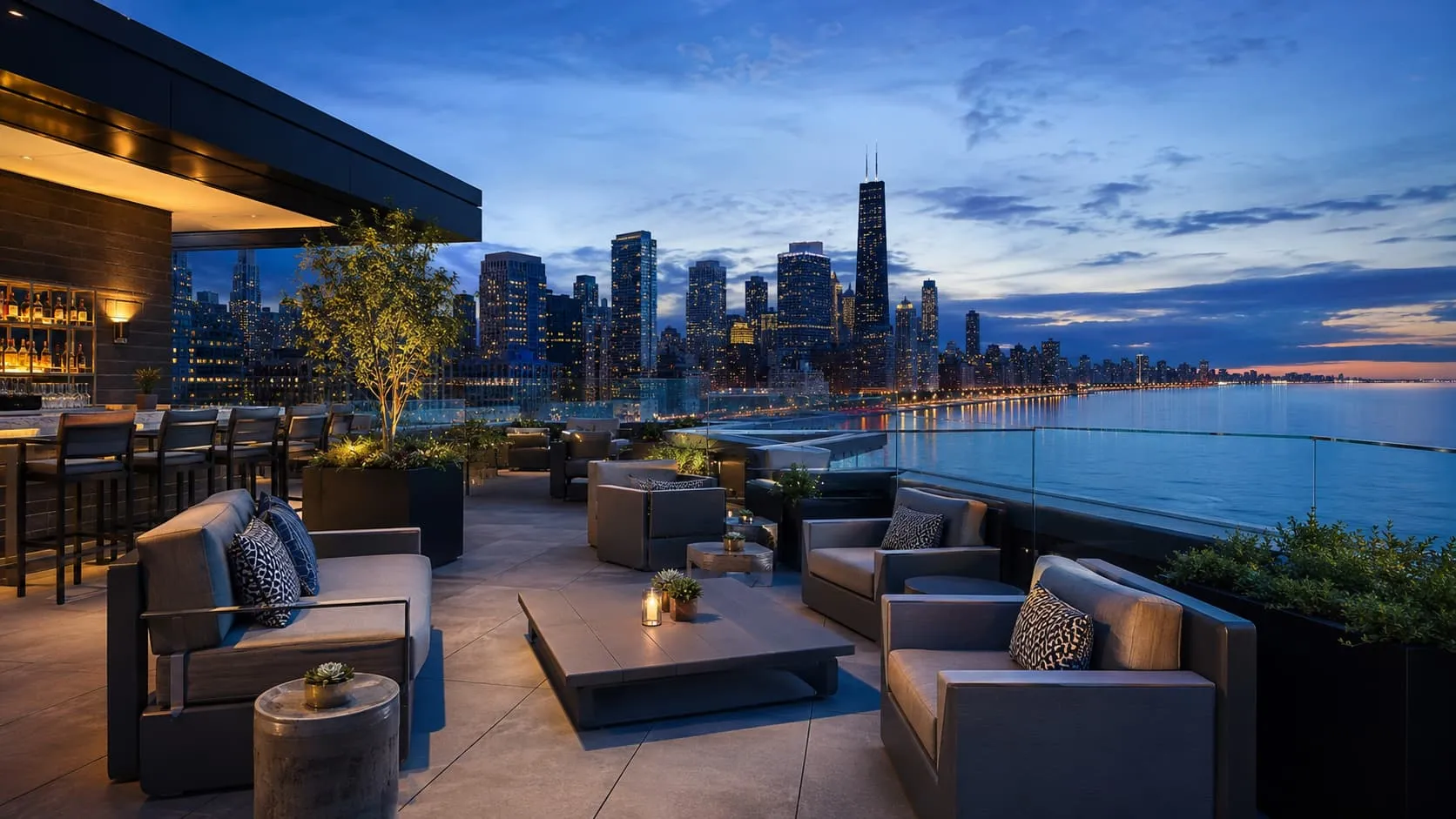
You picked up your furniture order three weeks before opening, the chairs looked solid in the showroom, and by month eight you had six wobbling frames, two cracked bases, and a Yelp comment about "uncomfortable seating." That is what happens when restaurant furniture is specified to residential tolerances in a city that runs 400 covers on a Friday night. Chicago's dining scene from the weekend brunch crowds in Wicker Park to the McCormick Place convention overflow filling River North hotels demands furniture built to contract-grade commercial standards. The math is simple: replacing a dining room every 18 months in a market where construction costs run high is not a furniture problem, it is a cash flow problem. Buying right the first time is the only strategy that makes sense.
What Contract-Grade Actually Means for Chicago Restaurants
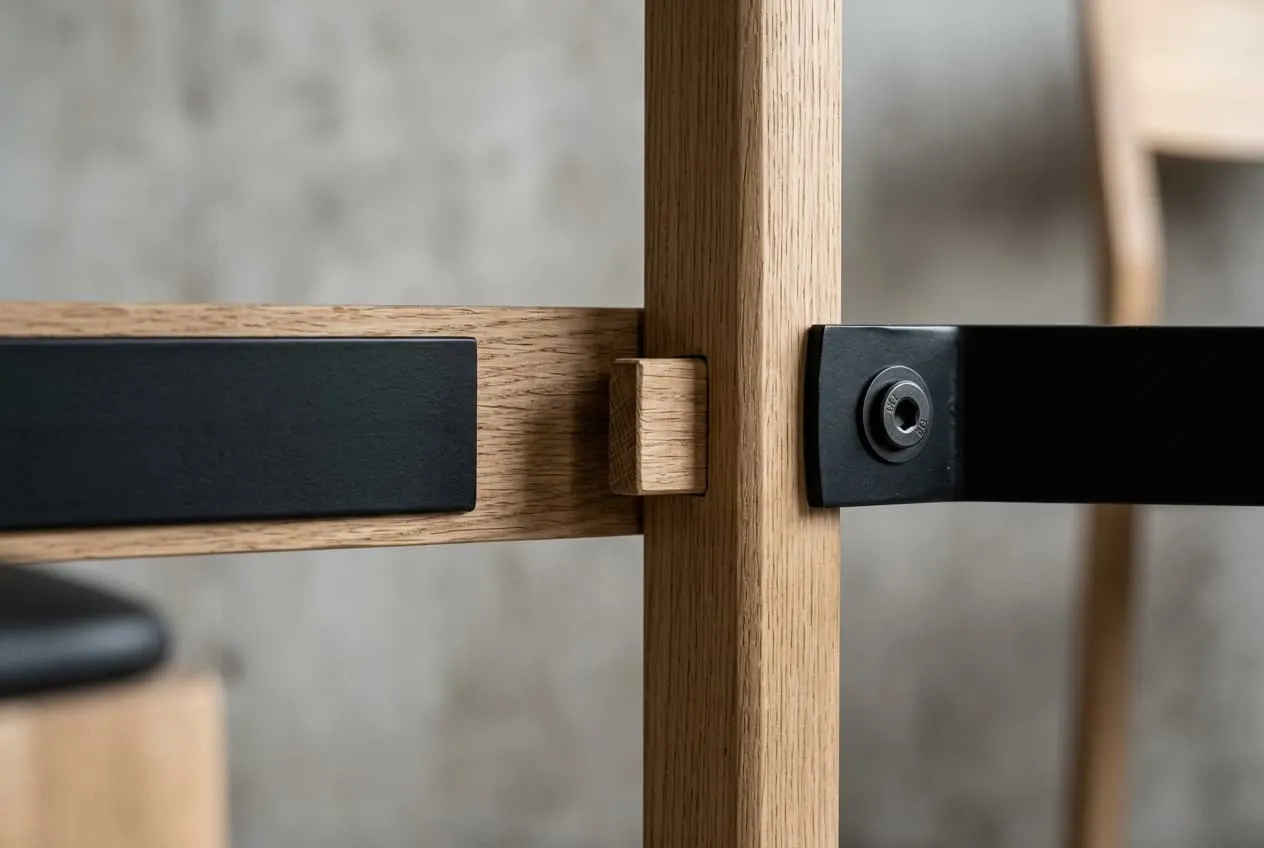
The term "contract-grade" gets used loosely, but in a commercial context it carries a specific meaning. It refers to furniture engineered for repeated daily use in public spaces, tested to standards like BIFMA or EN 16139, and built with commercial joinery rather than consumer-grade assembly. For restaurant furniture Chicago operators are evaluating, that means steel or solid hardwood frames, mortise-and-tenon or dowel joinery at stress points, and foam densities above 1.8 lb per cubic foot for upholstered seats.
Chicago's dining culture rewards longevity in ways that amplify this requirement. Neighbourhood institutions in Logan Square, Pilsen, and Bridgeport build loyal regulars over years, not months. Your furniture is part of that identity patrons notice when a booth cushion has gone flat or a chair base is rocking. Replacing a dining room because you bought commercial-looking residential pieces is a cost that compounds fast in a high-rent market. Contract-grade furniture carries manufacturer warranties of 5 to 10 years on frames, and in a city where South Loop fit-outs and Fulton Market build-outs run expensive, that warranty is real insurance against a budget-breaking early replacement cycle.
The other reality specific to Chicago: labour costs for furniture swaps are not trivial. Every hour your floor is partially closed for repairs or replacements is revenue out the door. Spec the furniture correctly upfront and that problem disappears.
Upholstery Choices for High-Volume Chicago Service
Upholstery is where many Chicago operators make their costliest mistakes. River North restaurants and hotel bars along Michigan Avenue deal with wine spills, deep dish grease, and daily cover counts that can run into the hundreds. A dining room in the West Loop that books out three weeks ahead for weekend dinners cannot afford an upholstery replacement project after 14 months of service.
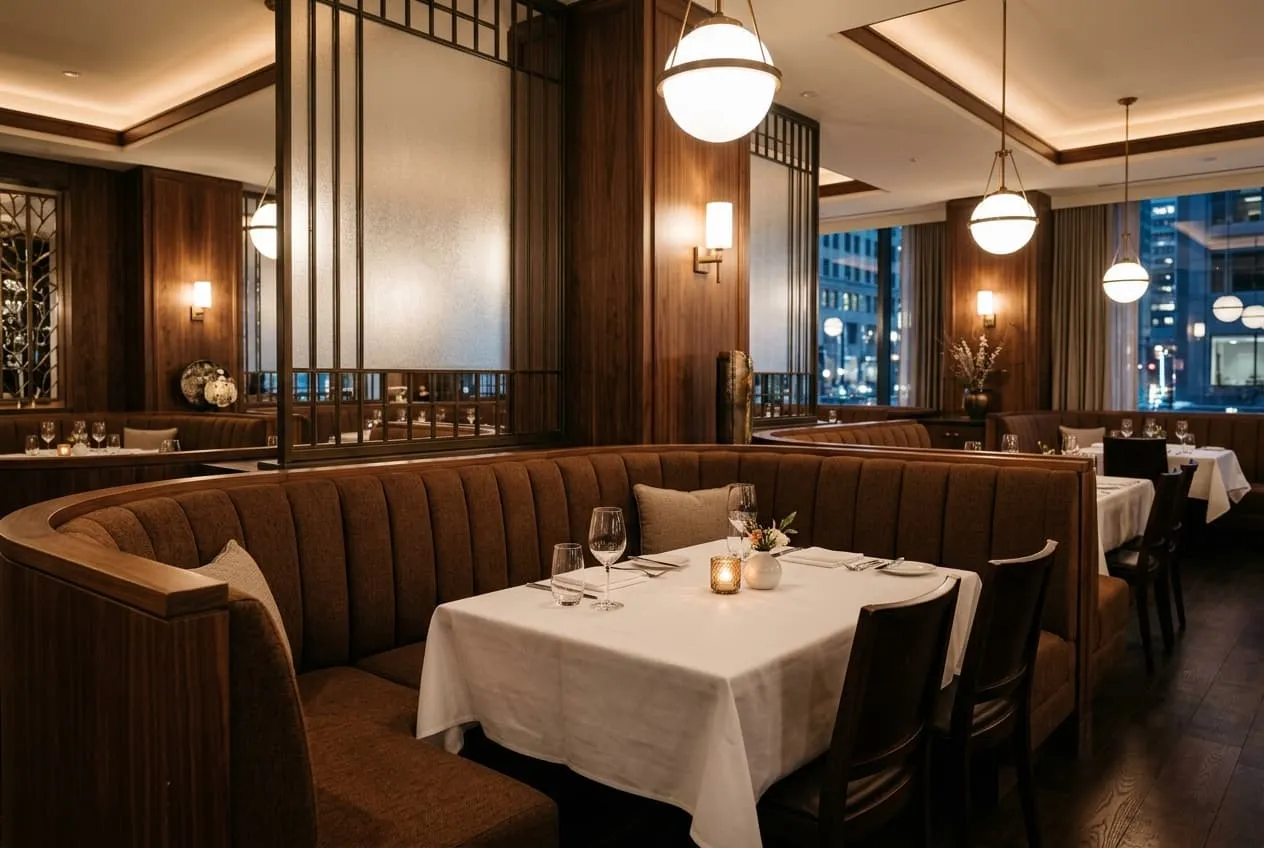
For most Chicago restaurant environments, the shortlist comes down to three options. First, commercial-grade vinyl or faux leather with a Wyzenbeek rub count above 100,000. It cleans fast, tolerates heavy sanitizing, and holds up in high-spill environments like bar adjacencies, family-style tables, and the outdoor-adjacent dining that River North patios feed into in summer. Second, solution-dyed acrylic or polyester blends rated for commercial use these give you more texture and colour range while still resisting staining and UV fading, which matters in dining rooms with strong south-facing light along the Magnificent Mile. Third, true leather with a protected finish, appropriate for fine dining rooms in the Gold Coast or hotel restaurants where the aesthetic investment justifies the maintenance overhead and a higher per-seat cost is built into the cover average.
The upholstery category to cut from your shortlist immediately: anything described as "easy clean" or "stain resistant" without a third-party rub count or a commercial use rating attached. Those are marketing terms, not specifications. Ask your supplier for the actual test data before you sign anything.
Outdoor Furniture for Chicago's Four-Season Reality
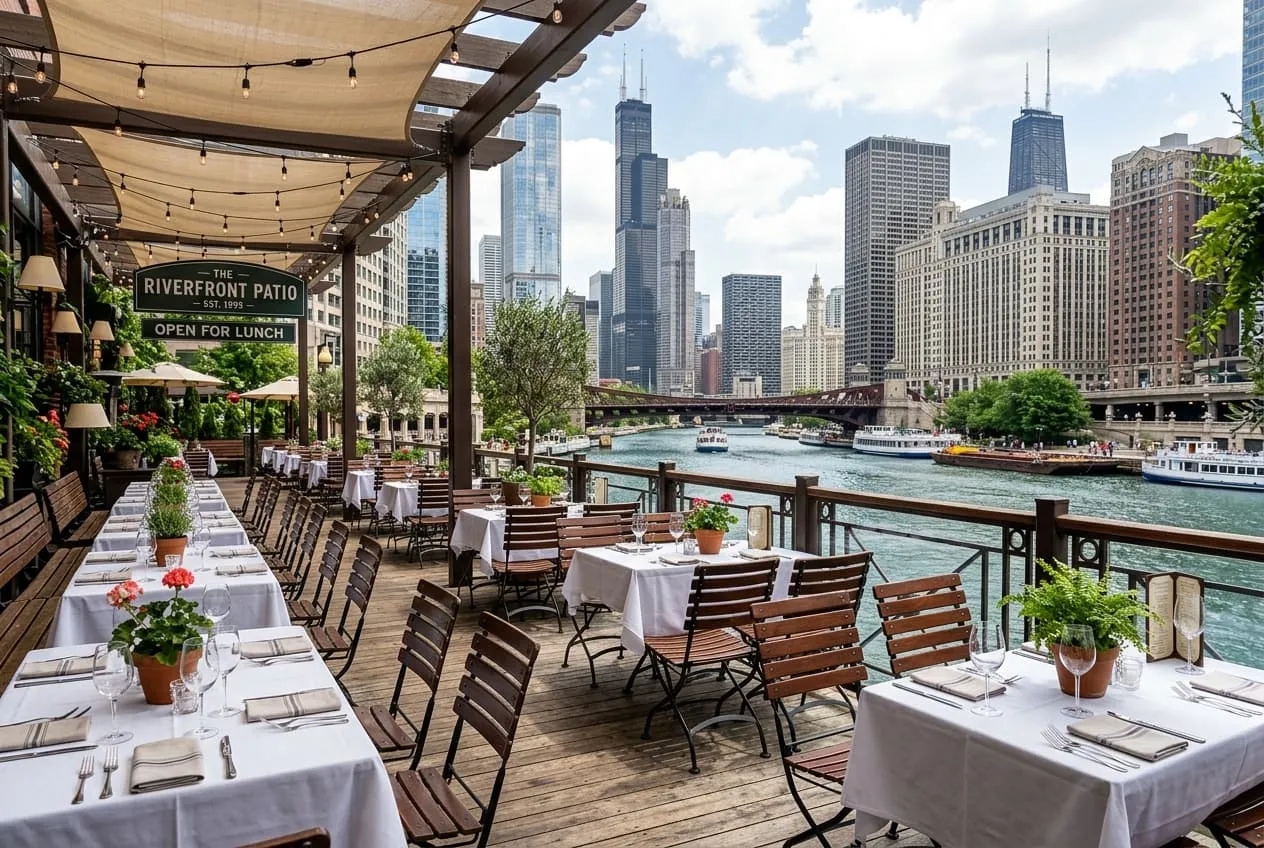
Chicago outdoor dining is its own discipline, and it is one that destroys residential outdoor furniture inside a single season. The lakefront wind off Lake Michigan, sub-zero lows from November through March, and the humidity swings between July and October create conditions that residential patio sets are not engineered to survive. If your restaurant has a patio on Randolph Street in the West Loop, a rooftop deck in the South Loop, a sidewalk terrace along Fulton Market, or any outdoor dining footprint in Wicker Park, you need furniture built for genuine weather exposure not furniture designed for Southern California climates and photographed looking good in a catalogue.
The strongest performing materials for Chicago patio and outdoor applications are powder-coated aluminum, marine-grade stainless steel, and high-density polyethylene (HDPE) lumber. Powder-coated aluminum dominates for good reason: it is lightweight for seasonal storage, fully corrosion-resistant, and available in a finish range wide enough to match almost any design direction. HDPE lumber delivers the look of teak or hardwood without the maintenance burden, and it handles Chicago's freeze-thaw cycles without cracking, splintering, or warping. Marine-grade stainless is the most durable and the heaviest appropriate for rooftop installations where wind load matters and furniture needs to stay put, but plan for the weight in your storage logistics.
Stacking capability is not optional in Chicago. Most operators pull patio furniture indoors between November and April, and stackable chairs combined with nesting or folding tables make that seasonal transition practical rather than chaotic. Before purchasing any outdoor collection, get the stack height per chair and weight per piece from your supplier, then map that against your actual storage footprint. Running out of indoor storage space mid-October and scrambling to rent a unit is an avoidable problem.
Working with Suppliers and Getting Lead Times Right
Chicago has one of the strongest contract furniture dealer networks in the country, anchored in part by the Merchandise Mart one of the most important commercial interiors hubs in North America. That proximity is an operational advantage if you use it deliberately. Getting into a showroom before committing to a specification, sitting in the actual chairs, testing table base stability, and reviewing fabric swatches under real lighting saves you from expensive surprises on delivery day. No amount of photography or spec sheets substitutes for hands-on evaluation when you are buying 80 chairs.
Lead times are the variable that bites operators hardest. Custom upholstered pieces from contract manufacturers typically run 8 to 14 weeks from order confirmation. Opening a new restaurant in Wicker Park, refurbishing a hotel dining room ahead of a big McCormick Place convention season, or refreshing a Loop hotel restaurant before the spring travel surge all require you to be ordering well ahead of your target date. Stock programs from major dealers can compress that timeline, but the selection is narrower and the finishes are fixed you get speed at the cost of specification control.
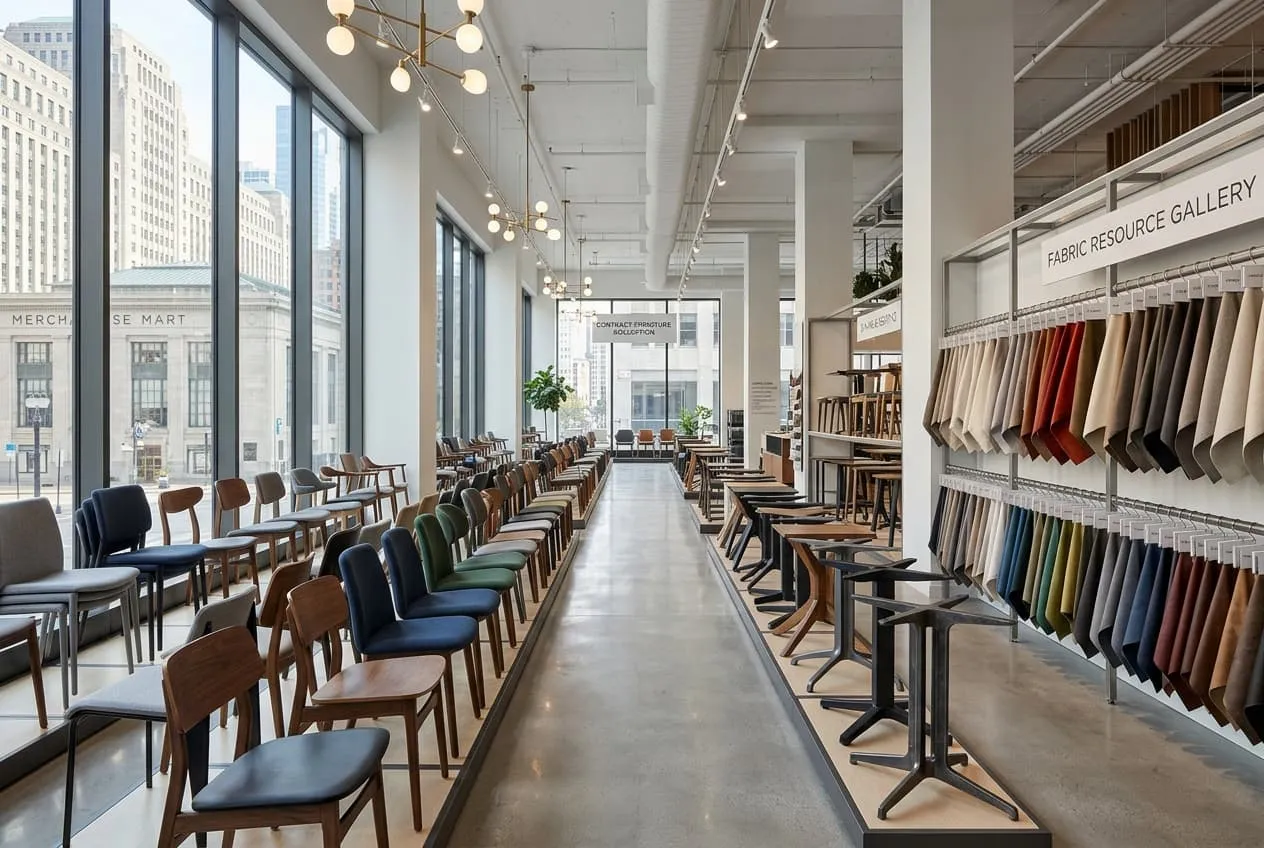
Build the supplier relationship before you are working against a deadline. A rep who understands your aesthetic, your typical volume, and your project rhythm can flag incoming price increases, pull priority on lead times when capacity opens up, and steer you away from SKUs that are running long. For restaurant furniture Chicago sourcing at any scale from a 30-seat neighbourhood spot in Pilsen to a 200-seat hotel restaurant near Michigan Avenue that ongoing relationship returns value across multiple projects and multiple years.
Choosing the Right Fit for Your Operation
The right restaurant furniture specification for any Chicago operation comes down to three questions: what is the daily cover count, what is the service style, and what is the realistic replacement budget over five years? A 60-seat River North gastropub running 400 covers on a Friday night has completely different durability requirements than a 20-seat tasting menu room in the West Loop. A high-volume brunch spot in Logan Square cycling through families and strollers needs different upholstery and frame specs than a cocktail-forward bar on Randolph Street where guests are sitting for three hours at a time.
Starting from those operational realities rather than from a catalogue or a trending restaurant aesthetic is what separates furniture decisions that hold up from ones that cost you twice. Get the spec right once, and the furniture becomes a non-issue for the next decade. Get it wrong, and you are budgeting for a replacement cycle that a contract-grade purchase would have eliminated entirely.
If you are evaluating suppliers, building a specification document, or pricing out a first commercial fit-out, the resources below give you a foundation for the broader contract furniture conversation.
Every Chicago venue has its own volume, layout, and turnaround demands, and restaurant furniture pricing follows from those specifics. Request a quote and we will scope it to your project.
Related reading
- Hotel lobby chairs in Chicago
- Restaurant lounge seating: specs for bar-adjacent and waiting areas
- Hotel fixtures and furniture sourcing in Chicago
- What is contract furniture
- Commercial furniture vs retail
- Hospitality furniture supplier guide
- Restaurant dining chairs
- Restaurant barstools
- Restaurant tables
- Commercial furniture in Illinois