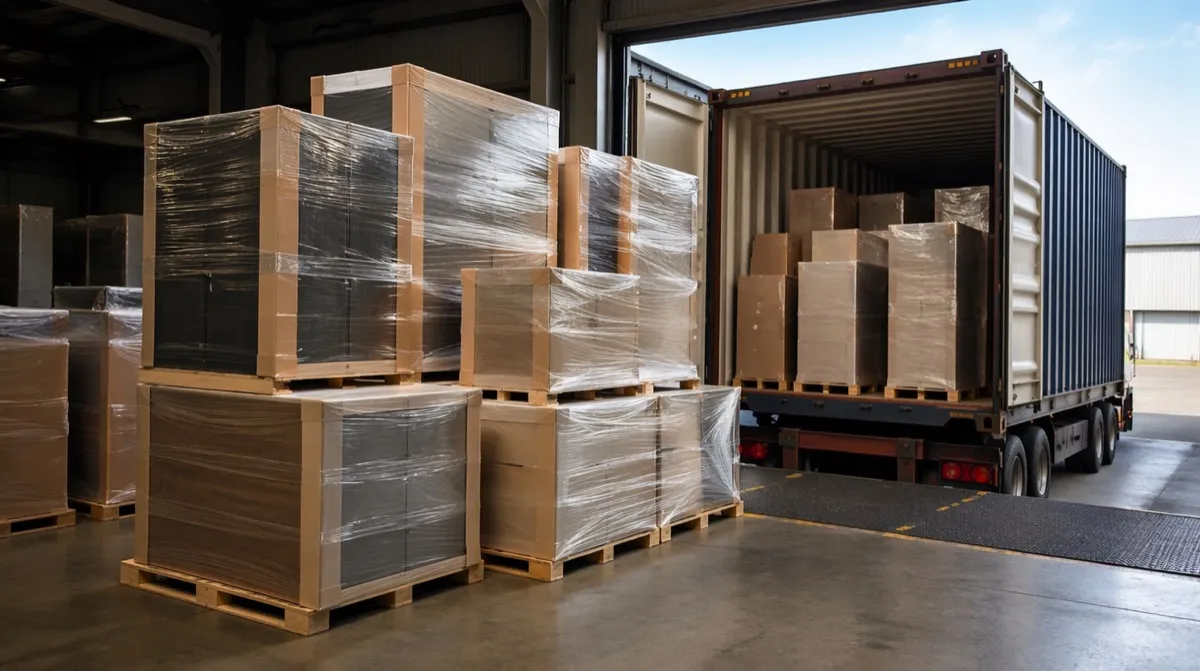
Commercial furniture shipping is the stage most buyers underestimate, and it is where projects quietly go over budget and behind schedule. Getting seating and tables produced is only half the job. Moving heavy, high-volume freight from a factory to a finished space, then unpacking and placing it, is a logistics project of its own. Understanding how freight, delivery, and installation work lets you budget accurately and open on time. This guide covers what commercial furniture shipping involves and how to plan it well.
Why shipping is a bigger cost than buyers expect
Commercial furniture is bulky and heavy, and it often ships in large quantities. Unlike a single retail couch delivered to a home, a hospitality or office order can fill part of a truck or a full container. That weight and volume drive freight costs that many first-time buyers leave out of their budget.
Plan for freight and installation to add roughly 14 to 26 percent over the furniture cost. On a large order, that is a substantial line item, and treating it as an afterthought is how projects blow their budget at the finish line. Building it into your delivered cost from the start keeps the final invoice from becoming a surprise. Our furniture cost calculator helps you fold freight into the total so you are budgeting the real delivered price rather than just the furniture.
The shipping methods you will encounter
Not every order ships the same way, and the method affects both cost and speed:

- LTL (less than truckload). Your freight shares a trailer with other shipments. Economical for smaller orders but with more handling and variable timing.
- FTL (full truckload). A dedicated truck for large orders. Faster and gentler on the goods because there is less handling in transit.
- Container freight. Standard for factory-direct goods manufactured overseas, which is common in this category. The ocean leg adds weeks but is efficient at volume.
- White glove delivery. The premium option where the carrier brings furniture inside, unpacks it, places it, and removes debris.
Match the method to your order size and site. A single booth units run for a cafe has very different needs than a full ballroom of banquet chairs and tables.
Understand delivery levels and what they include
Freight quotes vary because delivery levels vary, and buyers often compare quotes that are not actually the same service. Curbside or dock delivery drops the freight at your loading area, and everything past that point is your responsibility. Threshold delivery brings goods just inside the door. White glove or inside delivery carries pieces to the room, unpacks, assembles, and hauls away packaging.
Cheaper freight usually means less service, so confirm exactly what a quote covers before comparing prices. For a large seating package, the labor to move and unpack dozens of boxes is real, and paying for white glove can be cheaper than pulling your own staff off other opening tasks. Always ask what is included so you can compare quotes on equal footing.
Prepare your site so delivery goes smoothly
A smooth delivery depends as much on your site as on the carrier. Confirm the practical details before the truck arrives: dock or entry access, elevator dimensions for upper floors, doorway and hallway clearances, and where product will stage on arrival.
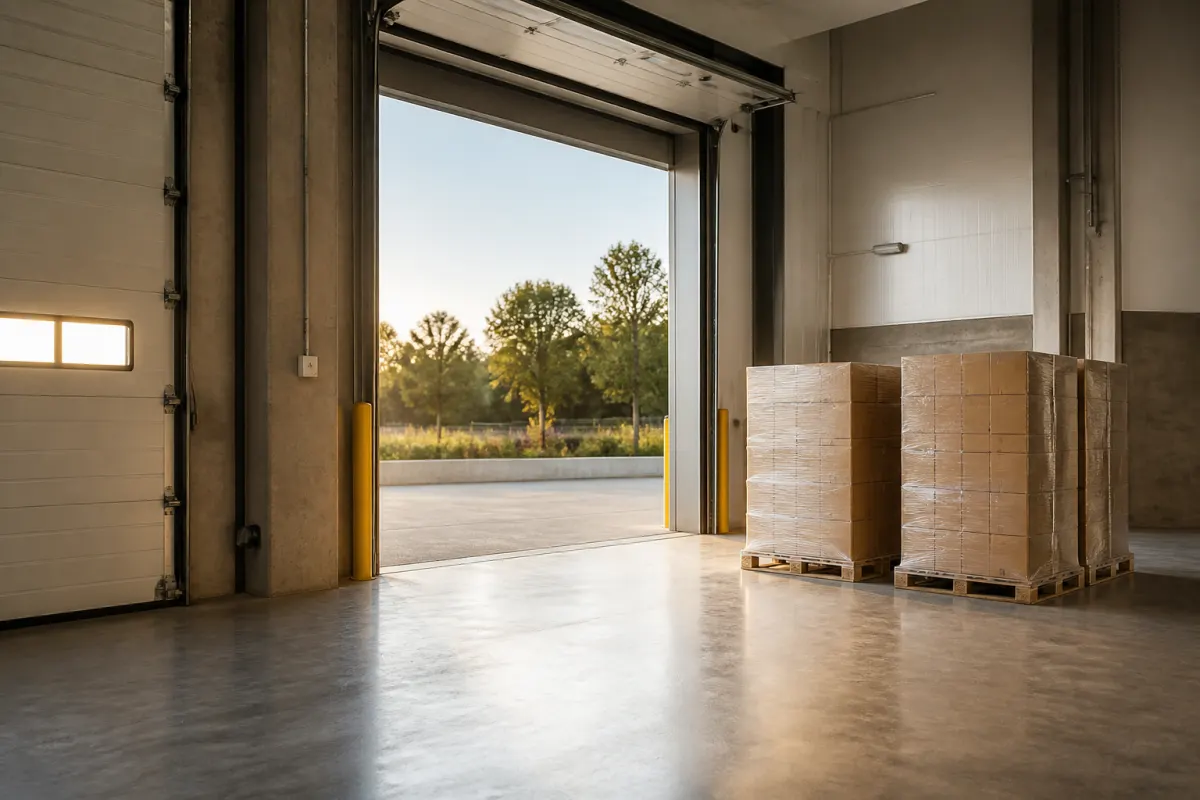
Make sure someone with authority is on site to inspect and sign. Inspect every shipment against the packing list and note any visible damage on the delivery receipt before you sign. Signing a clean receipt can waive your ability to file a freight claim later, so a few minutes of inspection protects a large order. Photograph any damaged cartons immediately. Good site prep prevents the failed delivery and redelivery fees that wreck a tight opening timeline.
Coordinate shipping with your project timeline
Shipping only works when it is timed to the rest of your build. Custom finishes and upholstery carry a 10 to 14 week lead time, while stocked items ship fast, so your delivery window depends heavily on what you order. Ask your supplier what is stock-supported if your opening date is tight.
Aim to receive furniture after major construction and cleaning are done but with buffer before your opening. Furniture arriving into an unfinished site risks damage or storage fees, while furniture arriving late delays revenue. When you are ready to plan delivery around your opening, request a quote and our team will map lead times, freight method, and installation to your project calendar so shipping supports the schedule instead of threatening it.