A party rental inventory list only works if it matches how your business actually books events. Buying too much too early ties up cash in furniture that sits in a warehouse. Buying too little means turning down bookings or renting from a competitor to cover your own gap. The right approach is to build inventory in tiers, starting with a lean starter mix and adding categories as booking volume proves it out.
Below is a practical breakdown of illustrative quantities and chosen unit-price inputs for three inventory scenarios. These ranges are not current supplier prices or a documented historical price series. Obtain itemized quotes and use actual concurrent bookings before treating a tier as a purchase budget.
Why this is a different kind of buy than a venue purchase
A hotel or banquet hall buys furniture for one room and one layout. A rental company buys furniture that has to work across dozens of different event types: weddings, corporate dinners, backyard parties, galas. That means your inventory list needs range as much as depth. You want enough of a few reliable, popular styles to cover most bookings, rather than a small quantity of many niche styles that only fit specific events.
Rental furniture is repeatedly loaded, transported, set up and packed away. Select exact models whose manufacturer permits commercial rental use and documents the load, stacking, cart and handling limits. A retail or commercial label, frame material or weld alone cannot establish how long a piece will last in your fleet.
Starter tier: enough for your first regular bookings
A starter inventory is built to cover small to mid-size events, roughly 50 to 100 guests, without overcommitting capital before you have consistent booking volume.
| Item | Quantity | Est. cost per unit | Est. tier total |
|---|---|---|---|
| Steel-frame stacking banquet chairs | 100 | $45 to $90 | $4,500 to $9,000 |
| Round 60" folding tables | 12 | $60 to $130 | $720 to $1,560 |
| Rectangular 6-8 ft folding tables | 8 | $50 to $120 | $400 to $960 |
| Cocktail/highboy tables | 6 | $70 to $150 | $420 to $900 |
The starter table totals $6,040 to $12,420 using the selected unit-price endpoints, roughly $6,000 to $12,500 before freight, carts, tax or other costs. That sum is scenario arithmetic rather than a supplier quote.
At this stage, resist the temptation to buy a wide mix of chair styles. One reliable stacking chair in a neutral finish, paired with linens for variety, covers most early bookings and keeps your inventory simple to manage and store.
Growth tier: adding capacity and event variety
Once you are consistently booking events and turning down work for lack of inventory, it is time to add both quantity and category range. This tier typically supports events up to 250 to 300 guests and starts adding upgraded seating options that command higher rental rates.
| Item | Quantity | Est. cost per unit | Est. tier total |
|---|---|---|---|
| Steel-frame stacking banquet chairs (additional) | 150 | $45 to $90 | $6,750 to $13,500 |
| Resin Chiavari chairs | 100 | $40 to $80 | $4,000 to $8,000 |
| Round 60" folding tables (additional) | 15 | $60 to $130 | $900 to $1,950 |
| Rectangular 6-8 ft folding tables (additional) | 12 | $50 to $120 | $600 to $1,440 |
| Commercial barstools | 20 | $110 to $320 | $2,200 to $6,400 |
Growth tier additional spend: roughly $14,450 to $31,290.
This is also the point where you should look at what to stock in a rental inventory list that fits your bookings best.
Full-service tier: covering weddings and large corporate events
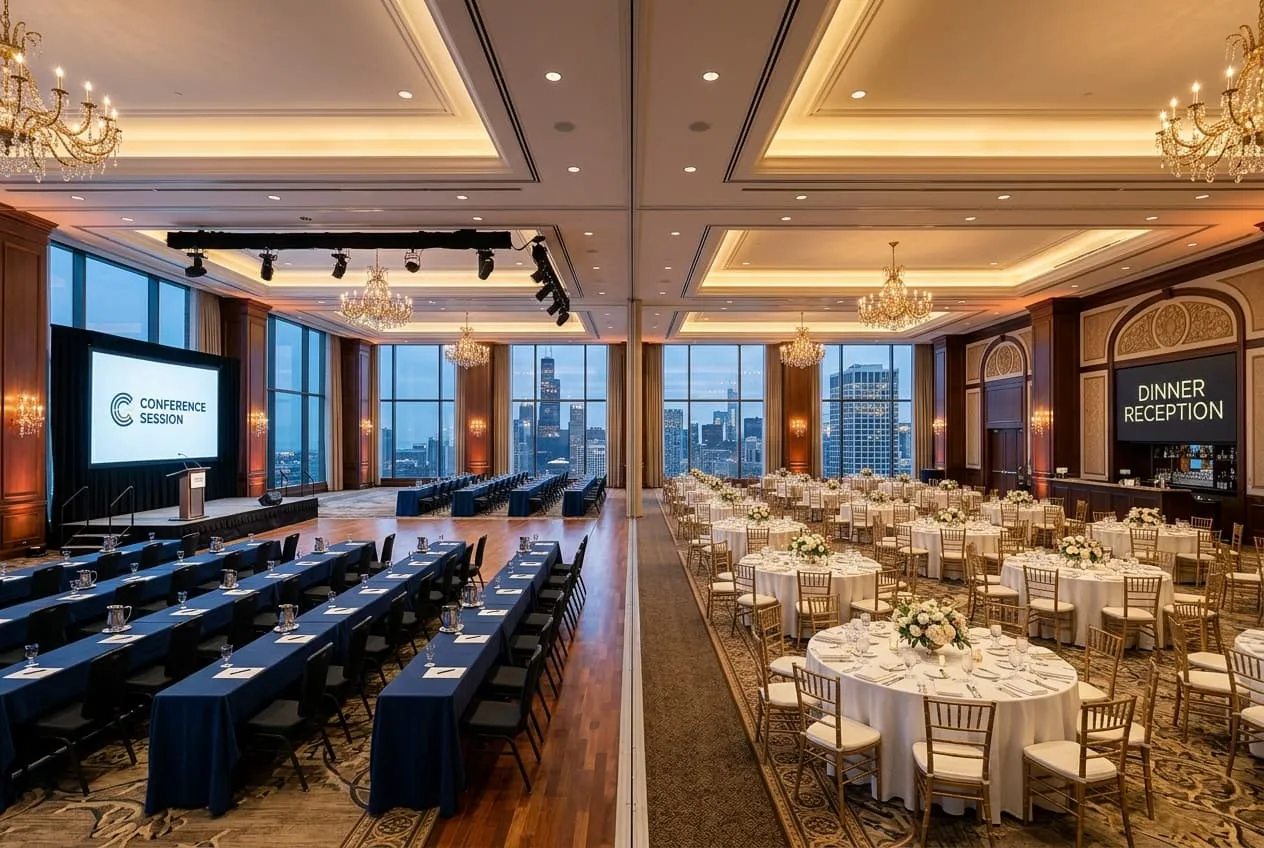
A full-service rental inventory is built to say yes to most requests that come in, including large weddings and full-capacity galas up to 500 or more guests. At this tier, most companies carry a wood or aluminum Chiavari option alongside resin for clients who want the upgraded look, plus enough table variety to configure any floor plan on short notice.
| Item | Quantity | Est. cost per unit | Est. tier total |
|---|---|---|---|
| Steel-frame stacking banquet chairs (total fleet) | 400 | $45 to $90 | $18,000 to $36,000 |
| Resin Chiavari chairs (total fleet) | 200 | $40 to $80 | $8,000 to $16,000 |
| Wood or aluminum Chiavari chairs | 75 | $90 to $180 | $6,750 to $13,500 |
| Round 60" folding tables (total fleet) | 50 | $60 to $130 | $3,000 to $6,500 |
| Rectangular 6-8 ft folding tables (total fleet) | 40 | $50 to $120 | $2,000 to $4,800 |
| Cocktail/highboy tables (total fleet) | 25 | $70 to $150 | $1,750 to $3,750 |
| Commercial barstools (total fleet) | 40 | $110 to $320 | $4,400 to $12,800 |
Full-service fleet total: roughly $43,900 to $93,350 built out over time, not necessarily in one order.
Freight, lead times, and what to check before you order
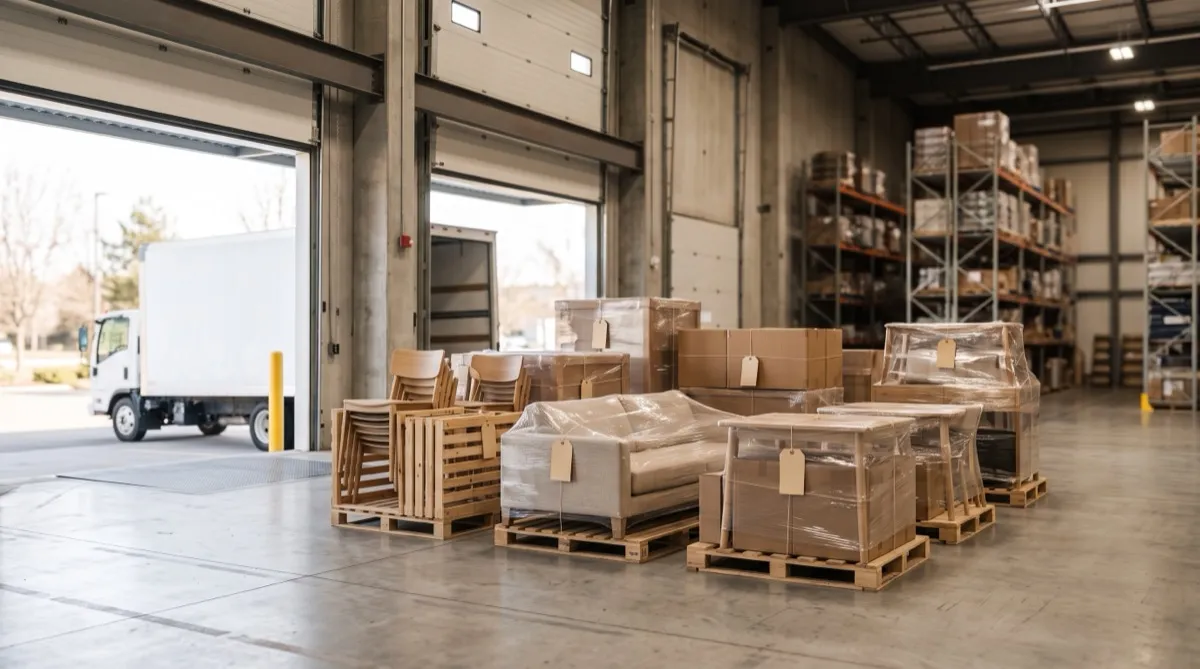
Bulk furniture orders for a rental fleet typically ship LTL or full truckload, and cost depends heavily on your delivery zip, whether the destination has a loading dock, and whether it qualifies as a commercial or limited-access address. Have those delivery details ready before requesting pricing, since they change freight cost significantly.
Confirm current stock, production and delivery timing in writing for each proposed order. Allow time for inspection and preparation before making the inventory available for bookings.
Before placing a volume order, check manufacturer-approved stack height and compatible carts, the stated load and use conditions, frame construction, upholstery test method and result, warranty and replaceable glides. Test a sample chair or table through your actual loading and storage route before committing. Add the supplier's confirmed sample and approval time to the schedule rather than assuming the exercise takes one week.
Building your list
Start with the tier that matches actual concurrent bookings. Prepare the item list, quantities, finishes, delivery access and target dates, then submit a furniture request for independent suppliers to review. Use your own chosen inputs in the furniture cost calculator while waiting for itemized supplier quotes.
Starting a rental fleet: check availability and cost per turn
Build the opening inventory around bookings you can realistically serve. Two overlapping events need separate available stock, even if the combined guest count seems small. Allow time for collection, cleaning, inspection and repair before promising the same units again.
For each proposed fleet addition, compare the rental revenue with loading labor, delivery, cleaning, storage, damage and replacement costs. Purchase price divided by rental rate is a gross payback count; it does not show profit. Use your own assumptions in the chair rental profit calculator and check them against actual completed jobs.
Confirm the loaded cart dimensions, vehicle access and storage positions before buying. Start with a manageable set of compatible pieces and expand when availability records show repeat unmet demand, rather than buying every style at launch.