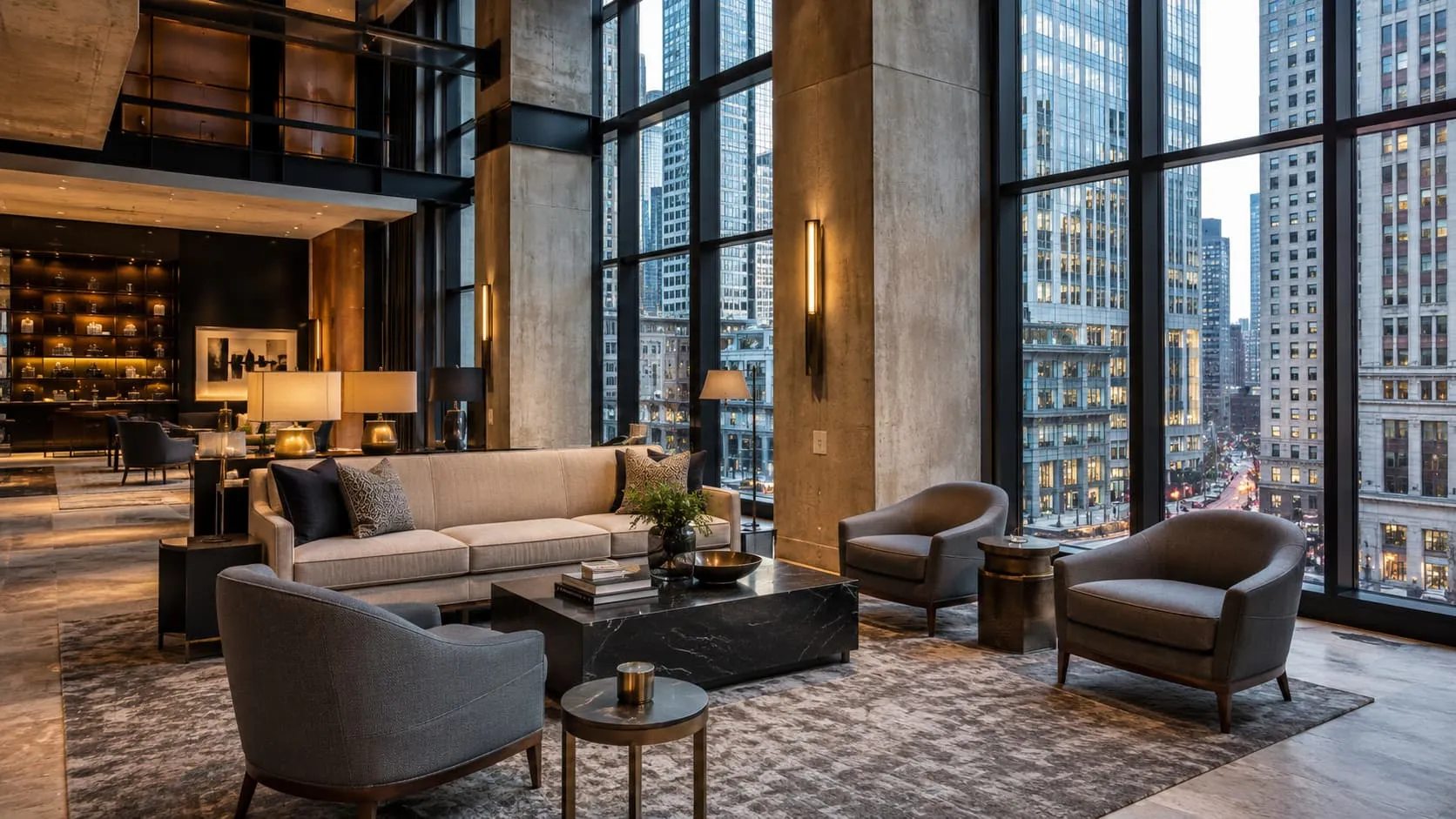
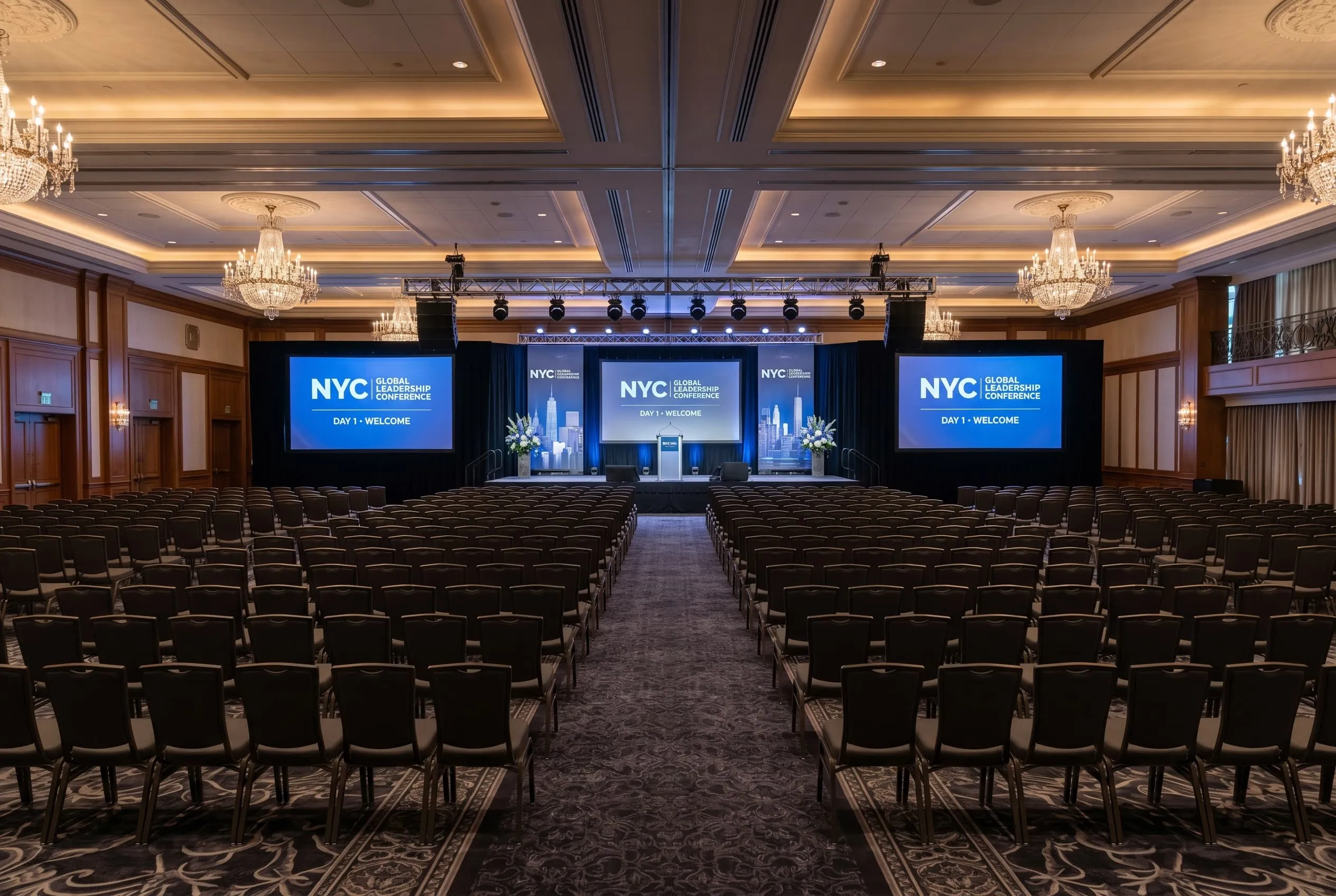
Let me walk you through what actually drives purchasing decisions for banquet event furniture in New York because this market operates at a pace and pressure level that most other cities simply do not match. On any given weekend, a Midtown hotel is flipping its grand ballroom from a Friday night corporate gala to a Saturday wedding reception and back to a Sunday industry conference. That triple-turn is not a special occasion here. It is Tuesday. For FF&E directors and purchasing managers working across Manhattan, Brooklyn, and the outer boroughs, the question of banquet event furniture New York properties depend on goes far beyond aesthetics. It comes down to whether the chairs stack cleanly, whether the tables break down in under a minute, and whether everything survives two or three years of relentless daily use without looking like it belongs at a clearance sale.
What New York Venues Actually Need From Banquet Furniture
Here is what separates New York from every other market: storage is a competitive resource. Back-of-house square footage in properties along the Hudson Yards corridor, in the Financial District, or in Midtown East is aggressively limited often shockingly so given the scale of the events those same rooms host. That constraint shapes every specification decision before you even look at a catalog.
Stackable banquet chairs are where most conversations start, and for good reason. A contract-grade model that stacks 10 to 14 chairs high on a single dolly lets your team clear a 300-person room in under 30 minutes. That speed matters when you have a turnaround window between a luncheon and an evening reception. Seat and back padding deserve equal attention. New York guests particularly at hotel restaurants and private dining rooms in the Upper East Side, Tribeca, or Nomad notice immediately when a chair feels cheap after 90 minutes at the table. That perception bleeds into how they rate the entire event.
Folding banquet tables get evaluated on three things: weight, surface durability, and how fast the legs lock and release under real-world conditions, not showroom conditions. Half-moon, serpentine, and 60-inch round configurations give your operations team the flexibility to pivot from classroom layout to rounds to reception standing in the same four walls.
High-Volume Use Cases Across New York's Hotel Tiers
Times Square chain hotels are running 400-person events six nights a week. Boutique properties in Williamsburg or Dumbo are doing 80-person seated dinners in rooms where every square foot is spoken for. Both scenarios demand banquet event furniture New York operators can reconfigure quickly but the specs are very different, and conflating them is a common sourcing mistake.
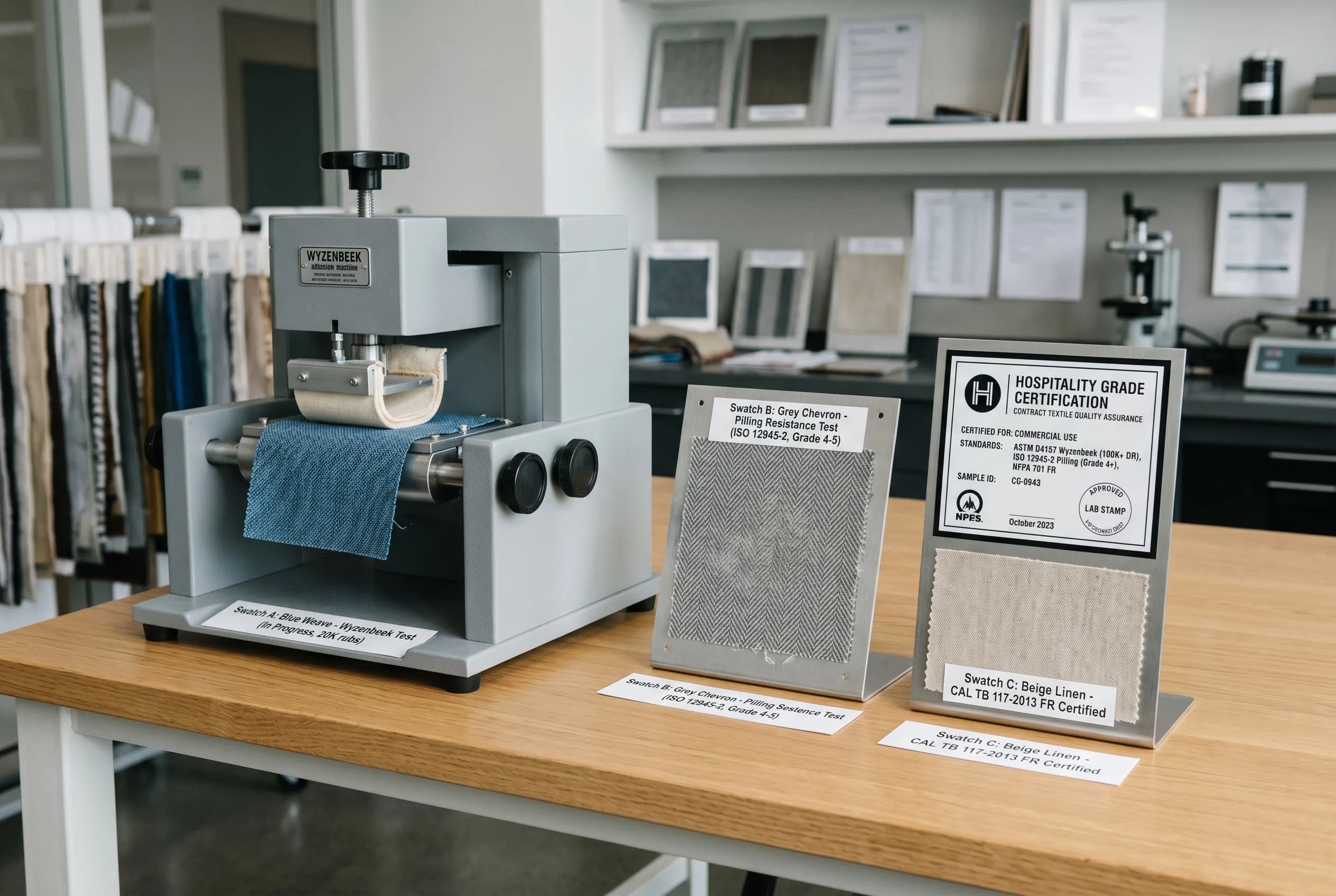
For high-volume chain properties, durability is the non-negotiable. Chair frames should be steel or heavy-gauge aluminum. Upholstery fabric needs to be rated at 50,000 double rubs minimum and honestly, 100,000 is more realistic for a Times Square property running near-daily events. Tabletop surfaces should be finished to resist heat, moisture, and the punishment of rolling carts loaded with banquet equipment. Volume quantities at this tier typically start at 500 chairs per refresh cycle, and suppliers need to be ready for that.
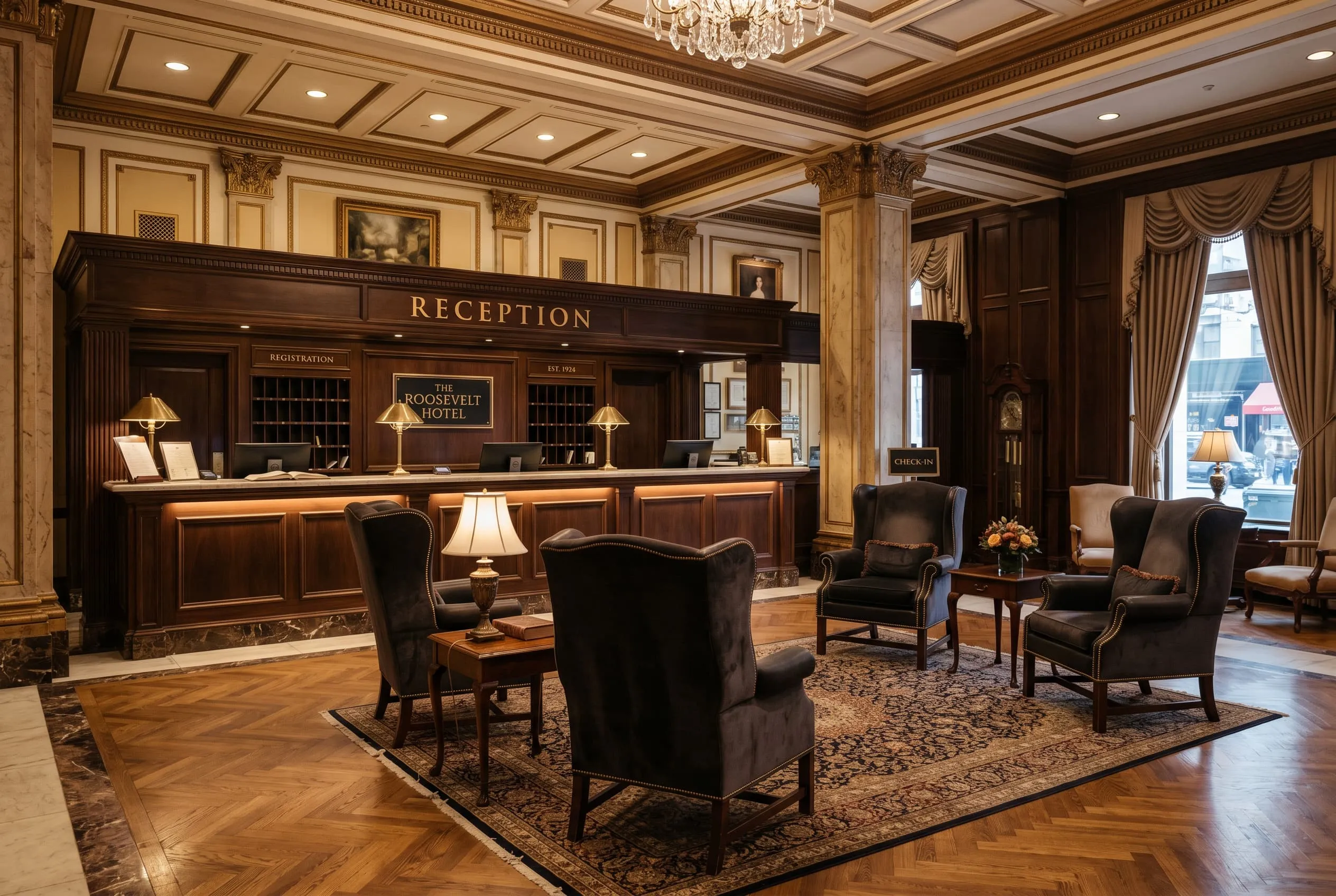
Boutique properties face a different kind of pressure. A significant share of their bookings come through Instagram, venue discovery platforms, and editorial coverage which means the furniture has to photograph well, not just function well. Chair profile, fabric palette, and finish quality all need to hold up both in person at the event and in the marketing photography that drives the next booking.
Storage, Logistics, and the Real Cost of Banquet Furniture in New York
The sticker price is never the whole story with banquet event furniture New York venues are evaluating. Let me walk you through the categories buyers consistently underestimate: storage infrastructure, replacement cycles, and damage costs during high-speed event turnarounds.
Dollies and transport carts are not optional accessories. A stacking dolly matched to your specific chair model reduces frame damage during moves and protects floors which matters acutely in older properties in Hell's Kitchen or the Garment District where the original hardwood floors are part of the venue's selling proposition. Budget two to three dollies for every 100 chairs, and factor that into your total cost of ownership from day one.
Replacement cycles in New York run short. High occupancy rates and aggressive event calendars accelerate wear in ways the national hospitality average does not capture. Smart purchasing teams build replacement schedules into annual budgets rather than treating banquet furniture as a one-time capital line. The most operationally efficient properties run a rolling refresh buying 20 to 30 percent of their seat count every two to three years so the room never develops that mixed-era, inconsistent look that signals neglect to experienced event planners.
Choosing a Supplier for New York's Specific Demands
Here is what most suppliers who do not know this market fail to account for: a New York delivery is its own project. Freight elevator scheduling, loading dock access windows that open and close in 30-minute slots, floor protection requirements in landmark buildings, building management sign-off on delivery crews all of that is part of the transaction. A supplier without genuine experience delivering into Manhattan high-rises or Brooklyn event venues will create operational headaches you do not have bandwidth to manage.
Lead time transparency is critical. Look for suppliers stocking in domestic warehouses who can ship to a New York address without extended wait periods. Custom upholstery orders are common here properties routinely want to match a brand color standard or a specific interior design scheme and those lead times need to be clearly scoped before a purchase order is signed, not discovered during installation.
Fire certifications are not optional in New York City. Many event spaces across the five boroughs require CAL 133 or UFAC Class I compliance for seating used in public event spaces. Confirm certification documentation before placing any volume order. A supplier who cannot produce those certificates is not a supplier you can work with in this market.
If you are sourcing banquet event furniture New York properties will actually depend on for years, the decision comes down to matching the right specifications to your venue type, your event volume, and your storage reality. The suppliers who understand this market already know that flexibility, durability, and fast turnaround support are not features worth calling out. They are the minimum standard for doing business here.
Planning banquet and event furniture for your New York project? Share your specs and quantities and we will build pricing around your actual program. Request a quote to get numbers for your space.