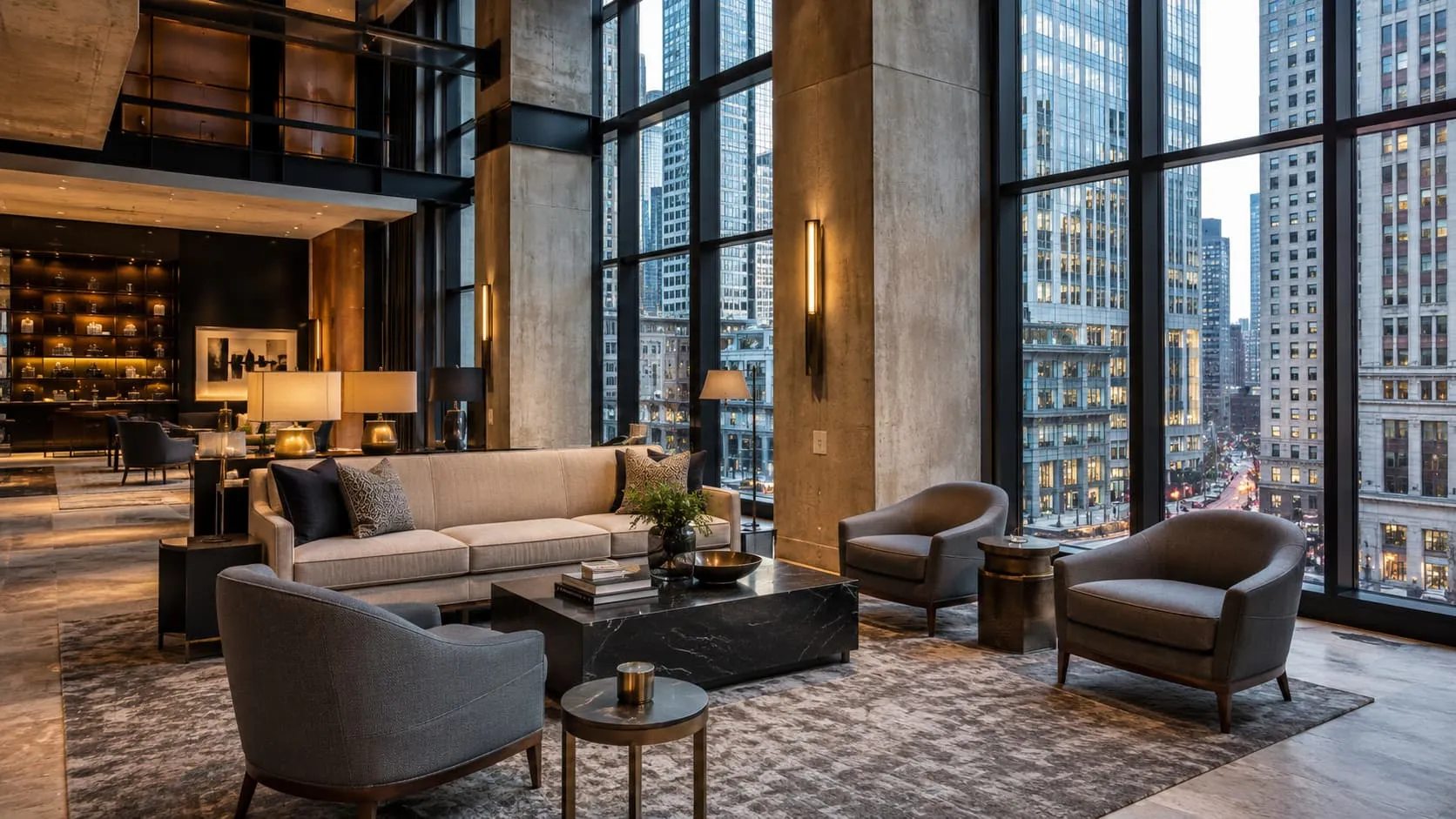
Let me walk you through what it actually takes to furnish a hospitality operation in New York. This city does not give you margin for error. A Times Square hotel turning over 300 rooms every night, a Michelin-starred dining room in the West Village running two packed services daily, a rooftop bar in Williamsburg at capacity from Memorial Day through Halloween these operations run on furniture that has to absorb relentless punishment without flinching. When a chair leg cracks or a table base wobbles, you are not dealing with an inconvenience. You are losing revenue in a market where every square foot costs more than most cities charge per floor. Working with a qualified commercial furniture supplier New York hospitality businesses can count on is not a preference. It is how you protect your investment from day one.
What Separates a Contract Supplier from a Retail Store
Here is what you need to know about the word "commercial": it gets thrown around loosely, but contract furniture carries a precise meaning. Contract-grade product is engineered, tested, and certified specifically for commercial environments. That means higher-density foam in seating, metal joinery at stress points instead of staples and wood glue, surface finishes that hold up against commercial cleaning chemicals, and third-party certifications like BIFMA for structural performance and GREENGUARD for indoor air quality.

A retail furniture store builds for a household that sees moderate use a few hours a day. A contract supplier builds for volume, velocity, and multi-year longevity. That difference shows up fast in a Midtown hotel bar or a packed Chelsea restaurant where the same chair might absorb hundreds of uses a week. A retail piece can fail in months under that kind of load. A contract piece, sourced through a reputable commercial furniture supplier New York operators actually work with, should hold up for years with nothing more than standard maintenance.
How to Evaluate Quality Before You Commit
The showroom visit is still one of the most valuable steps in your sourcing process. New York has a real concentration of contract furniture showrooms the Flatiron District and the Hudson Yards corridor are the primary nodes, with additional options out at Industry City in Brooklyn for buyers who want a less corporate environment and more direct access to manufacturers. In these spaces, sit in the product. Test the weight, the stability, the finish. Ask pointed questions. Do not treat it like a browsing session.
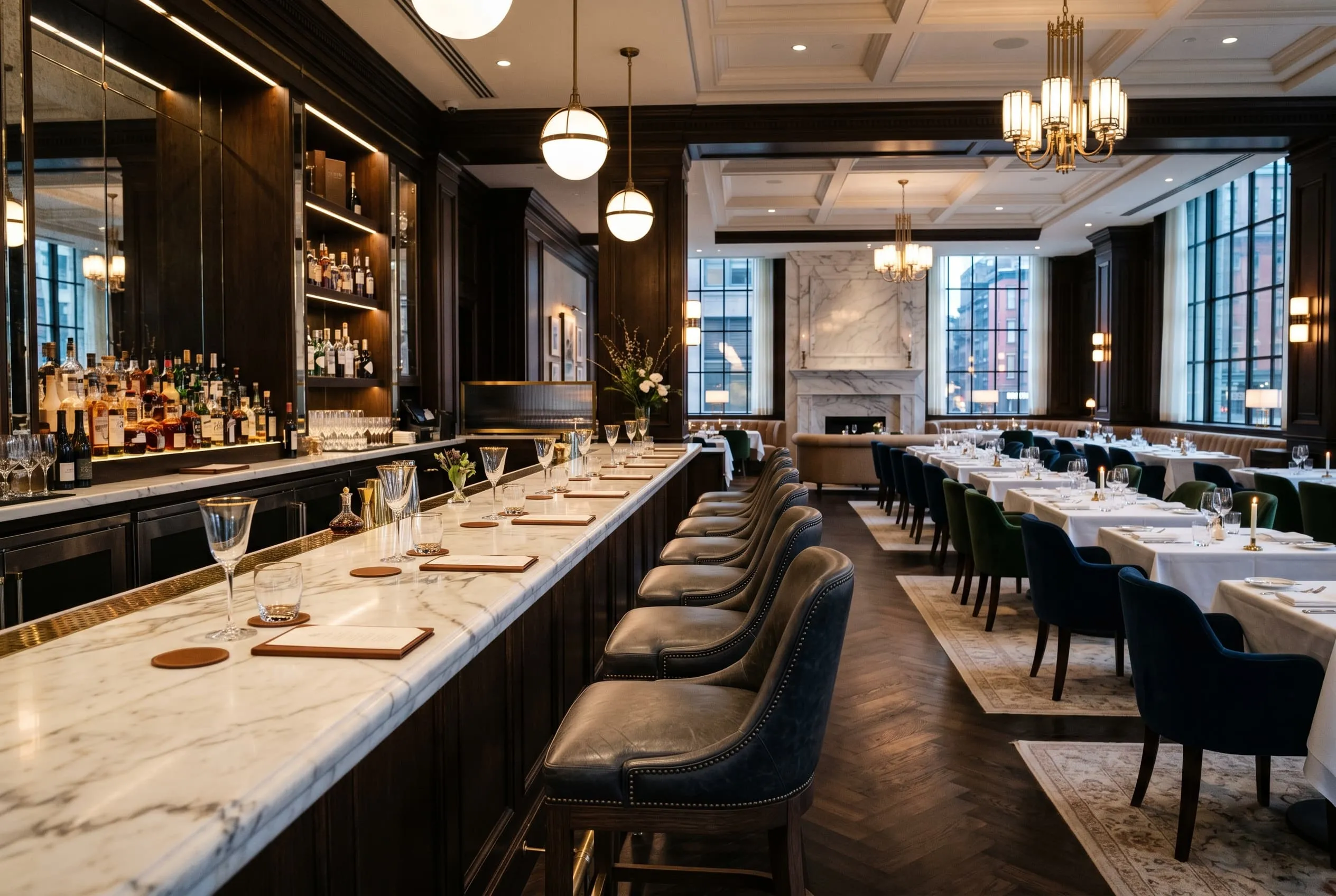
Here is what to push on beyond aesthetics: get the warranty terms in writing, ask which hospitality projects the supplier has completed in New York in the last two years, and ask specifically about their capacity for custom sizing and custom COM (customer's own material). A significant portion of New York hotel and restaurant renovations involve non-standard dimensions the spaces themselves are irregular, often carved out of century-old buildings in SoHo or converted lofts in DUMBO. A supplier with no flexibility on sizing will fight you at every renovation cycle. Walk away from that conversation early.
Pricing varies considerably by category. Seating tends to carry the highest per-unit cost in any hospitality project. Budget for it accordingly, and do not try to save money by mixing retail dining chairs with contract tables. Mixed sourcing creates mismatched quality levels that become obvious within the first year of operation.
Understanding Lead Times in the New York Market
Lead time transparency is one of the most overlooked factors when hospitality operators first start working with a commercial furniture supplier. Custom manufactured product typically runs 10 to 16 weeks from purchase order to delivery. If your renovation window is six weeks, custom is not your path unless procurement started well before demolition did.
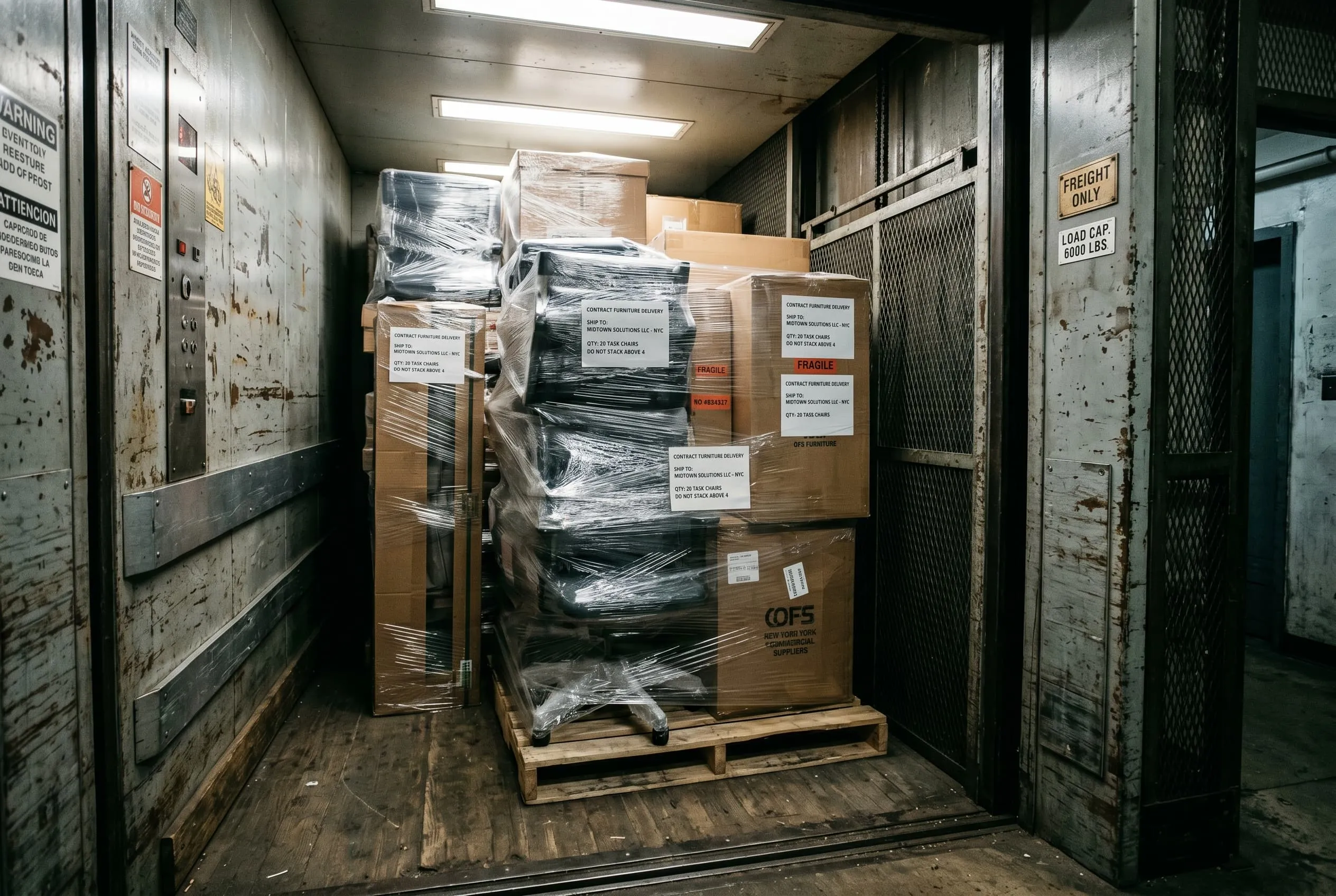
New York adds a layer of logistical complexity that genuinely does not exist in other markets. Freight delivery to Manhattan requires advance coordination with building management for dock access, elevator scheduling, and often off-hours delivery windows especially in Midtown and the Upper East Side where loading zones are contested daily. Suppliers who do not know this city's delivery environment routinely underestimate the friction and create chaos right at opening week when you can least afford it. The best contract suppliers operate with dedicated logistics teams who have navigated Manhattan freight before, and who know that a delivery to a Williamsburg venue on a Saturday night requires a completely different plan than a weekday drop in Long Island City.

Ask your supplier directly: have they delivered to your specific neighborhood? Have they worked with your building's freight team before? These are not small questions. They are the difference between a smooth install and a missed opening.
Pricing and the Ordering Process
Working with a commercial furniture supplier New York projects run through almost always starts with a quote request, not a walk-in purchase. You will submit a floor plan or room count, specify your categories seating, tables, case goods, outdoor and receive a project quote with itemized pricing. Most contract suppliers work on net pricing for trade clients, meaning hospitality designers and procurement teams receive a discount off list price, typically in the 30 to 40 percent range depending on volume.
Deposits are standard. Expect to put 50 percent down at order placement, with the balance due before shipment or on delivery. Payment terms can be negotiated on established accounts, but first-time buyers almost always pay the standard split. Plan for it.
New York's renovation cycles are relentless. Hotels in competitive corridors Midtown South, the Financial District, NoMad renovate on five to seven year cycles to stay relevant. The best suppliers track this. They maintain client records, finish libraries, and sample archives so that when a property returns for phase two or a mid-cycle refresh, the process moves in weeks rather than months. Build a real relationship with your rep. Not a transactional one. The rep who knows your brand, your designer's preferences, and your building's freight restrictions is worth more than a marginal discount from a supplier who has never been to your borough.
Whether you are sourcing for a boutique property in the East Village, a full-service hotel in Midtown, or a new restaurant group expanding across Brooklyn, the right commercial furniture supplier New York hospitality projects count on will do more than sell you product. They will help you specify correctly, hit your timeline, and navigate the unique delivery conditions this city throws at every project. Start early, ask the hard questions, and treat this relationship like the long-term investment it is.
Tell us about your New York commercial furniture needs and we will turn your quantities, finishes, and timeline into a firm quote. Request a quote whenever you are ready to compare.