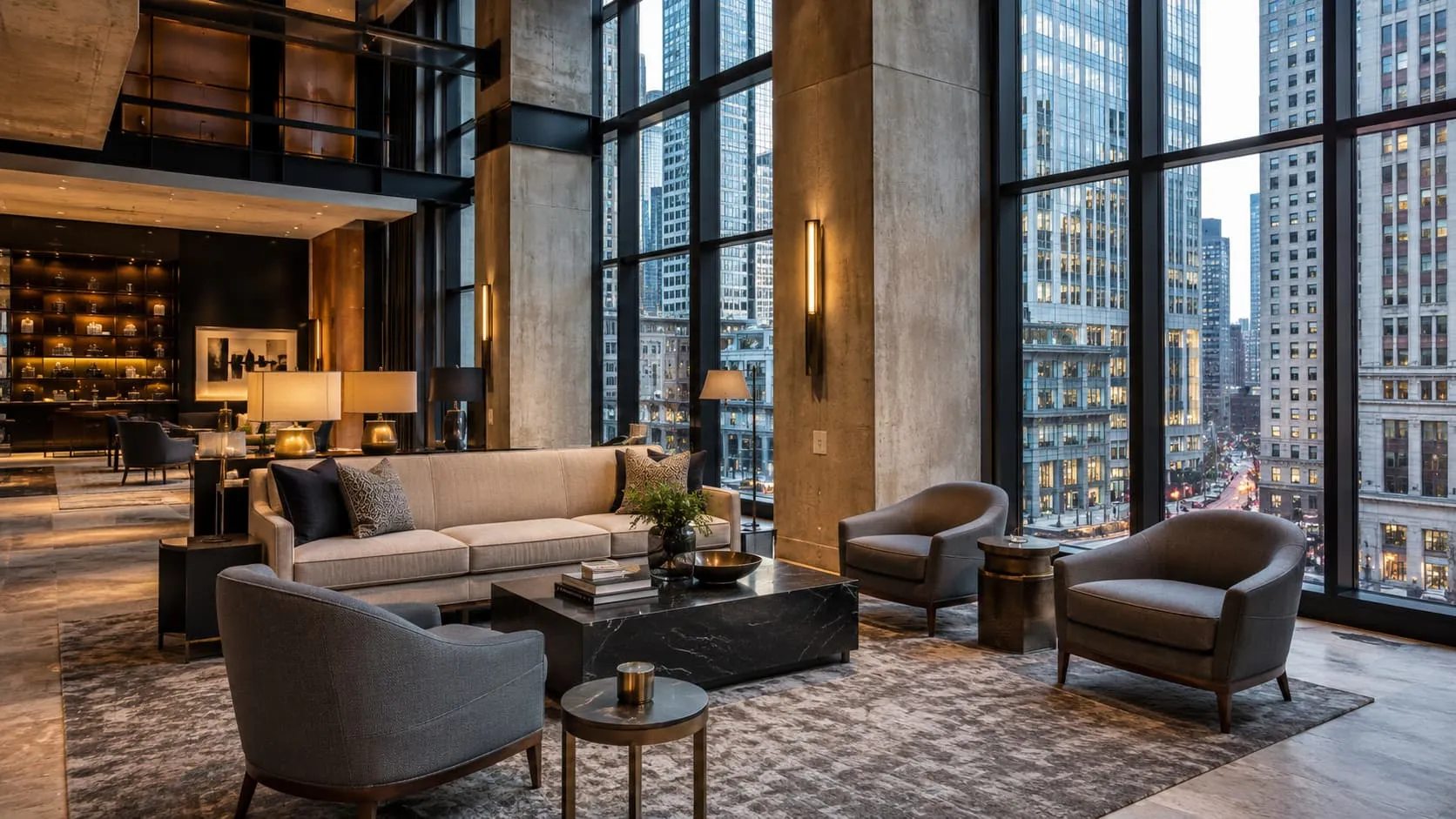
No American city runs on hospitality the way New York does. The rooftop bars rising above Midtown hotels, the cocktail lounges tucked into Williamsburg brownstones, the wine bars filling the ground floors of new NoMad developments every one of them is making furniture decisions that ripple through every aspect of their operation. How many covers they can turn. How guests feel within the first thirty seconds of walking in. Whether the seating still looks presentable after three years of relentless service. When you are sourcing bar lounge furniture New York venues need to depend on, the stakes are higher than in almost any other market. Real estate costs alone make every square foot a revenue calculation. Worn-out or ill-fitting furniture is not an aesthetic problem here. It is a business problem.
What New York Bar Operators Actually Need From Their Seating
Let me walk you through the reality of what New York volume actually means for your seating. A busy Thursday night in the Meatpacking District, along the Williamsburg waterfront, or inside any rooftop lounge on the Upper West Side means your barstools and lounge chairs are occupied for hours by guests who shift, lean, and spill. Contract-grade seating is built and rated for exactly that. Residential furniture even expensive residential furniture is not.
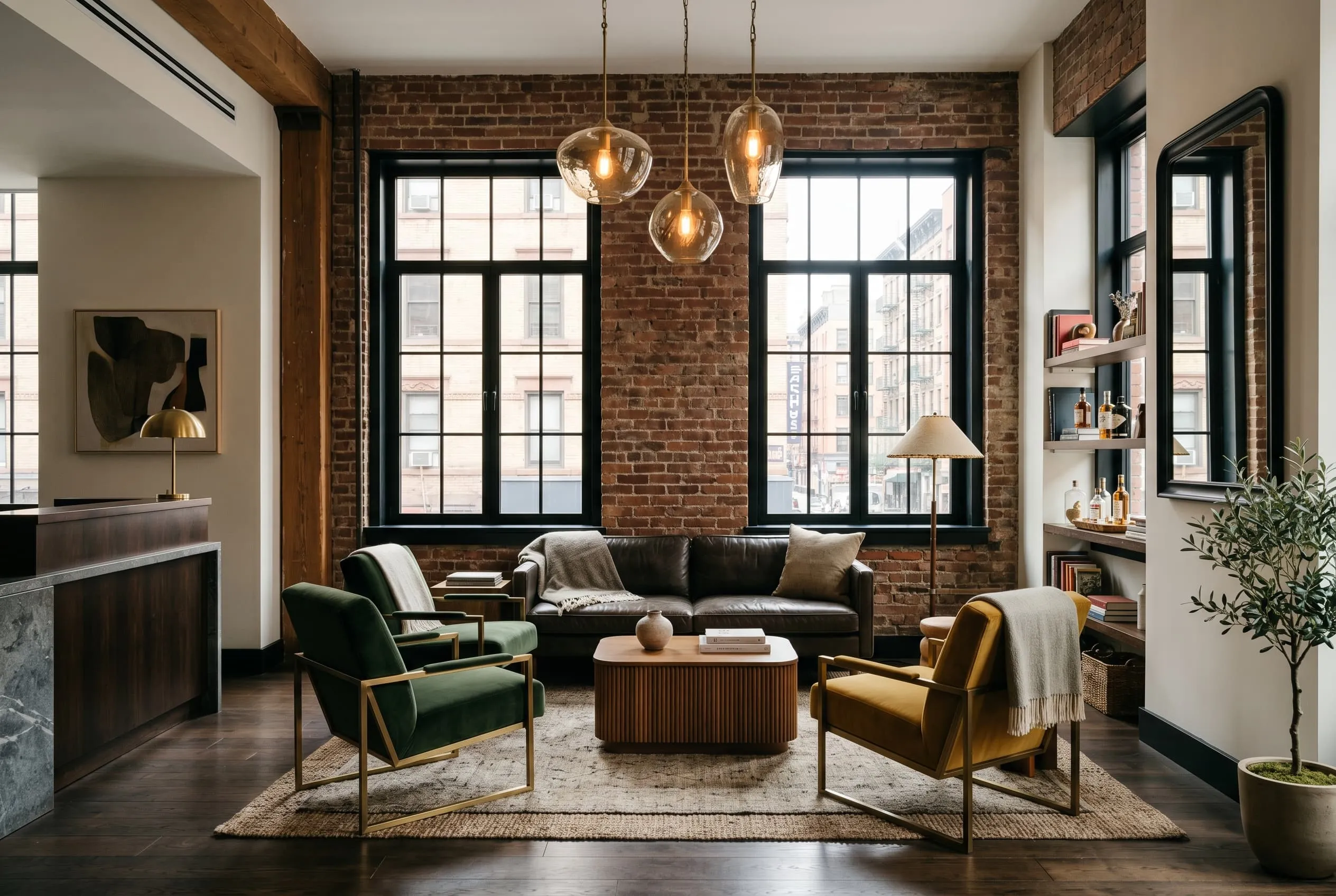
When you are evaluating bar lounge furniture New York venues depend on night after night, the frame material is your first decision. Steel and aluminum frames handle continuous physical stress better than wood in high-traffic environments. Swivel mechanisms on barstools take punishment fast look for units with heavy-duty hardware and replaceable components, not sealed assemblies you will have to throw out after a year. Footrests are another critical wear point. On cheaper stools they loosen or corrode within twelve months. On commercial-grade pieces they are welded or reinforced to survive thousands of cycles without play developing in the joint.
Seat height is a practical call you need to make before you order anything. Standard bar height runs around 28 to 30 inches. Counter height sits around 24 to 26 inches. Getting this wrong means your guests are uncomfortable and your bartenders are making constant awkward adjustments. Measure your bar rail first. Order second.
Fabric and Finish Choices for Spill-Heavy Environments
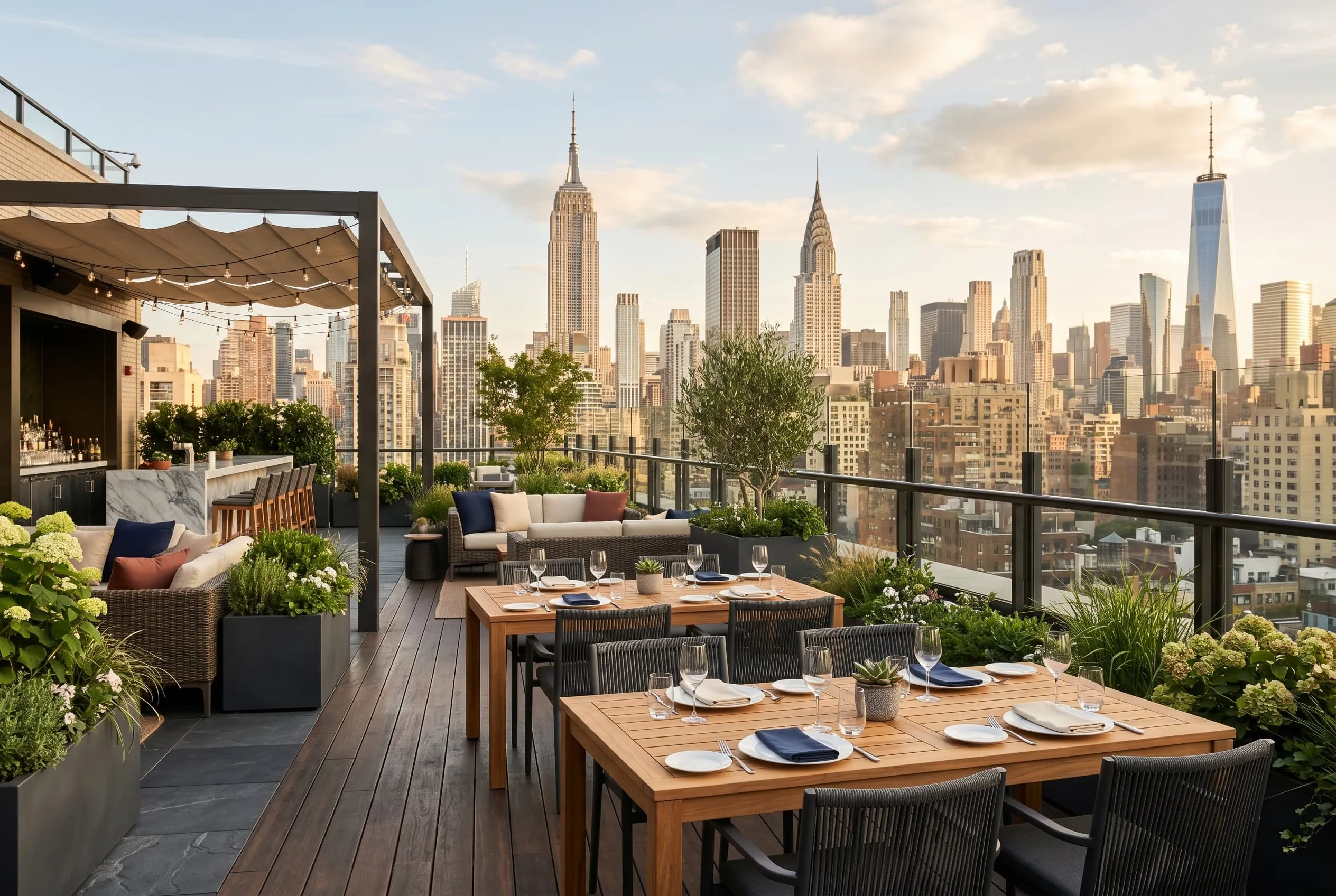
Here is what you need to know about upholstery in a New York bar environment: it gets wet constantly. Cocktails, beer, cleaning sprays, and everything in between hit your seat surfaces hundreds of times every week. The fabric you choose for lounge seating and barstool cushions needs to handle that punishment without staining, peeling, cracking, or developing odors over time.
Vinyl and faux leather remain the most practical choice for seat surfaces in high-spill zones. Modern contract vinyl has closed a significant gap with genuine leather in terms of appearance and hand feel, and it wipes clean in seconds. If you want a softer, more textured look, performance fabrics treated with stain-resistant coatings are a reasonable middle ground for lower-spill lounge areas. What you want to avoid entirely is standard decorative fabric on any seat within reach of full bar service.
Frame finishes matter more than most operators expect. Powder-coated steel holds up well in environments where surfaces get wiped down with commercial cleaners several times a night. Chrome looks sharp on opening day but shows scratches fast and can corrode in humid back-of-house-adjacent spaces. Matte black frames are dominating New York venues right now from Lower East Side bars stepping up their interiors to boutique hotel lounges in the Flatiron District and West Chelsea. The finish reads across price points and holds up better than polished alternatives under daily cleaning.
Layout and Square Footage Pressures Unique to New York
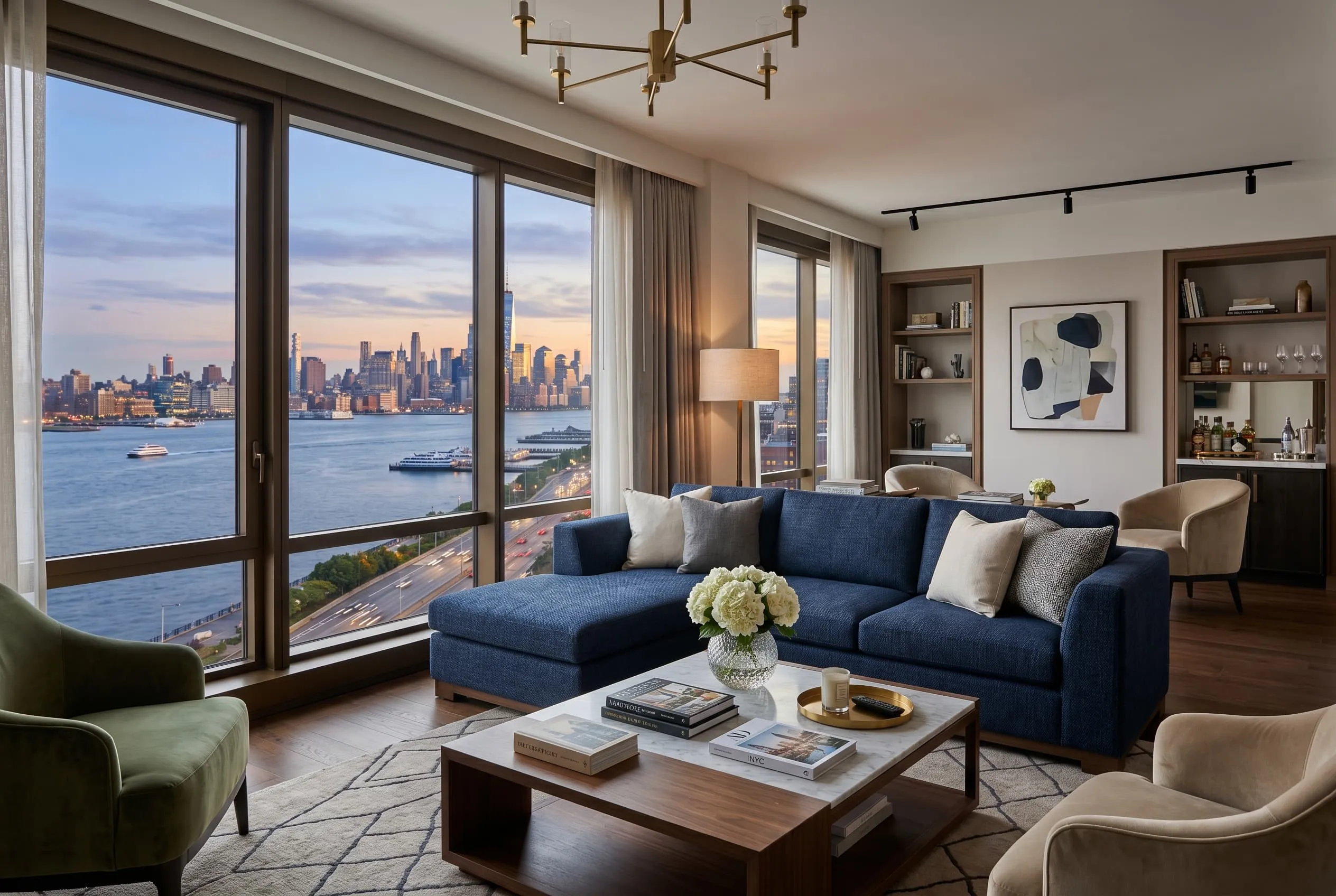
Space in New York hospitality is genuinely unlike anywhere else in the country. A lounge in a Times Square hotel might be working with a floor plate that a Chicago or Houston operator would consider a utility closet. That constraint drives very specific furniture decisions, and understanding them before you spec anything is critical.
Stackable chairs and folding high-top tables give you the flexibility to reconfigure for private buyouts, Fashion Week events, or the shift between weeknight bar traffic and weekend lounge service. Armless barstools take up meaningfully less lateral space than armed versions in a tight room, that difference can mean fitting an additional two or three seats along a rail. Modular lounge seating lets you rework a room for different service formats without buying new furniture every season.
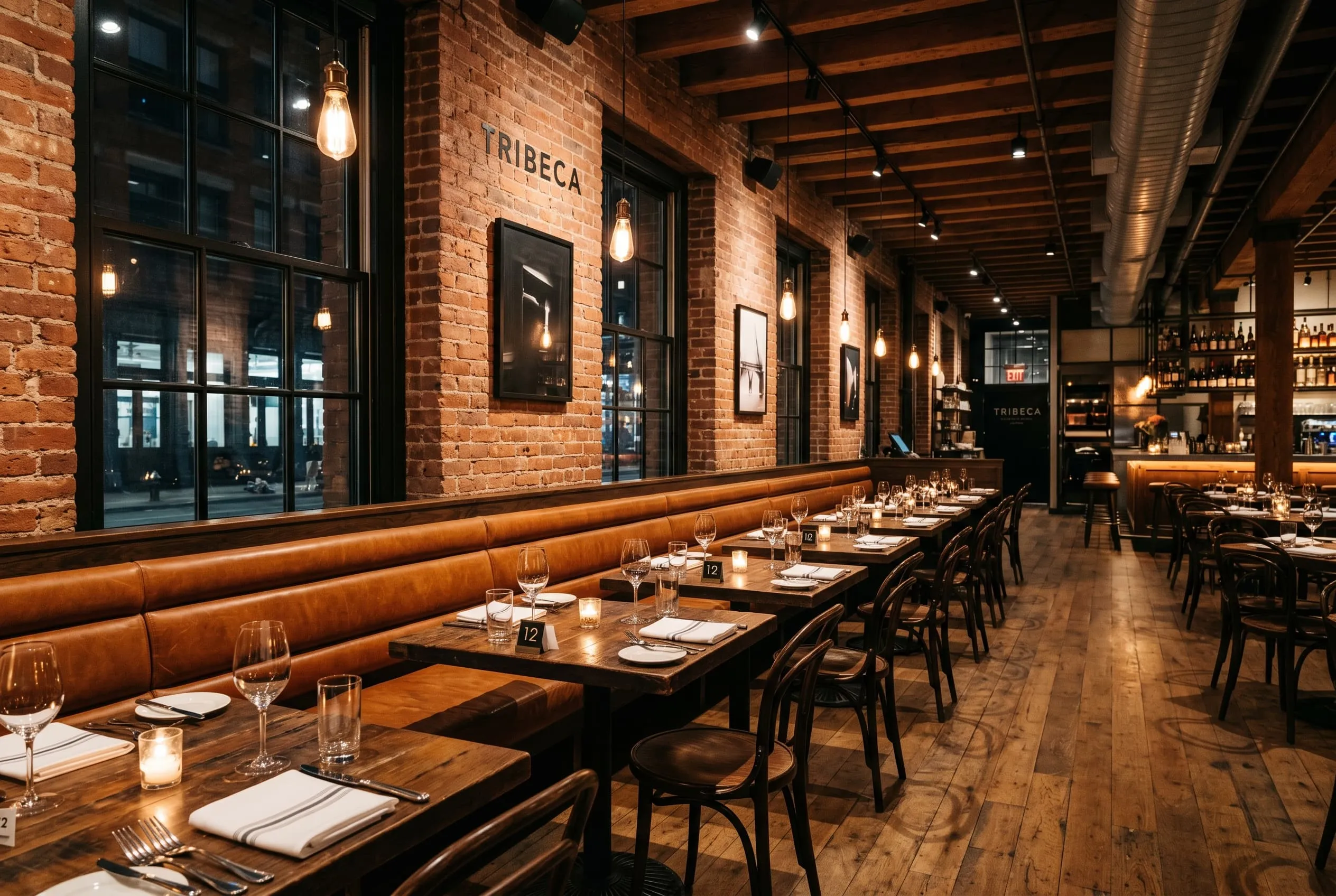
High-top tables with barstool seating do more revenue work per square foot than traditional table-and-chair setups. You seat more guests at higher density, sightlines to the bar stay open, and the standing-adjacent posture keeps cover turnover moving. For rooftop bars in particular where the real estate premium is steeper and the seasonal window runs roughly May through October getting the furniture layout right before you open is worth serious attention. Getting it wrong means a costly mid-season reset.
Renovation Cycles and Sourcing Strategy in the New York Market
New York venues renovate on a cycle unlike most markets. Leases turn over, ownership changes hands, and operators refresh interiors every few years to stay competitive in a scene where guests notice and talk. This creates constant sourcing pressure that makes having a reliable commercial furniture supplier relationship more valuable than chasing one-off deals.
Lead time transparency is non-negotiable when you are working in this market. Overseas manufacturers regularly stretch to twelve weeks or more on custom orders, and in New York, every week of delayed opening is a week of rent, payroll, and lost revenue with nothing coming in. Working with suppliers who maintain domestic stock or regional warehouse inventory gives you options when timelines compress and in New York, timelines always compress.
Coordinating your furniture across zones matters too. Bar seating, lounge areas, and high-top sections should read as a considered whole, not as three separate purchasing decisions. A cohesive look signals professionalism to guests. Mismatched pieces from multiple sources read as an afterthought, even when each individual piece is solid on its own.
When you are ready to spec out bar lounge furniture New York projects at any scale, the right supplier understands commercial-grade standards and the specific pressures of this market the square footage math, the durability requirements, the lead time realities. That expertise makes the difference between a smooth opening and a last-minute scramble.
Planning bar and lounge furniture for your New York project? Share your specs and quantities and we will build pricing around your actual program. Request a quote to get numbers for your space.