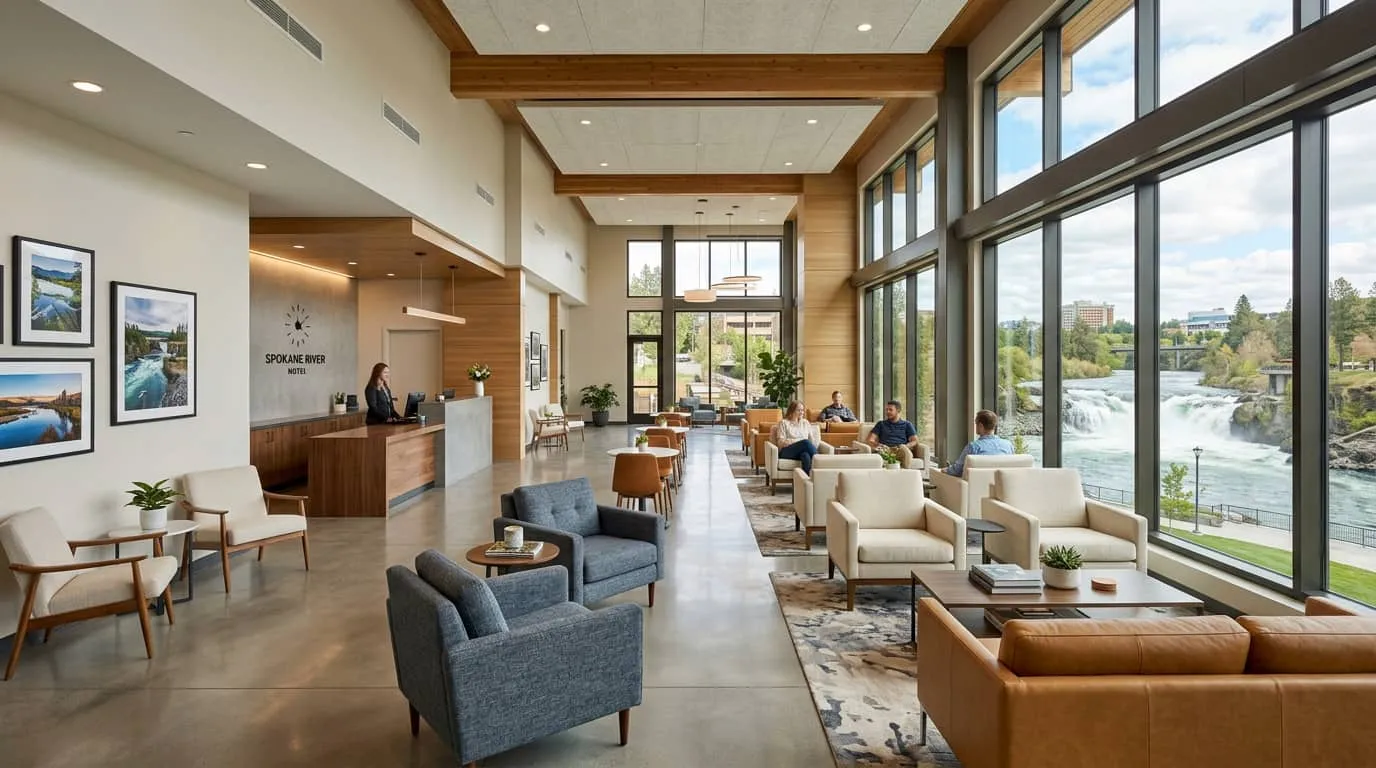
Spokane has been quietly remaking itself. The city that once ran on agricultural trade and government employment is now absorbing significant convention traffic through the Spokane Convention Center, hosting a steady flow of visitors to Gonzaga University and Eastern Washington University, and positioning itself as the hub of a regional outdoor recreation economy that stretches from Mount Spokane to the lakes of north Idaho. That shift has real consequences for the hospitality sector. Hotels that were adequate for the previous guest profile are now competing for guests who have stayed in Seattle boutique hotels and have strong opinions about what a well-specced room looks like.
If you are developing or renovating a hotel property in Spokane, whether on the river district corridor, near the Davenport Historic Hotel district, or in the emerging South Perry neighborhood, what you need from a hotel furniture supplier has changed.
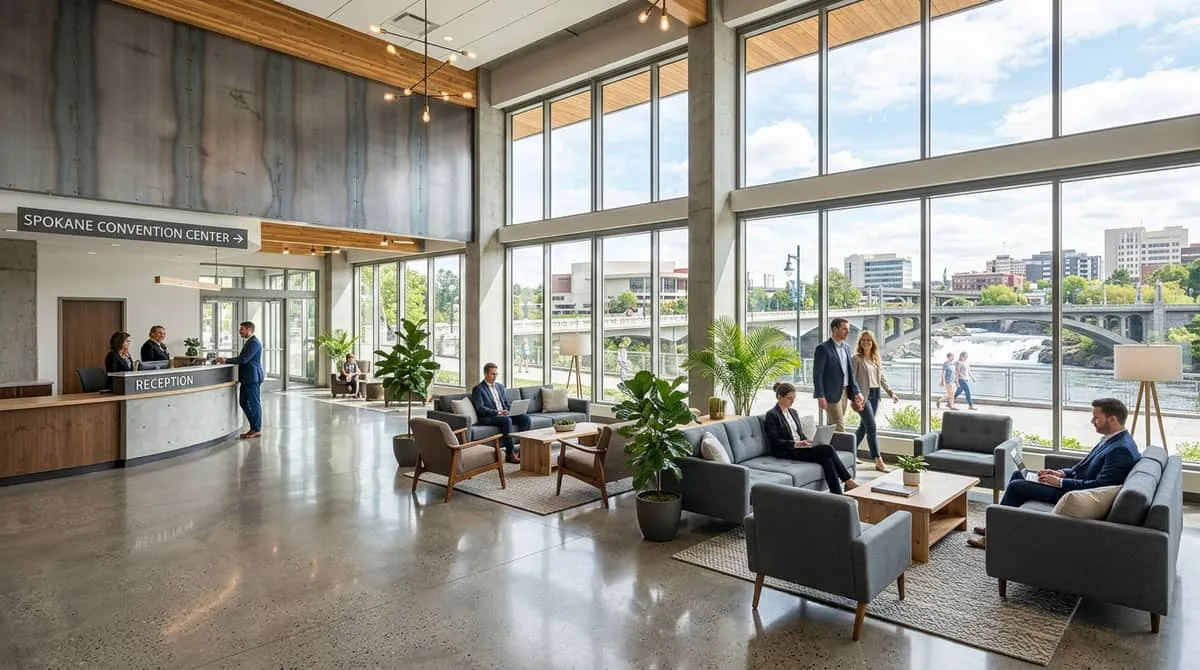
The Spokane Guest Profile Has Moved Up-Market
For a long time, the dominant Spokane hotel guest was a business traveler here for a regional company meeting or a government contract, or a leisure traveler passing through on the way to somewhere else. That mix still exists, but it is no longer the primary revenue driver for properties that want to compete at the rate levels that justify serious FF&E investment.
Today's Spokane hotel market is serving Gonzaga parents during basketball season who fly in from out of state and have legitimate boutique hotel options to compare your property against. It is serving convention attendees who are evaluating your lobby the same way they evaluate the convention hotels they stay at in Denver or Portland. And it is serving the tech-adjacent workers and entrepreneurs who have relocated to the Spokane market from more expensive metros and now expect Pacific Northwest design sensibility at a price point that makes sense on this side of the Cascades.
These guests notice hollow headboards. They notice lobby seating that wobbles under normal use. They notice when your breakfast area chairs match nothing in the rest of the property. A hotel furniture supplier who understands the current Spokane market helps you build a furniture program that meets the evolved expectation, not the one that existed ten years ago.
Contract Performance Specifications for Spokane Properties
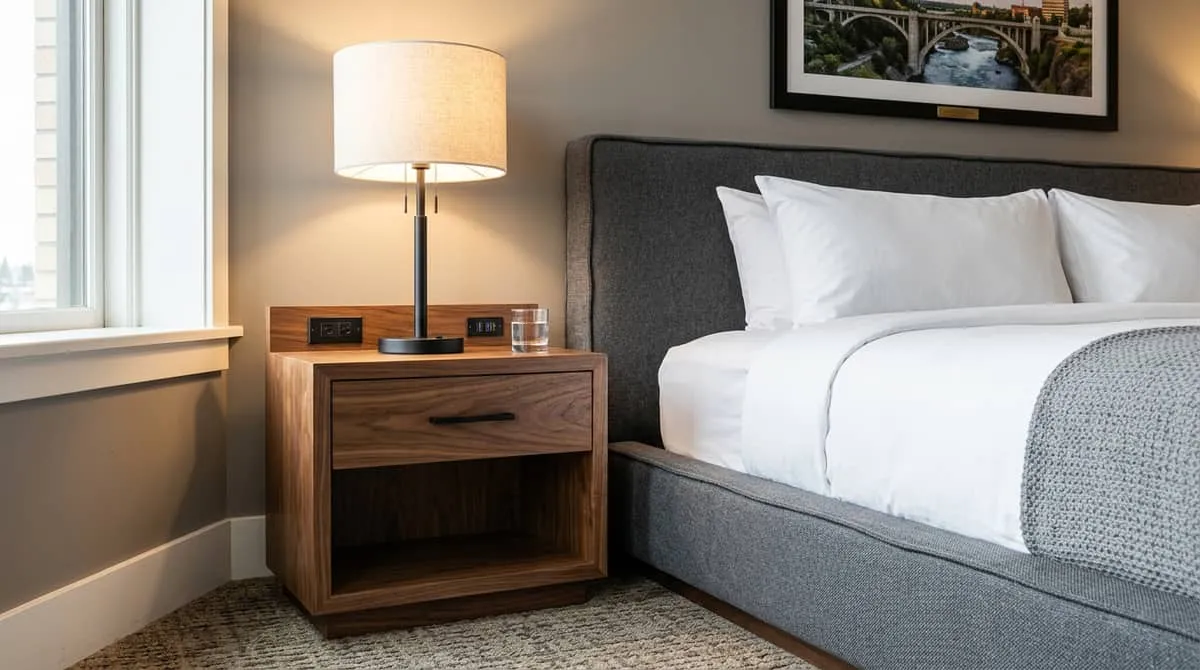
The most important conversation you need to have with any hotel furniture supplier in Spokane is about performance specifications, not aesthetics. Anyone can show you catalog photos. The meaningful question is what structural and material standards the pieces are actually built to.
Contract-grade seating for hospitality use starts at 100,000 sit cycles on the frame test. Residential furniture is typically rated at 15,000 to 20,000 cycles. The difference between those numbers is not a small upgrade; it is the difference between furniture that makes it through a five-year renovation cycle and furniture that starts showing structural failure in year two under normal hotel use conditions.
Upholstery performance matters equally. Lobby chairs, guestroom seating, and dining chairs need fabric that is rated at 30,000 Wyzenbeek double rubs at minimum for moderate-use applications, and significantly higher for high-traffic pieces like barstools and banquette seating. Any supplier who cannot give you a documented rub count for the fabric they are proposing is not operating as a legitimate contract supplier.
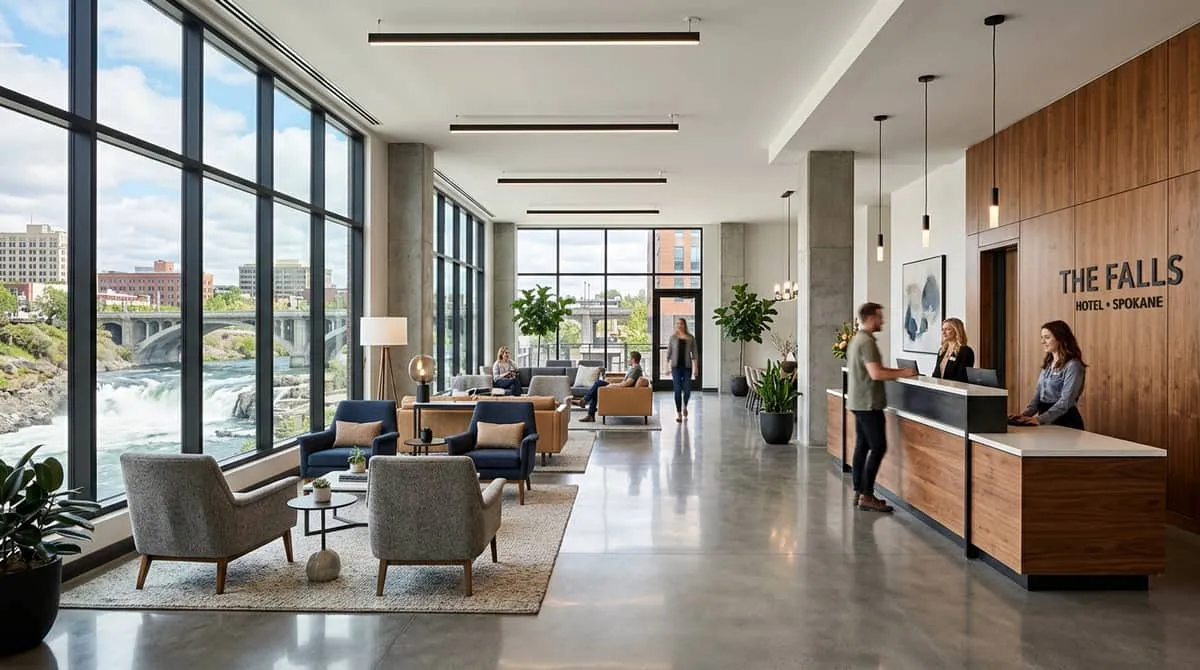
Case goods, nightstands, dressers, credenzas, headboards, should be evaluated on construction method before you evaluate aesthetics. Hardwood-veneered MDF with mechanical fasteners outperforms lightweight particleboard by years in a real hospitality environment. Request cross-section samples and warranty documentation before you approve any case goods specification for a Spokane property.
Lead Times and Spokane's Logistics Reality
Spokane sits east of the Cascades, which creates real logistics considerations for furniture procurement. The city is not a primary freight hub, and inbound shipments from manufacturers in the Southeast, Midwest, or through Pacific Coast ports carry longer transit windows than comparable deliveries to Seattle or Portland. That is not a problem if you plan for it; it is a serious problem if you discover it three weeks before an opening date.
Custom upholstered pieces, headboards, lounge chairs, dining seating for on-site F&B, typically run 12 to 16 weeks from order confirmation through production and freight delivery. Add Spokane's freight positioning to that timeline, and your practical lead window is 16 to 20 weeks for custom work. If you are managing a hotel opening or a phased renovation on the I-90 corridor, work backward from your hard completion date and build in buffer accordingly.
The phased procurement model most experienced Spokane operators use is ordering guestroom furniture first, because those rooms generate revenue from day one, then sequencing public spaces and F&B furniture on a parallel track. In-stock contract lines can often fill public space needs on shorter timelines, which gives you flexibility on the spaces that can open a few weeks after rooms.
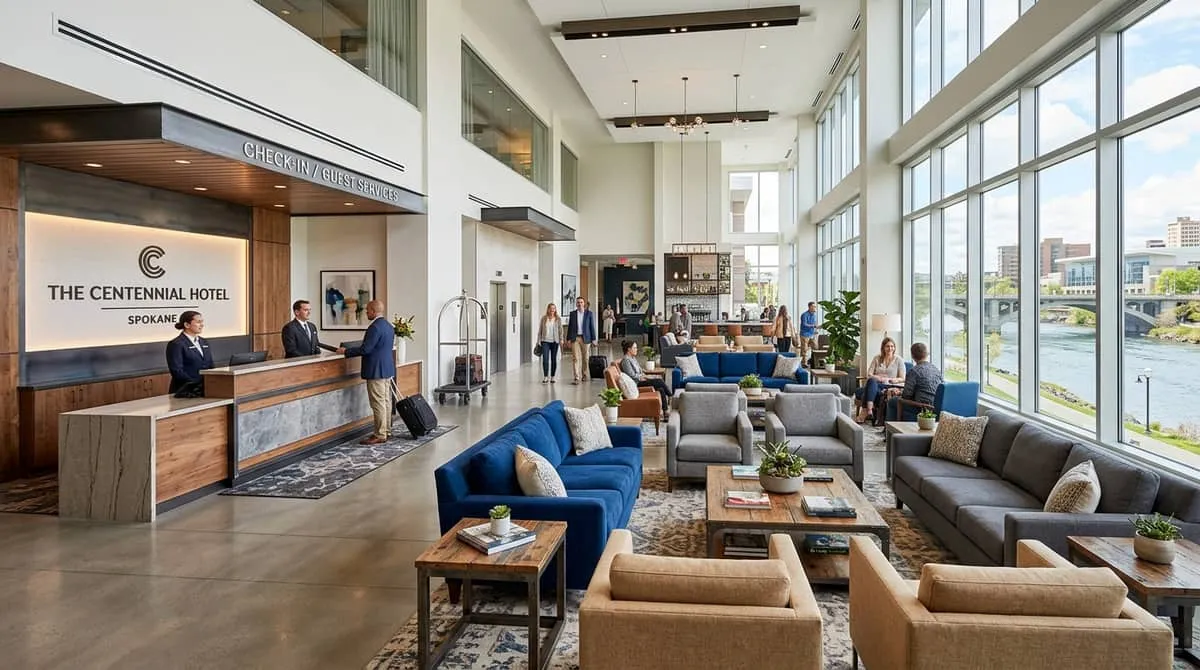
Finding the Right Hotel Furniture Supplier for Your Spokane Property
The first conversation with any hotel furniture supplier in Spokane should cover four things: your room count and property category, your design concept and brand standards if you are a flagged property, your total FF&E budget, and your hard opening or completion date. A supplier who can structure a clear specification package around those four inputs is operating as a project partner. A supplier who opens a catalog before asking those questions is a vendor.
Specification packages for Spokane hotel projects should include material samples, finish boards, and a category-by-category quote with clearly separated line items for custom versus in-stock pieces. For any custom upholstery, insist on a physical strike-off sample before approving production. The variation between an approved photo and what arrives in a shipping container after twelve weeks of production is not a risk you want to take on a flagged property or a boutique project where design consistency is a competitive differentiator.
Spokane's regional identity creates design opportunities that generic hotel furniture programs miss. The outdoor recreation culture, the Davenport-era architectural heritage, the craft food and beverage scene in Kendall Yards, these are real local references that translate into furniture specifications guests actually connect with. A supplier with hospitality design experience, not just hospitality contract sales experience, helps you make those connections without driving your budget into territory that does not pencil at Spokane market rate levels.
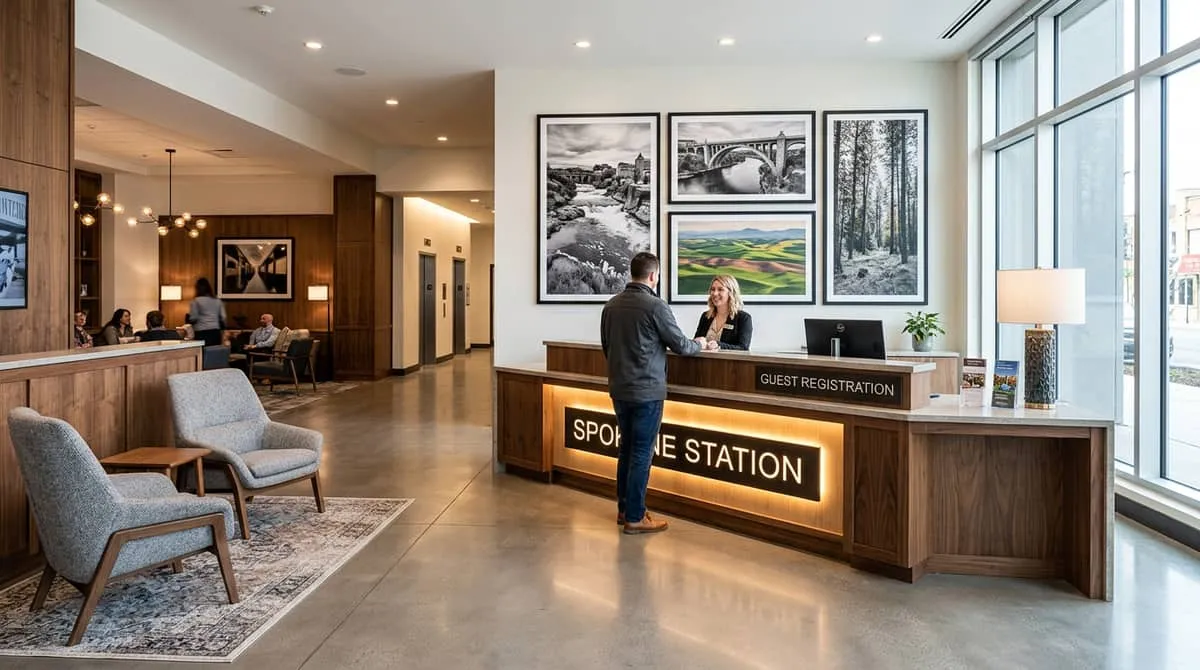
Replacement and warranty support matters more than many operators factor in during the sourcing process. Ask every prospective supplier how they handle a nightstand that arrives at your Spokane receiving dock with shipping damage, what the lead time on a replacement is, and whether they maintain spare inventory on high-turnover categories. The relationship with a hotel furniture supplier needs to extend across multiple renovation cycles, not just serve one project.
If you are sourcing hotel furniture for your Spokane property, the fastest way to real numbers is to tell us what you need. Request a quote with your quantities and timeline.
Related reading
- Commercial furniture supplier in Spokane
- Hospitality furniture in Spokane: bars and lounges
- Commercial hotel furniture: a sourcing guide for every space
- Boutique hotel furniture: specifying a distinctive, durable look
- What is contract furniture
- Commercial furniture vs retail
- Hospitality furniture supplier guide
- Hotel lounge chairs
- Hotel headboards
- Browse full catalog
- Commercial furniture in Washington