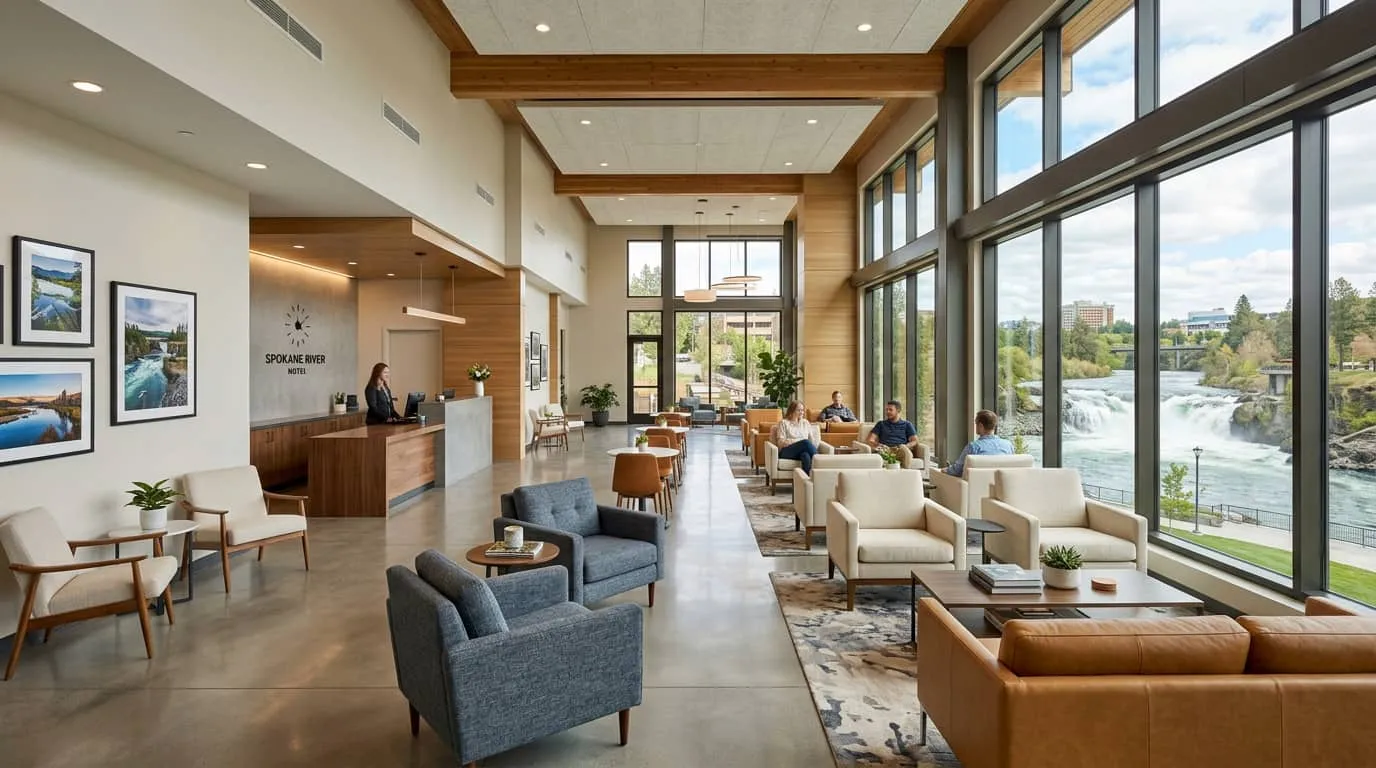
The commercial furniture market in Spokane sits in an interesting position. The city is large enough, roughly 230,000 people in the city proper, with the metro approaching 600,000, to support genuine commercial demand across hotels, restaurants, conference facilities, and healthcare settings. But it is not large enough to sustain the deep bench of specialized hospitality contract suppliers that Seattle or Portland hosts. That means Spokane operators need to know how to evaluate commercial furniture suppliers who may be based outside the region, and how to separate the suppliers who understand the hospitality contract market from the ones who describe themselves as commercial suppliers but are essentially retail furniture dealers with a larger catalog.
What Separates a Commercial Furniture Supplier from a Retail Dealer
The distinction matters because the performance requirements for hospitality and restaurant applications are fundamentally different from residential use, and a supplier who does not understand that difference will not catch the specification problems that cause furniture to fail prematurely in commercial environments.
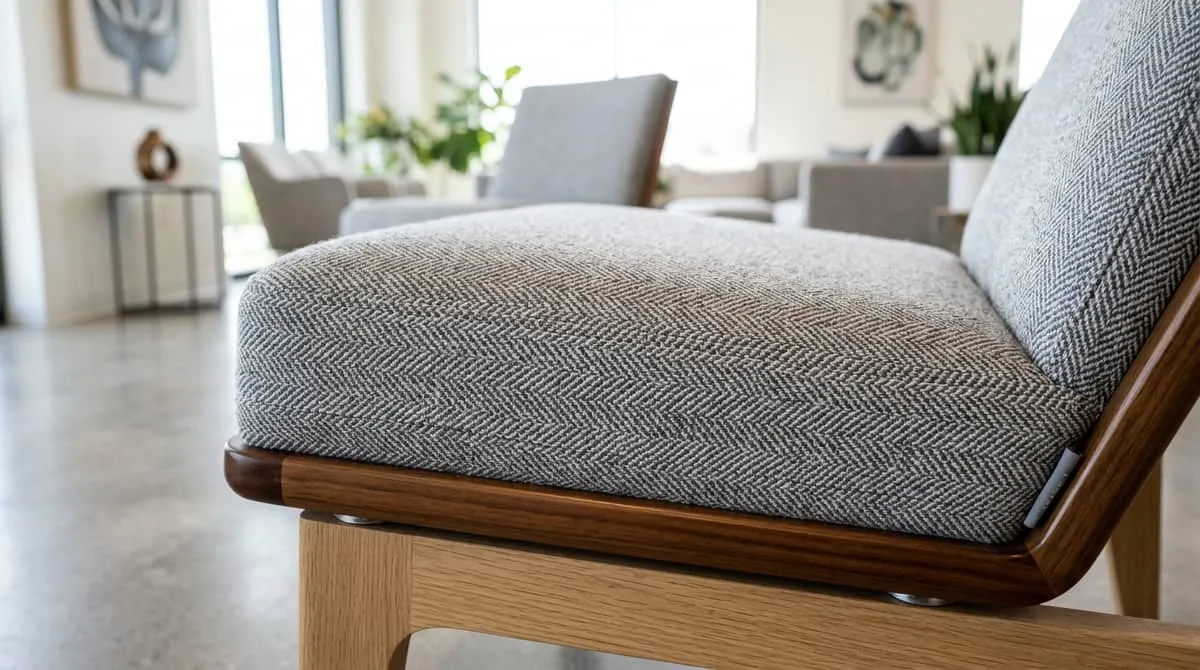
A legitimate commercial furniture supplier for Spokane hospitality projects can answer specific questions about frame cycle count ratings, fabric Wyzenbeek double rub counts, foam density specifications, and construction method for every category of furniture they are proposing. They have documentation available, test reports, warranty terms, specification sheets, and they provide it without being asked repeatedly.
A retail dealer describing themselves as a commercial supplier will default to showing you catalog photos and quoting price. When you ask about the performance specifications behind a specific piece, the answer will be vague or will redirect to aesthetics. That is a reliable signal that you are talking to the wrong kind of supplier for a hotel or restaurant project in Spokane.
Categories of Commercial Furniture for Spokane Projects
The commercial furniture needs of a Spokane hotel or restaurant operator typically span several distinct categories that require different expertise from the supplier:
Guestroom case goods and seating, headboards, nightstands, dressers, desks, desk chairs, and luggage benches. This category requires case good construction expertise and upholstery specification experience. The supplier needs to understand how these pieces are used in a hotel environment and what failure modes are common when specifications are inadequate.
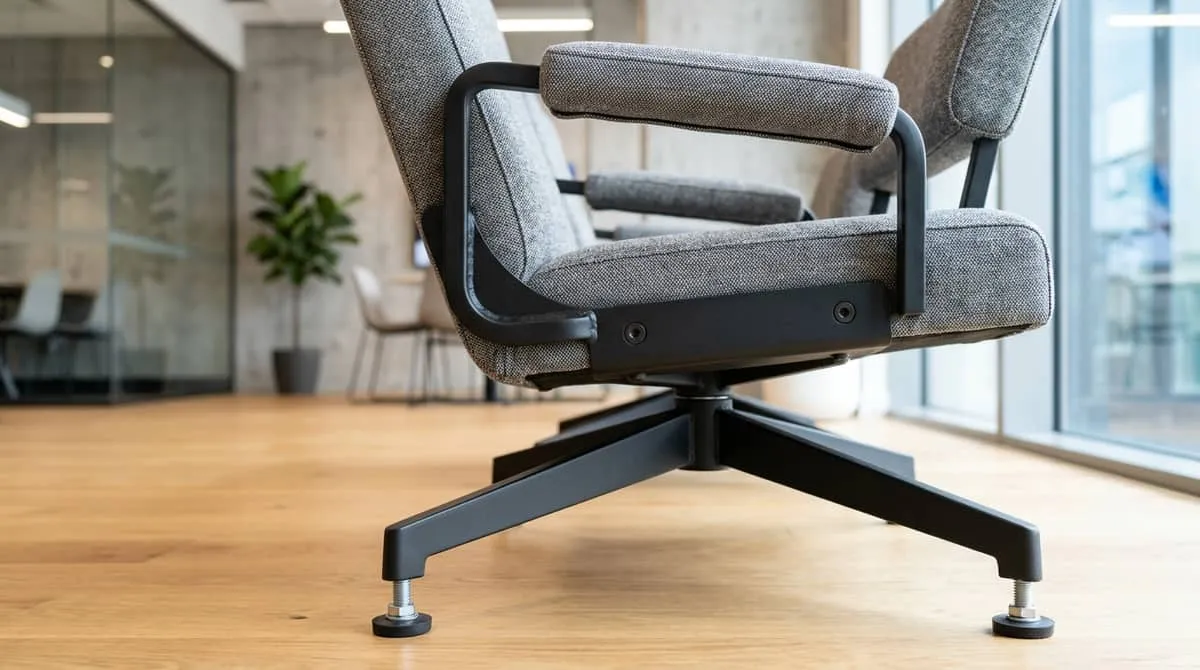
Public space seating, lobby lounge chairs, sofas, and ottomans; F&B dining chairs and bar seating; conference room chairs. This is the highest-visibility category and the one most affected by the design direction of the project. The supplier needs both commercial performance knowledge and design capability.
Outdoor and patio furniture, dining and lounge seating for hotel terraces, restaurant patios, and pool decks. This category requires specific knowledge of outdoor material performance, including UV resistance, corrosion resistance, and wind stability.
Banquet and event furniture, stacking chairs, folding tables, and cocktail tables for ballrooms and event spaces. This is a specialized category where Spokane's convention business drives real volume demand.
Evaluating a Commercial Furniture Supplier for Spokane
The evaluation process for a commercial furniture supplier for a Spokane project should start with references from comparable hospitality projects in the Pacific Northwest or Mountain West region. A supplier who has furnished comparable Spokane, Boise, or Missoula hotel or restaurant projects has demonstrated an ability to manage the freight and logistics realities of the Inland Northwest market. A supplier with references only from coastal markets may be excellent but has not proven they can manage the freight timeline to your specific receiving location.

Request a project case study, not just photos, but a description of the project scope, the timeline, what went wrong and how it was handled, and what the operator says about the experience after the fact. Suppliers who cannot produce this kind of reference are either too new to the market or have not had projects that went well enough to reference.
The proposal review process should evaluate specification accuracy, are the pieces they are proposing actually meeting the performance requirements you specified, before evaluating price. A proposal that meets your specification at $200,000 is a better value than a proposal that misses your specification at $180,000, because the lower-spec furniture will fail sooner and cost more to replace.
Working with a Commercial Furniture Supplier on a Spokane Timeline
Spokane's freight positioning requires explicit timeline management with any commercial furniture supplier. Build freight transit into your project schedule as a separate line item, not an assumption baked into the manufacturer's lead time quote. Confirm exactly what the quoted lead time covers, is it door-to-door to your Spokane facility, or is it manufacturer-to-distribution-point? The difference can be one to three weeks depending on the supply chain.
Schedule your delivery and installation window in advance with your FF&E installation contractor. In a market of Spokane's size, experienced FF&E installation crews can be booked several weeks out during peak construction seasons. Furniture that arrives on time but sits in storage waiting for an available installation crew is a timeline problem that procurement planning can prevent.

Build an allowance for punch list resolution into your project timeline. Furniture that arrives with shipping damage, finish inconsistencies, or specification deviations needs a clear process for identification, documentation, and replacement. A commercial furniture supplier who has a documented punch list process and a commitment to replacement timelines is managing this risk professionally. A supplier who has no process for post-delivery resolution is a risk that will materialize as a cost.
Hospitality Furniture for Spokane Hotels and Restaurants
Hospitality furniture in Spokane carries a different set of demands than a general office or institutional fit-out, and the operators who get it right treat the supplier relationship as a hospitality specialization rather than a commodity purchase. A downtown convention hotel filling guestrooms, a Kendall Yards restaurant building out a patio, and a boutique property near the Davenport district all need contract-grade seating and casegoods rated for continuous guest use, but each program pulls on a different part of the catalog and a different maintenance reality.
The through-line is durability under turnover. Spokane's convention calendar and its summer recreation traffic create demand spikes where a lobby, dining room, or event space cycles through far more guests in a week than the room count suggests. Lounge chairs, dining seating, and bar stools specified to a commercial performance standard, with cleanable performance fabrics and welded rather than bolted frames, hold their appearance through that load where residential-grade pieces show wear within a season. Outdoor programs need the same discipline: UV-stable frames and fade-resistant textiles that survive the Inland Northwest's bright summers and freeze-thaw winters without checking or corroding.
A supplier who works in hospitality daily can also sequence a Spokane project realistically, matching guestroom casegoods, public-space seating, and outdoor furniture to one freight and installation window so the property opens as a finished environment rather than in staged deliveries. That coordination, more than any single line item, is what separates a hospitality furniture program that lands on time from one that stalls a Spokane opening.
Every Spokane venue has its own volume, layout, and turnaround demands, and commercial furniture pricing follows from those specifics. Request a quote and we will scope it to your project.