
What Portland Hotel Operators Need from a Furniture Supplier
Portland's hotel market doesn't fit a single mold. You have Pearl District boutique properties where the design language has to hold its own against the neighborhood's gallery aesthetic. You have convention-adjacent hotels within walking distance of the Oregon Convention Center that run high occupancy through trade show season and need furniture that absorbs daily turnover without showing wear. You have newer developments along the Willamette River waterfront positioning on views and a Pacific Northwest character distinct from generic national-brand interiors. Each of those contexts demands something different from a supplier not just product availability, but the ability to spec appropriately for the use case.
A hotel furniture supplier operating at the commercial level isn't a catalog vendor. They're a procurement partner who can read your property's programming, your occupancy patterns, and your brand positioning and translate that into a furniture specification that holds up operationally and aesthetically over a five-to-seven year replacement cycle. If you're sourcing from retail or semi-commercial distributors, you're underbuying on durability and overbuying on cost per useful year.

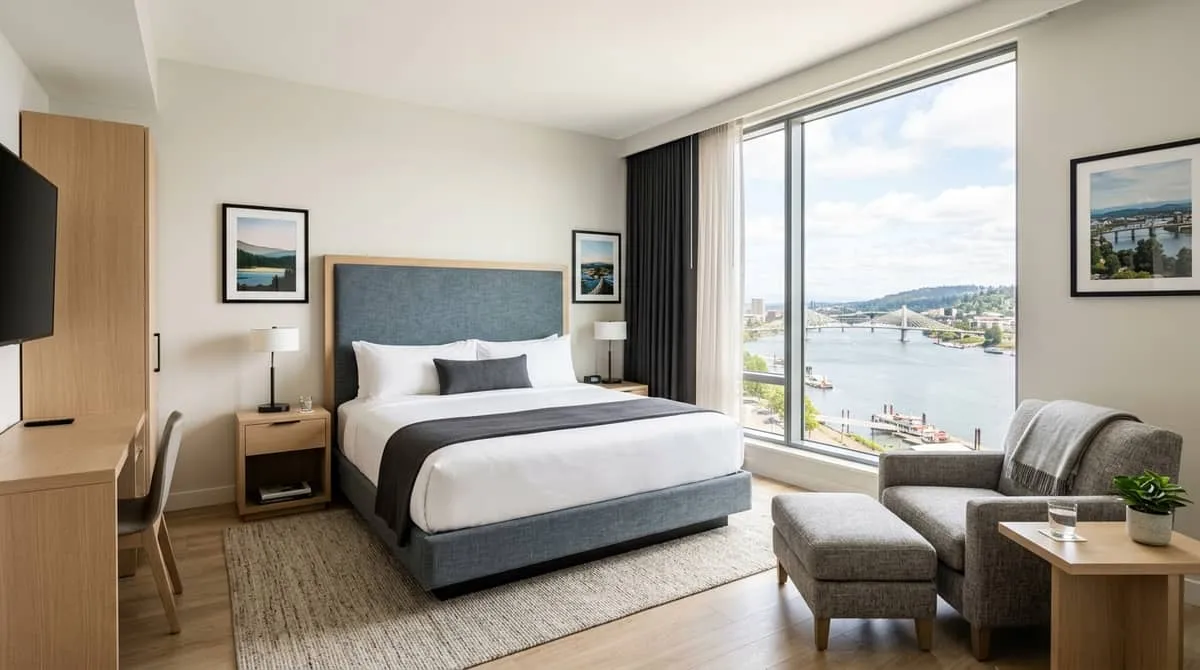
Guestroom Furniture Specifications for Portland Properties
Portland guests have developed a strong preference for interiors that feel locally considered rather than nationally templated. Properties near Powell's Books on Burnside, along NW 23rd Avenue, or tucked into the Alberta Arts District earn their rates in part by feeling like they belong to Portland specifically. That aesthetic preference doesn't mean sacrificing durability it means sourcing contract-grade product that can express a regional design character without the structural compromises of residential or light-commercial alternatives.
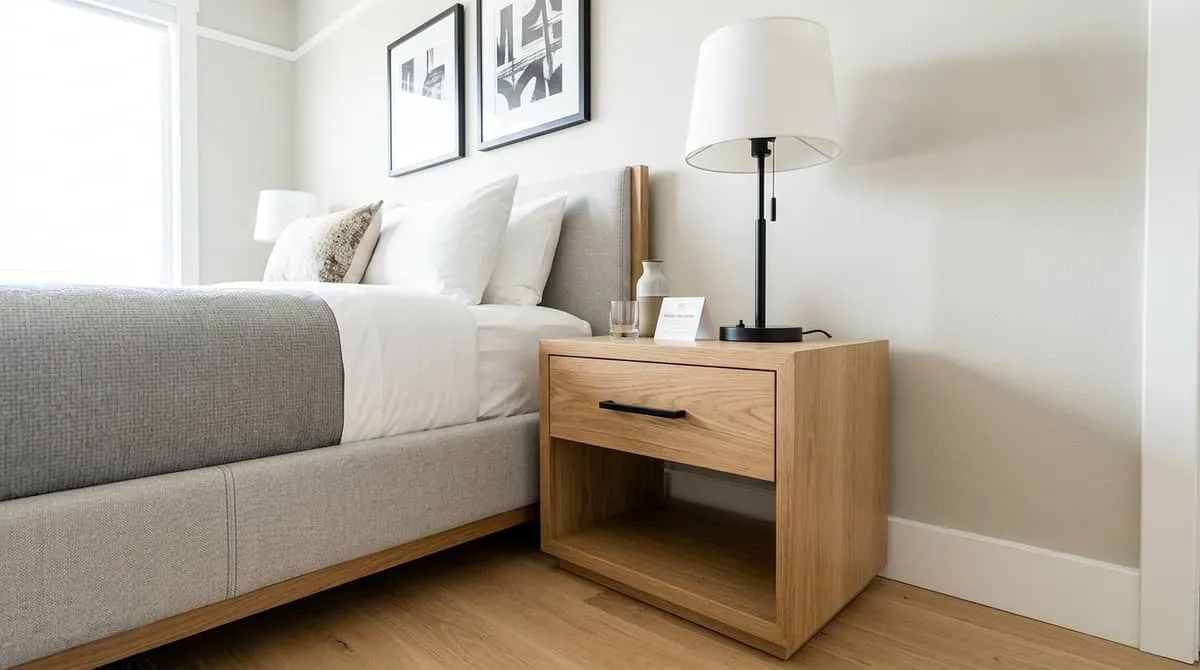
Guestroom casegoods beds, dressers, nightstands, desks need to meet contract-grade construction standards regardless of how they're finished. That means engineered wood cores with hardwood veneer or solid wood faces where visible, drawer slides rated for commercial use cycles, and hardware that resists loosening under the repeated handling that hotel guestrooms experience daily. Finishes in warm walnut tones, matte charcoals, and washed whites perform well across Portland's boutique and lifestyle segments. They read as considered without requiring a custom millwork budget.
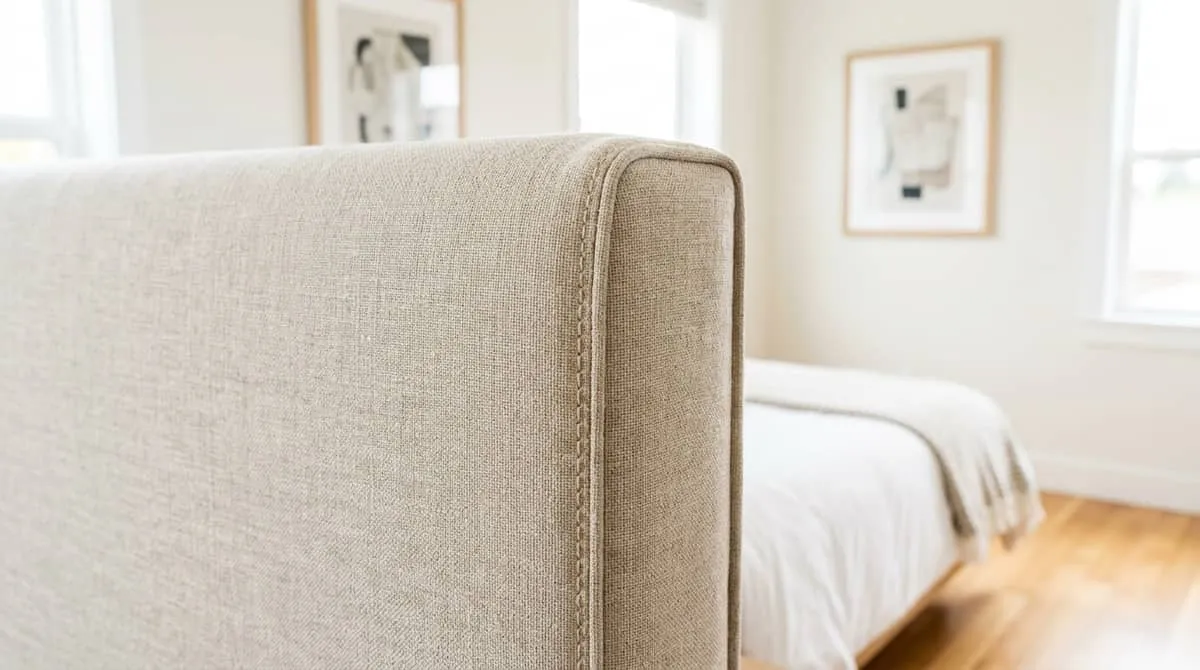
Upholstered pieces headboards, seating benches, occasional chairs need COM-rated fabrics with high rub counts and cleanability specs. Portland's climate, with its rain-driven mud and the general casualness of guests who travel in outdoor gear, means guestroom fabrics get tested harder than properties in drier markets. Specify accordingly. A fabric that works in a Phoenix hotel may not be the right call for a property near the Willamette River waterfront or the forested properties on the west side of the city.
Common Areas: Lobbies, Lounges, and F&B Spaces
Portland hotel common areas have become significant revenue and positioning assets. The lobby-lounge hybrid, where hotel guests and neighborhood regulars coexist over coffee and cocktails, is standard across Pearl District properties and the newer Willamette River developments. That dual-audience use pattern means your lobby furniture needs to work for extended dwell time comfortable enough that a guest spends 90 minutes on a laptop, durable enough that the piece survives that use at scale.
For lounge seating in high-traffic Portland hotel lobbies, look at commercial-grade sectionals and lounge chairs with 8-way hand-tied or sinuous spring construction, high-density foam cushioning rated for commercial use, and removable cushion covers that can be cleaned or replaced without reupholstering the whole piece. Frame construction matters more than it appears to on a product sheet solid hardwood or metal frames outlast particleboard alternatives by years in a lobby context.
F&B spaces within Portland hotels, particularly breakfast areas and casual restaurant concepts adjacent to lobbies, need tables and seating that meet both hospitality durability requirements and the aesthetic expectations of a food-and-beverage context. Table bases should be cast iron or aluminum with leveling glides for Portland's older building stock, where floors are rarely perfectly level. Chair frames should tolerate stacking and outdoor exposure if the space transitions to a covered patio, which many Willamette-adjacent properties do during summer.
Sourcing and Logistics for Portland Procurement
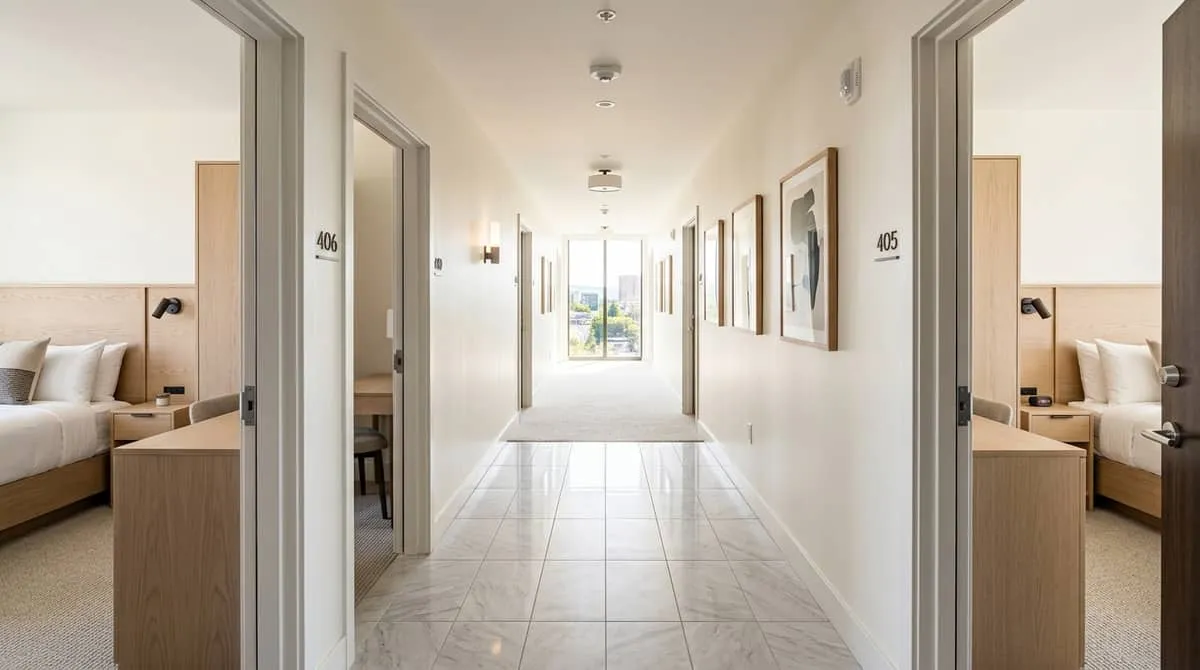
Portland sits at an advantageous point in West Coast logistics. Suppliers operating out of Southern California, the Bay Area, or Seattle can reach Portland facilities efficiently, and the port infrastructure supports container-level imports for larger FF&E procurement projects. That said, Portland's hospitality market has also developed a network of regional suppliers and manufacturers particularly in the Pacific Northwest furniture manufacturing corridor who can offer shorter lead times and lower freight costs for certain product categories.
When evaluating hotel furniture suppliers for a Portland project, get specifics on lead times by product category. In-stock contract seating and casegoods can move quickly. Custom upholstery orders, custom millwork, and imported casegoods in specific finishes will have longer windows. If you're managing a renovation with a fixed re-opening date common for Portland properties working around the convention calendar or repositioning after ownership changes those lead time specifics are critical planning inputs.
Ask for references from comparable Pacific Northwest properties. A supplier who has placed product in Seattle and Portland hotel corridors understands the climate, the aesthetic preferences of the market, and the logistics realities of the region. That regional experience reduces risk on both the spec and the delivery side.
Warranty, Replacement Parts, and Long-Term Support
Contract-grade hotel furniture should come with meaningful warranty terms typically five years on frames, two to three years on upholstery and mechanical components like drawer slides and casters. More importantly, your supplier should be able to commit to replacement part availability for the life of your procurement. A chair with a broken weld or a caster that shears off is not a reason to replace the entire inventory but only if your supplier stocks replacement parts or can source them.
Portland operators running multi-property portfolios benefit from standardizing on supplier relationships that offer both initial procurement and ongoing replacement support. Consistency across properties in a Portland portfolio whether you're running three boutique hotels or a single convention property reduces training burden for housekeeping staff, simplifies procurement records, and makes it easier to rotate furniture between properties as pieces age unevenly.
Evaluate suppliers on this dimension as seriously as you evaluate them on price and product quality. A low-cost supplier who can't support your inventory two years post-purchase is a more expensive option than it appears at the point of sale.
If you are sourcing hotel furniture for your Portland property, the fastest way to real numbers is to tell us what you need. Request a quote with your quantities and timeline.
Related reading
- Commercial hotel furniture: a sourcing guide for every space
- Boutique hotel furniture: specifying a distinctive, durable look
- What is contract furniture
- Commercial furniture vs retail
- Hospitality furniture supplier guide
- Hotel lounge chairs
- Hotel headboards
- Browse full catalog
- Commercial furniture in Oregon
Our take
The portfolio rotation idea this post raises in passing, moving furniture between properties as pieces age unevenly, only works with a discipline the post does not describe: per piece records. Rotation decisions need to know which lobby chairs have absorbed three years of convention season traffic and which have sat in a quieter Alberta Arts property, and that knowledge does not survive in anyone's memory across a multi property portfolio. A simple asset log kept from installation day, recording each piece's finish code, fabric, purchase date, location history, and condition notes, turns rotation from an occasional improvisation into a planned second life for furniture that would otherwise be retired early at one property while its twin sits underused at another. The same log makes the replacement parts commitment the post recommends actually usable, because a warranty claim or parts order moves fastest when the operator can quote the original specification without an archaeology project.
The bottom line: Comprehensive on specification and Pacific Northwest logistics. Portfolio operators should pair its rotation and parts advice with a per piece asset log, which is what makes both practices workable years in.