What Boutique Hotel Furniture Means in Portland's Market
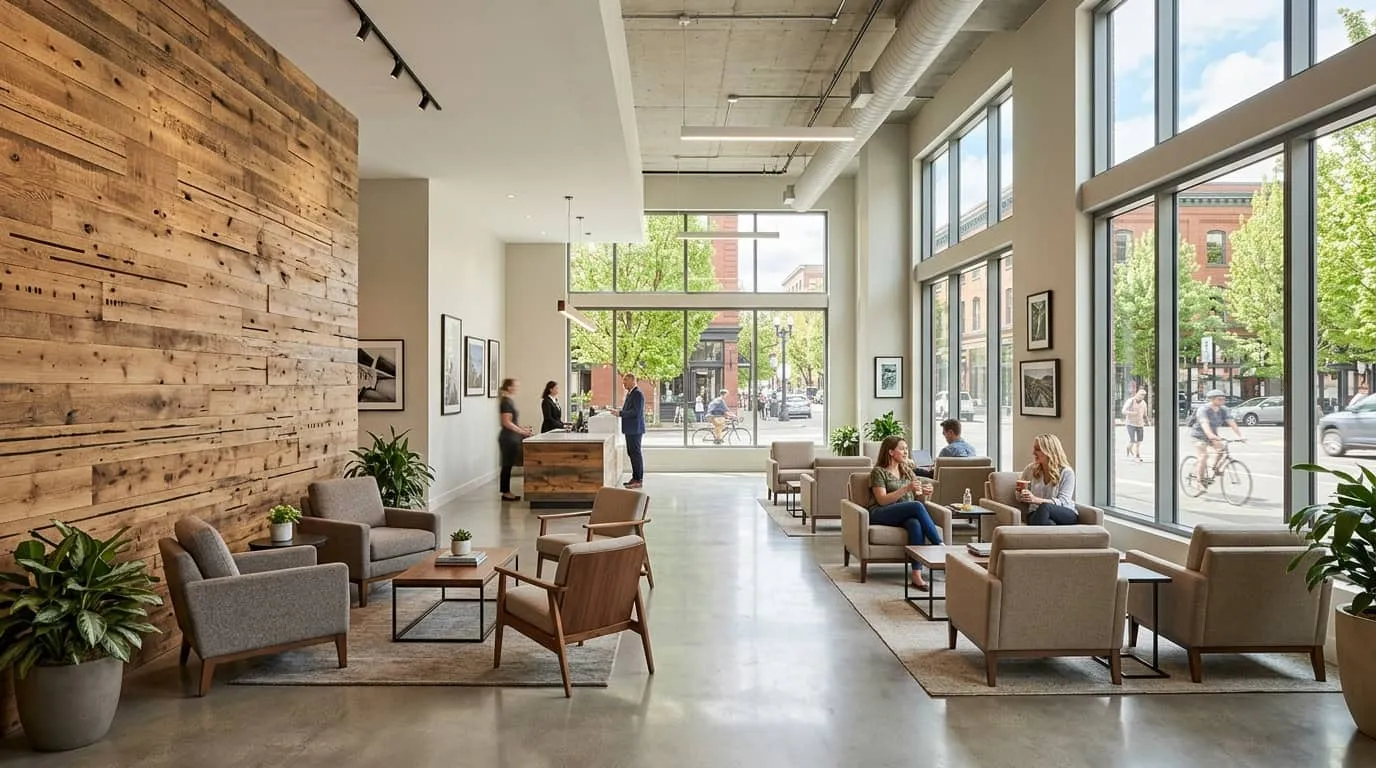
Portland's boutique hotel segment is competitive in a way that national brand hotels aren't. Without the loyalty program infrastructure and corporate account base that drive consistent occupancy for branded properties, boutique hotels earn their rates through the experience they create. The interior is a core part of the product guests choose a Pearl District boutique hotel over a national brand property at a comparable price because the room, the lobby, and the overall atmosphere feel like they're worth the choice.
That means furniture isn't an afterthought for Portland boutique operators it's a strategic investment. And it means the commercial-grade discipline that any hospitality operator needs durability, performance over time, warranty support has to coexist with genuine design specificity. You can't compromise on either dimension and remain competitive.
The challenge is that these two requirements pull in different directions when procurement is handled poorly. Prioritizing design leads operators toward retail or light-commercial product that looks right but fails under commercial use. Prioritizing cost or availability leads operators toward contract-grade product that holds up but reads as generic. The operators who navigate this correctly are working with suppliers who can deliver both commercial construction in custom or design-forward finishes.
Guestroom Design and Durability for Portland Boutique Properties
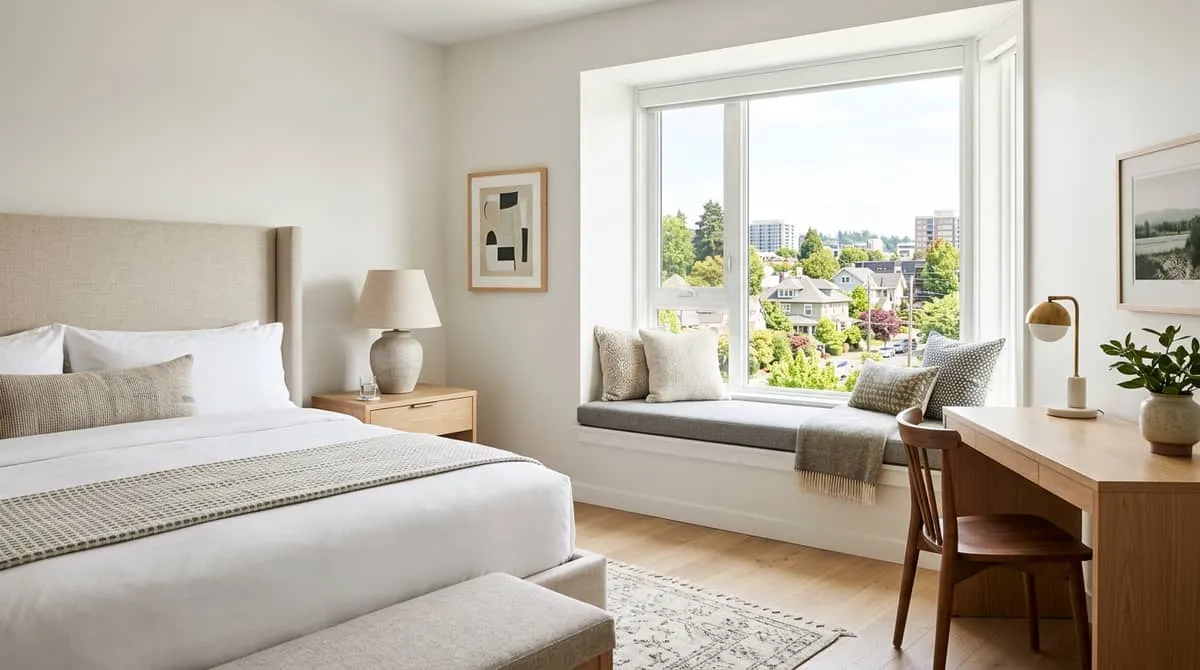
Portland boutique hotel guestrooms typically lean into the city's aesthetic identity warm wood tones, honest materials, a Pacific Northwest sensibility that distinguishes the property from the coastal California and Pacific Rim design languages that dominate regional boutique hotel design. Properties near Powell's Books, along the Willamette River, and in the Pearl District's converted industrial buildings have physical characteristics exposed concrete, timber elements, large industrial windows that shape what furniture fits.
Casegoods for these guestrooms need to feel considered without requiring custom millwork budgets that push the project out of financial viability. Contract-grade casegoods in white oak veneer with matte lacquer details, walnut with brushed metal hardware, or painted finishes with natural wood accents can all hit the visual brief for Portland's boutique segment while meeting the construction standards that commercial guestroom service requires.
Frame construction in engineered wood cores with hardwood veneer faces outperforms solid wood for stability in the Pacific Northwest's humidity variation. Drawer slides rated for 100,000+ cycles, full-extension on nightstand and dresser drawers, and undermount mounting that avoids the side-mounted slide exposure common in retail furniture are the practical specifications that separate commercial casegoods from residential alternatives that look similar on a website.
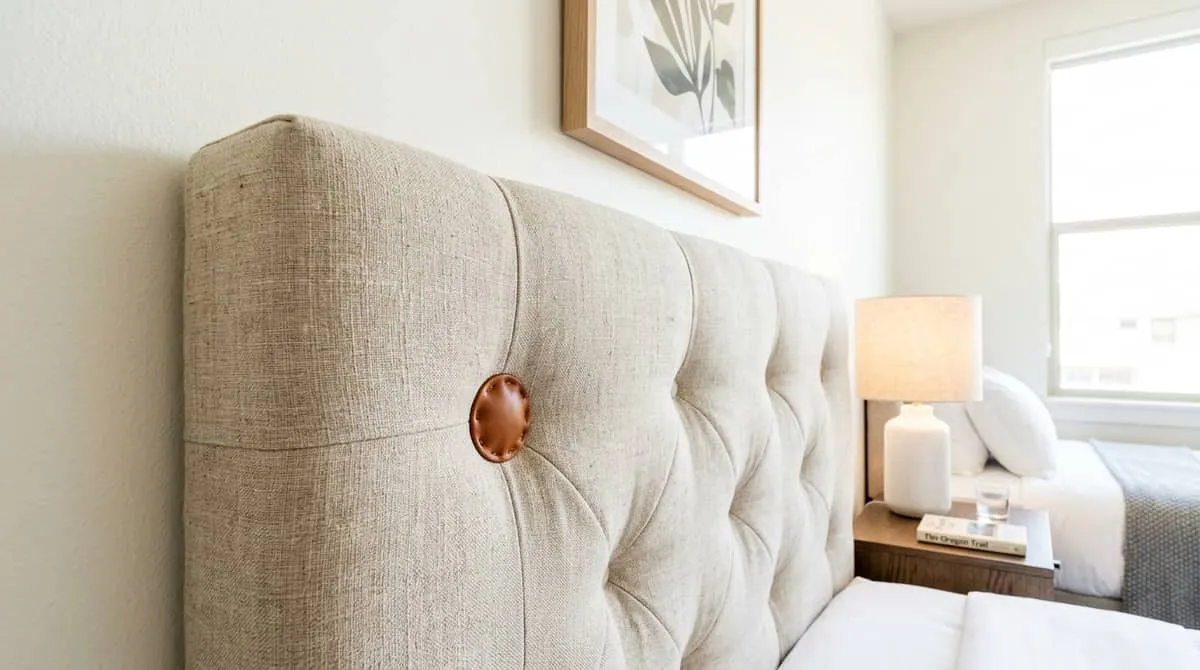
Beds and headboards carry the most visual weight in a boutique hotel guestroom. Upholstered headboards in contract-grade fabrics or genuine leather give Portland boutique operators the warmth and texture that their design brief typically calls for. Specify platform bases with metal slat systems rather than box springs they're more durable, don't require matching, and work with the contemporary aesthetic that most Portland boutique properties are pursuing.
Lobby and Common Area Furniture for Portland Boutique Hotels
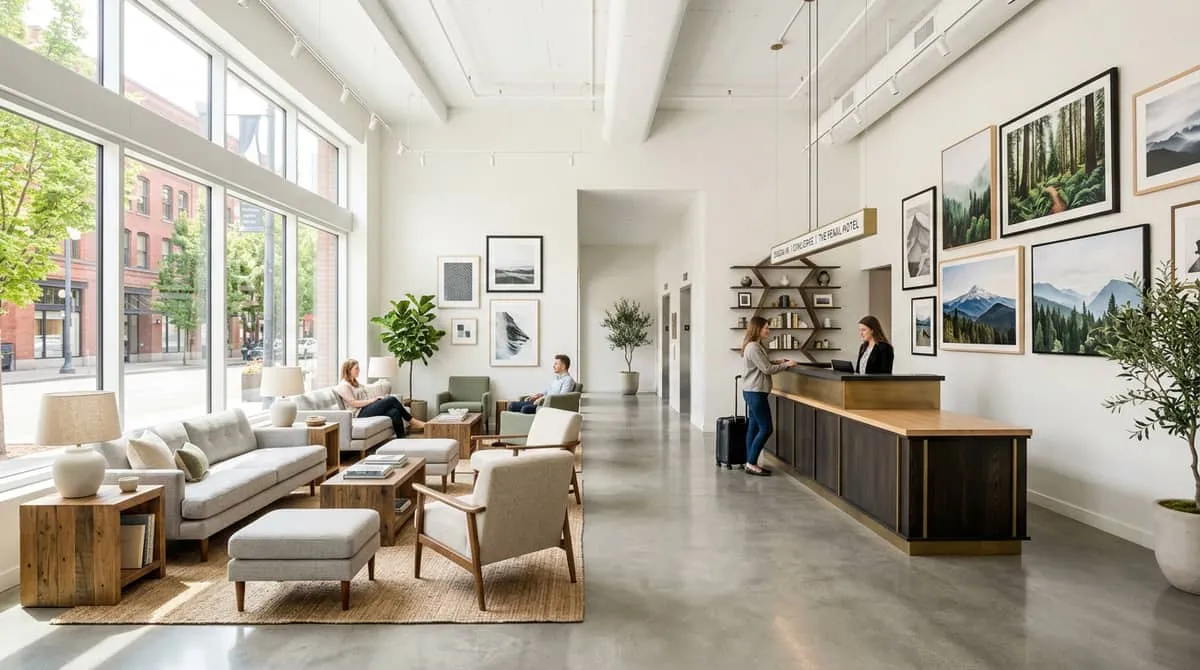
Portland boutique hotel lobbies have increasingly become neighborhood gathering spaces coffee shops that happen to have a front desk, or craft cocktail bars that happen to have room keys. Properties near the Alberta Arts District and along NW 23rd Avenue have built real neighborhood community around their lobby spaces, which means those spaces are running higher foot traffic and longer dwell times than a traditional hotel lobby.
That use pattern requires furniture that performs in a quasi-public environment without losing the residential warmth that makes the space worth inhabiting. The specification answer is commercial-grade product in materials and configurations that feel domestic without being fragile.
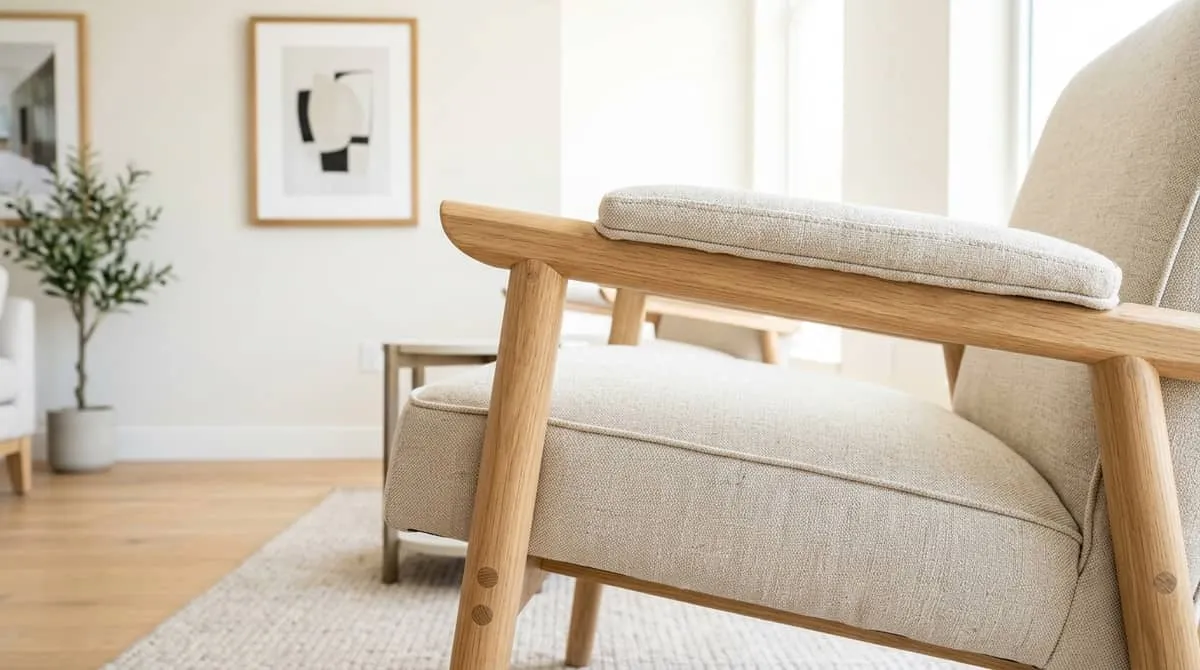
Upholstered lounge chairs and sofas for Portland boutique hotel lobbies should use high-resiliency foam rated for commercial use, solid hardwood or welded metal frames, and cover materials with rub counts above 30,000 (the typical threshold for commercial seating). Tight-back upholstery in soft wovens and leathers performs particularly well in these environments it looks residential but holds up to commercial contact rates.
Coffee tables, accent tables, and side tables in these spaces should be specified with solid or engineered stone tops where budget allows the weight and durability are practical advantages in a high-traffic lobby or in commercial-laminate tops that match your wood finish direction without the maintenance demands of real wood surfaces. Base materials should be welded metal or solid hardwood, not particle-core construction.
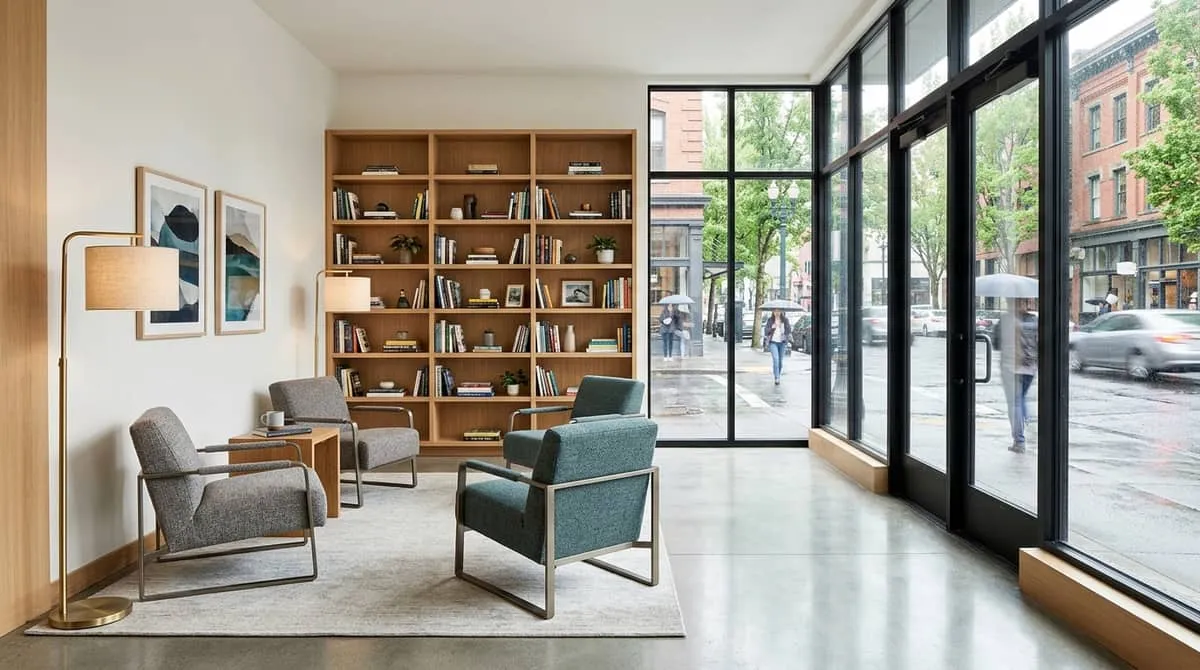
If your lobby incorporates a library area common in Pearl District and Powell's Books-adjacent boutique properties that play to Portland's literary culture shelving units and display furniture need to be wall-anchored per Oregon seismic code. Confirm this with your general contractor before furniture installation.
Rooftop and Outdoor Spaces
Portland's boutique hotel rooftop and outdoor space market has grown significantly, driven by demand from guests and locals for experiences that take advantage of mountain views and the Willamette River corridor. Properties with rooftop access particularly those with sightlines toward Mount Hood or the city skyline have developed these spaces into meaningful revenue sources.
Outdoor furniture for Portland boutique hotel rooftops needs to be selected for Pacific Northwest climate conditions: wet winters, moderate summers, and the UV exposure that comes with elevation. Powder-coated aluminum frames are the practical specification for all-season outdoor furniture in this climate. They don't rust, they're light enough for reconfiguration when programming shifts, and they're available in finish options matte black, warm bronze, anthracite that work with the design aesthetic of Portland boutique properties without looking like resort furniture dropped into an urban context.
Cushion materials for outdoor lounge furniture need to be rated for outdoor UV and moisture exposure. Solution-dyed acrylic fabrics (Sunbrella and equivalent) are the industry standard. They hold color under UV exposure where other fabrics fade, and they dry rapidly after exposure to Portland's rain. Specify cushions with drainage holes and covers for storage when the property closes the rooftop for winter.
Weight loads on rooftop decks vary by building and permit. Before specifying outdoor furniture for a Portland boutique hotel rooftop, confirm the live load rating with your structural engineer. Some older Portland buildings with converted rooftop spaces have load limitations that affect furniture density.
Procurement Strategy for Boutique Hotel Projects
Boutique hotel furniture procurement differs from large hotel FF&E projects in important ways. The design specificity is higher, the quantities per SKU are smaller, and the procurement timeline is often compressed by smaller project teams and tighter construction schedules. These factors require a supplier relationship built on responsiveness and flexibility alongside the commercial performance standards that any hospitality project demands.
Work with suppliers who have specific experience in boutique hotel projects, not just large hotel FF&E procurement. The former requires the ability to execute on small custom orders with precision; the latter optimizes for volume and repeatability. Those are different capabilities, and the supplier who excels at one doesn't necessarily excel at the other.
For Portland boutique properties specifically, local and regional suppliers with Pacific Northwest design knowledge and established logistics relationships in the Oregon market offer practical advantages faster response on site visits, better knowledge of Portland building characteristics, and established freight relationships that reduce delivery complications in the city's older building stock.
Budget for 15 to 20 percent above your initial furniture estimate when working on a boutique hotel specification with custom elements. That buffer absorbs the design iterations and specification refinements that are normal in boutique projects without forcing you into compromises that undermine the design brief.
Every Portland venue has its own volume, layout, and turnaround demands, and boutique hotel furniture pricing follows from those specifics. Request a quote and we will scope it to your project.