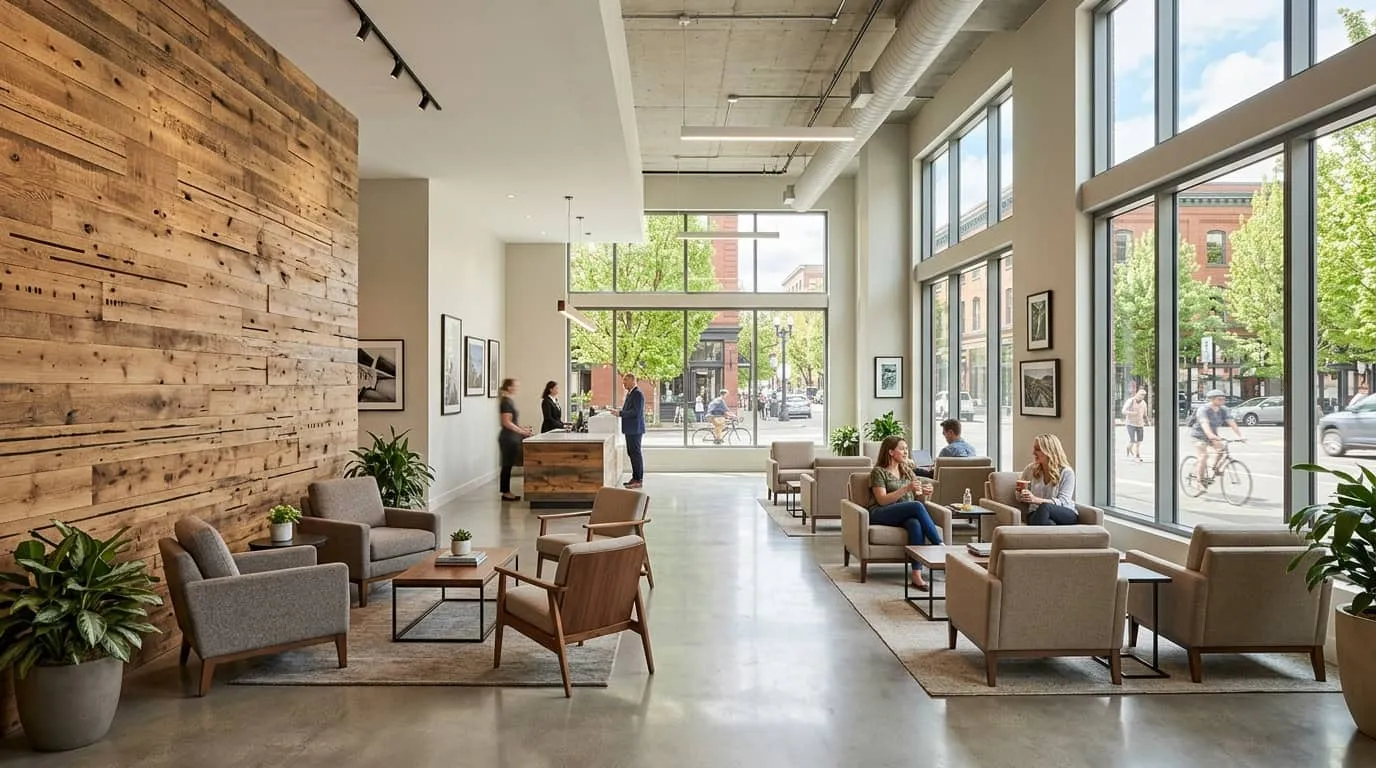
Portland's Bar and Lounge Market
Portland's bar and lounge scene is one of the defining elements of the city's hospitality identity. The cocktail bar culture that developed in the Pearl District and has spread through neighborhoods from Alberta Arts District to NW 23rd Avenue has set design expectations that go well beyond functional seating. Guests at Portland's better lounge concepts are making aesthetic judgments alongside experiential ones the furniture is part of what makes the space feel worth the tab.
That raises the stakes for operators. A bar stool that reads as generic hotel-supply against the hand-built back bar and the curated spirits selection undermines the concept. A lounge chair that starts showing wear on the armrests six months after opening sends a message about how much the operator cares about the space. Getting the furniture specification right is a design decision and an operations decision simultaneously.
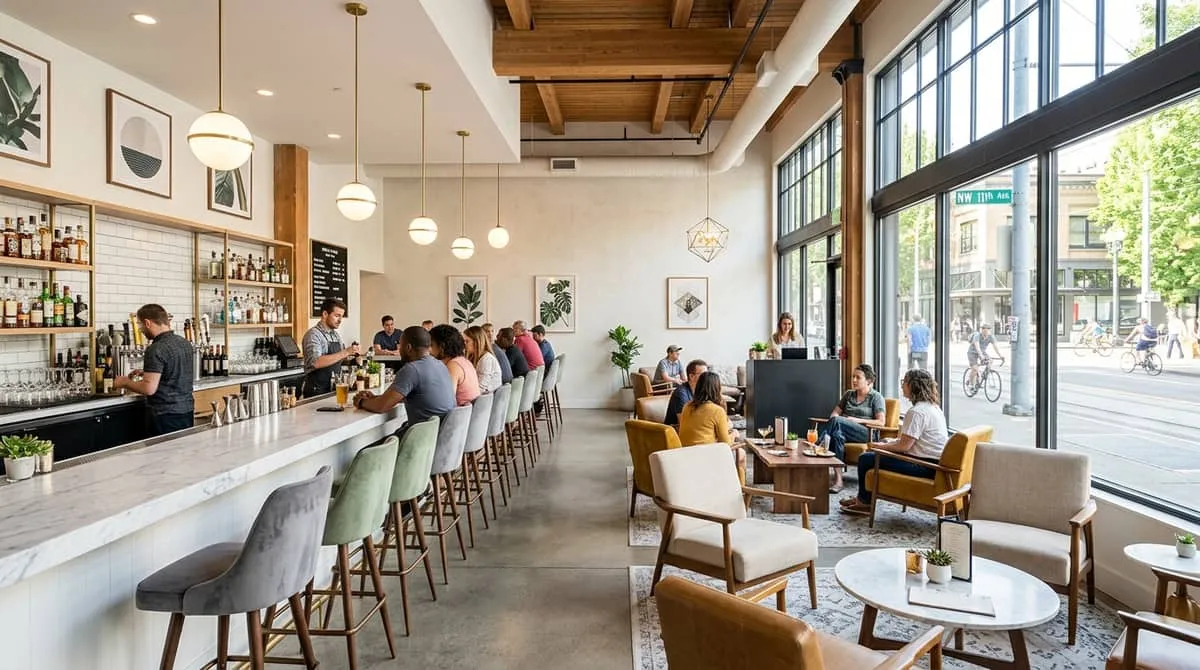
The commercial-grade distinction matters here as much as it does in any hospitality context, maybe more. Bar stools and lounge chairs in a high-volume Portland bar take more sustained contact pressure, more spill exposure, and more rough handling than almost any other furniture category. Residential or light-commercial product fails visibly and quickly in that environment. Contract-grade product, specified correctly for bar and lounge use, holds.
Bar Stools: Specification for Portland Bar Environments
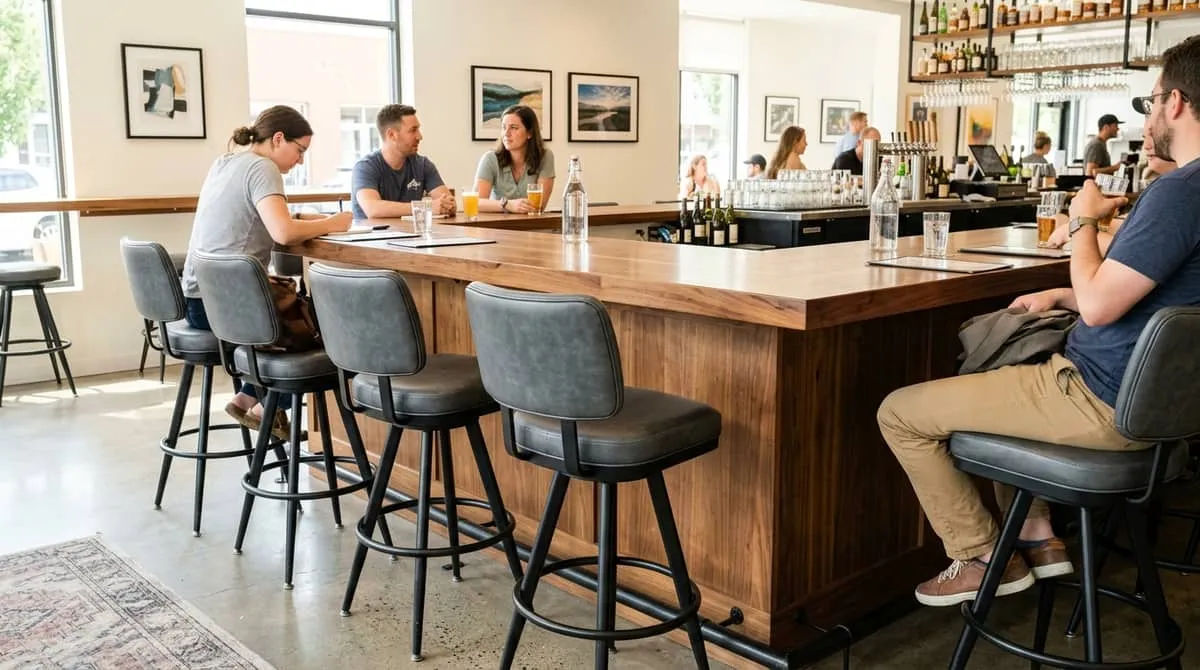
Bar stool specification is one of the areas where operators consistently undersell themselves by cutting corners. The stool is the most-touched piece of furniture in a bar guests sit down, shift, lean back, spin, and get up dozens of times per service. A stool that wasn't built for that use pattern starts showing failure within a year: wobbling bases, loosening upholstery, worn footrests.
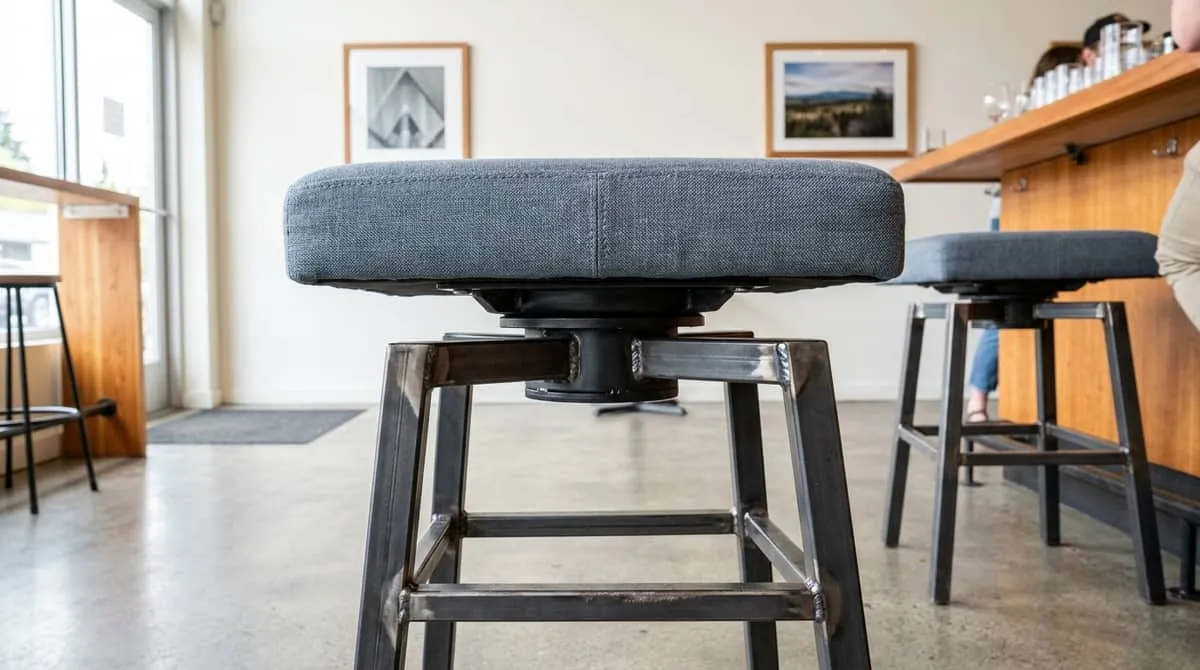
Contract-grade bar stools for Portland venues should meet ANSI/BIFMA standards for seating durability. That means fully welded metal frames or mortise-and-tenon wood joinery with no reliance on hardware-fastened joints for structural integrity. Footrest sections the highest-wear component on any stool need a finish treatment that anticipates constant contact and friction, whether that's a wrapped metal tube, a turned hardwood cylinder with a durable finish, or a replaceable footrest pad.
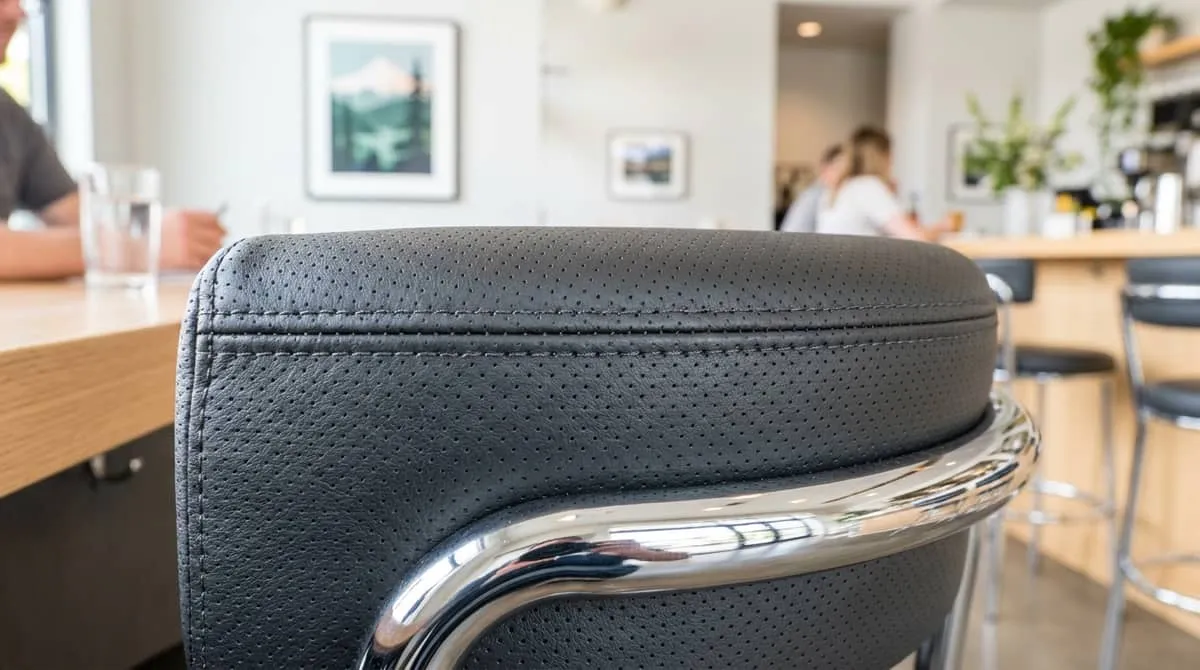
Seat materials for Portland bar stools span a wide range of aesthetic options, all of which can be specified in commercial grade. Solid wood seats in white oak or walnut work visually across Portland's range of bar aesthetics and are durable under bar conditions without upholstery maintenance requirements. Upholstered seats in contract-grade vinyl or high-rub-count woven fabrics offer comfort for extended dwell time. Molded plastic seats in period-appropriate forms work well in more casual concepts and survive spills without any maintenance concern.
Swivel mechanisms on bar stools should be rated for commercial use and come with a warranty that covers the mechanism specifically. A swivel failure on a 30-seat bar counts program represents real replacement cost. Verify the mechanism rating before specifying.
Lounge Seating for Portland Hotel Bars and Destination Lounges
Portland's hotel bar and lounge segment the Pearl District lifestyle hotels, the newer Willamette River waterfront developments, and the boutique properties near Powell's Books has moved strongly toward lobby-lounge formats where the bar is integrated into a broader seating environment. Guests drift between bar stools, low lounge chairs, and banquette seating over the course of an evening. That variety of seating types requires a furniture specification that holds visual coherence across different product forms while meeting commercial durability standards across all of them.
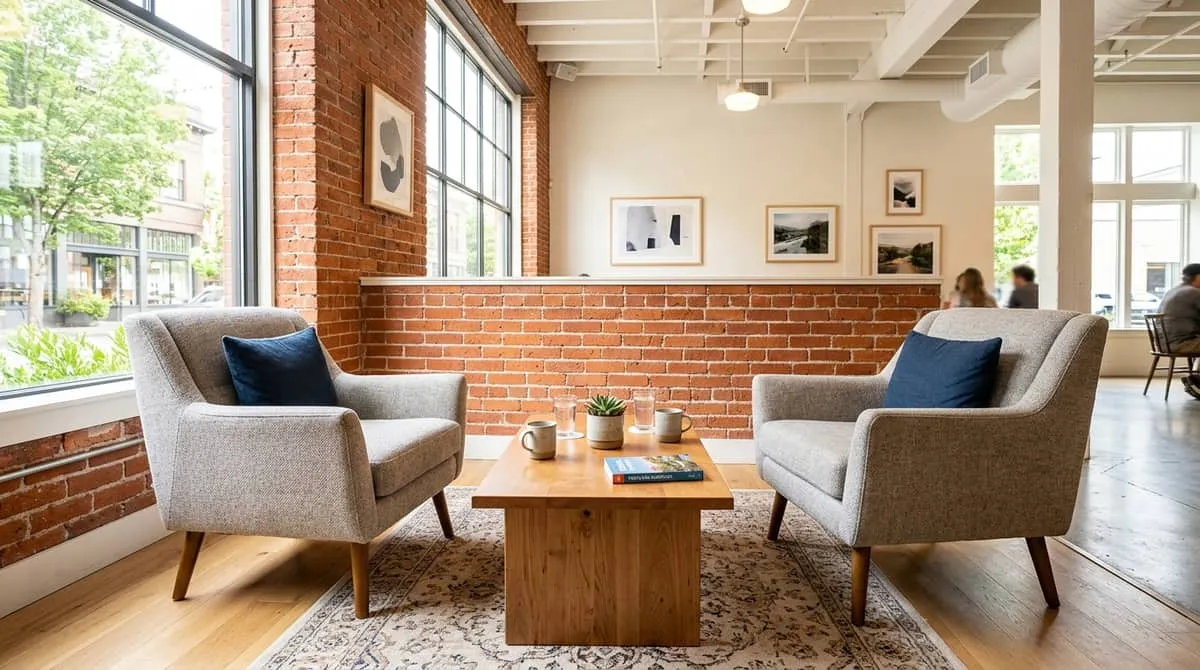
Low lounge chairs for hotel bar environments need to be specced for extended dwell time guests aren't sitting for 45-minute dinner turns, they're occupying seats for two to three hours. That changes the comfort specification. High-resiliency foam cushioning with a density rating appropriate for commercial use (typically 1.8 lb/ft³ or higher for seat cushions) holds its shape through long-duration use where lower-density foams compress and bottom out.
Frame construction for upholstered lounge chairs and sofas in commercial bar environments should be solid hardwood or metal. Particleboard and plywood frames, common in retail furniture, compress and crack at joint points when subjected to the lateral forces that lounge seating experiences as guests get in and out repeatedly. The failure mode isn't always visible immediately it shows up as a slight rocking or softness in the frame before the piece looks damaged.
Cover materials for lounge seating in Portland bar environments need cleanability as a primary specification criterion. Spills happen. How easily the cover material recovers from a wine or cocktail spill without requiring reupholstery determines your actual maintenance cost over the life of the piece. Contract vinyl and solution-dyed fabrics rated for wet cleaning outperform most other options on this dimension.
Banquette and Built-In Seating Coordination
Many of Portland's bar and lounge concepts incorporate built-in banquette seating continuous upholstered wall benches that define the perimeter of the space and create intimate seating zones without the footprint of individual chairs. Banquettes are a design and operational efficiency tool: they seat more guests per square foot than tables with chairs on all sides, and they create a visual warmth and enclosure that freestanding seating can't replicate in the same way.
If your Portland bar concept includes banquette seating, coordinate your freestanding furniture specification with the banquette design early. Table heights need to match the banquette seat height typically 17 to 18 inches from floor to seat top and the table base clearance under the banquette overhang needs to be confirmed before fabrication. These are dimensions that get missed when furniture procurement and millwork are managed as separate workstreams.
Banquette upholstery should be specified in the same material family as your freestanding lounge and bar seating. Consistency in fabric tone and texture reads as considered design; mismatched materials that happened because banquette and furniture were procured separately reads as an oversight.
Reupholstery access is worth planning for at the construction stage. Banquettes with accessible seat pan fastening where the upholstered component can be removed and reupholstered without rebuilding the structural box reduce the long-term maintenance cost substantially.
Procurement for Bar and Lounge Projects
Bar and lounge furniture projects in Portland often involve the tightest design oversight of any hospitality category. The operator and their designer typically have strong visual intent and aren't willing to accept substitutions that compromise the aesthetic. That's a reasonable position, but it has procurement implications: custom specifications require longer lead times and higher minimum orders than in-stock product.
Plan the procurement timeline working backward from your opening date, not forward from your design completion. If you're targeting a fall opening to catch the Portland indoor hospitality season, a June design sign-off gives you a workable window for most custom specifications. A September sign-off does not.
Work with suppliers who have specific experience in bar and lounge seating not just general commercial furniture supply. The performance requirements for high-volume bar environments are specific enough that general commercial suppliers sometimes underspec for the use case. Ask for product references in Portland or Pacific Northwest bar and lounge contexts, and physically inspect those references if possible before committing your inventory budget.
Planning bar and lounge furniture for your Portland project? Share your specs and quantities and we will build pricing around your actual program. Request a quote to get numbers for your space.