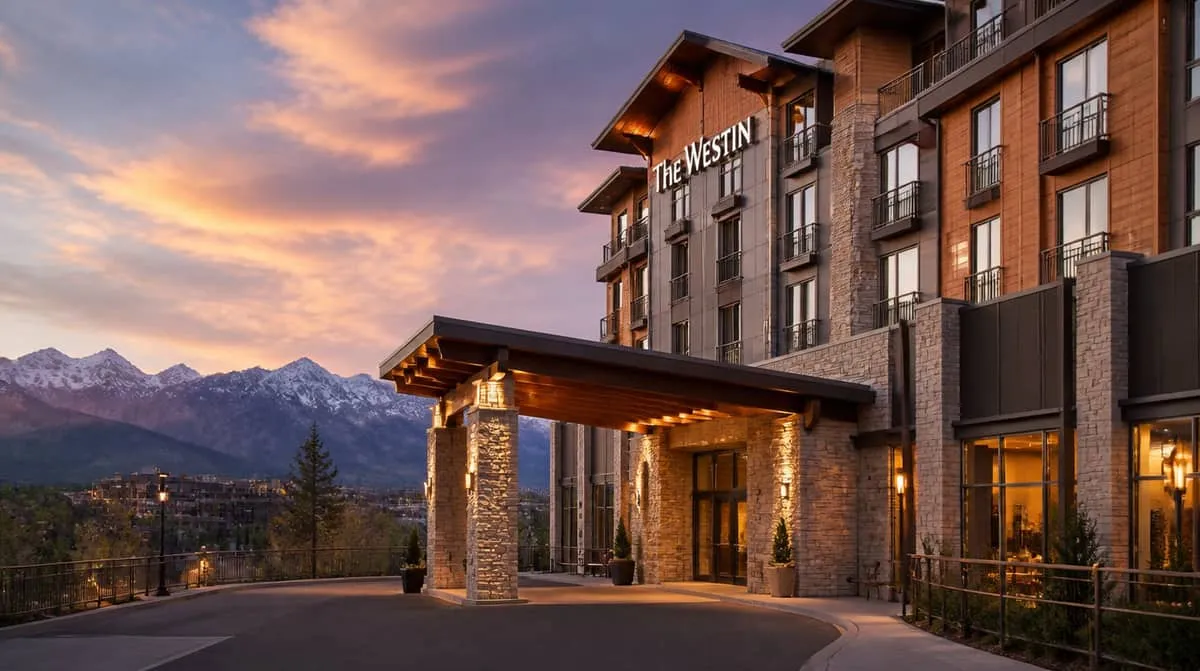
FF&E procurement, the furniture, fixtures, and equipment budgeting and purchasing process that sits at the center of every hotel opening or renovation, is where the difference between a successful project and a troubled one often gets determined. It's not the most visible part of a hotel development, but decisions made poorly in the FF&E process, whether in spec selection, supplier vetting, or timeline management, show up as problems that operators live with for years. Denver's hotel market, which has been in a sustained development and renovation cycle driven by ski gateway demand, tech sector growth, and the Colorado Convention Center's pull, has created a procurement environment where getting FF&E right is both more important and more complicated than it might be in a more static market.
The mountain-modern aesthetic that has become Denver's design signature creates specific procurement challenges that a supplier experienced only in, say, southeastern US hotel markets may not navigate well. Sourcing warm wood case goods in natural finishes, upholstered pieces in performance leather and textured linen, and metal elements in brushed bronze and blackened finishes at commercial contract specification requires manufacturer relationships and product knowledge that a general commercial furniture catalog doesn't automatically provide.
Budget Structure and Where FF&E Money Goes in Denver Hotels
A typical Denver hotel FF&E budget allocates the largest share to guestroom case goods and soft goods, followed by public space seating and tables, then food and beverage outlet furniture, with the balance to fixtures, lighting, and equipment. The exact percentages vary by property type, but guestroom case goods consistently represent the biggest line item because of the multiplier effect: every dollar per room in the guestroom program gets multiplied by the room count.
Headboards are often where Denver hotel operators spend more than the national average because the upholstered headboard is such a dominant element of the mountain-modern guestroom aesthetic. A well-specified upholstered headboard in performance leather or textured linen, in the warm neutral tones that the Denver market has converged on, is a significant quality signal to guests and worth the investment. The construction quality, proper internal frame, correctly specified foam backing, and quality upholstery application, is where the difference between a headboard that holds up for seven years and one that starts showing wear within two years gets determined.
Nightstands and case goods are the second major guestroom line item in Denver hotel FF&E budgets. The mountain-modern case goods palette requires warm wood tones, which means either solid wood construction or quality wood-grain veneer with appropriate edge detail and hardware. Contract-grade case goods use construction methods, dovetail or dowel joinery, commercial-grade laminate, solid edge banding, that hold up through years of daily housekeeping cleaning and guest use. Retail-crossover product in similar aesthetics looks comparable at spec time but fails in ways that are clearly visible within 18 to 24 months of opening.

Lead Time Management in Denver's Active Construction Market
Denver's construction and renovation pipeline has been active enough in recent years that lead times from commercial furniture manufacturers are a genuine project risk. Lead times for custom upholstery programs, 16 to 20 weeks from order to delivery, and for case goods with specific finish and hardware selections, 14 to 18 weeks, mean that an FF&E order placed too late will push a property's opening date or force the use of in-stock product that wasn't the first-choice specification.
The discipline required to order FF&E at the right time in a hotel development or renovation project requires close coordination between the owner, the general contractor, the interior designer, and the furniture supplier. Furniture can't be delivered too early, because it will sit on a job site and be damaged or stolen, but ordering too late is a risk that has real financial consequences. A supplier with experience in the Denver market will give you honest, current guidance on lead times from specific manufacturers, not optimistic estimates that reflect ideal factory conditions rather than actual current production schedules.
For renovation projects, the lead time discipline is more complicated because the furniture program often needs to coordinate with room turnover rather than a single opening date. A Denver hotel doing a phased renovation across 150 rooms while maintaining occupancy needs a supplier who can hold inventory, deliver in coordinated phases, and work with the renovation schedule rather than defaulting to a single large delivery that doesn't fit the project's operational realities.
Supplier Qualification for Denver FF&E Projects
Not all commercial furniture suppliers are equipped to handle a Denver hotel FF&E project well. The questions worth asking before committing to a supplier include: Can they source across the mountain-modern aesthetic palette without defaulting to generic hospitality product? Do they have manufacturer relationships that give them honest lead time information? Can they manage phased delivery for renovation projects? And do they have experience coordinating with Denver-area general contractors and interior designers?
Lounge chairs for public spaces, nightstands for guestrooms, and headboards for beds are the pieces where the quality difference between a well-specified FF&E program and a poorly specified one is most immediately visible to guests. Getting these right requires a supplier who can source quality product across the mountain-modern spectrum and who understands what contract specification means in practice.
Commercial Furniture Depot works with hotel developers and operators across the Denver market on FF&E programs ranging from boutique independents in LoDo and RiNo to full-service convention-adjacent properties downtown. The combination of product depth, manufacturer relationships, and local market knowledge is the practical foundation for FF&E procurement that produces both better design outcomes and better financial results over the ownership horizon.
FF&E Logistics and Installation in Denver
Denver hotel operators searching for FF&E movers are usually describing a real gap: someone has to coordinate delivery, receiving, and install sequencing across a construction schedule that rarely holds still. That work is procurement coordination, not moving service, and the distinction matters for how you should scope it. A furniture supplier managing FF&E logistics arranges freight consolidation from multiple manufacturers, schedules receiving so pieces land after the site is dust-free and secure, and sequences installation room by room, or phase by phase on a renovation, so crews aren't waiting on missing pieces or working around finished rooms that still need furniture staged.
Warehousing is the piece that saves a Denver project from its own timeline. Custom case goods and upholstery ordered 14 to 18 weeks out do not always align with a construction completion date that shifts, so a supplier who can receive, inspect, and hold inventory until the site is ready protects both the furniture and the schedule. Altitude and dry-climate storage conditions also matter for wood case goods; product held in a controlled warehouse arrives in better condition than product staged on an active job site.
For a full-service Denver property, install sequencing typically runs guest room floors first in blocks, then public space and food and beverage furniture once flooring and millwork are complete. Coordinating that sequence with the general contractor, not around them, is what keeps an FF&E program from becoming the reason an opening date slips.
The distinction between FF&E movers and long-haul freight carriers becomes concrete once product actually lands in Denver. Freight carriers deliver pallets to a dock or terminal near the I-70 and I-25 interchange, the route most commercial furniture takes reaching the metro from air cargo facilities near Denver International Airport or from over-the-road terminals closer in. From there, FF&E movers and dedicated install crews take over: unloading, checking for transit damage, staging by floor, and carrying pieces into finished guestrooms or public spaces, work that has more in common with skilled installation than with relocation moving. Denver's position as a mountain gateway adds a seasonal wrinkle flatter markets skip entirely. Winter storms along I-70 toward the ski corridor can back up regional freight even for shipments that never leave the metro, so a Denver installation calendar should carry extra buffer between November and March. Commercial Furniture Depot's role stays on the supplier side of that line, matching freight carriers and installation crews to your construction timeline through vetted logistics partners rather than a generic delivery schedule. More detail lives in our FF&E movers guide and in the fuller FF&E logistics and installation breakdown.
If you are sourcing FF&E for your Denver property, the fastest way to real numbers is to tell us what you need. Request a quote with your quantities and timeline.