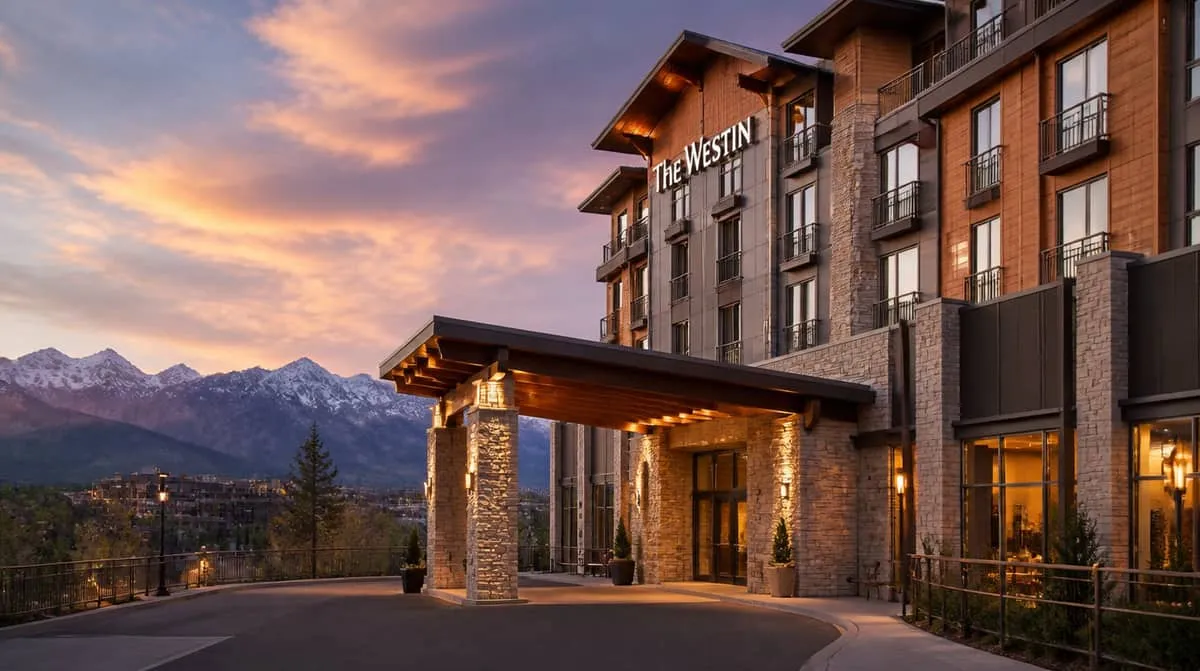
Denver's relationship to bars and lounges is not incidental to its identity. The city that became the craft beer capital of America has a bar culture that is serious, high-volume, and deeply embedded in how residents and visitors spend their time. The bar corridor along Larimer Street in LoDo, the rooftop bars with mountain views that have become one of Denver's signature hospitality formats, the craft brewery taprooms that now operate across every Denver neighborhood, and the hotel bars along Union Station that draw both guests and local regulars, all of these represent a bar and lounge furniture market with real commercial demands and real design expectations.
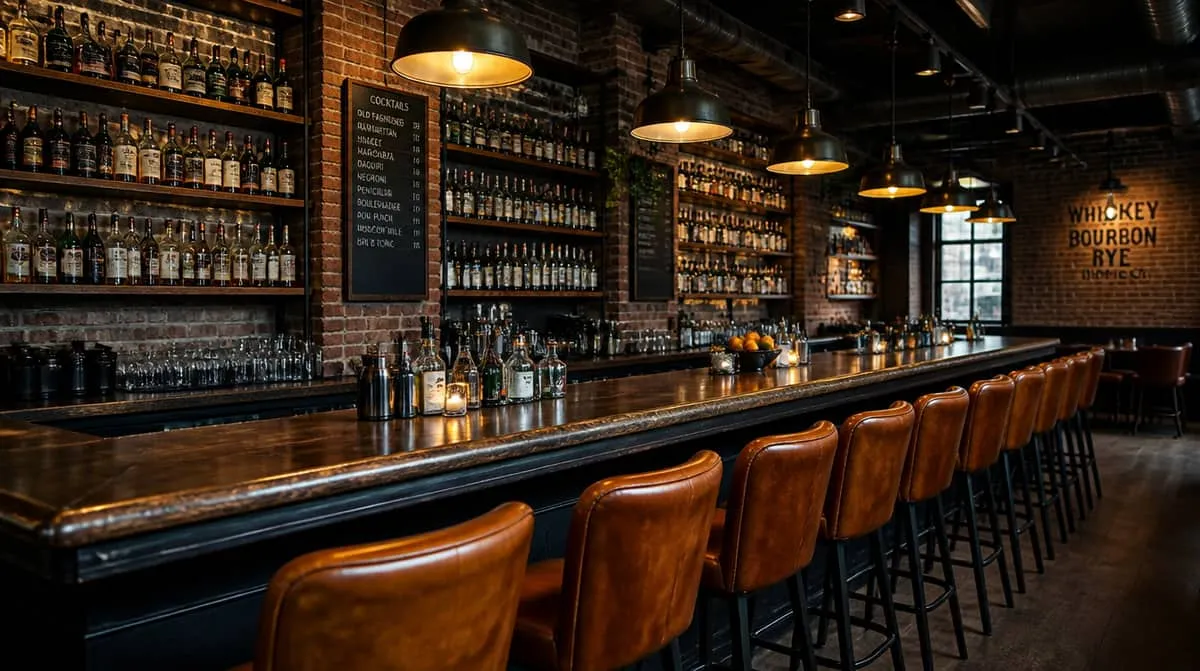
The design aesthetic that Denver's best bars have settled into is worth understanding before you start specifying furniture. Mountain-modern applies here as it does across Denver's hospitality market, but bars and lounges push certain elements of that vocabulary harder. Warm leather, heavy wood tops, brushed and blackened metal, tactile woven textiles at booth backs and banquette seating, these are the material moves that give Denver bar interiors their specific character. A bar that gets this right signals authenticity to the Denver guest. One that defaults to generic commercial bar furniture, slick synthetic surfaces, bright chrome, lightweight frames, signals a lack of investment that reads immediately in a market where the visual competition is high.
Bar Seating Specifications That Hold Up
Barstools are the highest-stress piece of commercial furniture in any bar environment, and Denver's high-volume bar scene makes this doubly true. The failure modes for barstools in a busy Denver bar are predictable: swivel mechanisms that wear out and develop lateral play, footrests that loosen and separate from legs after constant use as guests stand on the bottom rung, seat upholstery that wears through at the front edge where guests slide on and off, and frame welds that develop cracks under the repeated stress of heavy use.
Contract-grade barstools for Denver's bar market need swivel mechanisms rated specifically for commercial use, with sealed bearings rather than open ball bearings that accumulate debris and lose function. The footrest construction should be welded, not bolted, with footrest tubing heavy enough that it doesn't flex under repeated weight-bearing. Seat upholstery at a bar needs to be vinyl or performance fabric with genuine abrasion and moisture resistance, not residential-grade upholstery that degrades rapidly under bar conditions.
Height consistency matters more than operators often realize. A bar counter built to a specific height needs barstools sized to that counter, with seat heights that position guests at a comfortable relation to the bar top. Mixing bar heights and counter heights creates an ergonomic mismatch that guests feel in their shoulders and wrists within an hour of sitting down, and the bar that makes its guests physically uncomfortable is not the bar they come back to.
Lounge and Booth Seating for Denver Bar Environments
Denver's bar and lounge interiors increasingly incorporate significant amounts of lounge seating alongside the bar counter itself. Lounge chairs and low seating clusters, anchored by cocktail tables, are the social format that a large portion of bar guests prefer, particularly in the hotel lounge and craft cocktail bar segment that has grown significantly in Denver's LoDo and Cherry Creek neighborhoods.
Commercial lounge seating for bar environments needs to be specified differently than lobby or guestroom lounge seating, because the use patterns are different. Bar lounge guests make frequent postural adjustments, lean forward over cocktail tables, and often stay for several hours. The seat depth and foam density need to support comfortable upright posture, not just lying back. The upholstery needs to handle spill exposure, cleaning with bar-appropriate disinfectants, and the physical contact of guests in various states of evening activity. Performance vinyl or tightly woven performance fabric, rather than open-weave textiles, are the practical specification for most bar lounge seating.
Booth seating, which remains the preferred format for many guests at Denver's bar-dining hybrids, is a significant specification investment and deserves serious quality attention. Commercial booth seating with solid wood or welded steel frames, high-density foam with density ratings appropriate for commercial use, and performance upholstery that won't show compression and wear within two years of opening is the threshold for any booth program expected to serve a five-year ownership horizon. Booth seating is expensive to replace without closing the restaurant, so the cost of doing it right at the outset is almost always the better financial decision.
Tables for Bar Environments
Bar tables, including both bar-height and cocktail-height formats, face the harshest use conditions of any commercial furniture. They're cleared and wiped down dozens of times per shift with chemical cleaners, they carry the moisture from condensating glassware for hours at a time, and the base gets kicked and bumped constantly by guests moving around the bar. The table specification for a Denver bar needs to account for all of this.
High-pressure laminate tops with appropriate chemical resistance and sealed edges are the practical standard for bar tables, even in venues with a design aesthetic that calls for warm natural materials, because solid wood tops in a high-moisture bar environment will develop checking, warping, and finish degradation that looks bad quickly. A laminate top in a warm wood print with quality edge banding achieves the aesthetic goal with the durability that a bar environment actually requires.
Commercial Furniture Depot works with bars, lounges, and bar-dining concepts across the Denver market, from the craft brewery taprooms in RiNo to the hotel bars in LoDo. The combination of commercial specification knowledge and familiarity with Denver's specific design vocabulary makes for a supplier relationship that produces better outcomes than a catalog purchasing approach.
Pricing for bar and lounge furniture in Denver depends on quantities, finishes, and your delivery window, so a project-specific quote beats any list figure. Request a quote to get yours.
Related reading
- Restaurant furniture in Denver: what to specify
- Denver FF&E services: procurement and installation
- Commercial bar furniture buying guide
- What is contract furniture
- Commercial furniture vs retail
- Hospitality furniture supplier guide
- Bar stools
- Lounge chairs
- Bar and lounge tables
- Commercial furniture in Colorado