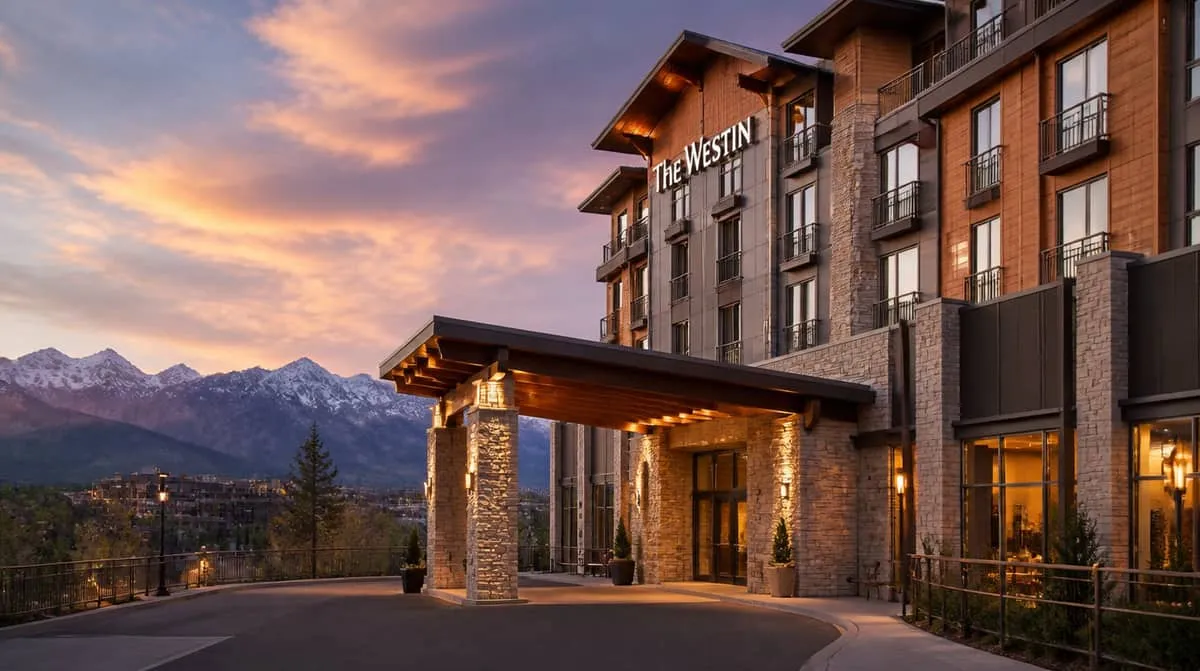
Denver has built one of the most interesting restaurant markets in the country over the past decade, and the furniture demands that come with it are specific in ways that matter for procurement. The craft beer scene, which put Denver on the national food and beverage map, has evolved into a full dining culture that now includes serious chef-driven restaurants in RiNo and the Highlands, a mature steakhouse and fine dining circuit downtown and in Cherry Creek, and a bar-dining hybrid format that has become the dominant model for new openings along the city's growing commercial corridors. All of these formats have distinct furniture requirements, and the city's 300 days of annual sunshine creates outdoor terrace pressures that are more significant than most operators from other markets anticipate.
The design aesthetic that unifies Denver's best restaurant spaces draws from the mountain-modern vocabulary that has become the city's architectural signature. Warm woods, warm metals, leather and woven textiles, and a material honesty that avoids slick or artificial surfaces are the common threads. Within that framework there's significant variation, from the more refined contemporary dining rooms in Cherry Creek to the industrial-raw brewery taprooms and the casual creative energy of RiNo. Commercial furniture that serves Denver restaurants well needs to deliver on both aesthetic authenticity and the hard-use requirements of a high-volume dining environment.
Seating for Denver's Dining Formats
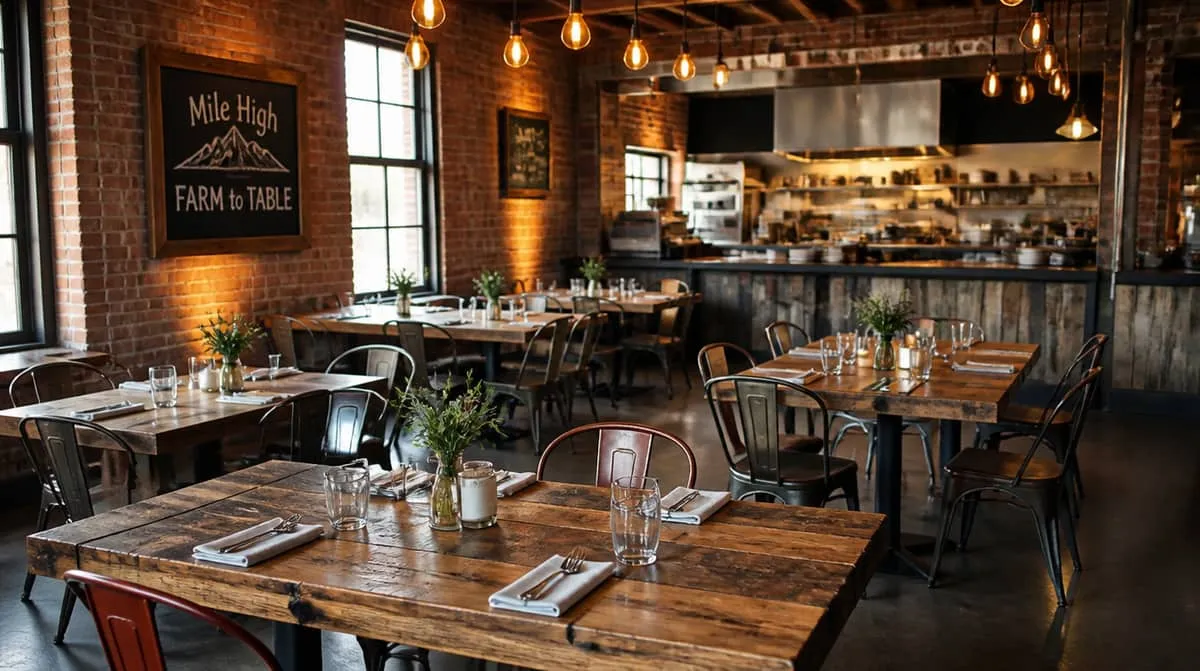
RiNo (River North Art District) has become the most creatively active restaurant corridor in Denver, and the furniture that works in this context reflects the neighborhood's industrial warehouse roots combined with a design sophistication that now draws national dining press attention. Dining chairs in this environment tend toward metal frames in matte black or raw steel, either with wood seats that reference the warm palette or with tight upholstery in performance leather or vinyl. The key specification is that the steel be commercial gauge with properly welded joints, not the lighter tube steel that shows up in retail channels and develops wobble within a year of restaurant use. Denver's high-altitude low humidity also means wood components in some products can be more susceptible to cracking if the wood isn't properly seasoned and finished, a detail worth discussing with your supplier.
Cherry Creek and downtown Denver's fine dining circuit have different seating requirements. The upholstered chair, in a warm fabric or leather, at a proper upholstered seat depth and with genuine lumbar support, is the standard for restaurants where guests are spending two to three hours at the table over a multi-course meal. These chairs need to maintain their shape and comfort profile through years of restaurant use, which means the seat foam specification, the frame construction, and the upholstery quality all matter in ways they don't in a high-turnover casual format. A seat that compresses and loses its profile within two years of opening is a specification failure that costs money to fix and costs guest satisfaction in the meantime.
Brewery taprooms and casual dining concepts, which are numerous in Denver given the craft beer culture's influence on the dining scene, require a different durability calculus. These environments turn tables frequently, use the seating hard, and need commercial-grade product that can be wiped down quickly and holds up to the physical demands of high-volume use. Bar-height and counter-height formats are particularly important in this segment.
Tables and Bar Seating Across Denver's Market
Barstools are one of the highest-volume products in Denver's restaurant market given the bar-dining hybrid format that dominates new openings. A restaurant that does significant business at the bar or counter needs barstools with swivel mechanisms rated for commercial use, footrest construction that survives the constant pressure of guests resting their full weight on the bottom rung, and seat surfaces that clean up easily after the spills and moisture that come with bar service. Residential barstools in a commercial environment fail fast, sometimes within months, and the visible deterioration happens at the points guests touch most, creating a quality signal problem that's hard to recover from.
Tables in Denver restaurants need to handle the altitude climate factor that gets underestimated. Denver's low humidity creates expansion and contraction stresses on solid wood table tops that can cause checking and movement over time if the wood isn't properly acclimatized and finished. Commercial restaurant tables with high-pressure laminate tops and proper edge banding handle the climate stress without the maintenance demands of solid wood, while still achieving the warm, honest aesthetic that Denver's design culture expects. Cast-iron or heavy-gauge steel bases, with leveling feet that actually hold their adjustment through a season of use, are the standard for any table expected to stay level and stable.
Outdoor terrace tables deserve special attention given Denver's outdoor dining culture. With 300 days of annual sunshine, Denver's terraces are serious revenue generators from April through October, and the furniture needs to handle both the UV exposure and the occasional dramatic weather shifts that come with Colorado's climate. All-aluminum frames with powder coat finishes are the durability standard; polywood or resin tops that resist UV fading and moisture are worth the premium over wood in Denver's outdoor context.
Outdoor Dining and Denver's Terrace Culture
Denver's relationship to outdoor dining is not casual. Terraces and rooftop dining spaces at restaurants throughout LoDo, RiNo, and along Colfax Avenue are significant revenue centers that operators invest in seriously. The outdoor furniture specification decisions for these spaces are consequential because the volume these terraces generate, combined with the UV and weather exposure of a Colorado outdoor environment, will expose any quality shortcut within a single season.
Commercial Furniture Depot supplies outdoor dining furniture to Denver restaurants and understands the specific requirements the market creates. All-aluminum commercial frames, powder coat finishes rated for UV exposure, and seat surfaces that don't fade, crack, or waterlog are the baseline specification for any Denver outdoor dining investment expected to deliver across a five to seven year ownership horizon. The difference in cost between contract-grade outdoor furniture and retail crossover product is real, but it's dwarfed by the replacement cost and the revenue disruption of an outdoor space that degrades visibly within two seasons.
We quote restaurant furniture for Denver operators against their own layouts and order sizes rather than a generic sheet. Request a quote and we will put together pricing for your property.
Related reading
- Restaurant lounge seating: specs for bar-adjacent and waiting areas
- Denver FF&E services: procurement and installation
- What is contract furniture
- Commercial furniture vs retail
- Hospitality furniture supplier guide
- Restaurant dining chairs
- Restaurant barstools
- Restaurant tables
- Commercial furniture in Colorado