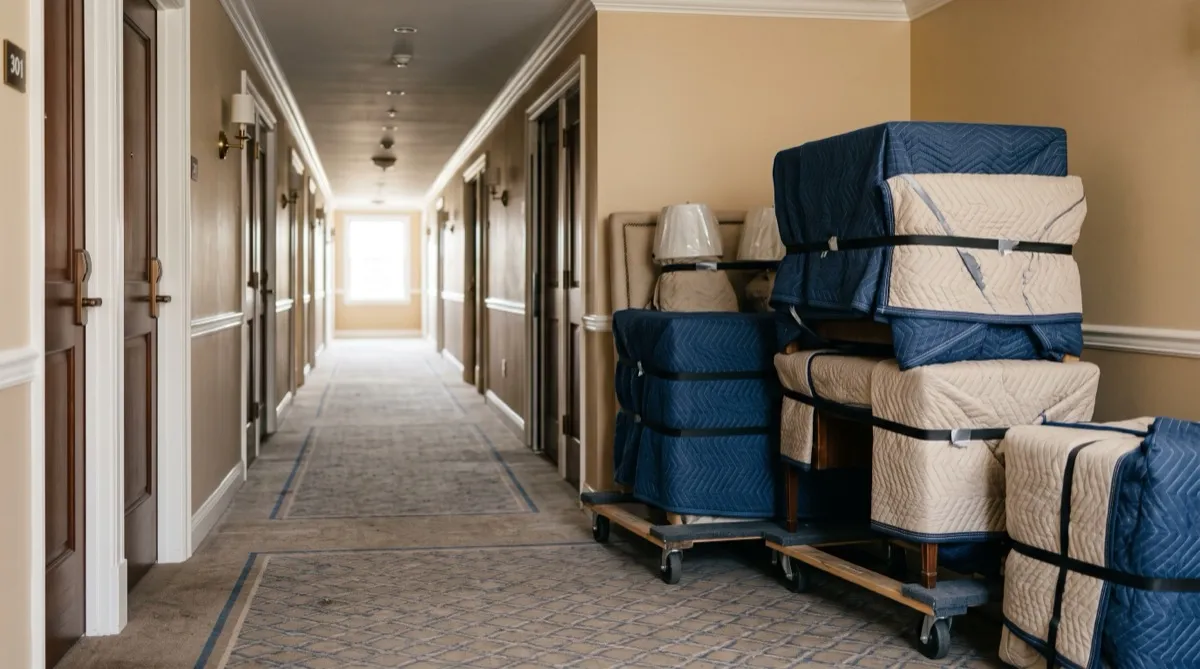
Before hiring an FF&E moving team, define who receives the freight, inspects and stores it, moves each item to its room, assembles it and removes packaging. Those services may be split across several providers. Compare written scopes so that no handoff is left unassigned.
What FF&E movers actually do
FF&E movers handle the last stretch of the procurement chain: receiving furniture at the site or a local warehouse, inspecting it for shipping damage, staging it, and installing it in the correct room or space according to the design plan. Separate these services from line-haul freight and compare the written scope of each provider. Some moving companies offer receiving, warehousing, assembly, and installation; the company label alone does not establish those capabilities.
The core tasks include receiving and unloading, damage inspection against the packing list before anyone signs for delivery, short-term warehousing if the site isn't ready to accept furniture yet, room-by-room or floor-by-floor install sequencing, unpacking and debris removal, and placement according to the designer's floor plan. On larger hotel projects, FF&E movers also handle case good assembly (headboards, casegoods, wardrobe units) that arrive knocked down or partially assembled for shipping efficiency.
Why this is a specialized skill, not general moving
Furniture built for hospitality has handling requirements that the proposed crew should demonstrate through comparable project references and an item-specific plan. Upholstered pieces need care to avoid crushing foam or tearing fabric during handling. Casegoods and finished wood pieces scratch and dent easily and need corner protection and careful stacking. Glass tops, mirrors, and glass-front cabinets need separate handling protocols. And large volume moves, dozens or hundreds of rooms worth of furniture on a compressed opening timeline, need a crew that can sequence work floor by floor without blocking construction trades still finishing punch list items in the same building.
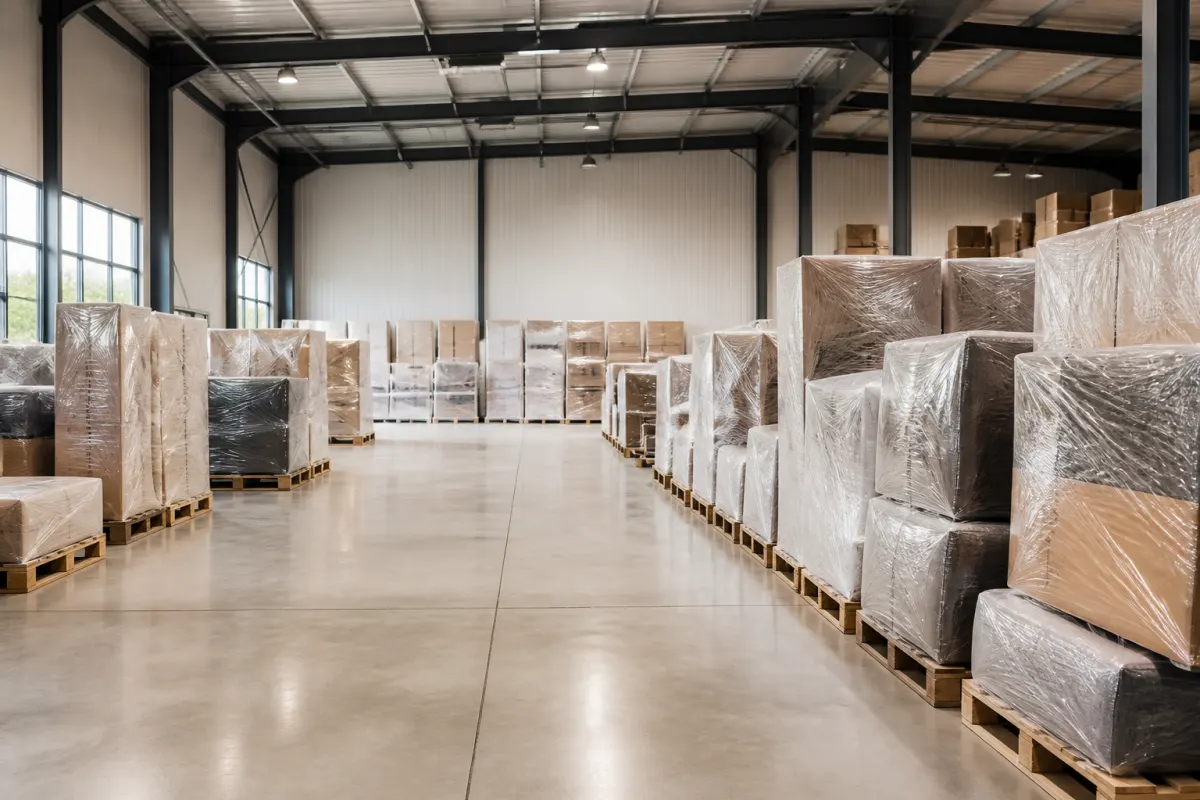
Ask each bidder how it receives against the purchase order, records damage, handles claims, and sequences installation around site readiness. Assign those tasks and their handoffs in writing; neither a specialist title nor a general-moving title establishes who will perform them or who is responsible for damage.
What to check before hiring
Hospitality experience specifically. Ask for references from hotel, restaurant, or venue openings, not just office relocations. Check the proposed crew and scope against projects with comparable furniture, access, volume, and assembly requirements.
Damage and claims process. Confirm in writing how they document damage at receiving, since this is the point where a claim against the freight carrier or supplier either gets filed correctly or gets missed. A mover who doesn't photograph and log damage at intake puts you in a weak position later.
Insurance and bonding. Confirm coverage levels against the value of the furniture package they'll be handling, not a generic minimum. A full hotel FF&E package represents real value moving through their hands.
Staging and warehousing capability. Construction schedules slip. Ask whether they can hold and warehouse furniture if your site isn't ready on the date freight arrives, and what that costs. If that provider has no staging option, assign another storage or delivery contingency and price the additional handoff.
Crew size and scheduling flexibility. Large projects need a crew that can scale up for a compressed install window without last-minute subcontracting you don't have visibility into.
How FF&E movers fit into the broader procurement chain
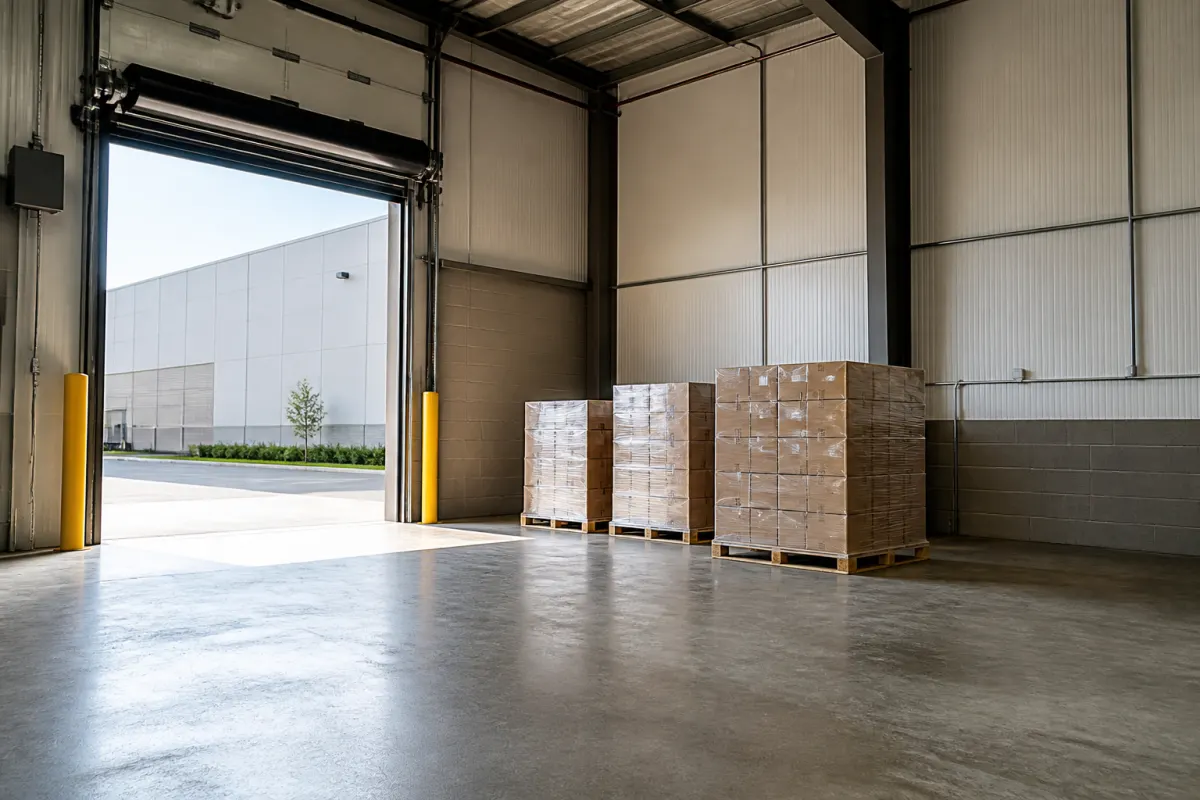
The mover is one link in a longer chain: specification, purchase order, production, freight, receiving, staging, and install. A gap between any two links is where projects lose time. If your furniture supplier arranges the freight, confirm early whether they also coordinate directly with your chosen movers on delivery windows, or whether that coordination is on you. Suppliers who receive and warehouse in the destination market before final delivery reduce this risk considerably, since the mover picks up from a stable local location instead of trying to hit a live freight arrival window exactly.
Our FF&E procurement guide covers the full workflow from specification through installation if you're building out this process for the first time, including where lead times typically run long and how volume pricing works across a full furniture package.
Cost factors, without the guesswork
FF&E moving cost is driven by volume (room count and piece count), building access (loading dock availability, elevator size and count, stairs versus elevator for upper floors), timeline compression, and handling complexity. Request separate prices for the actual install window, crew, access, storage, and furniture types instead of assuming one scope always costs more. Ask movers to price against your actual floor plan and access conditions rather than a generic per-room estimate, so you can compare the cost of each access, handling, storage, and installation requirement.
Timing your booking
Book FF&E movers early in your project timeline, not once furniture is already in transit. Good crews get booked out during peak opening seasons in major metros, and a mover with no availability on your target install week can require a revised date or another qualified provider. Align your mover booking with your confirmed freight arrival window as soon as that window is set.
Request a quote with your furniture package, construction dates, and required receiving, storage, and installation scope. Confirm which services the proposal includes and who owns each handoff.