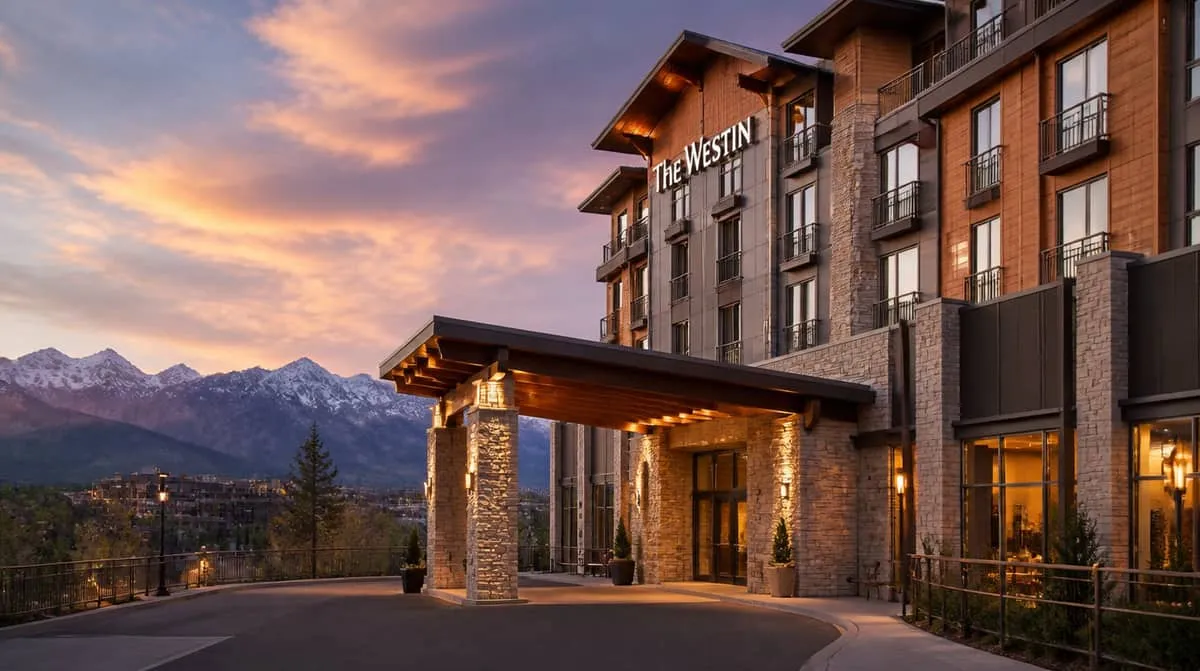
Outdoor dining and outdoor hospitality is not a seasonal afterthought in Denver. It's a core business driver for a significant portion of the city's restaurants, hotels, and bars, and operators who get their patio furniture specification right see the revenue returns in a way that's hard to replicate with interior space. Denver averages roughly 300 days of sunshine per year at altitude, which means the effective outdoor dining season runs from late March through early November, with shoulder periods that are viable with good heater coverage. That's not Phoenix, but it's dramatically more usable outdoor time than most American cities, and the hospitality market here has built around it accordingly.
The rooftop bars with views of the Front Range that have become one of Denver's signature hospitality formats represent the high end of this outdoor culture. Street-level terraces along Larimer Square, the Cherry Creek dining corridor, and throughout RiNo represent the volume middle of it. Hotel pool decks and exterior amenity spaces at properties near Coors Field and throughout LoDo represent the hotel-specific version. All of these formats have distinct furniture requirements, but they share a common set of specification challenges that Colorado's outdoor environment creates.
Understanding Denver's Outdoor Climate Demands
Denver's climate creates outdoor furniture stresses that are different from coastal or humid markets. The high altitude UV intensity is real, and furniture that hasn't been specified for UV exposure will fade, chalk, and degrade visibly within a single Colorado summer. Denver also experiences dramatic daily temperature swings, sometimes 40 degrees between morning and afternoon, and those thermal cycles stress materials, finishes, and joints in ways that a more stable climate doesn't.
All-aluminum frames are the standard for commercial outdoor furniture in Denver's climate context because aluminum doesn't rust, handles thermal expansion and contraction without stress damage, and holds powder coat finishes reliably when the coating is properly applied. Wrought iron has aesthetic appeal but rusts in Denver's periodic moisture events, particularly the spring snowmelt period. Resin and polywood seat surfaces handle UV and moisture without the maintenance demands of teak or other natural woods, and the current generation of commercial resin products has achieved a visual quality that reads as considered, not cheap.
The wind factor is another Denver-specific consideration. The city's position at the Front Range means that afternoon wind events are common, and outdoor furniture that isn't weighted appropriately gets moved around in ways that create both safety risks and operational headaches. Commercial outdoor dining chairs with enough weight and a low center of gravity, outdoor umbrellas with proper wind ratings, and table bases heavy enough to hold position in a Colorado afternoon wind event are specification priorities that operators sometimes overlook when buying for a Denver outdoor space.
Rooftop and Terrace Furniture in the Denver Context
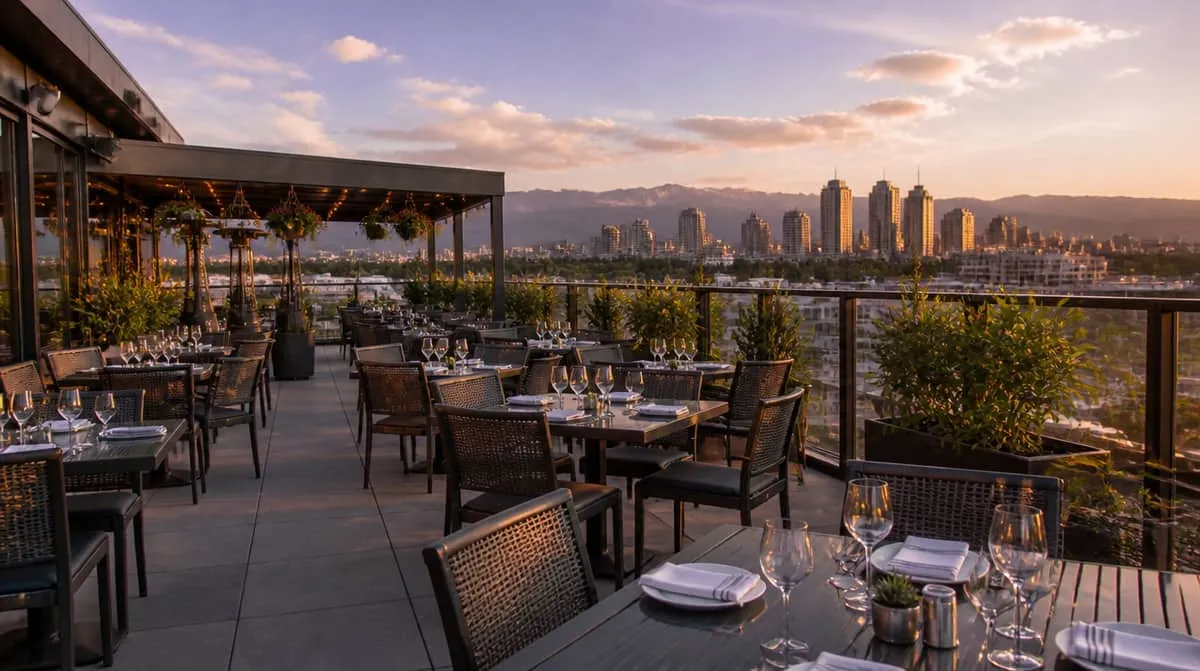
Denver's rooftop bars and elevated terrace spaces face the most demanding outdoor furniture specification requirements in the market. Higher elevation means more UV exposure and more wind. The aesthetic expectations for rooftop spaces in Denver are also higher, because these are the premium outdoor experiences the city offers, and the furniture needs to contribute to the experience rather than just fill the space.
Tables for Denver rooftop and terrace spaces should have commercial-grade powder coat finishes in colors and textures that hold up to UV without chalking, with bases weighted or anchored for wind resistance. Umbrella-compatible table tops, with center hole and appropriate grommets, are worth specifying even if you're not certain you'll use umbrellas, because the decision to add shade coverage is much easier if the tables are already set up for it.
Dining chairs for outdoor use in Denver need to balance durability with the aesthetic quality that Denver's competitive outdoor hospitality market demands. The polywood Adirondack-style chair that works fine at a mountain cabin doesn't serve a LoDo rooftop bar with views of Union Station and the mountains. Contemporary aluminum-frame commercial outdoor chairs, in powder coat finishes that reference the warm palette of mountain-modern design, bronze, warm gray, matte black, are the specification that serves both the durability requirement and the design context.
Seasonal Storage and Durability Economics
One practical specification consideration for Denver outdoor furniture that operators don't always plan for is seasonal storage. Denver's outdoor season is long but not year-round, and furniture that's stored for three to four months of winter needs to handle the storage conditions as well as the outdoor season conditions. Stackable outdoor chairs that can be stored efficiently, table tops that can be removed and stored flat, and frames that resist moisture and temperature in a storage environment without finish damage are useful attributes in the Denver market.
Commercial Furniture Depot has supplied outdoor dining and hospitality furniture to Denver restaurants and hotels across the LoDo, RiNo, and Cherry Creek corridors. The combination of mountain climate knowledge, commercial specification depth, and the ability to source across the aesthetic range the Denver market requires makes a meaningful difference in outdoor furniture programs that are expected to hold up through multiple Colorado seasons.
The economics of commercial outdoor furniture, when you calculate across a five to seven year ownership horizon, consistently favor the contract-grade specification over the retail or light-commercial alternative. Denver's UV intensity and wind exposure will accelerate the degradation of underspec'd product in ways that make the replacement cycle shorter and more expensive than the initial cost savings justify. The right spec, from a supplier who understands the Denver market, is the better financial decision every time.
Tell us about your Denver commercial patio furniture needs and we will turn your quantities, finishes, and timeline into a firm quote. Request a quote whenever you are ready to compare.