
You are six weeks from opening and your furniture quote just came back over budget. Or your lead time is eighteen weeks and your renovation window is twelve. Or you bought restaurant chairs from a retail chain last year and three of them have already failed and you are back at square one trying to source replacements that actually match. These are the real problems Chicago hospitality operators face, and they are problems that only a qualified commercial furniture supplier can solve. A hotel along Michigan Avenue, a restaurant group expanding through Fulton Market, a rooftop bar near the Riverwalk each of those operations puts furniture through punishment that residential-grade product cannot survive, and sourcing from the wrong supplier means you will be replacing everything long before the ROI math works out.
What Separates Contract Suppliers from Retail Furniture Stores
The core difference comes down to how furniture is engineered and tested. Retail furniture is built for residential use: light traffic, careful handling, and maybe five to ten years of useful life in a bedroom or dining room. Contract furniture is built for commercial environments where a single chair might be sat in two hundred times a week by guests of varying sizes who have no ownership stake in how they treat it.
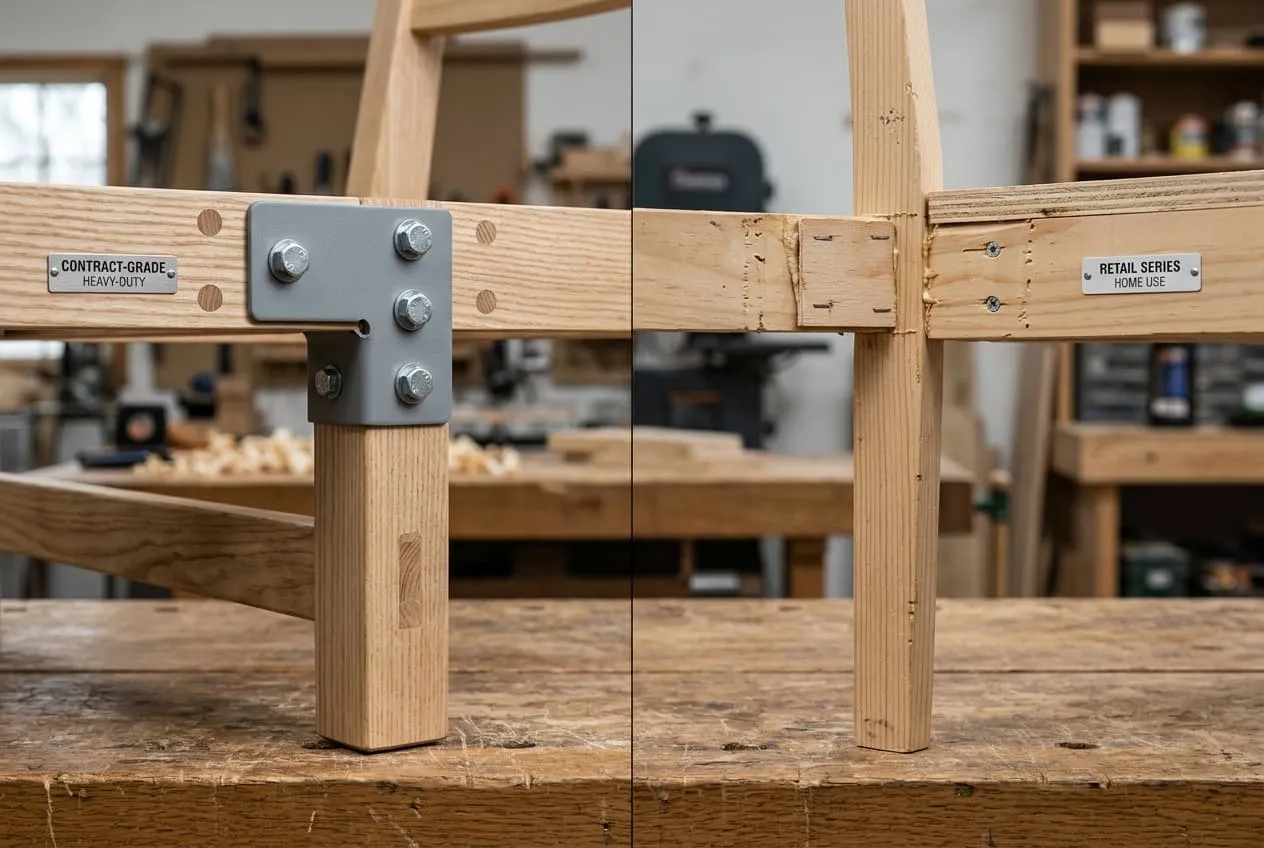
A qualified commercial furniture supplier Chicago buyers can count on will stock pieces that meet BIFMA standards for commercial seating, carry fire-code compliant foam and fabric ratings, and offer construction specs like double-dowel joinery, steel corner blocks, and frame materials tested under load. When you source through a contract supplier, you are also buying documentation: compliance certificates, warranties specific to commercial use, and replacement parts programs. None of that is standard at a retail chain, regardless of what the price tag suggests. A Wicker Park cocktail bar or a South Loop hotel that skips this step and buys commercial-looking furniture at a consumer price point will pay for it within eighteen months.
How to Evaluate a Commercial Furniture Supplier in Chicago
Start with the supplier's client list. A legitimate commercial furniture supplier Chicago-based should have references from hotels, restaurant groups, or hospitality management companies operating in the city. Ask specifically about projects in high-traffic environments: properties near McCormick Place that handle convention overflow, multi-outlet restaurant groups in the West Loop, hotel brands with properties in the Loop or River North, and rooftop or outdoor venues where Chicago's lake-effect weather means four-season abuse starts before Memorial Day.

Next, evaluate lead times. Chicago's hospitality market moves fast and renovation windows are tight. If you are reopening a hotel F&B outlet in the South Loop or refreshing a Fulton Market restaurant before summer patio season, a supplier who quotes sixteen to twenty weeks without flexibility is going to cost you real revenue. Look for suppliers with domestic quick-ship programs or regional warehouse stock that can bridge the gap between your custom order and your opening date. The best suppliers will tell you upfront which SKUs ship in two to four weeks and which require full production lead time and they will help you build a procurement schedule around that.
Finally, ask about project management support. The best suppliers assign a dedicated rep to your account, coordinate with your designer or purchasing agent, and handle freight logistics directly including white-glove delivery to a high-rise hotel in the Loop or a River North restaurant where the loading dock is accessible only during specific hours. If a supplier treats delivery as your problem to solve, find a different supplier.
Pricing and Volume: What Chicago Buyers Should Expect
Contract furniture pricing runs on volume and relationship. Outfitting a single dining room puts you in a different pricing tier than a hospitality group ordering across five properties. A good commercial furniture supplier Chicago restaurants and hotels rely on will be transparent about those tier structures from the first conversation not after you have already invested time in the selection process.
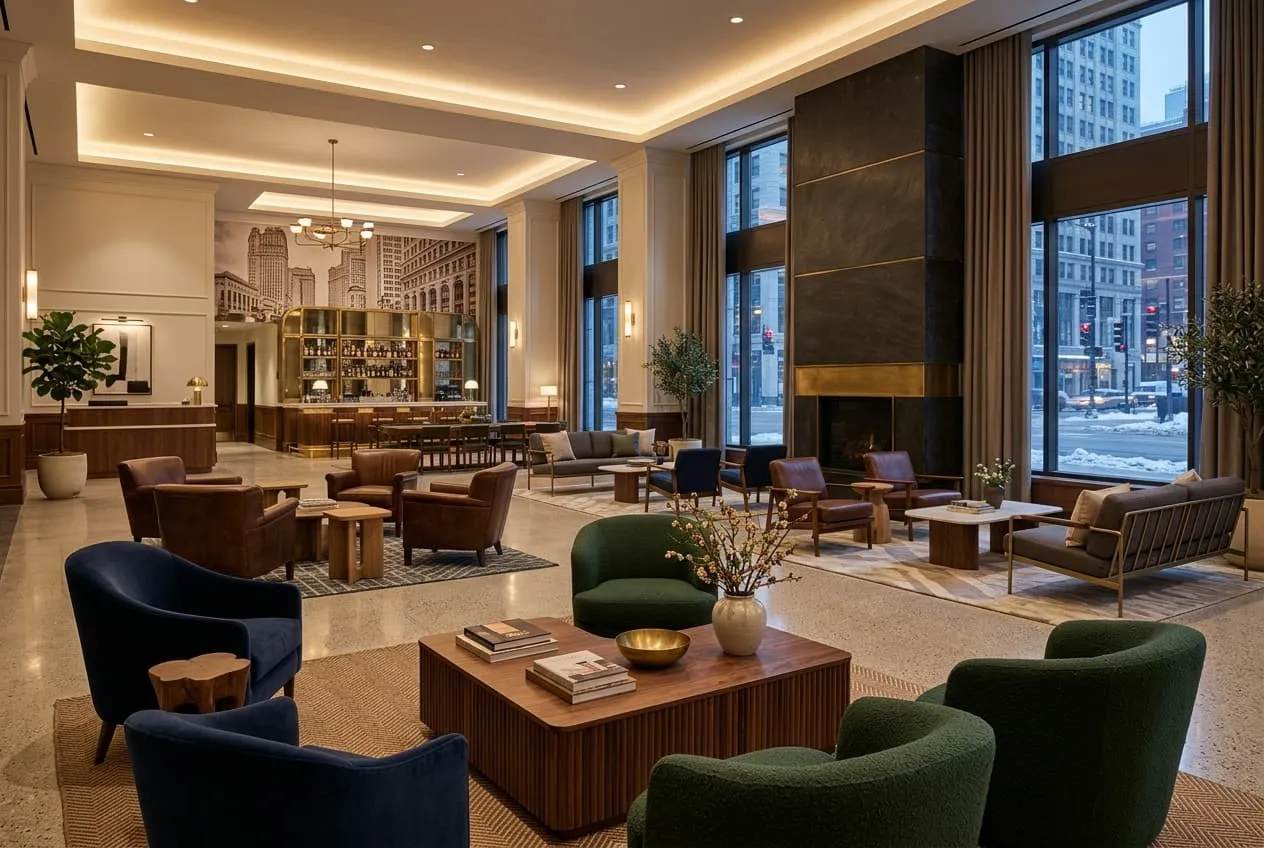
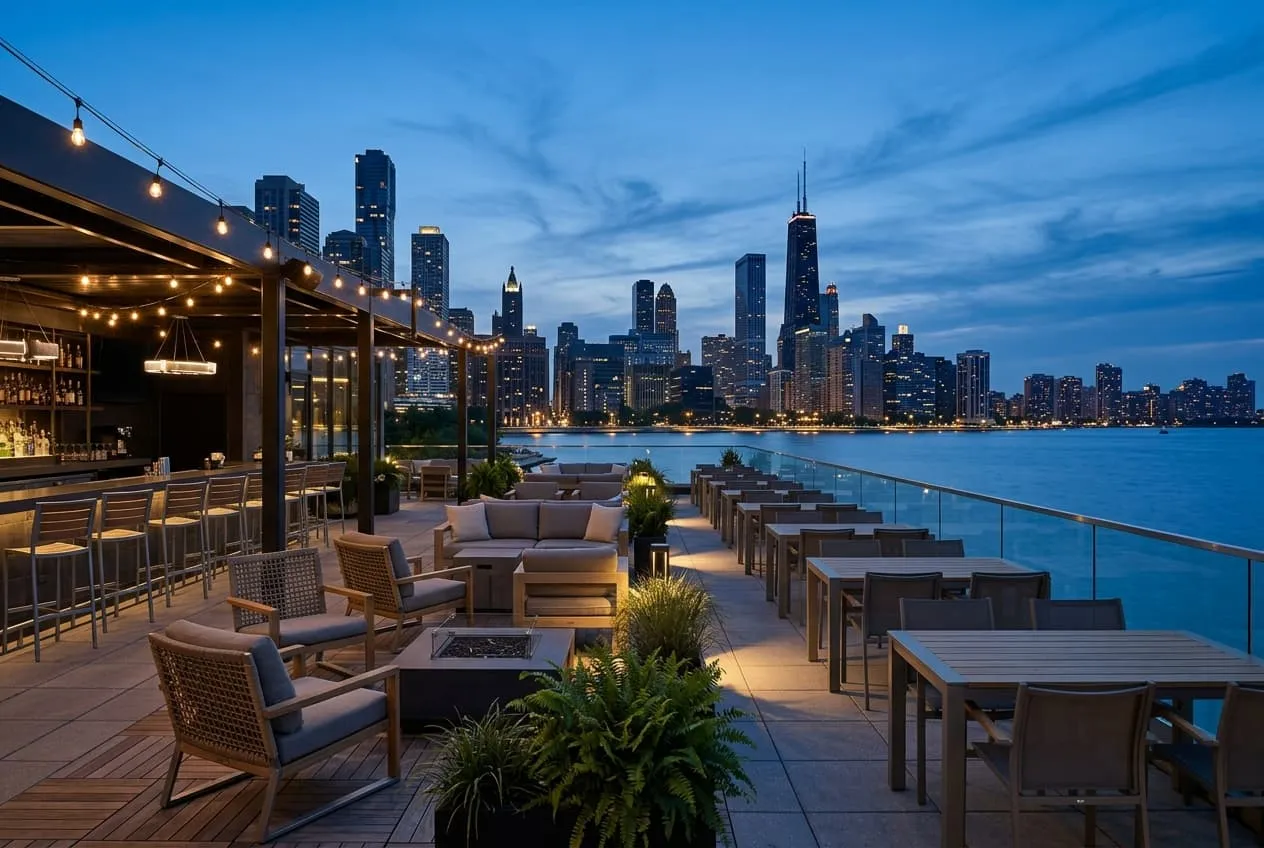
Budget ranges vary significantly by category. Upholstered dining chairs in contract grade typically run $150 to $400 per unit depending on frame material, COM fabric options, and construction complexity. Hotel casegoods dressers, nightstands, headboard systems range from $600 to several thousand per room depending on finish and customization level. Outdoor furniture rated for Chicago's climate means genuine all-weather materials: powder-coated aluminum, resin wicker, or commercial-grade teak. That carries a premium over indoor pieces, but operators on Michigan Avenue rooftops or Riverwalk-adjacent patios know that cutting costs here means replacing furniture every two seasons instead of every eight.
Always ask for a landed cost that includes freight, crating fees, and any fuel surcharges. Chicago's urban delivery environment adds cost compared to suburban projects, and surprises at the invoice stage are common with suppliers who quote product pricing only. A West Loop restaurant with a basement loading dock is a different freight challenge than a suburban banquet hall, and your quote should reflect that reality.
The Ordering Process from Specification to Delivery
Once you have selected a commercial furniture supplier Chicago matches with your project timeline and budget, the ordering process follows a predictable sequence. You submit specifications often working from drawings your architect or interior designer has already produced. The supplier generates a formal quote with lead times broken out by product category, since seating and casegoods rarely ship on the same schedule.
Approval samples or memo fabrics come next if you are doing custom upholstery. This step is worth the extra two weeks it takes. Fabric color and texture on a small swatch reads differently at scale across fifty chairs in a dimly lit River North dining room. Once samples are approved, production begins and deposit invoices follow immediately. Most contract suppliers require 50 percent down at order confirmation with the balance due prior to shipment.
Delivery coordination is where things get complicated in Chicago. Street permits for the Loop, elevator schedules at high-rise hotels, and union labor requirements in certain convention-adjacent properties near McCormick Place all of this needs to be managed ahead of the delivery date. A supplier with real Chicago experience asks about these logistics upfront. They know that a Wicker Park restaurant and a downtown convention hotel have completely different delivery requirements, and they plan accordingly rather than leaving you to sort it out when the truck shows up.
Chicago's hospitality market rewards operators who build the right infrastructure from the start. Furniture that holds up through a full McCormick Place convention season, survives outdoor use on a lakefront terrace, and still looks sharp two years into service is furniture that came from a supplier who understood what the environment demands. That supplier is worth finding.
Ready to spec commercial furniture for your Chicago project? Send us the details and we will price it around your requirements. Request a quote to start.