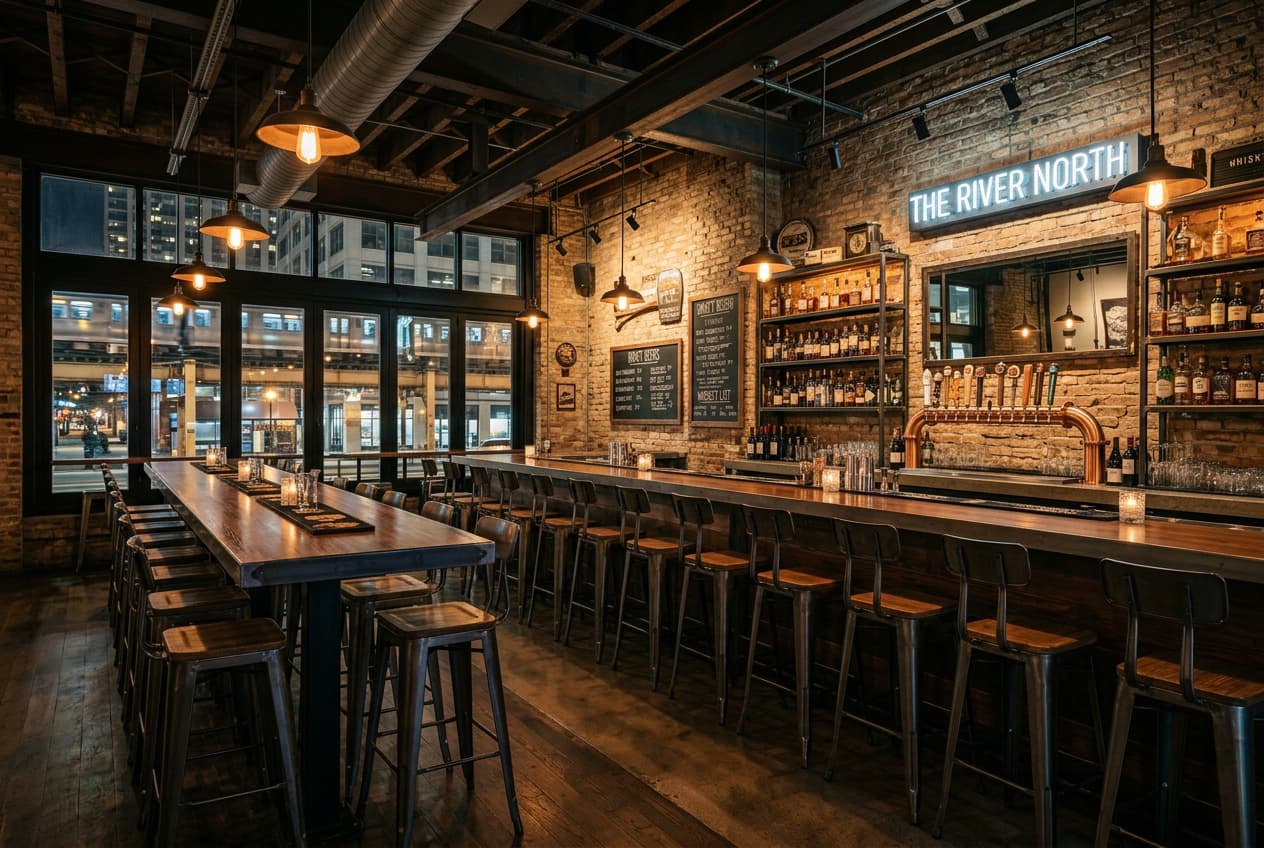
Bar and lounge furniture in Lincoln has to survive some of the most uneven traffic patterns in the state's hospitality market. A Haymarket brewery might run a quiet Tuesday and a packed Saturday within the same week, and a downtown hotel lobby bar might sit half full most evenings and then absorb an entire legislative reception or a football weekend crowd that triples its normal volume overnight. Furnishing for that kind of swing takes a different specification approach than furnishing a bar with steady, predictable traffic.
Haymarket and the Downtown Brewery District
The Haymarket district anchors Lincoln's independent bar and brewery scene, with converted warehouse spaces that pair exposed brick and timber with a rotating mix of local breweries, cocktail bars, and late-night spots. Furniture in this district needs to hold its own aesthetically against genuinely distinctive architecture while still meeting commercial durability standards. Solid wood and metal-frame barstools with a reinforced base handle the weekend crowd volume better than lighter residential-style stools, and a powder-coated metal finish resists the wear that comes from stools being dragged across concrete or reclaimed wood flooring night after night.
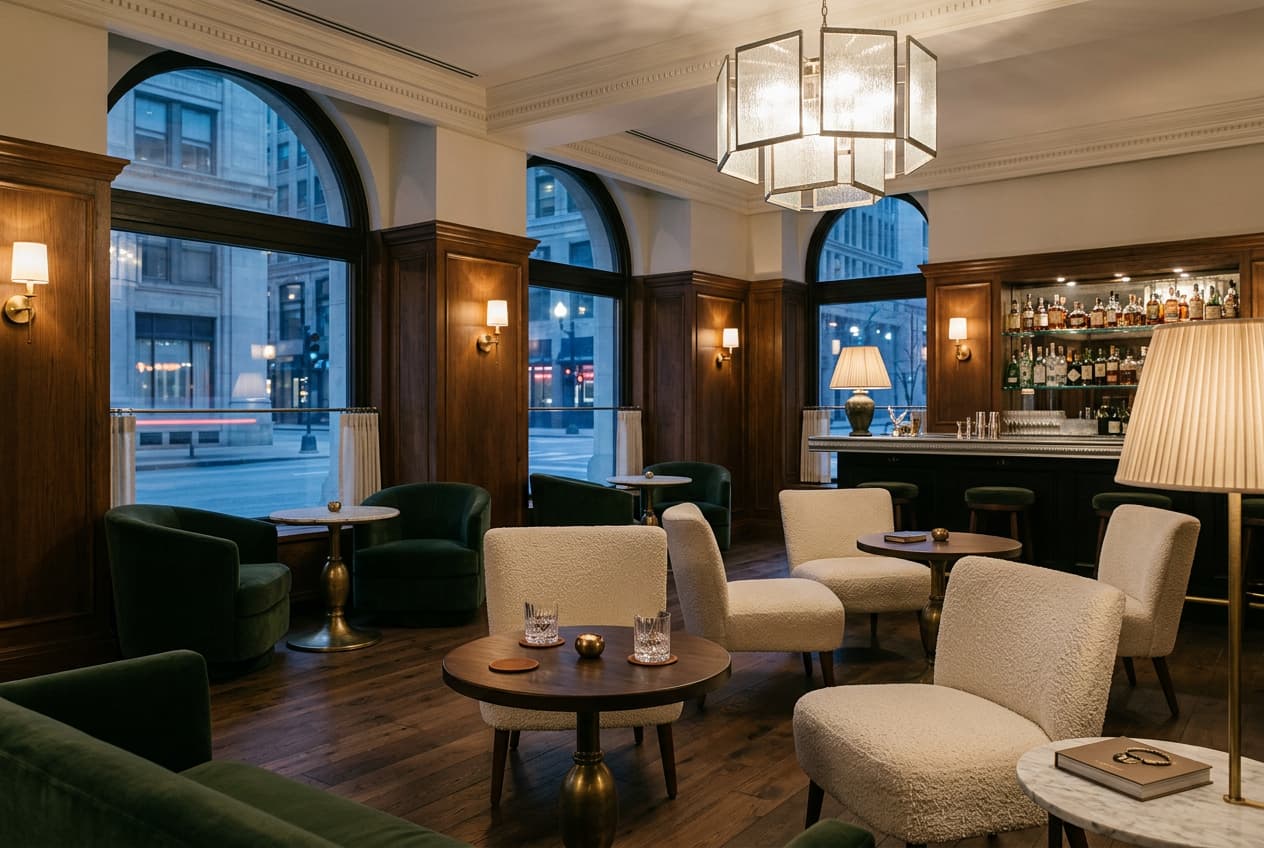
Cocktail tables and lounge seating in this district take a different kind of abuse than dining furniture. Guests lean on tables, rest drinks on arms, and treat lounge seating as a gathering point rather than a fixed dining position. Look for tables with a stable, weighted base and lounge pieces with reinforced arm and frame construction rather than decorative pieces borrowed from a residential lookbook.
Downtown Hotel Lobbies and the Legislative Session Standard
Downtown Lincoln hotel lobby bars serve a different clientele than the Haymarket crowd, one that includes visiting state officials, lobbyists in town for legislative session, and business travelers tied to the city's insurance and government-adjacent economy. That guest base expects a more polished, hospitality-grade lounge environment, upholstered seating with a business-appropriate finish, cocktail tables sized for laptop-and-drink coexistence, and a level of comfort that supports longer sits during a slow weeknight or an evening reception.
Furniture in this segment needs to balance a refined look with the same underlying commercial construction standards as any high-traffic hospitality piece. A hotel lobby bar can go from a handful of regulars on a quiet evening to a full legislative reception in the space of a single booking, and the furniture needs to perform at both ends of that range without looking out of place.
Game Days and the Compressed Volume Problem
Home football Saturdays create a demand spike in Lincoln's bar and lounge segment that few other markets its size experience. Bars near the stadium and downtown see volume in a single afternoon that a comparable market might spread across an entire weekend. That compressed volume is hard on furniture in a specific way: it is not gradual wear, it is repeated, concentrated stress on the same pieces during the same handful of hours, week after week through the fall.
Operators furnishing for that pattern need to think about durability differently than a typical bar program would. Barstools and lounge seating need frame and joinery specifications built for repeated heavy use in short bursts, not just steady moderate use averaged over a full week. Ask your supplier directly about how a piece performs under concentrated high-volume conditions, not just its general commercial rating, since a stool rated for typical restaurant use may not hold up the same way under six consecutive home-game Saturdays.
Sourcing Bar Lounge Furniture for Lincoln Projects
Whether you are outfitting a Haymarket brewery, a downtown hotel lobby bar, or a stadium-adjacent sports bar, the sourcing conversation should start with your actual traffic pattern, not a generic bar furniture catalog. A supplier who understands Lincoln's specific mix of brewery culture, legislative-season business travel, and game-day volume spikes will spec differently than one working from assumptions built for a steadier market.
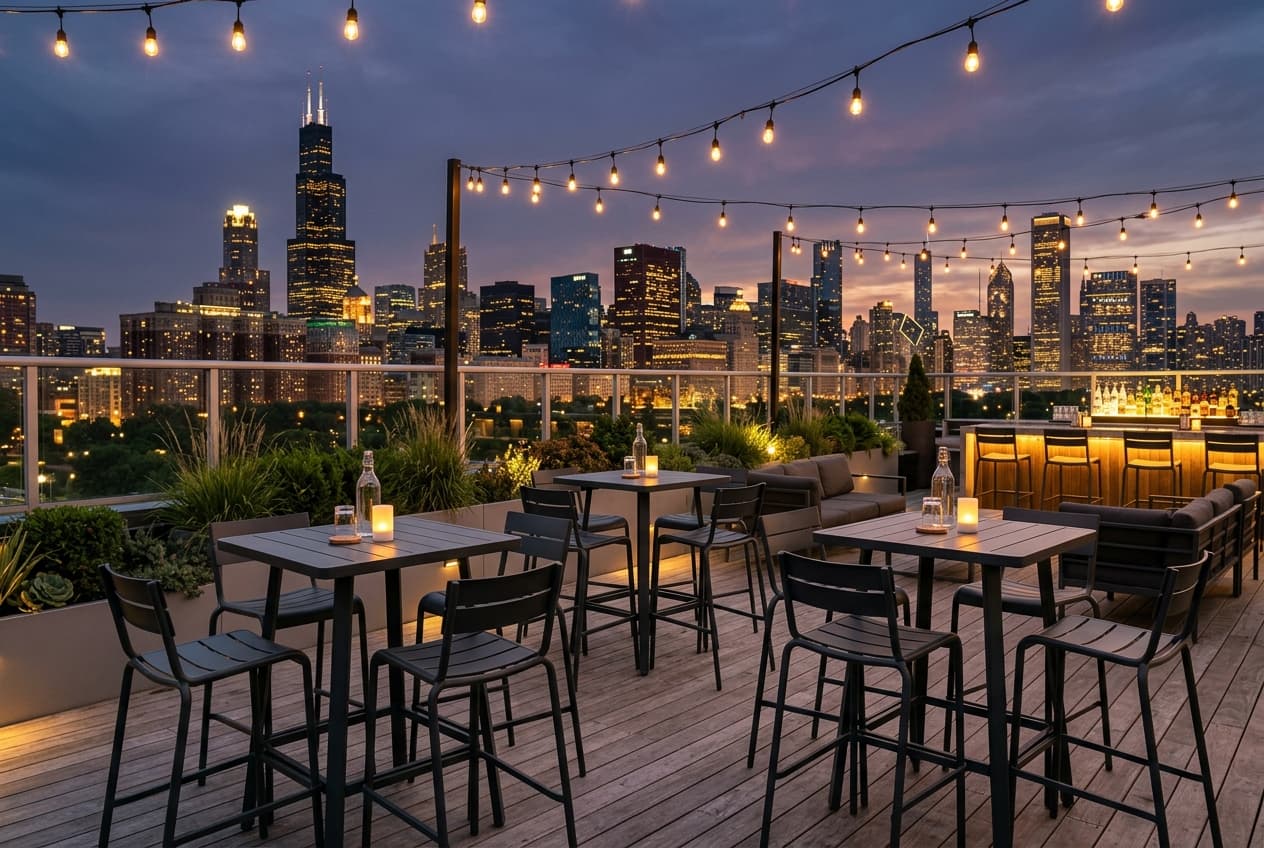
Lead times for bar and lounge furniture typically run 8 to 14 weeks domestically, longer for custom upholstery or imported pieces, so lock your specification early if you are targeting a football-season opening. Ask about BIFMA documentation on any stool or lounge chair, check fabric rub counts against your actual traffic volume rather than a generic commercial minimum, and confirm your supplier has delivered into similarly high-swing markets before. Request a quote with your seat count and traffic pattern and get a specification built for how your space actually gets used.
Related reading
- Commercial bar furniture buying guide
- What is contract furniture
- Commercial furniture vs retail
- Hospitality furniture supplier guide
- Commercial barstools
- Bar lounge chairs
- Bar and restaurant tables
- Restaurant furniture in Lincoln
- Commercial patio furniture in Lincoln
- Commercial furniture in Nebraska