Restaurant furniture in Lincoln has to work harder than the finish samples ever suggest it will. A downtown dining room near the Haymarket runs a completely different traffic pattern than a campus-adjacent spot pulling students between classes, and both run a different pattern again than a bar or grill near the stadium on a home game Saturday when a single service can see more covers than a normal week. If you are sourcing tables, chairs, and booths for a restaurant project anywhere in the Lincoln metro, the specification bar is set by whichever of those patterns your location actually sees, not by what looks good in a showroom.
Why Contract-Grade Furniture Is the Minimum Specification
Retail dining furniture is built for a household that seats four people a few times a week. A Lincoln restaurant seats far more people, far more often, and under conditions residential furniture was never engineered for. A chair joint that would last a decade in a home dining room can fail in under a year in a restaurant running two seatings a night plus a full Saturday rush during football season.
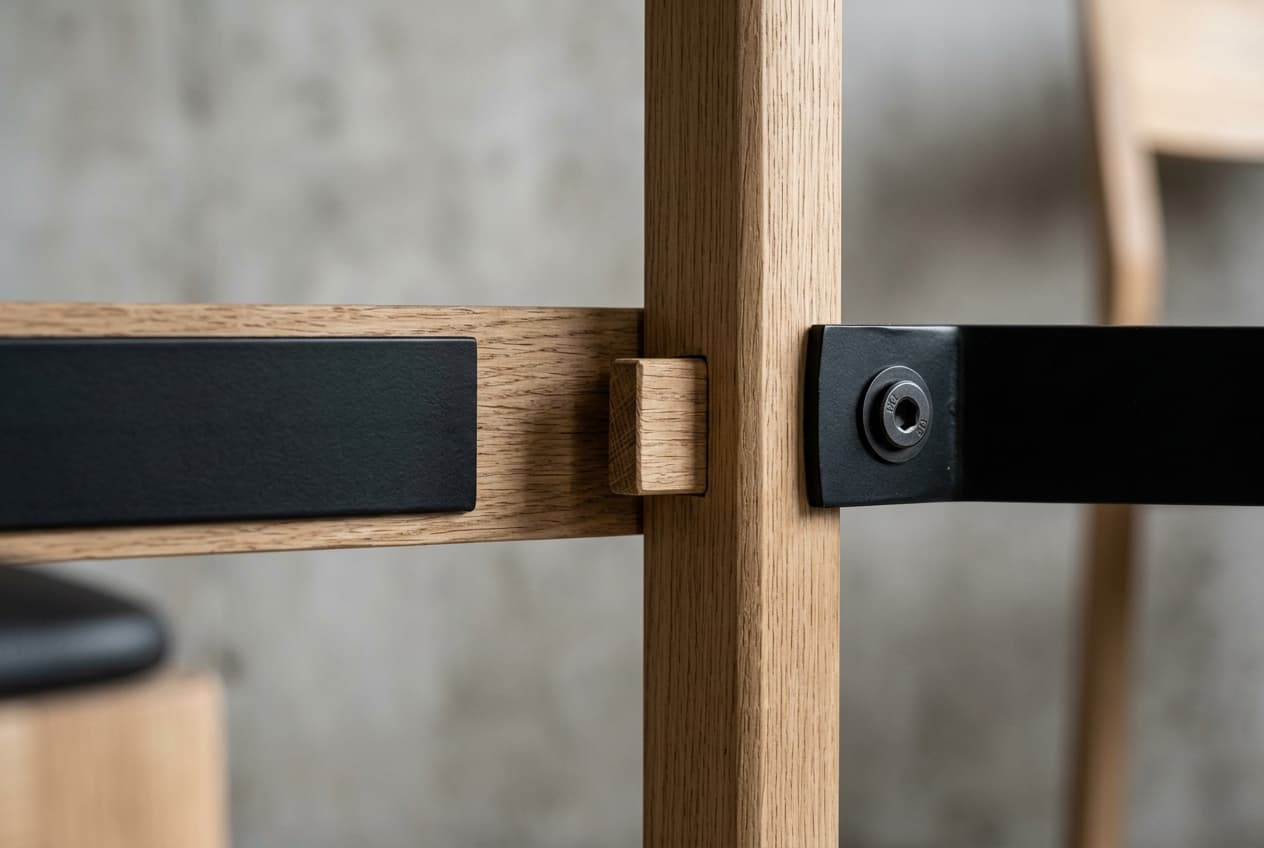
Contract-grade construction starts with the frame. Commercial dining chairs and barstools need reinforced joinery, typically corner blocks and mechanical fasteners rather than glue alone, to survive constant stacking, sliding across hard flooring, and the impact of guests pulling chairs out and pushing them back in dozens of times a shift. Ask your supplier for BIFMA test documentation on any chair or stool you are considering. If they cannot produce it, that is a signal to look elsewhere.
Materials and Upholstery for Lincoln's Range of Environments
Lincoln restaurants span a wide range of settings, from Haymarket dining rooms in converted brick warehouses to newer builds near the stadium and the interstate corridor. Each setting puts different demands on upholstery and finish.
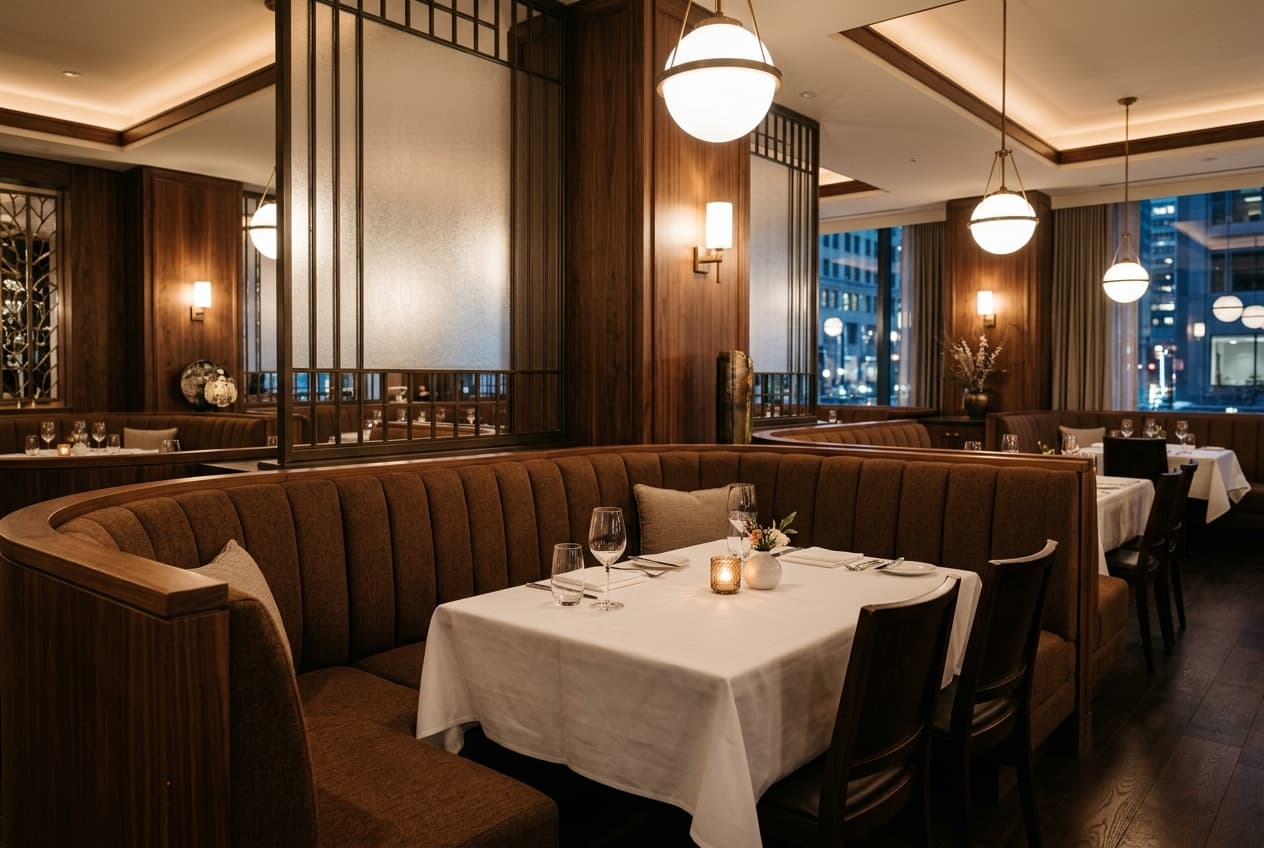
Vinyl and performance fabric remain the standard for booth and chair upholstery in high-turnover restaurant environments. Vinyl offers the easiest cleaning and the best resistance to spills, which matters in a market where a single game-day service can put more wear on seating than a normal week elsewhere. Performance fabrics have closed much of that durability gap while offering a softer look that suits boutique and upscale concepts in the Haymarket and downtown corridor. Whichever you choose, check the Martindale or Wyzenbeek rub count. Commercial-grade upholstery should test well above residential-grade material, and a restaurant with heavy weekend traffic should not settle for anything less.
Wood and metal frame finishes need to withstand a Nebraska climate that swings from humid summers to genuinely cold winters, with salt and moisture tracked in on boots for a good stretch of the year. Powder-coated metal frames hold up better than painted finishes in that environment, particularly near entrances where floor mats cannot catch everything. If your concept calls for a wood look, ask whether the finish is a sealed commercial-grade coating rather than a residential stain, since the latter will show wear at table edges and chair backs within the first year of service.
Tables and Bases: Getting the Specification Right for Lincoln Venues
Table bases take more abuse than most restaurant owners expect going in. Cast iron and steel bases with a commercial-grade powder coat hold up best under constant chair contact and the occasional dropped tray. Laminate tabletops remain the standard for durability and cost in high-volume dining rooms, while solid wood or butcher block tops suit boutique concepts willing to accept more maintenance in exchange for the look, particularly in Haymarket spaces trading on their exposed-brick character.
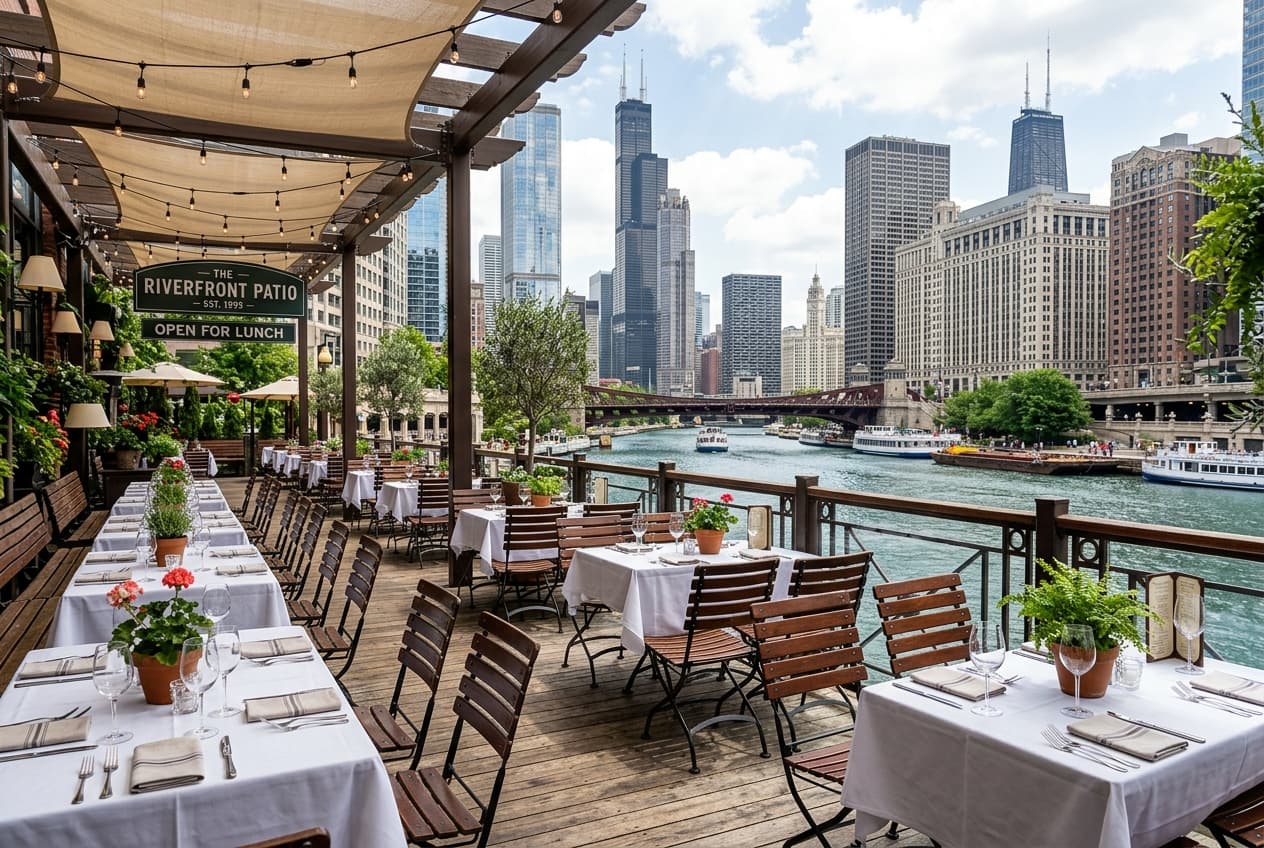
Bar height tables and communal seating have become standard in newer Lincoln concepts, particularly those courting a post-game or after-work crowd downtown. Those pieces need the same contract-grade scrutiny as standard dining tables, with additional attention to base stability given the added height and the likelihood of guests leaning or resting weight on the edge.
Booth construction deserves its own line of questioning. A commercial booth needs a hardwood or steel internal frame, high-density foam that will not compress permanently under repeated use, and upholstery seams reinforced against the friction of guests sliding in and out. A booth that looks identical to a competitor's on the showroom floor can have a completely different service life once installed, and the difference almost always comes down to what is inside the cushion and the frame, not what covers it.
Finding the Right Supplier Relationship for Lincoln
The restaurant furniture suppliers worth working with in Lincoln understand that this market runs on more than one calendar. A supplier needs to know that a Haymarket concept opening before the holiday season has different lead time pressure than a stadium-adjacent restaurant racing to be ready for the first home game. Standard lead times run 8 to 14 weeks domestically and considerably longer for imported or custom pieces, so locking your furniture order early in the buildout timeline protects your opening date.
Ask potential suppliers about their experience furnishing restaurants specifically, not just hospitality furniture broadly. A supplier who primarily handles hotel guestroom casegoods may not have the same depth of knowledge on booth construction, bar height stability, or the specific durability demands of a high-turnover dining room. Look for a track record with restaurant clients in the Great Plains region and ask for references you can actually call.
A good supplier relationship extends past the initial order. Restaurant furniture wears out in predictable patterns, and a supplier who tracks what you bought and when will make reordering matching pieces straightforward when the first chairs or booth sections need replacement. That kind of continuity is worth more than a marginally lower price on the first purchase order. Request a quote with your seat count and concept details and start that relationship on the right footing.
Related reading
- Restaurant lounge seating: specs for bar-adjacent and waiting areas
- What is contract furniture
- Commercial furniture vs retail
- Hospitality furniture supplier guide
- Restaurant dining chairs
- Restaurant barstools
- Restaurant tables
- Bar and lounge furniture in Lincoln
- Commercial patio furniture in Lincoln
- Commercial furniture in Nebraska