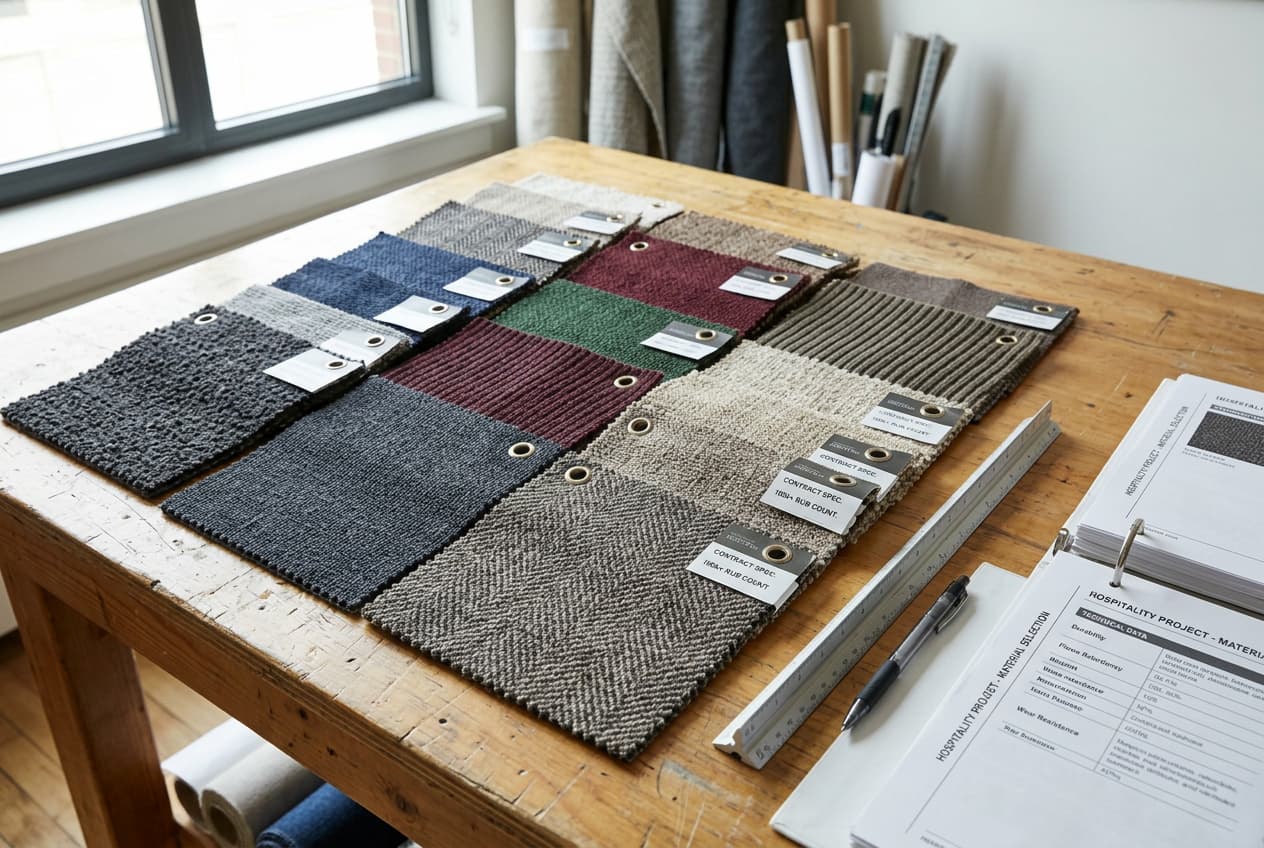
Boutique hotel furniture in Lincoln has to do two jobs at once that pull in opposite directions. It has to look distinctive enough to justify a rate premium over the branded select-service properties near the interstate, and it has to survive an occupancy pattern that swings from steady weekday business travel to a full-capacity home game weekend without any real warning built into the reservation curve. Getting that balance right is what separates a boutique property that reads as considered from one that reads as a residential furniture store with a lobby sign.
Why Lincoln's Event Calendar Changes the Durability Math
A boutique hotel in a coastal leisure market can plan its furniture life cycle around fairly predictable, gradual wear. A boutique property in Lincoln cannot. Husker football weekends compress an entire season of occupancy volume into a handful of Saturdays, and those weekends fall disproportionately on lobby and lounge furniture that sits empty most other days of the week. A sofa that would show ten years of gentle wear in a typical boutique property can show that same wear in three or four football seasons if the frame and cushion specification was chosen for looks rather than commercial-grade construction.
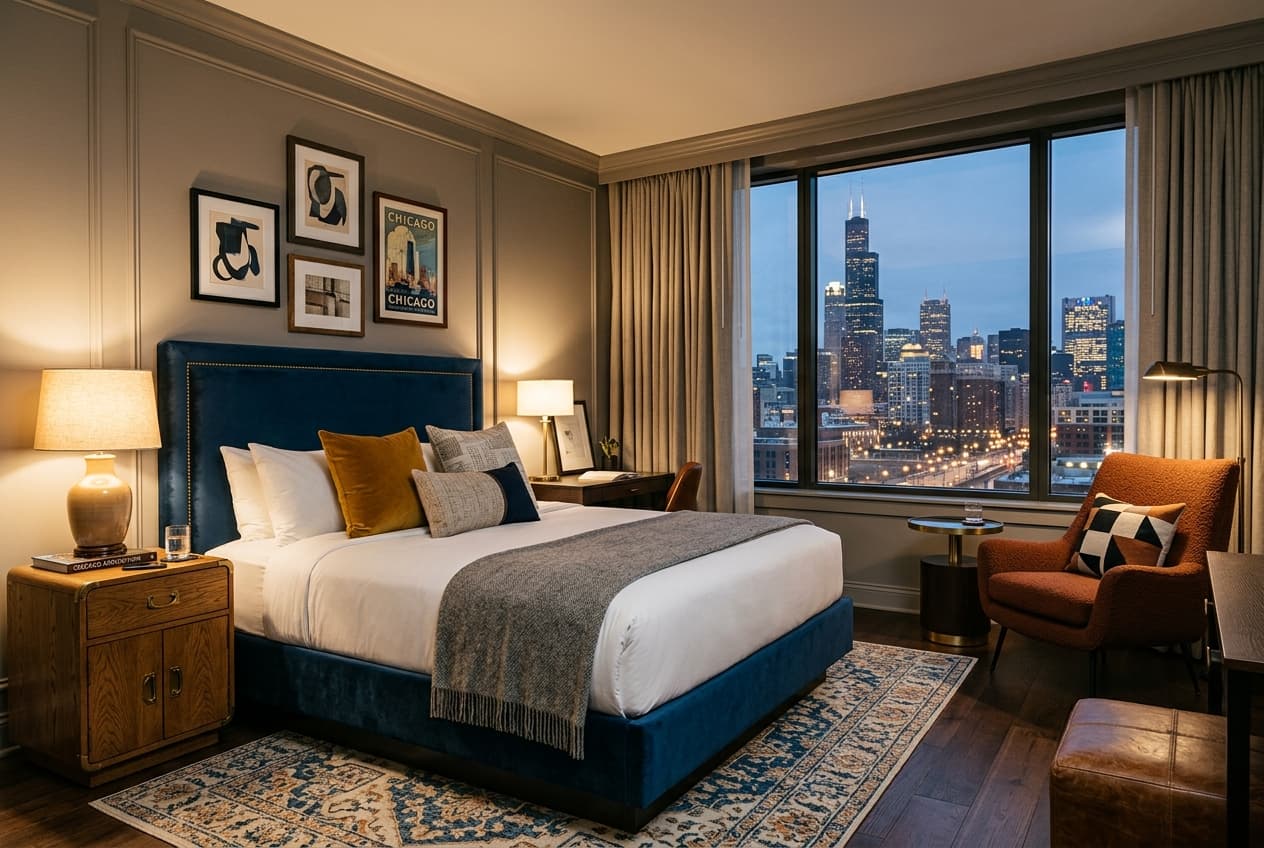
This does not mean boutique furniture in Lincoln has to look institutional. It means the frame, foam, and fabric underneath a distinctive design need to meet the same commercial standards as a full-service hotel, even when the finish reads as residential or vintage-inspired. Ask any supplier proposing a boutique look whether the piece has been tested to commercial standards or whether it is a retail piece with a hospitality-adjacent finish. That distinction matters more in Lincoln's event-driven market than it would in a market with steadier, more predictable occupancy.
Design Cohesion Across a City Defined by Contrast
Lincoln's boutique hospitality market draws its character from genuine contrast. Haymarket properties lean into exposed brick, converted warehouse volumes, and a historic industrial palette that plays well against contract-grade furniture with warm wood tones and mixed metal finishes. Properties closer to campus and the Capitol district often lean toward a cleaner, more contemporary look aimed at visiting faculty, university guests, and state government travelers who want a distinctive stay without the warehouse aesthetic.
A furniture program that tries to split the difference between those two design languages usually ends up satisfying neither. The stronger approach is committing fully to whichever design identity fits the property and building the furniture spec around that commitment, down to hardware finish and fabric texture, rather than defaulting to a generic contract palette that could belong to any boutique hotel in any city.
Working Around Minimums in a Smaller Market
Boutique properties in Lincoln are almost always furnishing fewer rooms than a full-service downtown hotel, which puts them at the sharp end of minimum order quantity conversations. A 40 to 70 room boutique property does not have the volume leverage of a 200 room build, and custom fabric or finish selections that a larger hotel could absorb into a standard order can push a boutique project's MOQ into genuinely uncomfortable territory.
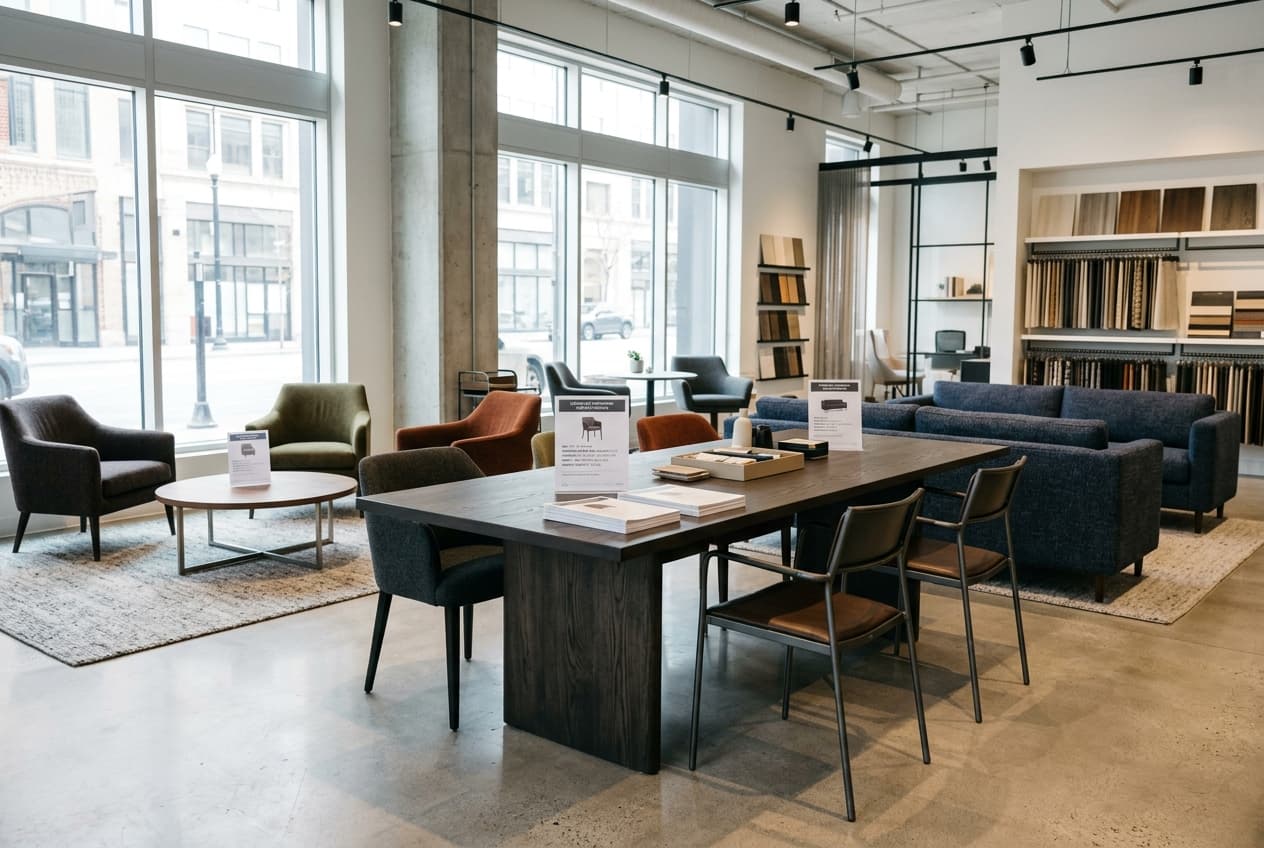
The way around this is working with a supplier who maintains a library of in-stock or quick-ship frames that can still be finished in custom fabric without triggering a full custom-manufacture minimum. That approach lets a boutique property in the Haymarket or downtown corridor get a distinctive look without waiting on production minimums built for a much larger order. Ask any supplier you are evaluating what their smallest viable custom order actually looks like, and get that answer before you fall in love with a fabric that turns out to require 200 yards minimum.
Planning Around Lincoln's Renovation and Event Cycle
Timing a boutique hotel renovation or opening around Lincoln's calendar takes real planning. Opening before the fall football season captures a full year of the market's highest-demand weekends, but that means locking furniture specs in the spring to leave enough runway for an 8 to 14 week domestic lead time plus installation. Renovations at existing boutique properties need to work around the same calendar in reverse, scheduling disruptive work for the offseason months when a property can absorb a partial closure without losing the weekends that carry a disproportionate share of annual revenue.
A supplier who understands this rhythm will help you sequence a phased renovation so public spaces and a portion of guest rooms stay bookable through as much of the calendar as possible, protecting revenue during the transition. That kind of planning conversation should happen before you finalize a renovation timeline, not after the contractor is already on site. Reach out with your project timeline and let a supplier who has done this before help you sequence it correctly.