Portland runs on a compressed calendar that most operators in bigger metro markets never have to plan around. From late May through October, the Old Port's cobblestone streets fill with wedding parties, the waterfront hotels book out for corporate retreats tied to the summer tourism surge, and inland venues around Falmouth and Cape Elizabeth run back-to-back weekend weddings for a client base willing to travel to coastal Maine specifically for the setting. The Cross Insurance Arena downtown and the convention space attached to it pull in a steady run of association meetings and trade events, while historic properties on Munjoy Hill and around the Eastern Promenade host smaller galas and rehearsal dinners in rooms that were never built with modern event volume in mind. If you run a hotel banquet department, an event barn, or a restaurant with a private dining program anywhere in greater Portland, your furniture inventory has to survive a short, brutal season and still look sharp for every single booking, and most properties don't plan hard enough for that until a chair frame gives out mid-season or a room reset runs long on a night with three events stacked back to back.
What Portland's Compressed Season Actually Requires
The seasonality question is where a lot of Portland venues underestimate their own furniture needs. A property might book four events in a single June weekend and then sit relatively quiet in February, but the furniture still has to be sized for peak demand, not average demand. That means your banquet chairs and folding tables get an entire year's worth of wear compressed into five or six months, with staff resetting rooms overnight between a Friday rehearsal dinner and a Saturday wedding reception.
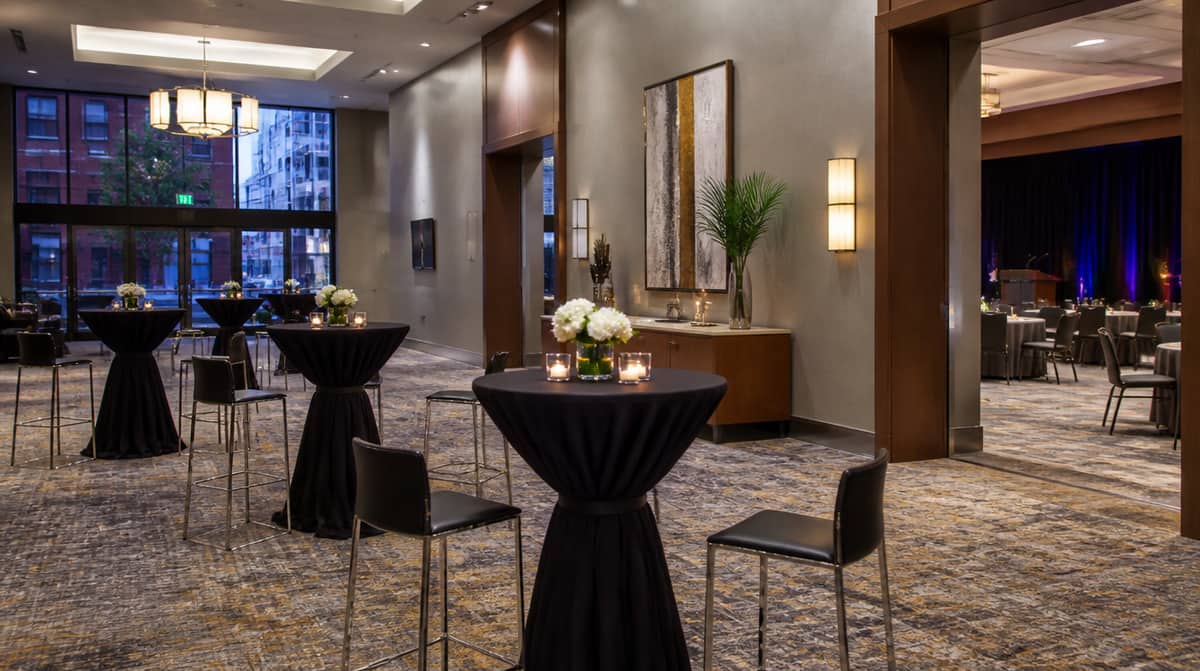
Stackable banquet chairs rated for eight to ten high are the right baseline for any Portland property running a full event season, and the cart system matters just as much as the chair spec. Many of the city's event spaces, particularly the converted warehouses and historic buildings in the Old Port and along Commercial Street, have narrow service corridors, tight freight elevators, and uneven old floors. A dolly that's sized wrong for the space, or wheels that catch on original wood flooring, turns a fifteen-minute chair move into an hour of frustration for a crew that's already tight on time between back-to-back bookings.
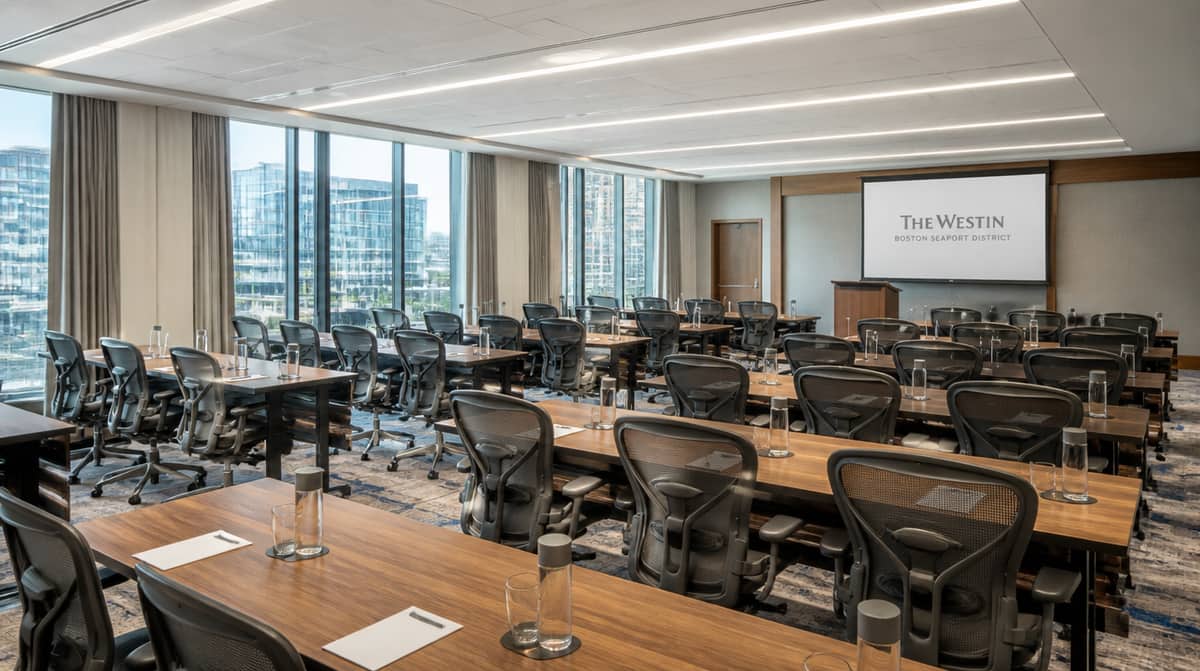
Folding tables need to cover the full range of formats Portland venues actually book, not just the most common one. Round tables at 60-inch or 72-inch are standard for the seated wedding dinners that make up a large share of the summer calendar, while rectangular 6-foot and 8-foot tables get pulled for rehearsal dinner buffets, corporate meeting configurations, and the raw bar and lobster setups that are practically a rite of passage for coastal Maine receptions. Venues that keep a deep enough stock of both formats are the ones that can say yes to whatever a planner asks for without scrambling.
Chair Spec for Venues from the Old Port to Falmouth
The banquet chair is the one piece of furniture every guest sits in for the entire event, and it's also the piece your staff handles the most over a season. Those two demands don't automatically point to the same chair, and the properties that get it right think through both before they order.
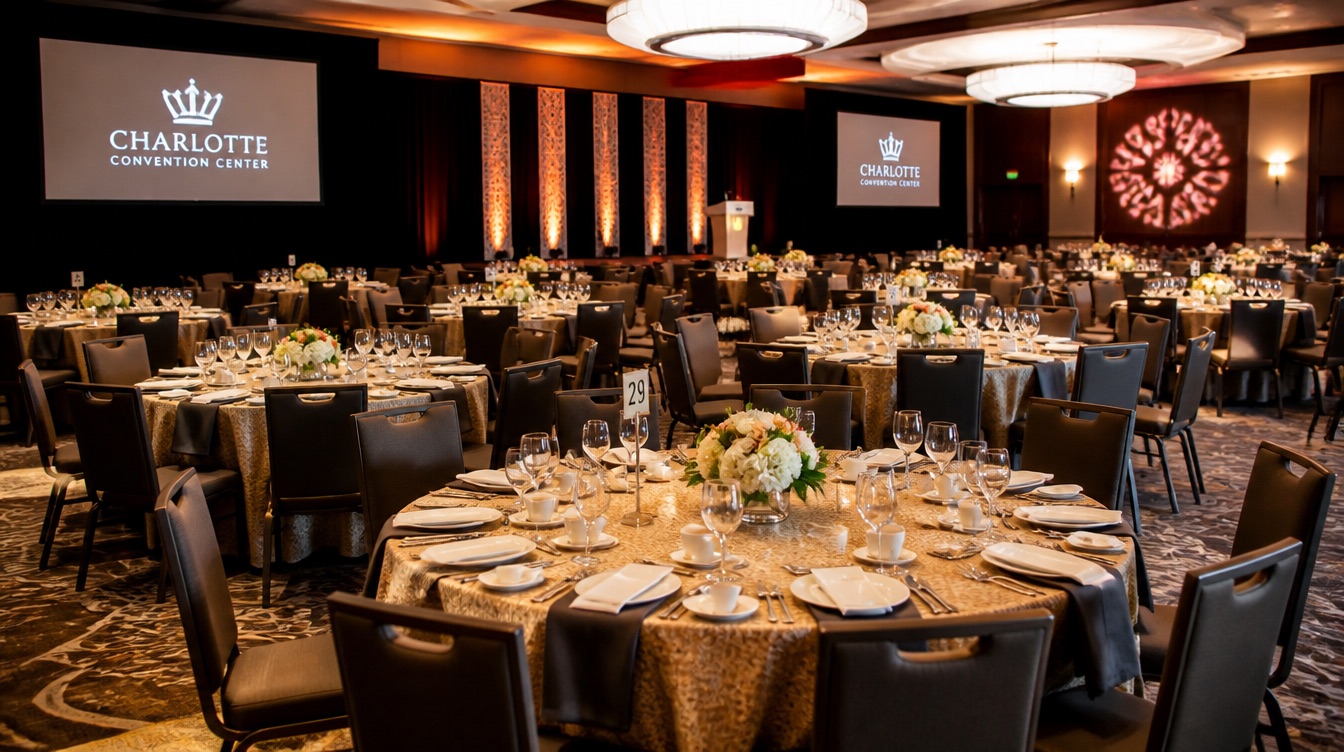
Frame material is the first fork in the decision. Steel frames run heavier but take repeated stacking and moving without loosening up, which matters in a market where the same chairs get broken down and reset dozens of times over a compressed season. Aluminum frames are easier on staff moving large quantities in a hurry, but they need heavier-gauge construction to hold up to the same volume. In Portland's wedding-heavy venues, the historic estates around Cape Elizabeth and Falmouth, and the barn and waterfront properties that dominate the destination wedding market, Chiavari chairs remain the standard because they photograph well against a Maine coastline and read as appropriately formal for the price point couples are paying. For corporate and association business tied to the Cross Insurance Arena or the downtown hotel corridor, a padded steel stacker that resets fast usually makes more operational sense than a chair chosen for looks alone.
Foam density in the seat and back cushion is a spec that gets overlooked constantly and shouldn't be. Budget contract chairs often use foam that starts compressing within two years of steady use, and guests notice a flattened seat cushion just as fast as they notice a wrinkled tablecloth. High-density foam holds its shape through years of repeated use, and for a property that's buying chairs meant to last through seven or eight full Maine wedding seasons, it's worth paying for up front.
Folding Tables: The Operational Backbone
Folding tables rarely get much credit, but they're where a smooth room flip either happens or falls apart. A hinge that's starting to fail creates wobble, and a wobbling table under a formal place setting during a seated dinner gets noticed fast, especially with a wedding photographer working the room. Commercial-grade folding tables built with reinforced steel hinges, and a center support leg on the longer rectangular formats, hold steady even when they're loaded down with chafing dishes and full place settings.
Surface finish matters more in coastal Maine than people expect. The salt air and humidity swings between a waterfront event space, a loading dock, and a climate-controlled ballroom put real stress on furniture finishes over a season, and older buildings around the Old Port often don't have consistent climate control between back-of-house and front-of-house spaces. High-pressure laminate resists warping and moisture absorption far better than a budget veneer, and it holds up to the quick wipe-downs a crew does at midnight before turning a room for a breakfast meeting the next morning.
For Portland venues in exposed brick warehouses along Fore Street or in barn-style properties further out toward Falmouth, an uncovered table's appearance actually matters, since a lot of these spaces lean into a more rustic, unfussy look rather than full linen coverage on every surface. Clean edge profiles and a neutral laminate finish let a room read as intentional even when tables are left bare for part of an event.
Buying Volume, Managing Storage, and Working with the Right Supplier
Space is tight at most Portland event venues, and that's before accounting for the fact that many properties operate out of converted historic buildings never intended for banquet storage. The newer hotel developments along the waterfront were built with dedicated event storage in mind, but older properties on Munjoy Hill, in the Old Port, and out toward Falmouth are frequently working with whatever back-of-house square footage is left over. If your storage is limited, that should shape your spec directly, since chairs that stack to twelve high take up meaningfully less floor space than chairs that top out at six, and across a full seasonal inventory that difference adds up fast.
Ordering commercial furniture in volume from a single contract supplier, instead of piecing an inventory together from several smaller purchases, keeps your room looking consistent from one event to the next. Chairs from mismatched orders often turn out to be slightly different shades of the same finish, or frames that don't quite match in weight, and that inconsistency is exactly the kind of thing a wedding photographer or corporate planner will notice even when a guest wouldn't. Locking in a single model for your full program, or documenting it clearly for future reorders, keeps an inventory looking cohesive for years.
A supplier who understands the hospitality contract market can walk you through storage constraints before you commit to an order, help you plan out cart and dolly logistics for tight service corridors, and give you realistic lead times when you're racing toward a spring opening or trying to get a full inventory ready before the season starts. For a Portland property counting on a full run of summer weddings and shoulder-season corporate business, ordering furniture with real lead time built in isn't optional. Maine's short season means there's no room to be caught short once the calendar fills up.