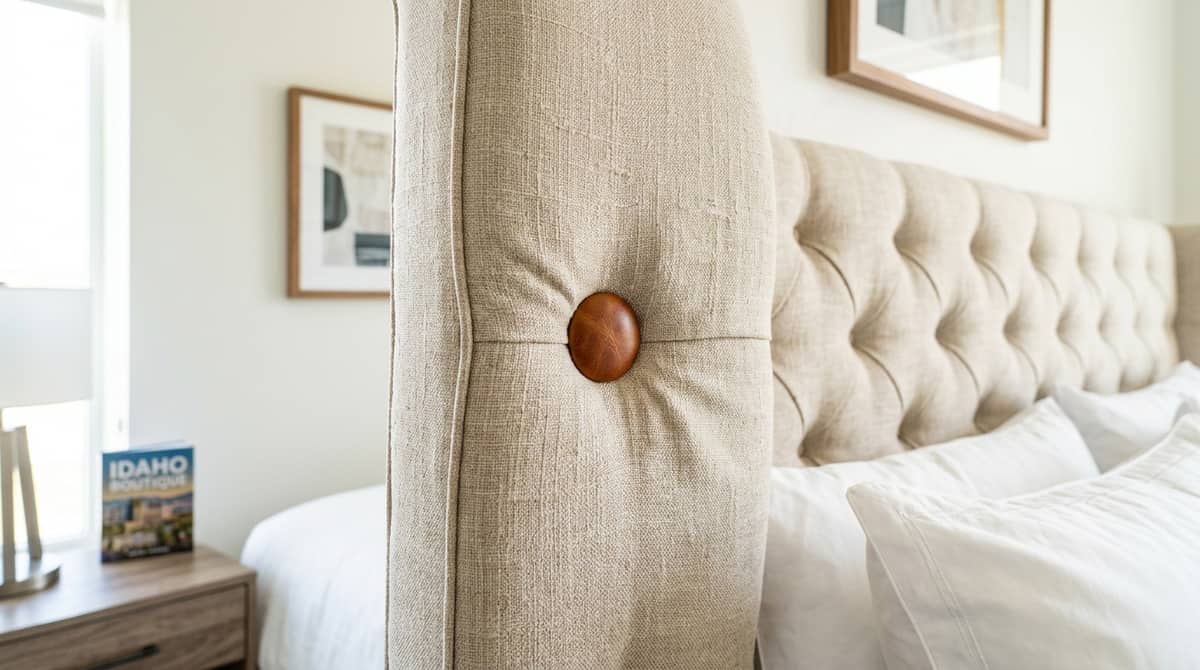
Portland's boutique hotel market punches well above the size of the city. You have Old Port properties tucked into converted 19th-century warehouses, their exposed brick and timber beams already doing half the design work before a single chair arrives. You have harbor-adjacent boutiques near the ferry terminal and the cruise ship berths, chasing a very different guest than the Old Port crowd: someone stepping off a ship for a few hours, or arriving for a long coastal weekend. You have smaller independent properties on Munjoy Hill and toward the West End, where the pitch is neighborhood character rather than downtown proximity. Each of those contexts wants a different furniture answer, and none of them can be served by a standard chain-hotel FF&E program. If you are sourcing boutique hotel furniture Portland, Maine style, the core challenge is consistent across all of them: contract-grade construction, small order quantities, and a look that reads as intentional rather than pulled from a catalog.
Why Portland's Seasonal Calendar Changes the Durability Math
Portland does not have a year-round convention engine the way a larger metro does, but it has something that stresses furniture just as hard: a brutal seasonal swing. Cruise ship season alone brings tens of thousands of day visitors through the Old Port between late spring and fall, and the ripple effect hits every boutique property within walking distance of the waterfront. Add the Old Port Festival, the summer wedding season along the harbor, and the fall foliage rush that pulls leaf-peepers up from Boston and New York, and you get a compressed period where lobby seating, bar furniture, and guestroom pieces absorb far more use than the shoulder-season occupancy numbers would suggest.
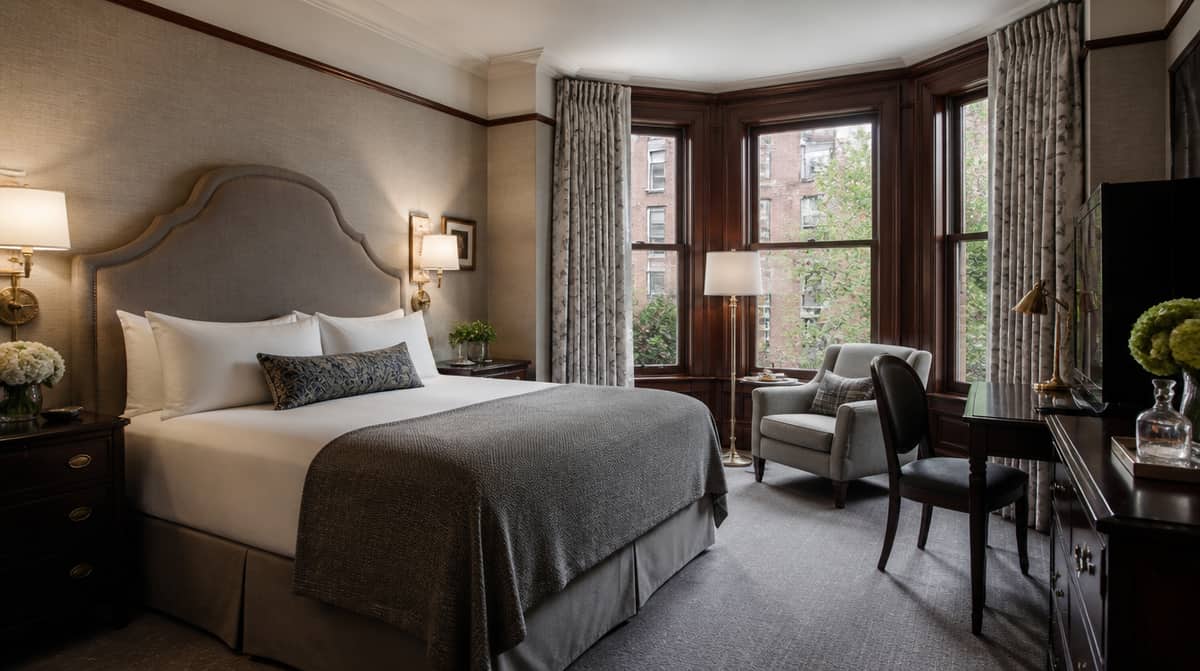
Furniture that coasts through a quiet February week faces a completely different stress test during a September weekend when three cruise ships are in port and every harbor-view property is running near capacity. The lounge chairs in the lobby, the upholstered pieces at the bar, the seating in the guestrooms, all of it needs to be specified for heavy commercial use from day one. Residential-grade furniture dressed up in hospitality language cannot hold up to that compression, and Maine's damp coastal climate adds another variable: humidity and salt air accelerate wear on finishes and hardware that were never rated for it.
Contract-grade construction means hardwood or engineered hardwood frames, upholstery rated above 30,000 double rubs in high-traffic zones, and finishes specified to resist the moisture that comes standard with a working harbor. For boutique properties riding Portland's seasonal swing, that construction standard is the floor, not an upgrade.
Design Cohesion in a City Defined by Its Brick
What separates a memorable boutique property in Portland from a forgettable one is not any single piece of furniture, it is whether the room reads as designed against the building it sits inside. That distinction comes down to locking a material palette before sourcing begins, not after.
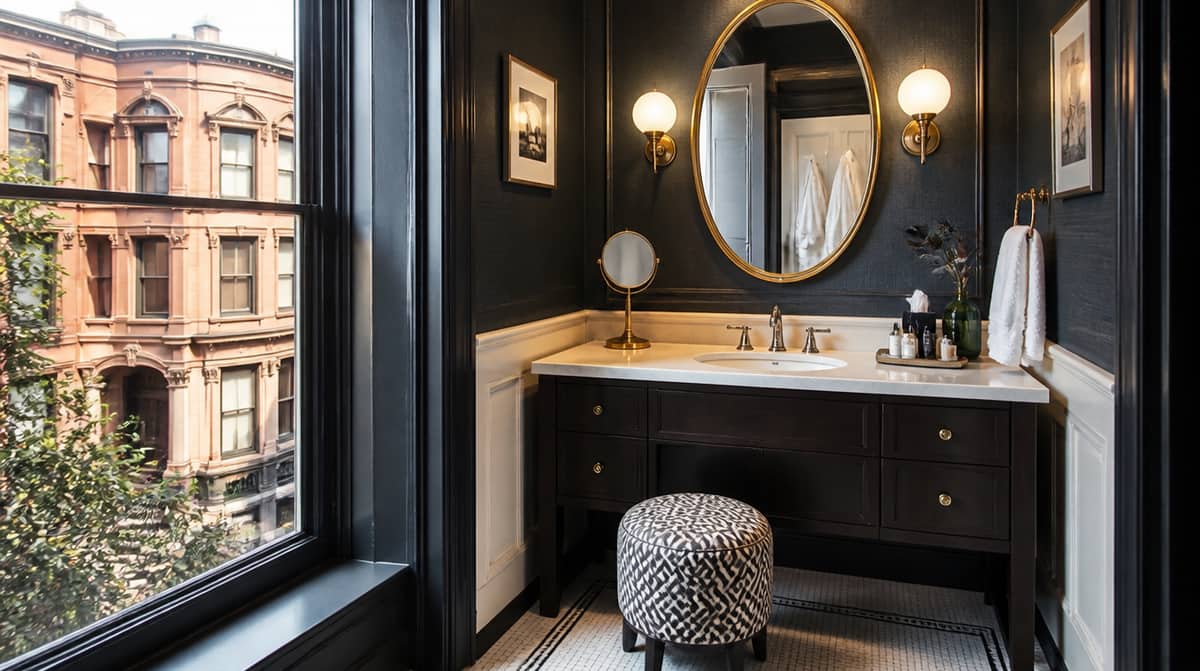
An Old Port property inside a former ship chandlery or textile warehouse can lean into its bones: dark wood tones that echo the original timber, blackened or aged metal frames, wool and linen textiles that nod to Maine's maritime and mill history without tipping into costume. A harbor-view boutique positioned toward leisure travelers and honeymooners wants something lighter and more coastal: pale wood case goods, upholstery in soft blues and sandy neutrals, brass or warm nickel accents that photograph well against natural light off the water. A smaller Munjoy Hill property leaning into neighborhood identity can go more eclectic, mixing vintage-inspired silhouettes with contract-rated construction underneath.
The mistake is sourcing individual pieces that each look good alone, then trying to force them into agreement once they arrive on site. The result is a room that reads as assembled instead of designed, and design-literate travelers, who are exactly the guests a boutique property in a city like Portland is trying to win, notice immediately when a room lacks a coherent logic. Palette first, sourcing second. Pick two or three anchor finishes, one dominant wood tone or metal family, and a tightly controlled fabric range, then hold every purchase order to those constraints.
Navigating Minimums in a Small-Property Market
Most national contract furniture manufacturers are built for scale. A 300-room order is a comfortable Tuesday for them. A 22-room boutique property on Munjoy Hill ordering 30 lounge chairs and 20 guestroom desk chairs does not move the needle for those manufacturers, and their minimum order thresholds make that clear fast.
Treat that as a filter, not an obstacle. The suppliers worth pursuing are the ones whose business model is built around exactly this kind of order: independent inns, boutique hotels, restaurant groups, and adaptive reuse projects that need mixed SKUs in modest quantities. These manufacturers will not blink when you need 14 units of one chair and 9 of another with two different COM fabrics. Ask about minimums in writing before you build a full specification around a supplier who cannot actually fill your order at your scale.
Portland's design and hospitality trade is smaller than Boston's or New York's, which means working with a supplier who understands New England hospitality procurement, not just furniture, matters more here than in a bigger market. For hospitality-specific sourcing, confirm commercial ratings, FR compliance documentation, and a track record delivering into properties with seasonal occupancy patterns similar to yours.
If you are working with an FF&E consultant or purchasing agent, one of the strongest arguments for the relationship is order aggregation, combining your property's specification with other small hospitality projects to access manufacturer programs a standalone 20-to-30-room order would never unlock on its own.
Planning for Portland's Renovation Cycle
Boutique properties in the Old Port and along the waterfront refresh faster than most owners expect going in. New independent properties keep opening in converted commercial buildings, and a room that felt fresh at opening can start to feel dated within four to five years as new competition arrives nearby.
The right time to plan for that refresh is during initial procurement, not once you are already behind. Specify frames and case goods built to last the full renovation cycle, and treat upholstery as the shorter-rotation variable. Require COM-ready construction on every upholstered piece from the start, no proprietary fabric systems and no hidden frame mechanisms, so a reupholstery pass is simple when the time comes. Keep clean records of your original specifications: frame construction, foam densities, fabric weights, finish codes. Knowing exactly what went in the first time makes the next sourcing cycle move considerably faster.
Lead times on custom upholstery programs typically run 10 to 16 weeks. If you are targeting a spring reopening ahead of cruise season, or working toward a summer wedding calendar that books a year out, furniture orders need to ship early enough to clear that timeline without squeezing the install window. First-time boutique owners consistently underestimate how tight the gap is between order placement and opening day once custom work enters the picture.
Sourcing boutique hotel furniture in Portland, Maine is a more specific problem than general commercial procurement. The city's seasonal cruise and tourism swing, its warehouse-and-harbor architectural character, and its small-property market all shape what survives and what fails. Getting the specification right before the order ships is the most cost-effective decision on the project.