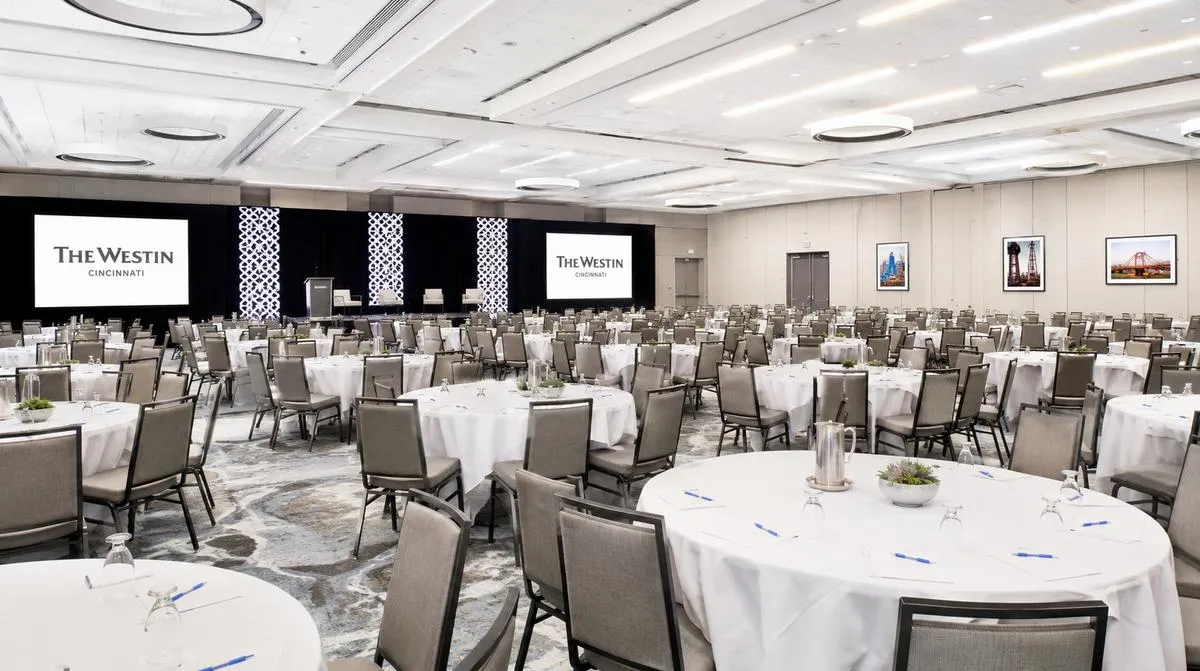
Charleston, West Virginia is a smaller market than Atlanta or Charlotte, but it carries an outsized share of banquet business for its size. As the state capital, it hosts a steady stream of legislative receptions, agency banquets, and association conferences that cluster around the Charleston Coliseum and Convention Center downtown, just blocks from the Kanawha River. Add in the Clay Center for the Arts and Sciences for galas and formal dinners, the hotel ballrooms lining Lee Street and Washington Street East, and the country clubs and event barns scattered through the South Hills and the Kanawha Valley for weddings, and you have a market that runs a wide variety of event formats through a comparatively small number of venues. If you manage banquet operations for a downtown hotel, the convention center, or a standalone event space, your furniture inventory gets asked to do a lot with limited storage and a lean crew, and that reality should shape every purchasing decision you make.
What Charleston's Event Volume Actually Requires
The volume question in Charleston looks different than in a larger metro, but the pressure on furniture is just as real. A single ballroom at a Lee Street hotel might host a state agency awards banquet on a Thursday, a wedding reception Friday, and a Saturday morning legislative breakfast before turning the room for another dinner that same night. With fewer venues absorbing that business, each room gets reset more often relative to its size, and your banquet chairs and folding tables take the wear that comes with constant handling by a staff that is often smaller than what a bigger city property would carry.
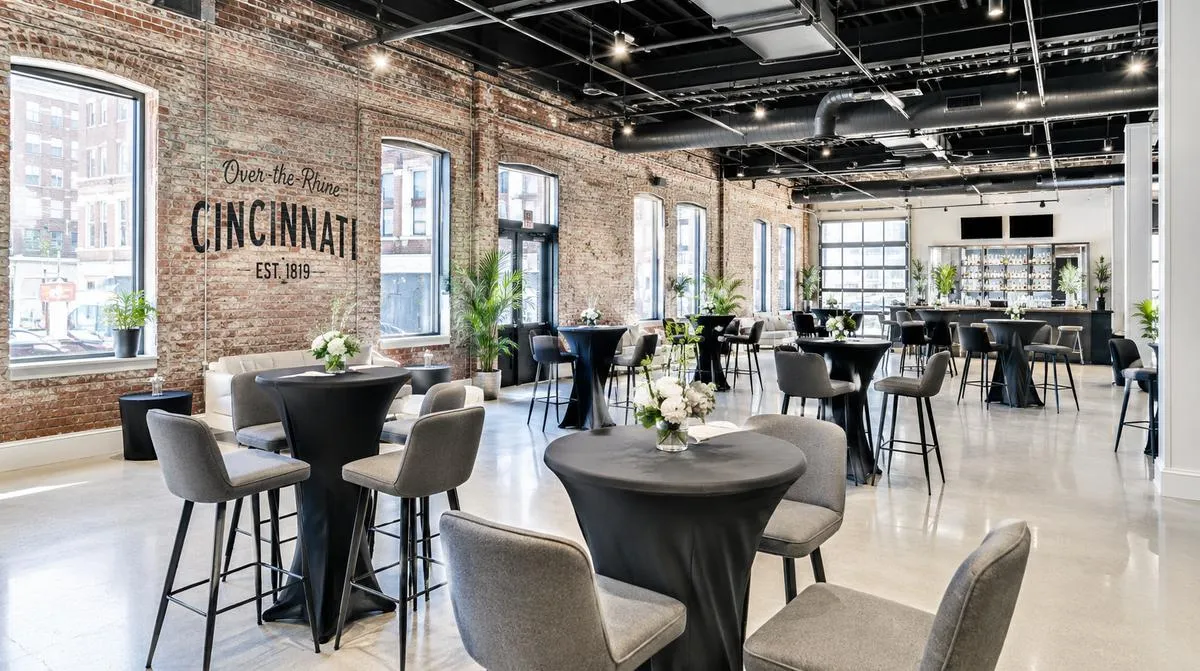
Stackable banquet chairs rated for eight high or better make sense for any Charleston venue running a regular banquet and conference calendar, and the dolly system matters just as much as the chair itself. When a lean banquet crew has to flip a room in under an hour between a luncheon and an evening reception, a chair cart sized to the exact chair model, with wheels that roll cleanly over carpet transitions and hardwood alike, saves real labor hours over a season.
Folding tables need to cover the range of formats Charleston venues actually book, not just the most common one. Round 60-inch and 72-inch tables are the default for wedding receptions and formal banquets held at the country clubs in South Hills and the event venues around the valley. Rectangular 6-foot and 8-foot tables get pulled for legislative committee meetings, association trade displays, and buffet lines at the convention center. Properties that keep enough of both formats on hand rarely find themselves improvising a setup the morning of an event.
Chair Spec for Properties from Downtown to the South Hills
The banquet chair is what a guest sits in for the length of a three-hour dinner, and it is also what your staff handles hundreds of times over the course of a busy legislative session or wedding season. Those two demands do not always line up, and the chairs worth buying are built with both in mind.
Frame material is the starting point. Steel frames carry more weight but hold up well to the impact of daily stacking, which suits high-frequency venues near the convention center where turnover is constant. Aluminum frames are lighter and easier for a small crew to move in volume, though they need a heavier gauge of metal to match steel for durability. In Charleston's wedding market, concentrated in the country clubs and private event spaces of the South Hills and the surrounding valley, Chiavari chairs remain the standard choice because they photograph well and read as formal without extra styling. For convention center bookings and downtown hotel banquets tied to state government business, a padded steel stacker is usually the more practical spec, since durability and fast reset time matter more than a decorative silhouette.
Foam density is worth checking before it becomes a problem. Budget contract chairs and retail-grade seating often compress noticeably within two years of regular use, and a chair that feels flattened out reads to guests the same way a worn carpet does. High-density foam holds its shape through years of heavy rotation and is the right investment for a property planning to keep its chair inventory in service for the better part of a decade.
Folding Tables: The Operational Backbone
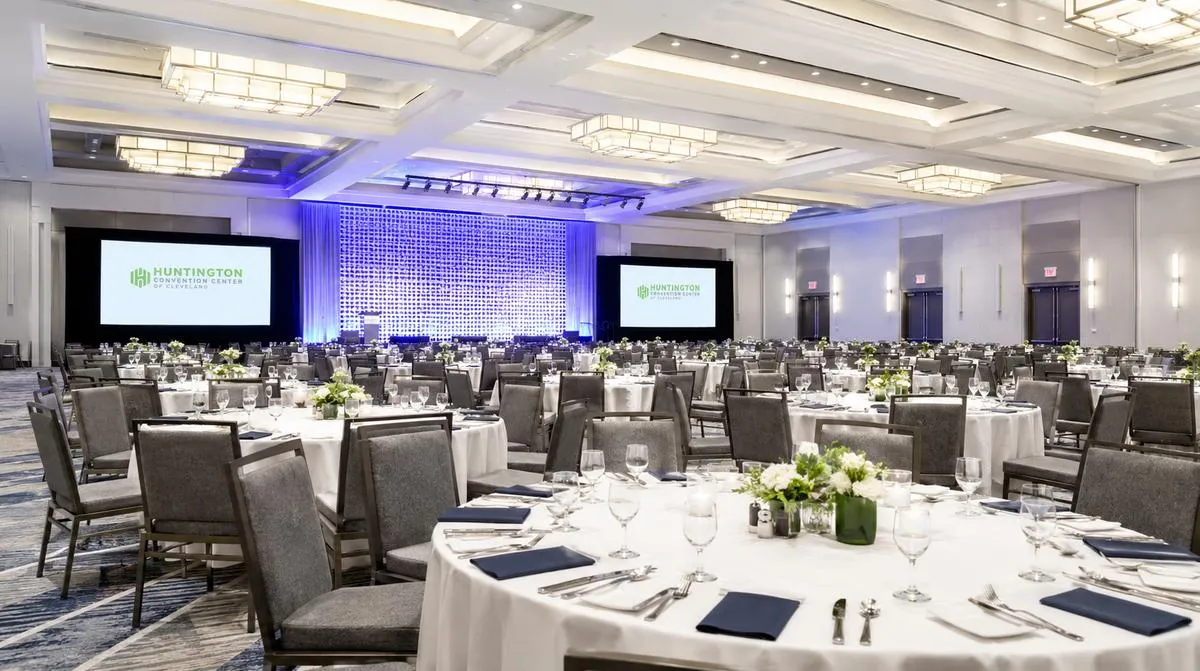
Folding tables rarely get much attention, but they determine how smoothly a room flip goes. A weak hinge leads to wobble, and a wobbling table under a centerpiece at a seated dinner is the kind of thing every guest at that table notices. Commercial-grade tables use reinforced steel hinges, and on longer rectangular formats a center support leg keeps the surface flat once it's loaded with chafing dishes and place settings.
Surface durability matters through West Virginia's full seasonal swing, from humid Kanawha Valley summers to dry winter heating inside event spaces. High-pressure laminate holds up to that variation far better than a budget veneer, and it wipes clean quickly between back-to-back bookings, which counts for a lot when a small banquet crew is resetting a room late at night before a morning event.
Buying Volume, Managing Storage, and Working with the Right Supplier
Storage space is tight at most Charleston event venues, particularly the older hotel properties downtown and the smaller event barns and clubs outside the city center that were not purpose-built for banquet operations. When square footage for furniture storage is limited, your chair spec should reflect it directly, chairs that stack to twelve high take up meaningfully less floor space than chairs that top out at six, and across a full inventory that difference determines whether your storage room actually fits everything you own.
Ordering commercial furniture in one consistent program, rather than piecing together smaller orders from different sources over time, keeps a room looking uniform. Mismatched chair frames or slightly different finishes from separate orders are the kind of thing planners and photographers notice even when guests do not. Specifying a single model for your full program, and documenting it clearly for future reorders, keeps a Charleston venue's event inventory looking intentional for years rather than assembled piecemeal.
A supplier who understands hospitality contract furniture can walk you through storage footprint before you place an order, help you plan cart and dolly logistics for a small crew, and give you realistic lead times when you're working around a legislative session calendar or a wedding season that books out early. For a Charleston property serving both government and hospitality business, having furniture on hand well ahead of your busiest stretch is not optional, the convention center and hotel calendars fill early, and your banquet program needs to be ready when that business arrives.
We quote banquet and event furniture for Charleston WV operators against their own layouts and order sizes rather than a generic sheet. Request a quote and we will put together pricing for your property.