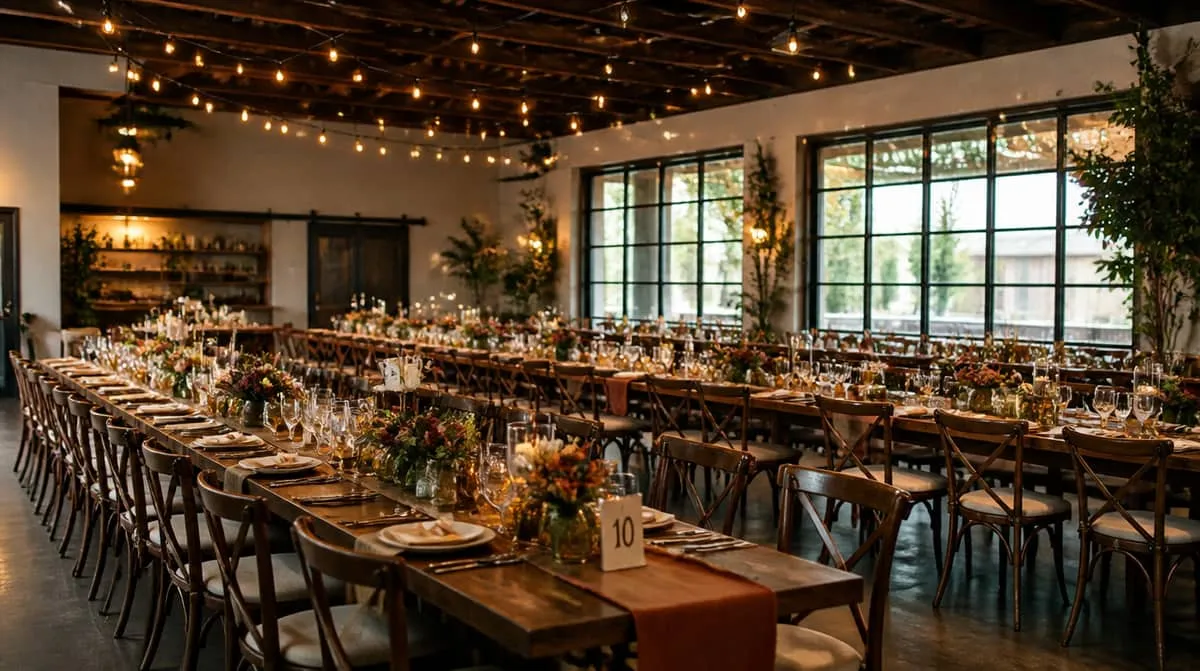
Charleston hosts events at a volume that outpaces its size on a map. The Charleston Area Convention Center in North Charleston anchors large trade shows and corporate conferences that spill guests into every hotel ballroom nearby. Downtown, the historic district's carriage houses, converted warehouses, and waterfront event spaces along the Cooper River book weddings a year or more in advance. Meanwhile the corporate meeting and gala circuit built around King Street hotels and the Upper Peninsula's newer mixed-use developments keeps banquet departments running back-to-back setups most weeks of the year. If you manage a hotel banquet program, an independent event venue, or a restaurant with a private dining wing, your furniture inventory is one of the few operational assets guests judge you on directly, and most properties do not think hard enough about it until a chair collapses mid-service or a room flip runs long.
What Charleston's Event Calendar Actually Requires
The volume problem is where a lot of Charleston operators get caught off guard. A ballroom on the peninsula might run a corporate conference dinner Thursday, a wedding reception Friday, and a Saturday gala with an entirely different floor plan, sometimes for a client who booked the space specifically for its historic character and expects the furniture to match that setting without slowing down the reset. That pace means your banquet chairs and folding tables get moved, stacked, and reconfigured constantly, not occasionally. Furniture built for a slower calendar simply does not survive that schedule.
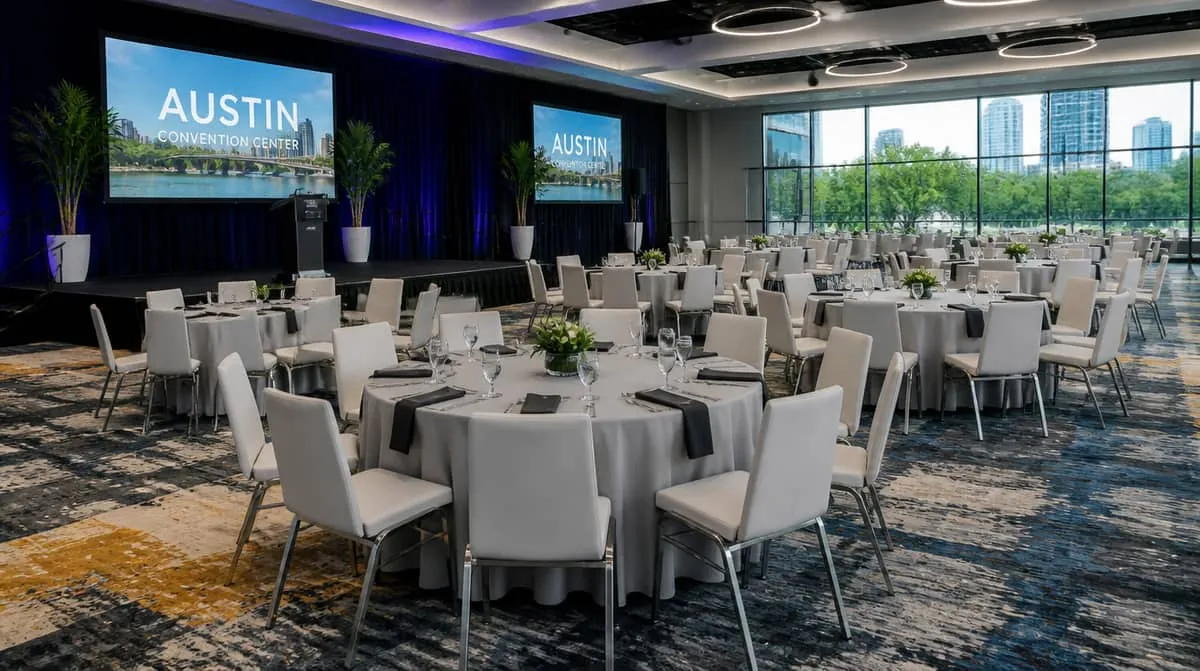
Stackable banquet chairs rated for eight to ten high are the minimum spec for any Charleston property running a real event calendar, but the stack rating only matters if the dolly system underneath it is right. If a chair cart cannot roll cleanly through a narrow service hallway in an older King Street building, or across polished heart pine floors without leaving marks, the number on the spec sheet is irrelevant. Chair carts sized to the exact chair model, with wheels that will not scuff historic flooring, should be part of the original purchase order, not a fix ordered six months later once staff are already frustrated.
Folding tables need to cover the full range of formats your venue books, not just the most common one. Round tables at 60 or 72 inches remain the default for plated dinners and are what most Charleston wedding and gala clients expect. Rectangular 6-foot and 8-foot tables come out for buffet lines, classroom-style meetings tied to the convention center calendar, and serpentine bars at cocktail receptions. Properties that flip rooms efficiently keep enough of both formats in inventory that staff are never improvising a layout on the spot.
Chair Spec from the Historic District to North Charleston
The banquet chair is the piece of furniture a guest sits in for three or four hours straight, and it is also the piece your staff handles hundreds of times a week. Those two demands do not always align, and the better commercial chairs are engineered with both in mind.
Frame material is the first decision point. Steel frames are heavier but absorb impact well, which suits high-traffic venues where chairs get stacked fast by staff closing out a long night. Aluminum frames are lighter and easier to move in volume, but they need thicker-gauge metal to hold up over comparable use. In the historic peninsula's premium wedding and event market, garden venues, converted churches, and waterfront estates, Chiavari chairs remain the standard because they photograph well against period architecture and signal a formality clients are paying for. For corporate-heavy properties near the convention center or along the airport corridor in North Charleston, reset speed and durability tend to win out over aesthetics, and a padded steel-frame stacker usually makes more financial sense.
Foam density in the seat and back cushion is a spec that gets overlooked far too often. Entry-level chairs, including retail crossover products, tend to use foam that compresses noticeably within 18 to 24 months of regular use. Guests notice a deflated seat cushion the same way they notice a stained tablecloth. High-density foam holds its shape through years of nightly use and is worth paying for on chairs you plan to keep in rotation for seven to ten years.
Folding Tables: The Operational Backbone
Folding tables rarely get design attention, but they determine whether a room flip goes smoothly or falls apart. A table with a weak hinge develops wobble, and a wobbling table under a centerpiece at a seated dinner gets noticed by every guest at that table. Commercial-grade folding tables use reinforced steel hinges, and on longer rectangular formats a center support leg that keeps the surface flat once it is loaded with chafing dishes, glassware, and place settings.
Surface finish matters in Charleston's climate specifically. Coastal humidity is a year-round factor, and event spaces running heavy catering programs deal with constant swings between kitchen heat, loading dock air, and a climate-controlled ballroom. High-pressure laminate resists warping far better than budget veneer, wipes down quickly between events, and does not absorb spilled sauce or wine the way softer surfaces do. If your crew is cleaning 50 or 60 tables at midnight before a Saturday morning setup, cleanability is not a minor detail.
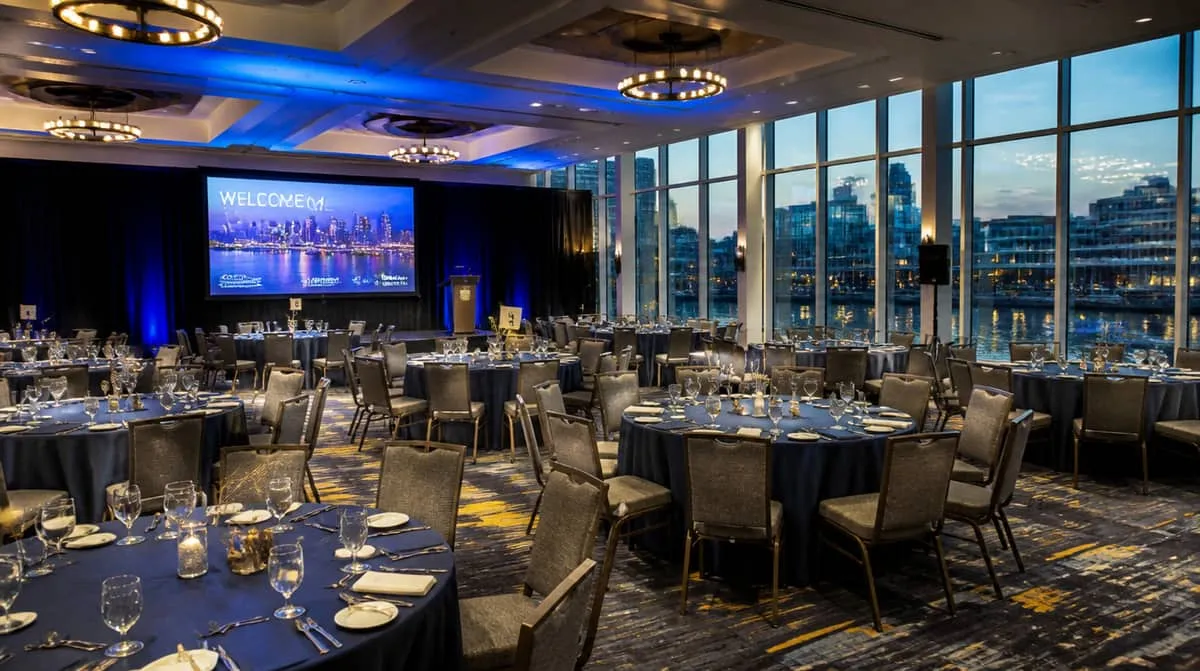
For venues in converted warehouses on the Upper Peninsula or in waterfront spaces where uncovered tabletops are part of the design, table aesthetics matter more than they would in a conventional hotel ballroom. A table that looks presentable bare, with clean edge profiles and no visible hardware gaps, gives a venue more layout flexibility and lets a client picture the room honestly instead of assuming every format needs full linen.
Buying Volume, Managing Storage, and Working with the Right Supplier
Charleston's older buildings, many of them protected under historic district guidelines, often leave back-of-house storage tight. Newer hotels and the properties built around the convention center in North Charleston tend to have dedicated furniture storage bays designed into the floor plan, but downtown venues converted from carriage houses, churches, or warehouses are frequently working with whatever space is left over. If storage is limited, that constraint should shape the spec directly, chairs that stack to twelve high take up meaningfully less floor space than chairs that top out at six, and across a full inventory that difference adds up fast.
Ordering commercial furniture in volume from a single contract supplier, rather than piecing together smaller orders from different sources over time, keeps a room looking consistent. Chairs from two separate orders that come out a shade off, or frames with slightly different weight and profile, create a mismatch that planners and photographers will notice even when guests do not. Specifying one model and buying the full program at once, or documenting that model clearly for future reorders, keeps an inventory looking deliberate for years.
A supplier who understands the hospitality contract market can also help a Charleston venue plan storage footprint before an order goes in, work through cart and dolly logistics, and give an honest lead time estimate when a property is working toward a grand opening or a seasonal renovation. For a venue with a full spring wedding season or a major conference on the North Charleston calendar, getting furniture on site well ahead of the date is not optional, the booking calendar fills fast and the banquet program needs to be ready the moment those groups arrive.
We quote banquet and event furniture for Charleston operators against their own layouts and order sizes rather than a generic sheet. Request a quote and we will put together pricing for your property.