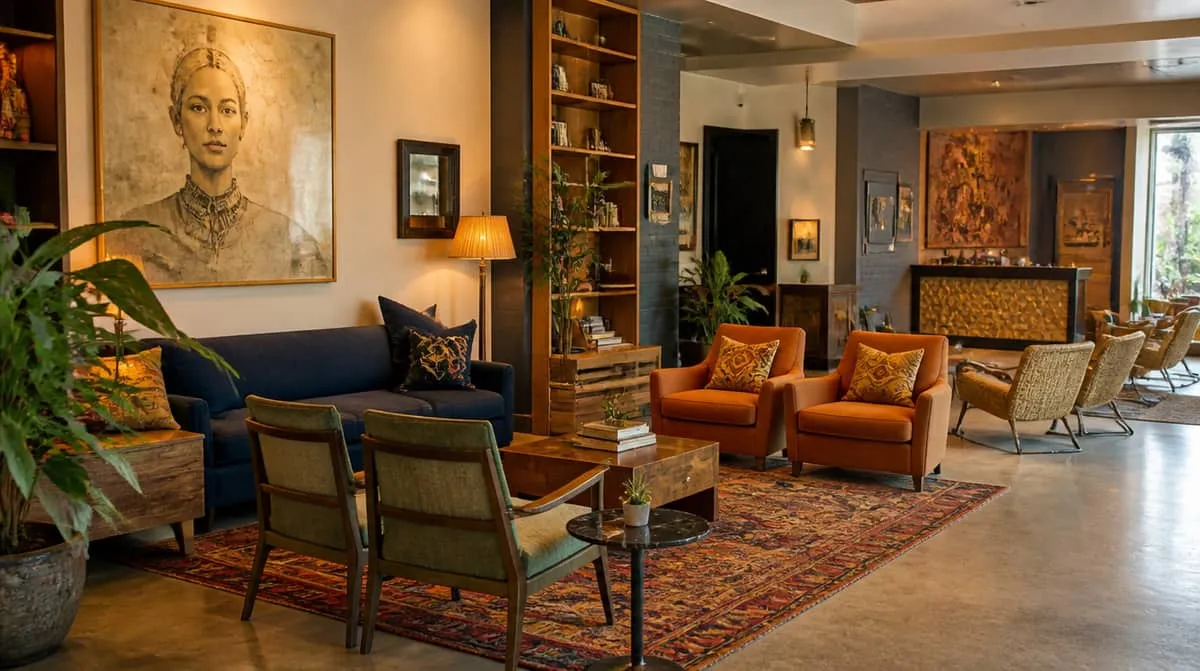
Charleston's boutique hotel market is unlike almost anywhere else in the Southeast, because so much of it operates inside buildings the city will not let you meaningfully alter. You have French Quarter and South of Broad properties tucked into eighteenth and nineteenth century structures with historic district review boards weighing in on everything from window treatments to exterior paint. You have Upper King and Cannonborough-Elliottborough boutiques occupying converted warehouses and single houses, competing for a younger, design-literate traveler who came for the restaurant scene as much as the beaches. You have waterfront properties near the Battery and the harbor courting a wedding and honeymoon clientele who expect a certain level of polish from the moment they walk in. Each of those contexts demands a different furniture answer, and none of them can be served by a standard chain-hotel FF&E program. If you are sourcing boutique hotel furniture Charleston style, the core challenge is the same across all of them: contract-grade construction, smaller quantities, and pieces that read as considered rather than pulled from a catalog.
Why Charleston's Climate and Event Calendar Change the Durability Math
The Charleston peninsula runs a near-constant event calendar. Spoleto Festival fills the city with arts patrons every spring, wedding season stretches from March through November with brides and grooms booking rooms for entire wedding parties, and King Street's restaurant and bar corridor keeps boutique lobbies busy well past midnight most nights of the week. Add in a subtropical climate with humidity levels that punish poorly built upholstery and case goods, and you have a furniture environment that is more demanding than it looks in the marketing photos.
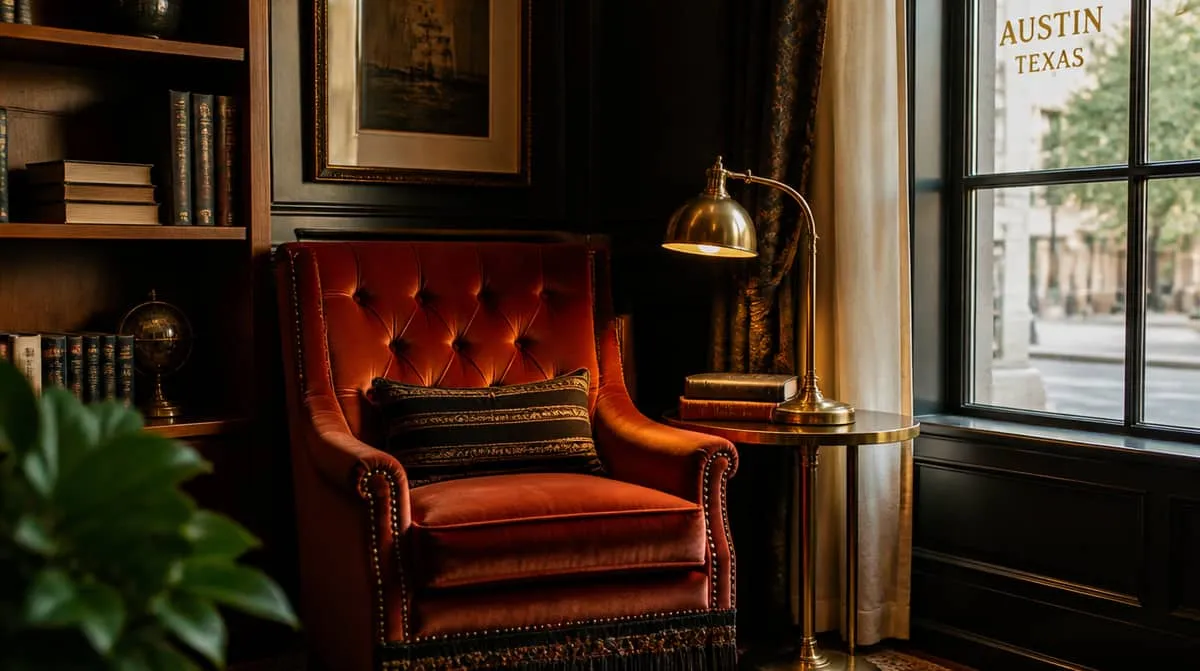
Furniture that looks fine during a quiet October week faces a very different test during a Spoleto weekend or a Saturday wedding turnover, when guests are moving through lobbies and lounges at a pace the room was not necessarily designed for. The lounge chairs in your lobby, the upholstered seating in a courtyard bar, the guestroom furniture absorbing salt air and humidity swings all of it needs to be specified for heavy commercial use and coastal conditions from the start. Residential-grade pieces dressed up with hospitality language do not hold up. Frames warp, glue joints fail in the humidity, and fabric mildews or pulls at the seams far sooner than an owner expects.
Contract-grade construction means hardwood or engineered hardwood frames rated for humid environments, upholstery tested above 30,000 double rubs in high-traffic lounge and bar areas, and finishes that resist the moisture Charleston's climate delivers year-round. For boutique properties running a full event calendar on the peninsula, that construction standard is not optional. It is the floor.
Design Cohesion Inside a Historic District
What separates a strong Charleston boutique property from an average one is not any single piece, it is whether the room reads as designed within a building that was never built for hotel use. That distinction depends almost entirely on how early you lock a material palette before sourcing begins.
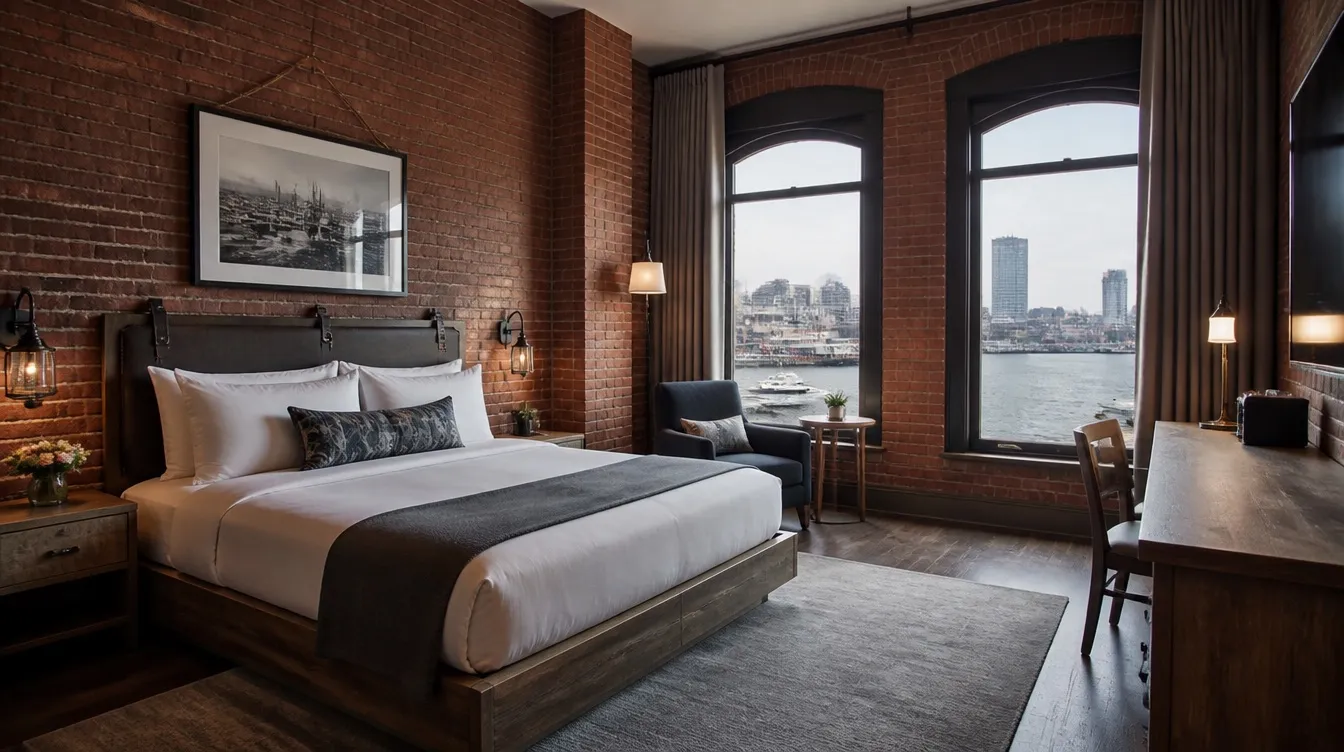
A South of Broad property inside a restored single house can credibly pull from a low country vocabulary: aged brass hardware, woven and rattan accents, soft linen-weight upholstery that nods to the piazzas and shutters outside without tipping into costume. An Upper King or Cannonborough property positioned toward a younger crowd can lean further into an industrial-meets-coastal look, exposed brick paired with cleaner-lined case goods and richer jewel-tone fabrics. A harbor-facing property built around weddings needs a tighter, more polished program, upholstered seating in performance fabric that photographs well for a hundred wedding parties a year, case goods with clean lines that will not date quickly, metal accents in brushed brass rather than anything that reads as trendy chrome.
The mistake is sourcing individual pieces that each look good on their own, then trying to force them into a cohesive room at install. You end up with spaces that photograph as assembled instead of designed, and the design-literate travelers who make up the core Charleston boutique audience notice immediately when a room lacks visual logic. Palette first, sourcing second. Choose two or three anchor finishes, a consistent wood tone or metal family, a tightly defined fabric range, and hold every SKU to those constraints before approvals go out.
Minimums, Historic Constraints, and the Right Suppliers
Most large contract furniture manufacturers are tooled for scale, comfortable with orders in the hundreds of rooms. A 28-room boutique tucked into a single house on Church Street ordering 30 lounge chairs and 20 guestroom desk chairs does not move the needle for those manufacturers, and their minimum order policies reflect it.
That is not a dead end, it is a filter. The suppliers worth pursuing are the ones who already build their business around this kind of account: independent hotels, boutique renovations, restaurant and bar groups operating inside historic footprints. These manufacturers are used to smaller quantities, mixed SKU orders, and the delivery logistics that come with narrow historic-district streets and buildings without loading docks. They will not blink when you need 16 units of one chair and 14 of another, or when a piece has to be delivered in sections because it will not clear a stairwell built in 1820. Ask about minimums and delivery logistics in writing before you build a full specification around a supplier who cannot actually get the pieces into the building.
For hospitality-specific procurement in Charleston, work with suppliers who can document commercial ratings, provide FR compliance certifications where local fire code requires them, and who understand that a historic district review board may have opinions about anything visible from the street, even furniture glimpsed through a lobby window. If you are working with an FF&E consultant or purchasing agent, one of their core functions is aggregating your order alongside other boutique hospitality projects to access manufacturer programs your standalone volume would not unlock on its own. That layer of cost frequently pays for itself in the specification errors and reorders it prevents.
Planning Around Charleston's Renovation and Wedding Cycles
Boutique properties in high-demand corridors, the French Quarter, Upper King, the Battery waterfront, refresh their interiors on a tighter cycle than owners expect going in. Wedding-focused properties in particular feel pressure to keep public spaces photograph-ready as new competitors open across the peninsula, and salt air combined with humidity accelerates wear on fabrics and finishes that would last longer inland.
The right time to plan for that refresh is during initial procurement, not once you are already behind. Specify frames and case goods built to last the full cycle, treat upholstery as the variable you rotate on a shorter schedule, and require COM-ready construction on every upholstered piece from the start, no proprietary fabric tracks, no hidden frame systems, so reupholstery stays simple when the time comes. Keep clean documentation of original specifications, frame construction, foam densities, fabric weights, and finish codes, so the next sourcing conversation moves quickly instead of starting from scratch.
Lead times on custom upholstery programs typically run 10 to 16 weeks. If you are targeting a spring opening ahead of Spoleto or a wedding season launch, furniture orders need to go out early enough to absorb that timeline without compressing the install window. First-time boutique owners in Charleston consistently underestimate how little margin exists between order placement and opening day once custom finishes and COM fabric are involved.
Sourcing boutique hotel furniture in Charleston is a more specific problem than general commercial procurement. The city's historic district constraints, its humidity and coastal exposure, and its packed festival and wedding calendar all shape what survives and what fails. Getting the spec right before the order ships is the most cost-effective decision you will make on the project.
If you are sourcing boutique hotel furniture for your Charleston property, the fastest way to real numbers is to tell us what you need. Request a quote with your quantities and timeline.