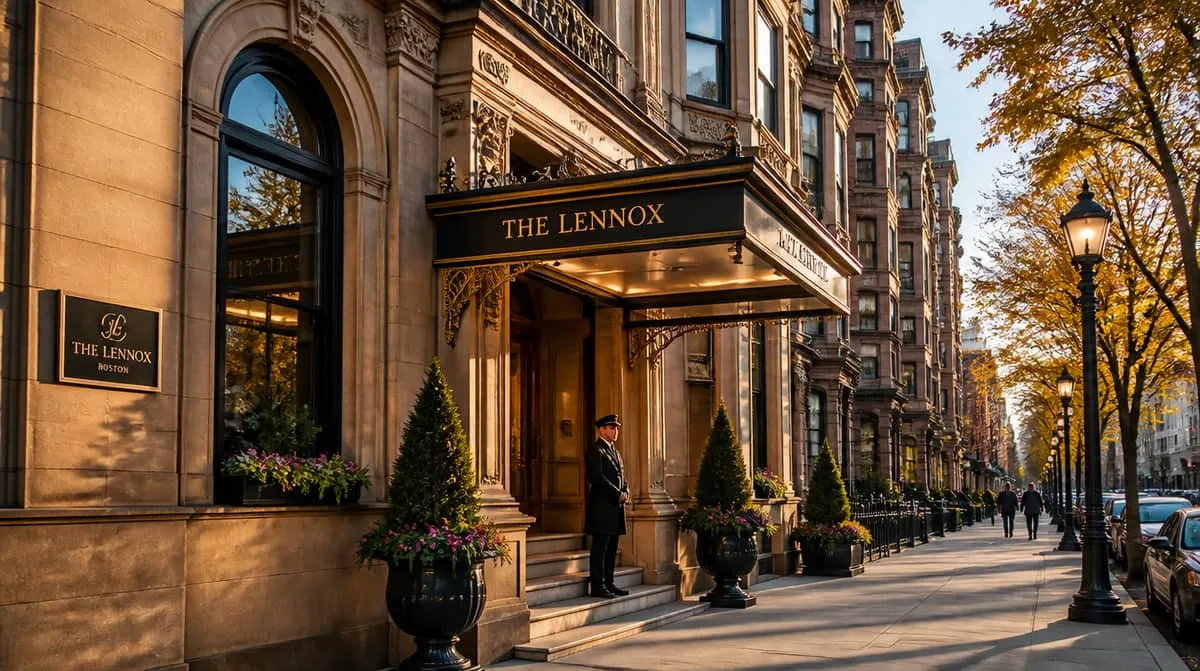
You are managing a ballroom that flips from a Harvard Business School reunion gala on Saturday night to a biotech breakout session Sunday morning and then resets for a BCEC overflow luncheon on Monday. That is the real operating condition for Boston event venues, and the banquet furniture sitting in the middle of it has to keep pace with that schedule without failing, scuffing historic floors, or forcing your operations team to improvise. Boston's event market is driven by some of the most specific demand in the country: academic conference calendars at Harvard and MIT, pharmaceutical and medical industry summits tied to Kendall Square and Mass General, and the full-service convention business flowing through the BCEC in the Seaport. Choosing the right banquet event furniture Boston venues depend on means getting specific about durability, weight ratings, stackability, and storage before the purchase order goes out.
What Boston Event Venues Actually Need From Their Furniture
The BCEC in the Seaport is the largest convention center in New England, and its overflow and co-located hotel and venue business extends across the Innovation District and into Downtown. Properties in that corridor run multiple event formats in the same room inside 48 hours a corporate reception, a breakout session, a plated dinner. Furniture that cannot be moved quickly and reconfigured by a small crew becomes a labor cost problem before it becomes anything else.
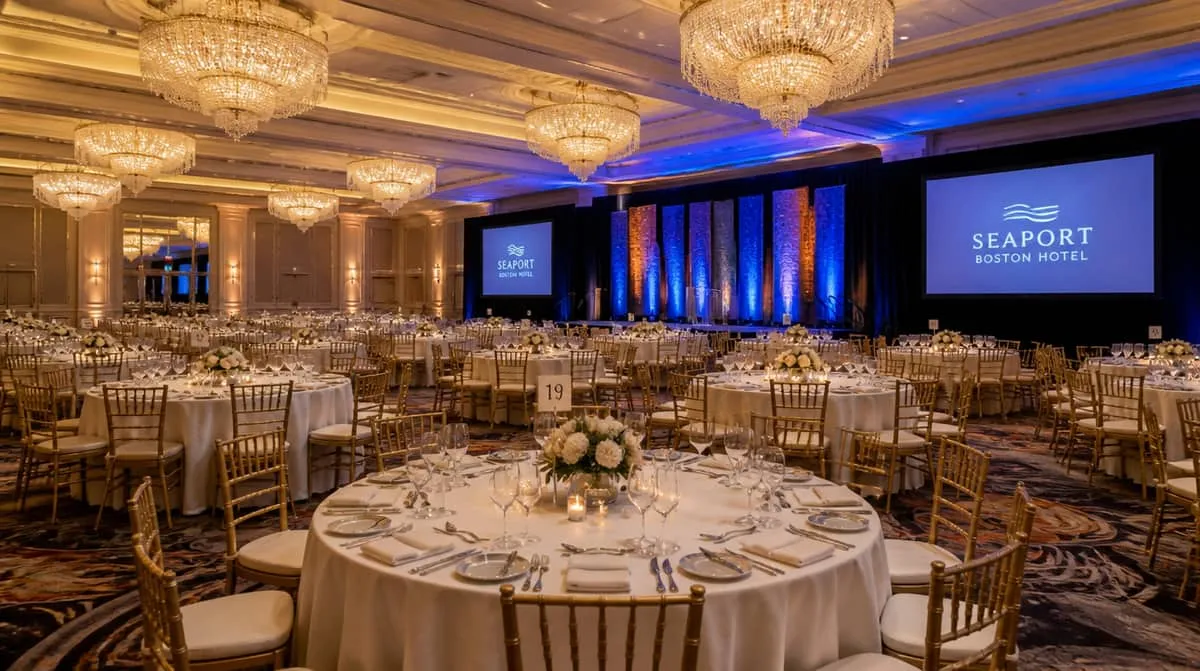
Banquet chairs in this market have to handle both formal and informal setups. Chiavari chairs remain the standard for wedding and gala formats at Back Bay hotel ballrooms, Beacon Hill private event spaces, and the historic venues along the Freedom Trail corridor that host corporate buyouts. Padded stack chairs handle the volume work: BCEC-adjacent conference sessions, association meetings, university symposiums, and the mid-tier corporate events that make up the bulk of Boston's meeting calendar. The best banquet event furniture Boston buyers invest in threads the needle between both something that photographs well for a Seaport venue's marketing and still survives a freight elevator and five years of hard use.
Weight ratings matter more than buyers often expect upfront. Several of Boston's historic grand ballroom properties particularly in Back Bay and along Boylston Street have original structural load limits that directly affect how furniture is staged, stacked, and stored. Verify weight specs against the building's capacity documentation before a large order, especially in any venue occupying a historic property where floor load was never engineered for modern event density.
Stackability, Storage, and the Academic Calendar
Boston's academic calendar drives event volume in patterns that require furniture programs flexible enough to scale up and down rapidly. September move-in and May graduation generate waves of university-hosted events orientation sessions, alumni receptions, academic convocations that overlap with the regular BCEC convention calendar and create demand spikes that some venues manage with supplemental inventory.
For venues managing their own furniture inventory, stackability is a procurement decision, not a convenience feature. Banquet chairs that stack eight high on a dolly versus five high without one translate directly to storage floor space, labor hours per setup, and the speed with which a room can be reconfigured between the academic luncheon and the pharmaceutical reception the same afternoon.
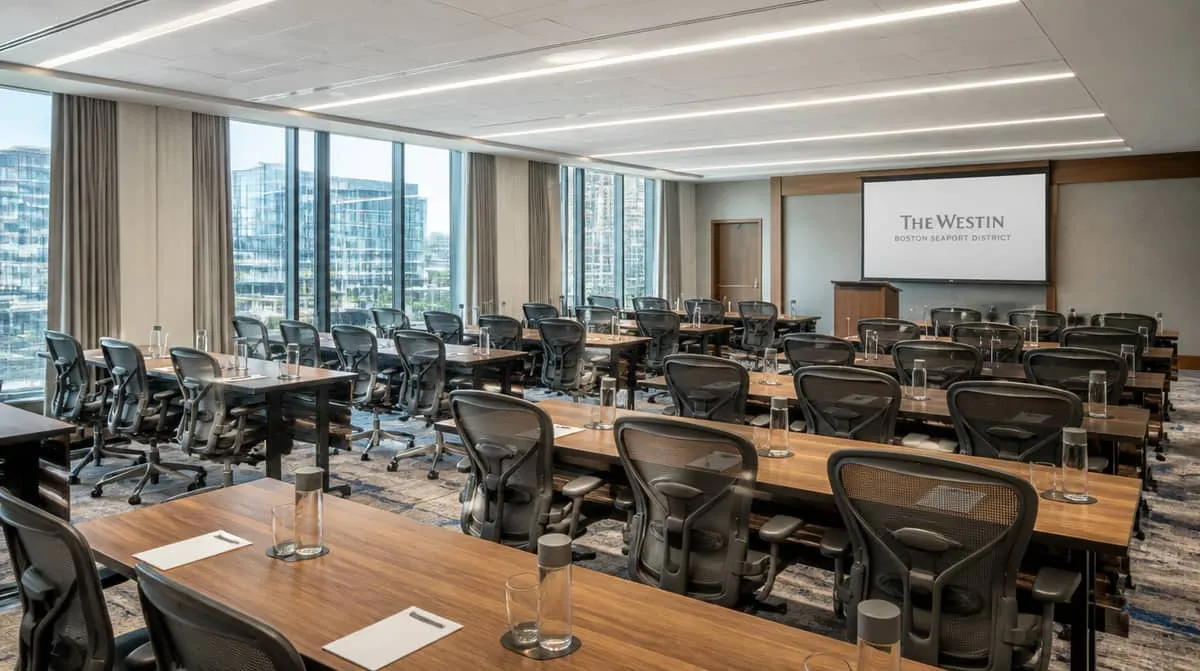
Banquet tables need to collapse smoothly, lock open firmly, and nest on dollies that fit through the freight elevator dimensions common to Boston's historic venue stock. A table that wobbles at a Harvard Club event or binds on the fold mechanism during a tight reset is a liability and an embarrassment. Request operational demonstrations or third-party test results from your supplier before committing, particularly for any venue running high table turnover.
Procurement Logistics for Boston Event Properties
Boston's event furniture procurement has a specific timing challenge tied to the academic calendar. Venues looking to refresh inventory or add capacity should target orders in the February through April window before the spring graduation rush creates demand spikes and before the summer BCEC convention season compresses every venue's operational flexibility.
For custom upholstered chair programs Chiavari pads in a specific fabric, padded stack chairs in a branded color lead times run eight to twelve weeks from final fabric approval. Standard stack chair programs in stocked finishes can often ship in four to six weeks. Know which elements of your program fall into which bucket before you commit to an event calendar that depends on the furniture arriving on time.
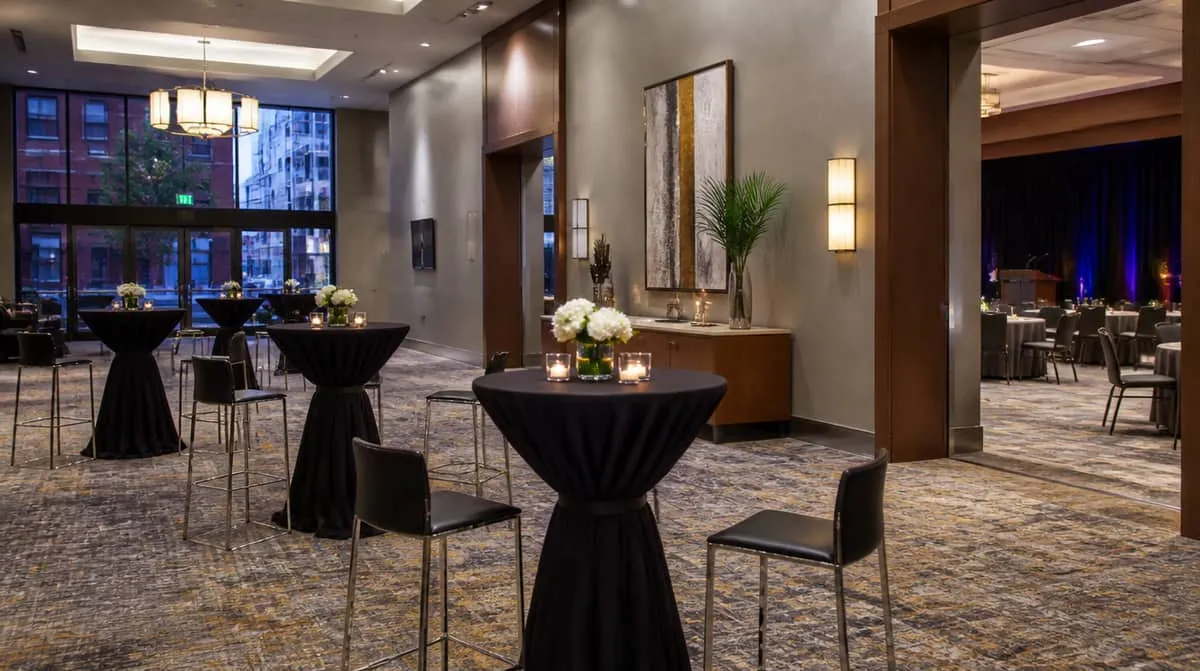
Delivery access in Boston's historic venue stock is worth addressing in procurement conversations before the purchase order is placed. A Beacon Hill venue with no loading dock and a freight access through a residential alley has different delivery requirements than a BCEC-adjacent hotel ballroom with purpose-built freight infrastructure. Suppliers who have worked in Boston's historic building environment will ask about this. Those who have not will discover it on delivery day.
For Boston properties comparing banquet and event furniture options, project-specific pricing tells you more than any published range. Request a quote and we will scope it to your space and volume.
Related reading
- Banquet furniture cost guide: what venues actually pay
- Banquet chairs: the complete commercial buying guide
- Ballroom furniture guide for event venues
- What is contract furniture
- Hotel furniture supplier guide
- Hospitality furniture supplier guide
- Banquet chairs
- Banquet and event tables
- Browse full catalog
- Commercial furniture in Massachusetts