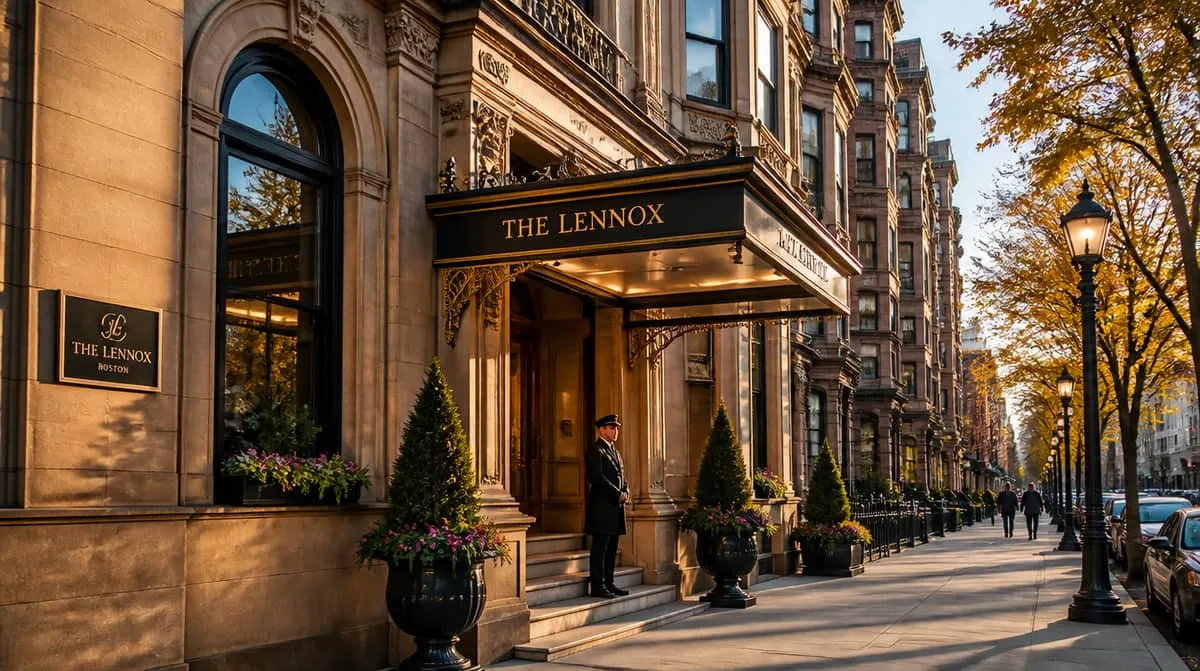
You ordered furniture that looked right in the design presentation. A year later, the upholstery is pulling at the seams, the case goods are showing finish lift near the window edge, and you are looking at a replacement budget that was not in your pro forma. This is the most common mistake boutique hotel owners in Boston make specifying furniture by appearance rather than by construction standard. A Beacon Hill property drawing Harvard reunion guests and a Seaport boutique chasing biotech conference overflow share the same core problem: finding contract-grade pieces that hold up under real commercial punishment, in quantities a 40-room property can actually order, without ending up with something generic that undermines the design identity you built the brand on.
Why Boston's Market Creates Specific Demands for Boutique Properties
Boston's boutique hotel sector operates inside a set of market conditions that intensify the durability stakes. Academic calendars at Harvard and MIT generate occupancy peaks September move-in, May graduation, and the steady drumbeat of academic conferences throughout the year that compress into tight windows rather than distributing evenly. During those peaks, a Beacon Hill boutique or a Cambridge guestroom near Kendall Square is not being chosen for its intimacy. It is being booked because the larger properties filled first. Those guests are not necessarily gentle with furniture.
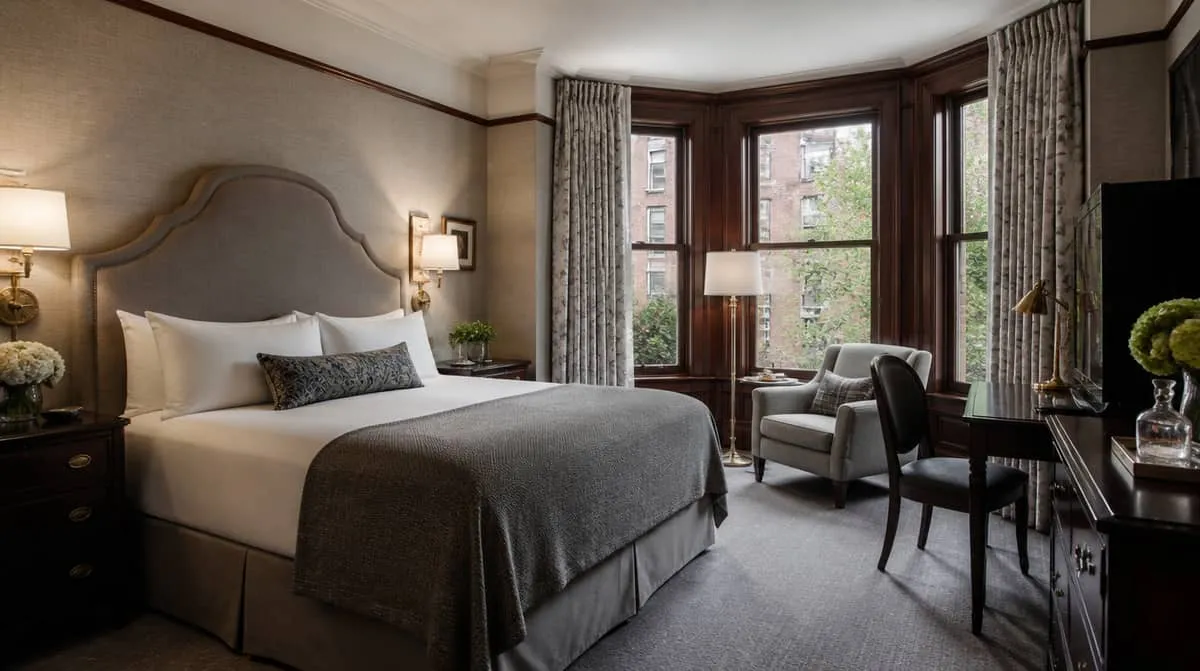
BCEC convention traffic in the Seaport extends the pressure to the Innovation District's boutique properties. A 50-room Seaport boutique during a major biotech conference week is running at occupancy levels a comparable property in a secondary market might see only during its busiest weekend of the year. Guestroom lounge chairs, case goods, and lobby seating all absorb that volume simultaneously.
The sourcing challenge for boutique properties is scale. Large contract furniture manufacturers are tooled for 100-room minimum orders. A 40-room Beacon Hill boutique converting brownstone floors into guestrooms does not generate that volume. Suppliers who work at boutique scale exist often regional, with hospitality-specific experience but finding them requires more deliberate sourcing than calling the first name that appears in a search. A hospitality furniture dealer with existing manufacturer relationships can often aggregate your order and give you access to contract-grade product at quantities you can actually buy.
Design Coherence in a Challenging Building Context
The defining challenge of boutique hotel furniture Boston projects is achieving a cohesive design identity inside buildings that were not designed as hotels. Federal-style brownstones in Beacon Hill have room proportions, ceiling heights, and corridor widths that differ significantly from purpose-built hotel construction. Back Bay conversions may have original moldings, wide-plank floors, and window scales that set a design baseline the furniture program has to honor rather than fight.
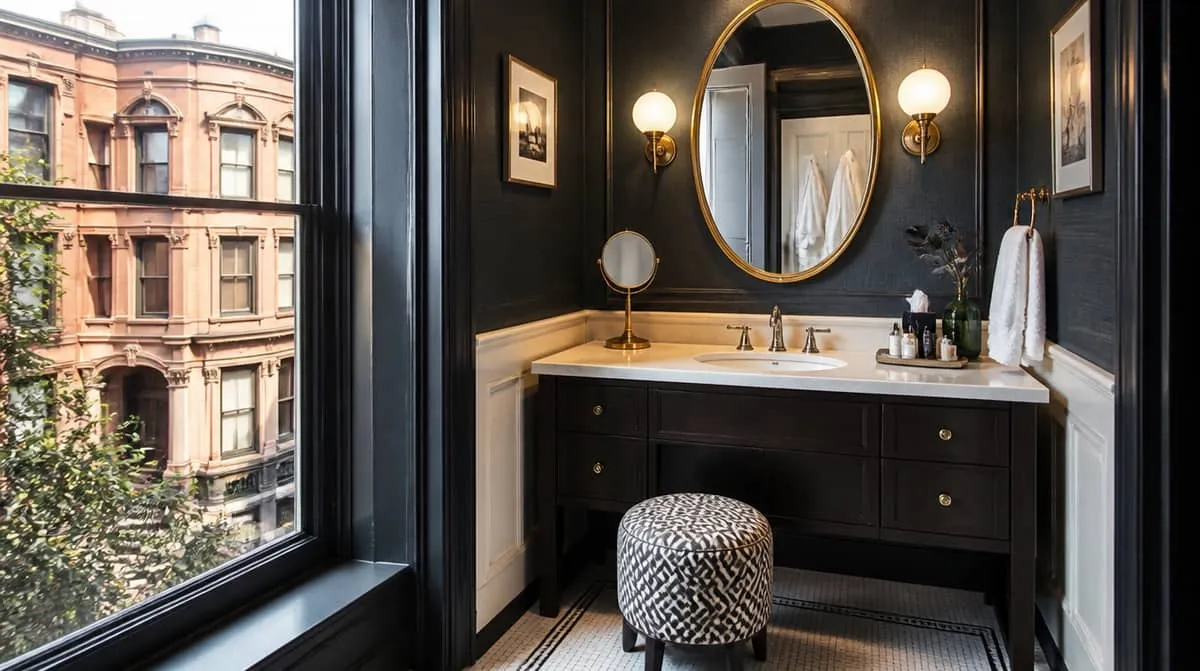
The solution is almost never a matching furniture suite. It is a materials palette executed with discipline. Select two or three upholstery fabrics, a consistent wood tone dark walnut or espresso for Back Bay, white oak for a lighter Cambridge property near the Charles and a consistent silhouette weight, then vary the specific pieces within those constraints. Hotel headboards can anchor the room's character: a traditional panel shape in a cognac leather or deep navy velvet reads as New England contemporary without defaulting to the generic craftsman look that has spread through every lifestyle hotel brand.
Procurement Realities for Boston's Historic Building Stock
Boston's historic buildings create logistical constraints that out-of-market suppliers routinely underestimate. Tight stairwells, narrow doorways, and freight elevators sized for a pre-modern era are the norm in Beacon Hill, Back Bay, and parts of Cambridge. A standard pallet delivery is not viable in many of these buildings pieces have to be blanket-wrapped and hand-carried floor by floor.
For boutique hotel furniture Boston projects, engage your supplier early on access logistics, not after the purchase order is signed. A phased delivery schedule is often required: properties staying partially operational during renovation need furniture sequenced floor by floor rather than delivered all at once. Suppliers with direct experience in Boston's historic building environment will ask about freight access upfront. Those without that experience will not, and you will discover the gap on installation day.
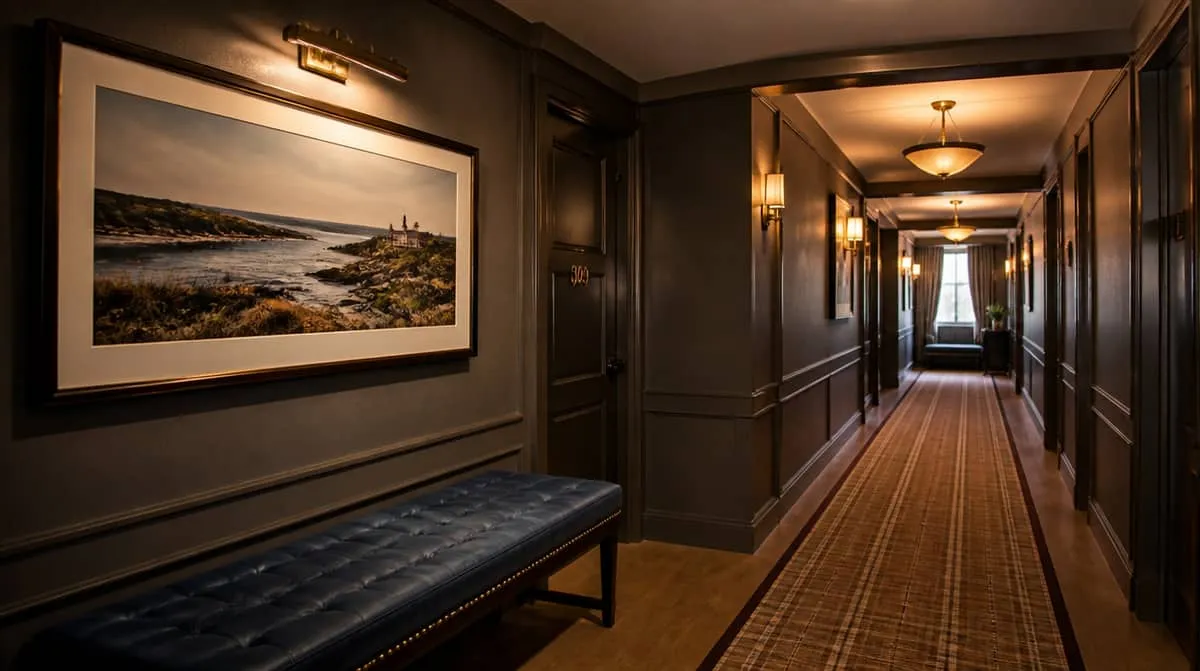
Lead times for custom upholstery programs run twelve to sixteen weeks from final approval. For a boutique property on a compressed renovation schedule tied to the academic calendar or a BCEC conference block, that math has to be worked out before any design decisions are finalized not after you have already committed to a fabric that requires a ten-week lead time.
Ready to spec boutique hotel furniture for your Boston project? Send us the details and we will price it around your requirements. Request a quote to start.