
Wood restaurant chairs read as warmer and more upscale than a metal frame, which is exactly why so many restaurant groups, cafes, and hotel dining rooms want them. The catch is that "wood chair" covers a wide range of construction quality, and at restaurant volume, the difference between a solid wood frame and a lightly wood-finished metal frame shows up fast, in both cost and how long the chairs last on the floor.
If you are sourcing wood restaurant chairs wholesale for a new build, a remodel, or a multi-location rollout, here is what actually separates a good bulk order from a bad one.
Solid wood vs metal-wood hybrid frames
The first decision point is construction, not color.
Solid wood frames are built from hardwoods like beech, oak, ash, or rubberwood, joined at the seat rails and legs with mortise-and-tenon or dowel joinery, then glued and reinforced with corner blocks. Done right, a solid wood chair has real structural rigidity and can be sanded and refinished over its life. Done cheaply, with softwood, minimal joinery, and no corner blocking, it loosens and wobbles within a year or two of daily restaurant use.
Metal-wood hybrids pair a steel or aluminum frame with wood or wood-look seats, backs, or accents. They trade some of the warmth of an all-wood chair for a frame that is more forgiving of hard commercial use, resists wobble longer, and is often lighter for staff to move during resets and cleaning. For high-turn restaurants, bars, and fast-casual concepts, a hybrid frame is frequently the more durable choice per dollar spent.
Neither option is automatically "better." A white-tablecloth dining room chasing a specific look may justify solid wood. A high-turn cafe or multi-unit chain optimizing for years of hard use often does better with a hybrid frame that only looks like solid wood.
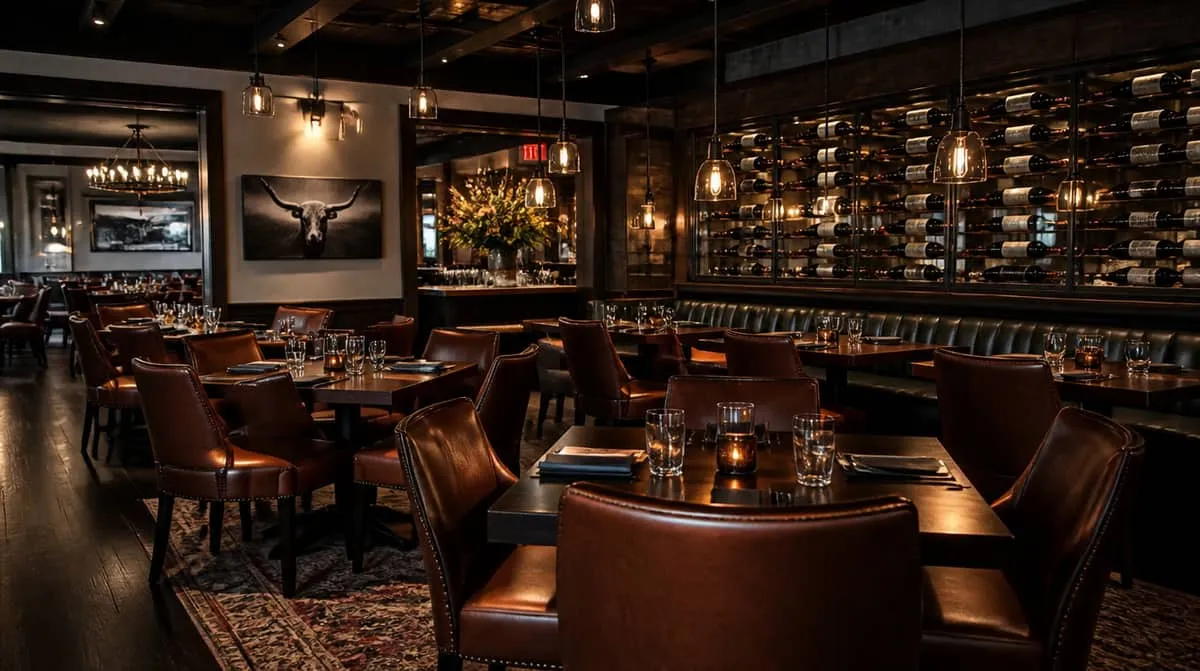
Joinery and construction details that matter at volume
Because a wholesale order multiplies any weak point across every chair on the floor, joinery is worth inspecting closely before you commit to a quantity.
- Joint type. Mortise-and-tenon and doweled joints, glued and mechanically reinforced, hold up far longer than staples, screws-only, or press-fit construction.
- Corner blocking. Triangular corner blocks under the seat frame are what keep a wood chair from racking side to side after months of being pulled out and pushed in.
- Leg diameter and stretcher placement. Thin legs without a stretcher bar between them flex and eventually crack under repeated use. Look for a stated leg diameter and a cross stretcher on higher-use styles.
- Weight rating. A commercial wood restaurant chair should carry a stated weight rating, not just an assumption of durability based on looks.
Commercial finishes that hold up
Finish quality is where a lot of retail-grade wood furniture fails in a restaurant setting. A dining room finish needs to resist water rings, alcohol spills, cleaning chemicals, and constant contact from clothing and hands, night after night.
Look for a catalyzed or conversion varnish finish rather than a simple stain-and-seal coat. These commercial-grade finishes cure harder and resist moisture and abrasion far better than finishes built for residential furniture. Ask whether the finish is rated for commercial food-service use, and if the chair will sit near a bar, patio, or open kitchen, ask specifically about heat and moisture resistance.
Realistic pricing at volume
Wood and wood-hybrid dining chairs do not sit in a single price tier, but pricing tends to track construction quality closely. Chairs comparable to wood or aluminum Chiavari-style construction run in the $90 to $180 per unit range, and that band is a reasonable reference point for well-built wood restaurant chairs with real joinery and a commercial finish. Lighter hybrid frames with wood accents can land lower, closer to aluminum stacking chair pricing at $70 to $130 per unit. Volume discounts typically start at 50 units and step up again at 100, 250, and 500, commonly saving 5% to 15% off list depending on quantity and finish.
Get a firm number for your project with the furniture cost calculator, and confirm final pricing with a quote request once you have a target quantity and finish in mind.
Freight and lead times
Bulk wood chair orders typically ship LTL for smaller quantities and full truckload once an order climbs into the hundreds. Freight cost depends heavily on your delivery zip code, whether the site has a loading dock or needs a liftgate, and whether the address is a commercial or limited-access location. Have those delivery details ready when you request a quote so the freight quote is accurate the first time.
Lead times split along the same line as construction. In-stock wood and hybrid chair lines typically ship in 2 to 6 weeks. Custom finishes, custom fabrics on upholstered wood seats, or non-standard wood species commonly run 8 to 14 weeks. Build your opening or remodel timeline around the slower number if you are specifying anything custom.
Before you place the order
Before committing to a wholesale quantity, get a sample chair in hand if at all possible, and check it for the joinery details above. Confirm the weight rating, ask about warranty coverage on joints and finish separately, and check whether floor glides are included or need to be ordered separately to protect your finished floors from scuffing.
When you are ready, request a quote with the chair style, quantity, wood species or finish, delivery zip code, and timeline, and our team will price the order and confirm freight and lead time together.
Related reading
- Bulk Restaurant Chairs: A Buying Guide for High-Volume and Multi-Location Orders
- Wholesale Restaurant Furniture: How to Buy Direct From a Commercial Supplier
- Banquet Chairs: The Complete Commercial Buying Guide
Our take
The refinishing question deserves more weight in the solid-versus-hybrid decision than it usually gets. A solid hardwood frame can be sanded and refinished, which means a dining room can rotate batches of chairs through a refinish cycle in year five or six and come out looking close to new, provided the finish is documented well enough to match across batches. A metal-wood hybrid does not offer the same path: the wood elements are typically seat or accent components that get replaced rather than restored, and a powder-coated frame is a strip-and-recoat job rather than a sanding one.
The bottom line: Solid wood earns its place when a refinish cycle is part of the plan. Hybrids suit operators who prefer replacement to restoration. Decide which owner you are before the order goes in.