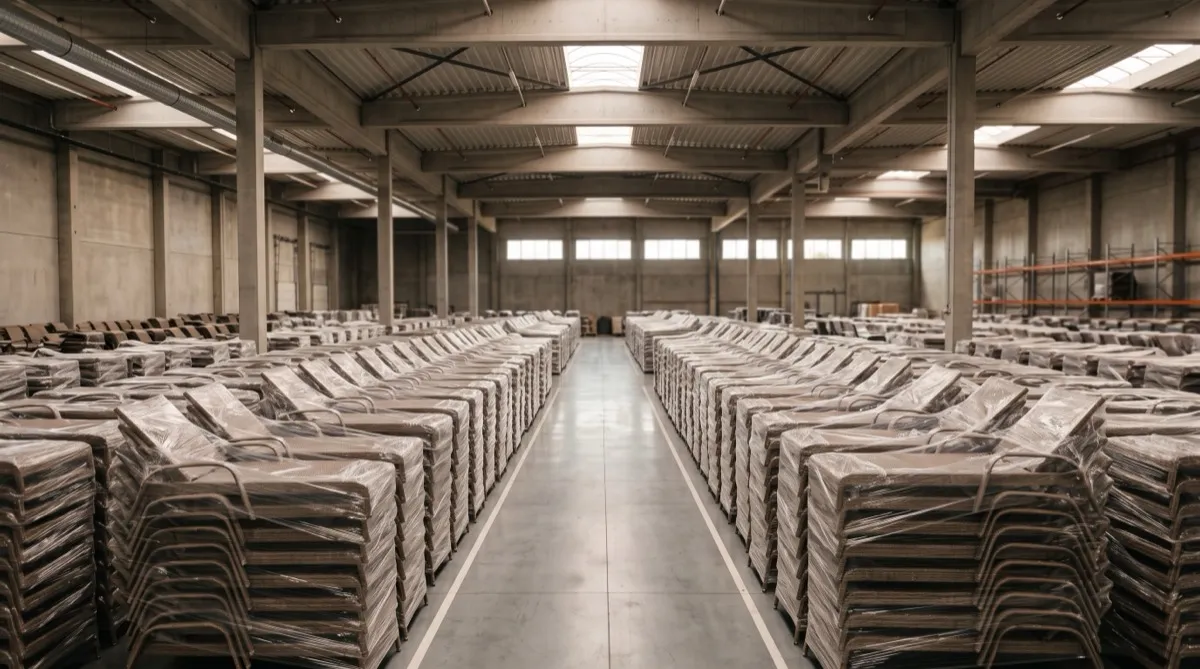
Furnishing a single restaurant is a retail purchase. Furnishing five locations, a new build, or a full dining room replacement across a group is a wholesale purchase, and the two are priced, produced, and shipped differently. If you are searching for wholesale restaurant furniture suppliers, you are probably past the point where a retail storefront can support what you actually need: consistent contract-grade product, volume pricing, and a delivery plan that works across one site or several.
Here is what changes when you buy restaurant furniture wholesale, and what to check before you commit to an order.
What "wholesale" means for restaurant furniture
Wholesale restaurant furniture is not a discount version of the same product you would find at a retail furniture store. It is contract-grade seating and tables built for commercial use, sold direct from the supplier at pricing that scales down as order quantity goes up. Retail furniture is built for occasional home use and priced for single-unit sales. Commercial restaurant furniture is built around welded frames, rated weight capacities, and fabrics or finishes tested for constant turnover, and it is priced with volume in mind from the start.
The practical result: a restaurant group ordering 150 dining chairs across three locations should never be paying retail per-unit pricing. Direct commercial suppliers build volume discounts into the order structure, commonly 5% to 15% off list depending on quantity and finish, with pricing breaks typically appearing at 50, 100, 250, and 500 units.
Realistic pricing at volume
Restaurant seating spans a range depending on frame material and use case. Steel-frame stacking chairs, a common choice for casual and fast-casual dining rooms, typically run $45 to $90 per unit at volume. Aluminum stacking chairs, lighter and more corrosion-resistant for coastal or high-turnover locations, run $70 to $130. If the concept includes a bar or lounge area, commercial barstools generally run $110 to $320 depending on frame, swivel mechanism, and upholstery.
Tables follow their own logic. Rectangular tables in the 6 to 8 foot range commonly run $50 to $120, round 60 inch tables run $60 to $130, and cocktail or highboy tables for bar and waiting areas run $70 to $150. Multiply any of these across a multi-location order and the difference between retail and wholesale pricing adds up to real budget.
Freight, lead times, and what to have ready
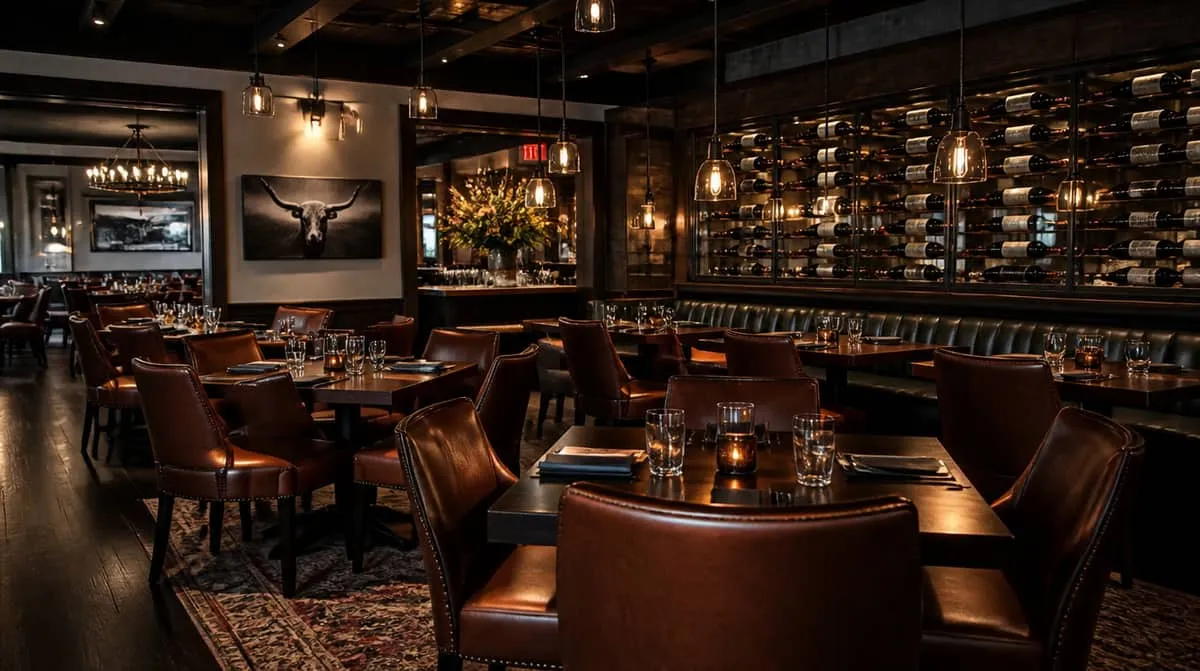
Wholesale furniture orders do not ship the way a single table or chair does. Orders at volume move via LTL freight or full truckload depending on size, and the final cost depends heavily on the delivery zip, whether the site has a loading dock, and whether the address counts as commercial or limited access. A restaurant with dock access in a commercial zone will see lower freight cost than a storefront on a retail strip with street-level delivery only. Before you request pricing, have your delivery details ready for every location: exact address, dock or liftgate need, and receiving hours.
Lead times depend on what you are ordering. In-stock lines typically ship in 2 to 6 weeks. Custom finishes or fabrics, which many restaurant groups choose to match a brand palette, run 8 to 14 weeks. If you are opening on a fixed date, work backward from that date and build in the longer window for anything custom.
What to check before ordering at volume
A few checks protect a large order from becoming a large problem. Confirm the chair or barstool stacks or nests the way your storage plan assumes, since most restaurants do not have back-of-house space to spare. Check frame gauge and weld quality on steel and aluminum pieces, since this is what determines whether the furniture survives daily turnover instead of a light retail duty cycle. Confirm the weight rating matches commercial use, not residential.
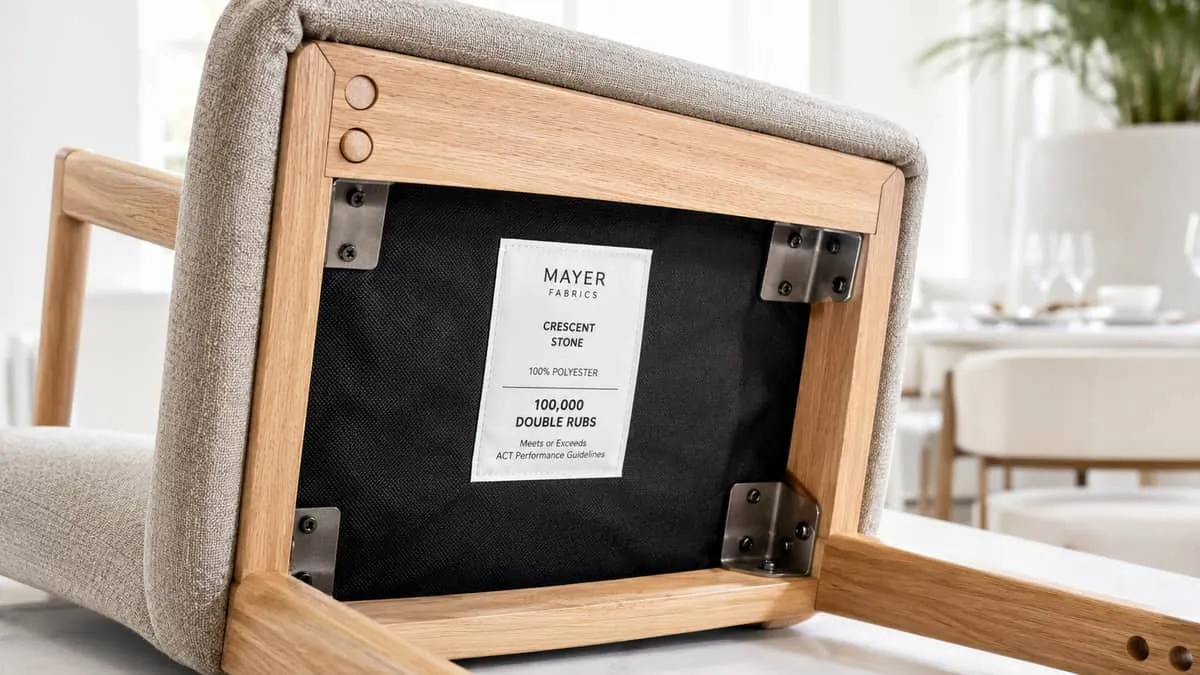
For upholstered seating, ask for the fabric's double-rub count. A minimum of 50,000 Wyzenbeek double rubs is a reasonable commercial standard for restaurant dining. Ask what warranty applies to frames versus upholstery, and request a sample of your chosen finish before committing to a full order. Finally, confirm floor glides are included and rated for your flooring, since scraped tile or scratched hardwood is one of the most common and avoidable complaints after a large furniture rollout.
Multi-location ordering
Restaurant groups buying wholesale restaurant furniture across several sites should standardize the order as much as possible. Ordering the same chair, barstool, and table across every location simplifies future replacement, keeps the dining room look consistent, and often qualifies the combined quantity for a better volume discount than each location ordering separately. If locations differ in size or format, group the shared items into one purchase order and handle only the truly location-specific pieces separately.
Getting a quote
The fastest way to get accurate wholesale restaurant furniture pricing is to request a quote with specifics rather than asking for a general price list. Include the item, quantity per location, finish or fabric choice, delivery zip for each site, and your target timeline. Use the furniture cost calculator first to build a rough budget, then submit a request for quote so our team can price freight and lead time accurately against your real order.
Related reading
- Banquet Chairs: The Complete Commercial Buying Guide
- Bar Furniture Guide
- Banquet Furniture Cost Guide
Our take
Standardizing across locations unlocks one more operational advantage the ordering process itself never mentions: a shared spare pool. When every dining room runs the same chair, barstool, and table, a single small reserve of each, held at whichever site has storage to spare, covers damage anywhere in the group. One location's cracked chair gets swapped the same week instead of waiting on a minimum order, and the spare that replaced it gets reordered alongside the group's next consolidated order. Groups that let each site drift toward its own furniture give this up without noticing, and end up managing several small replacement problems instead of one simple pool.
The bottom line: Standardize the spec across sites, then centralize a small spare reserve. It turns every future damage incident into a same-week swap instead of a procurement exercise.