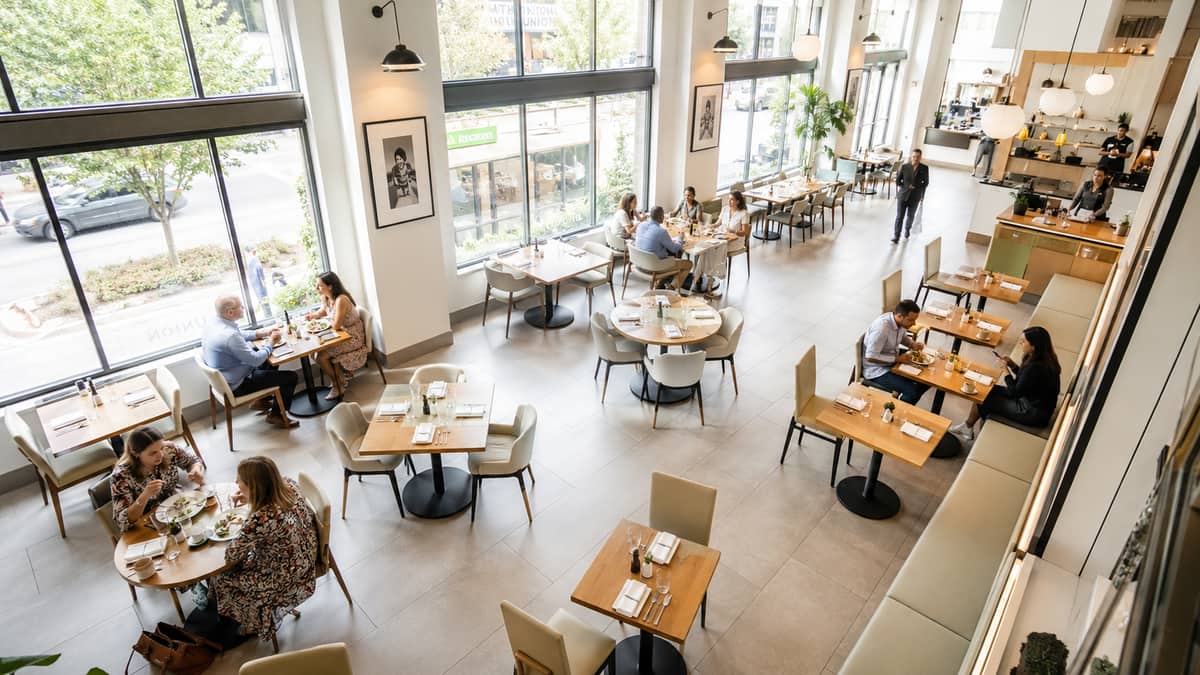
Worcester's restaurant scene has grown into one of the more interesting dining corridors in New England, anchored by the Canal District's mix of bars, breweries, and independent kitchens, and supported by a steady flow of college area casual spots serving a large student population. Downtown near Union Station and the DCU Center, restaurants see heavy pre-event and post-event traffic tied to the city's convention and concert calendar. If you are opening, renovating, or refreshing a restaurant anywhere in Worcester, your furniture has to survive nightly volume that residential grade product was never built for.
Why Restaurant Furniture Fails Faster Than Owners Expect
A dining chair in a busy Canal District restaurant gets pulled out, sat in, pushed back, and bumped by servers carrying trays dozens of times a night, every night the restaurant is open. That is a use pattern residential furniture manufacturers never design for. Joints loosen. Finishes wear through at contact points. Upholstery seams fail at the stress points where a guest's weight shifts most.
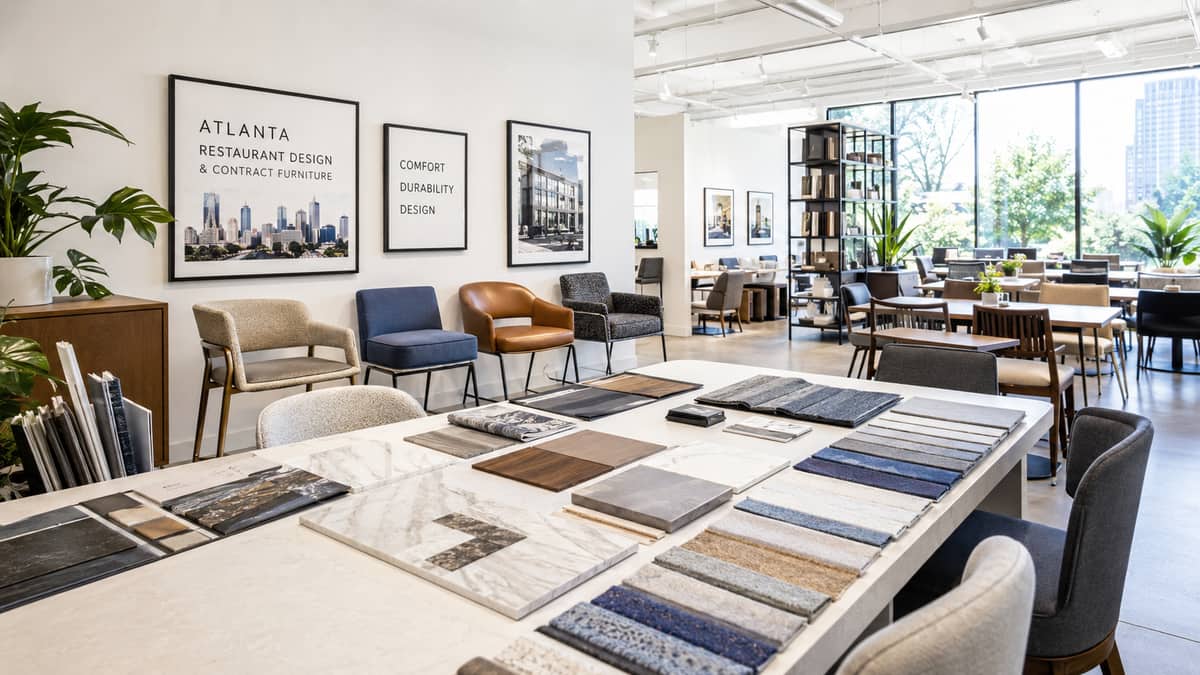
Commercial-grade restaurant chairs use mortise and tenon joinery, corner blocking, and frame materials rated for the number of use cycles a real dining room generates. The cost difference between a retail dining chair and a commercial one shows up within the first year, not in the sticker price, but in how many chairs you are replacing or repairing by the time your restaurant hits its second anniversary. Worcester operators who buy retail furniture to save money upfront on a downtown or Canal District concept typically end up spending more over a three year window once replacement and repair costs are added in.
Seating for Different Worcester Dining Formats
Restaurant formats vary widely across Worcester, and the seating spec should follow the format rather than a generic house style. A fast casual spot near a university campus needs seating that turns quickly, cleans easily, and tolerates constant traffic from students moving between classes. A full service Canal District restaurant with table service needs chairs and booths built for guests who stay an hour or more, where comfort over an extended sit matters as much as durability.
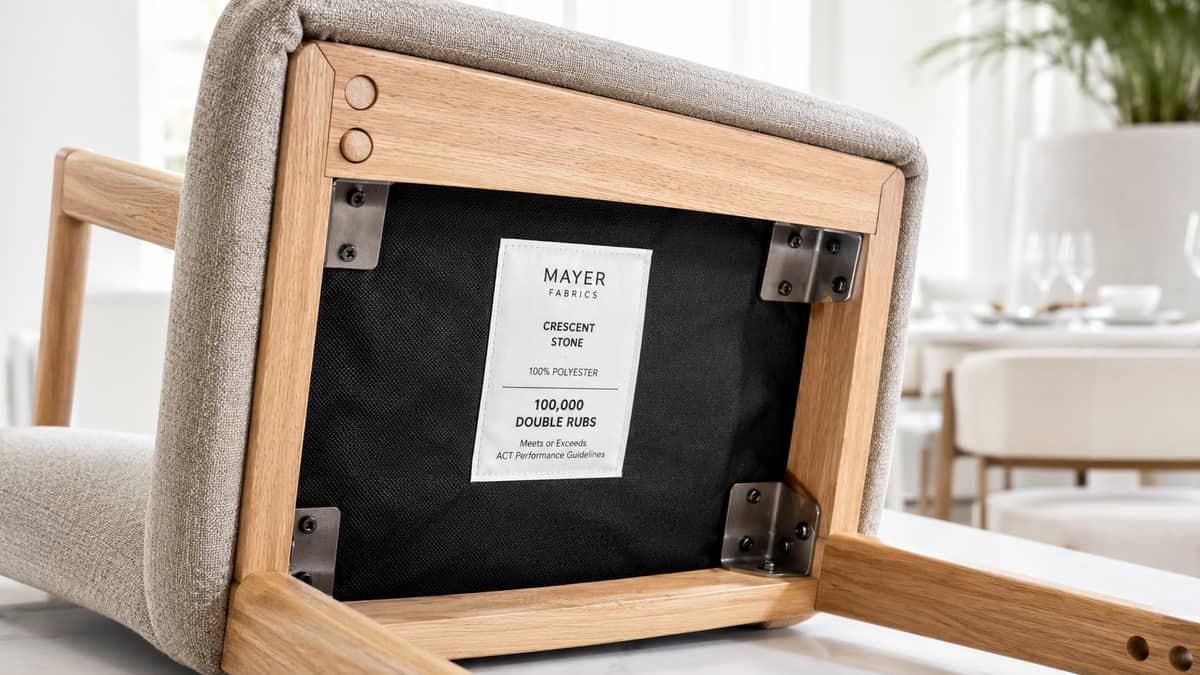
Booth seating remains a strong choice for restaurants prioritizing table turnover and a sense of enclosure, particularly in tighter downtown storefronts where floor plan efficiency matters. Commercial-grade booth construction uses high-density foam and a plywood or engineered wood frame that resists sagging even after years of daily use. Loose seating gives operators more flexibility to reconfigure a dining room for private events or seasonal traffic shifts, which matters for restaurants near the DCU Center that see occupancy spikes tied to the event calendar.
Tables and Bases Built for Commercial Volume
Table tops and bases take as much abuse as seating, and the failure points are predictable. Laminate tops that are not rated for commercial use chip and delaminate at the edges within a year or two of nightly wipe downs and hot plate contact. Solid wood tops need a finish rated for commercial cleaning chemicals, not a residential furniture polish. Cast iron and steel bases hold up far better than lightweight bases under the wobble and shifting weight of a full dining room.
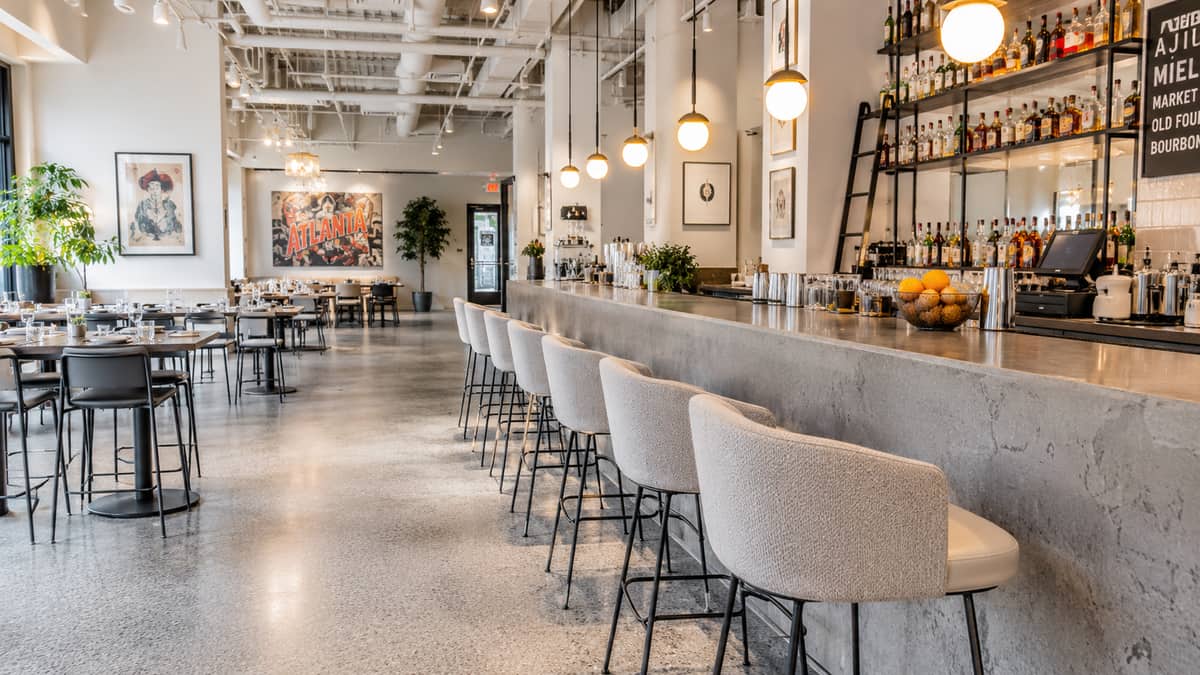
Match your table size to your actual floor plan and party size mix. A Worcester restaurant built around a college crowd typically needs a higher ratio of two and four top tables that can be pushed together for larger groups. A Canal District venue with a stronger evening and weekend crowd may need larger format tables and a mix of booth and standard seating to handle both couples and groups comfortably.
Sourcing Restaurant Furniture in Worcester
Restaurant openings in Worcester run on tight timelines, particularly for concepts trying to hit a season, a graduation weekend, or an event calendar window near the DCU Center. Standard lead times for commercial restaurant furniture run 8 to 14 weeks for in-stock or semi-custom product, longer for fully custom banquettes or finishes. Build that timeline into your construction schedule early, because furniture delays are one of the most common reasons a restaurant opening slips past its planned date.
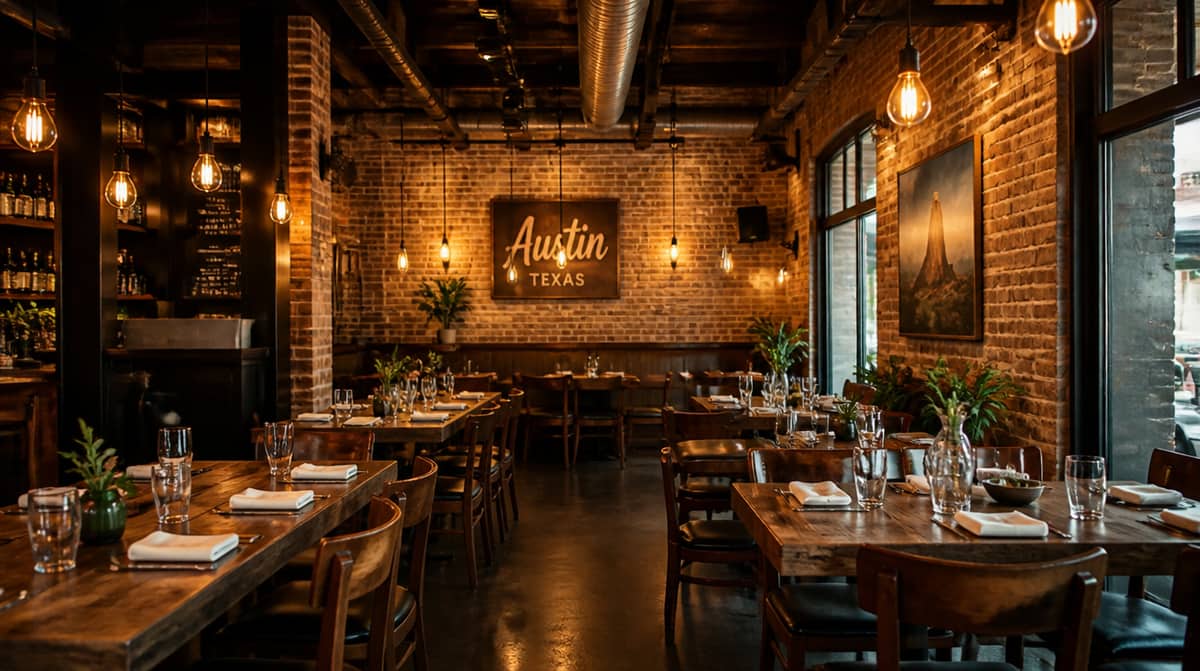
A supplier who understands the Worcester market can help you match seating density to your floor plan, recommend finishes that will hold up under your specific service style, and give you honest lead time guidance instead of an optimistic estimate that puts your opening date at risk. Ask for references from other restaurants in the area, and ask specifically how those chairs and tables have held up two or three years into daily use, not just how they looked on delivery day.
Related reading
- Restaurant lounge seating: specs for bar-adjacent and waiting areas
- What is contract furniture
- Commercial furniture vs retail
- Hospitality furniture supplier guide
- Restaurant dining chairs
- Restaurant barstools
- Restaurant tables
- Bar and lounge furniture in Worcester
- Commercial patio furniture in Worcester
- Commercial furniture in Massachusetts
- Request a quote