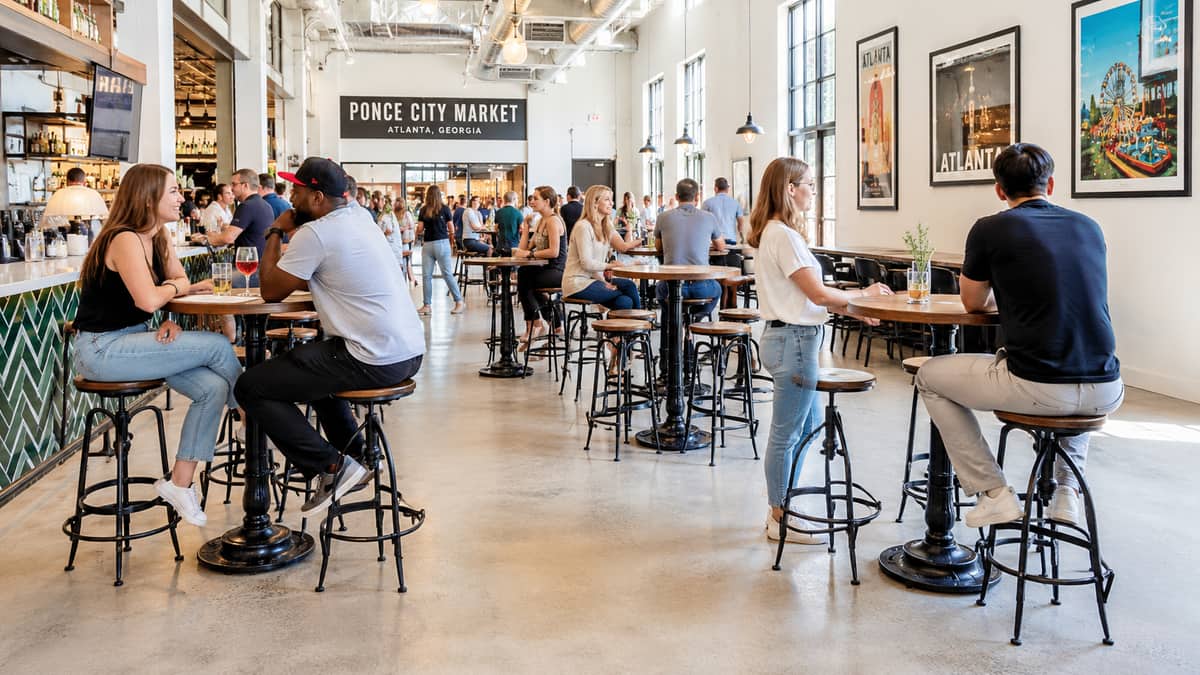
Worcester's bar and lounge scene has become one of the city's clearest growth stories, led by the Canal District's cluster of breweries, taprooms, and cocktail bars, and reinforced by downtown hotel lounges serving guests in town for DCU Center events. Whatever the format, bar and lounge furniture in this market has to survive the kind of nightly volume that separates a real commercial operation from a converted residential space.
Barstools Built for Real Nightly Turnover
A barstool in a busy Canal District taproom gets sat in, spun, bumped by servers, and pulled in and out dozens of times a shift. Frame construction determines whether that stool survives a year or five years. Solid wood and metal frame barstools with reinforced joints handle that volume. Lightweight or poorly joined stools loosen within months and become a safety issue before they become a replacement decision.
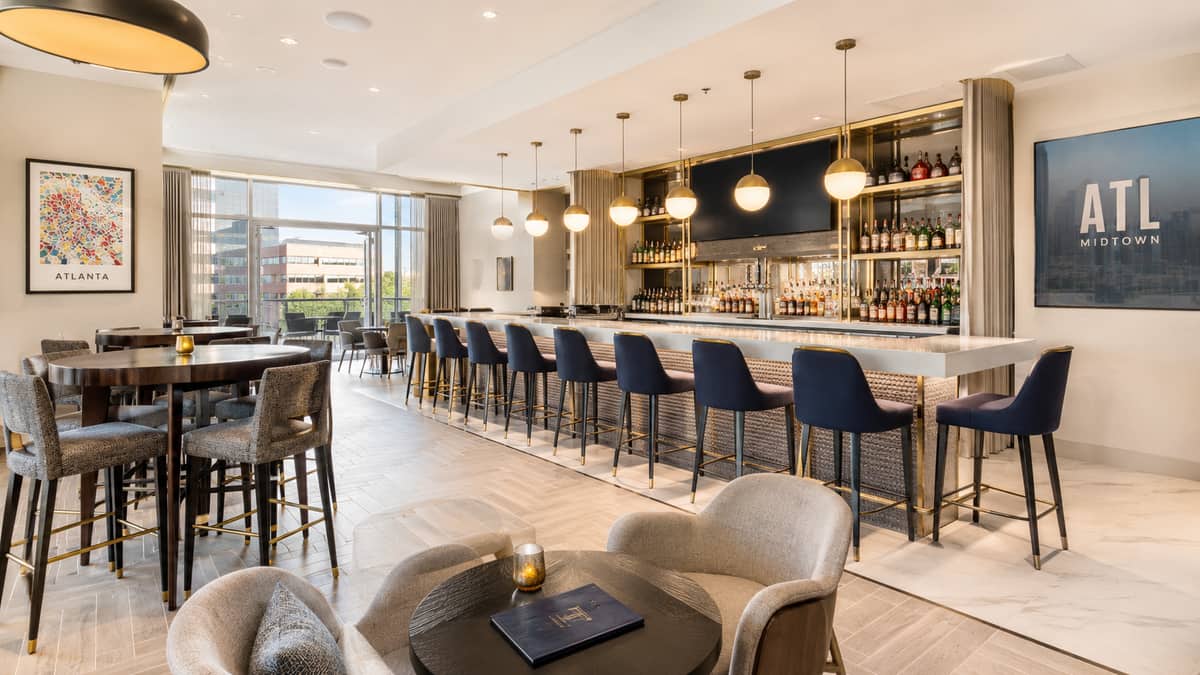
Seat height matters as much as frame quality. Standard bar height runs 28 to 30 inches for a typical 40 to 42 inch bar, while counter height runs 24 to 26 inches for lower counters. Mismatched height between your bar and your stools creates an uncomfortable guest experience that shows up in reviews before it shows up anywhere else, and it is one of the most common ordering mistakes independent bar owners make when sourcing furniture without a supplier walking them through the spec.
Lounge Seating for Hotel and Standalone Venues
Downtown hotel lounges near the DCU Center and Union Station see a different use pattern than a standalone bar. Guests tend to stay longer, working, meeting, or waiting between events, which puts more emphasis on seat comfort over an extended sit and less on rapid turnover. Lounge chairs and sofas for that setting need higher-density foam rated for extended use, not the lighter foam that works fine in a quick-turn dining chair.
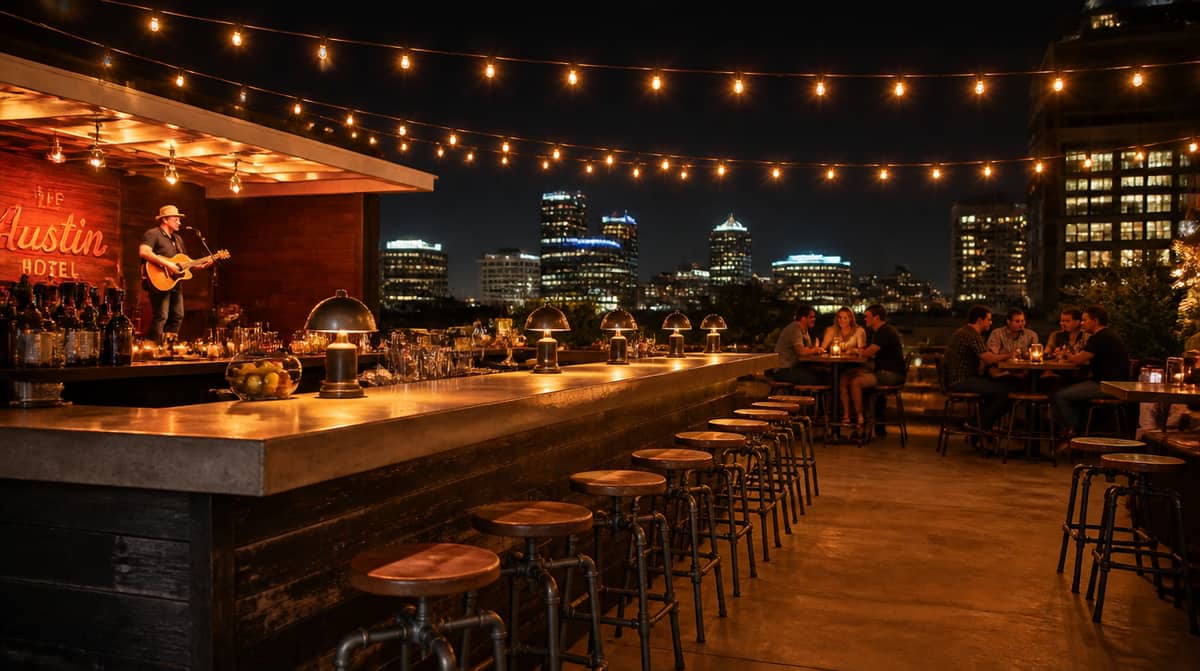
Standalone lounge and cocktail bar concepts in the Canal District tend to prioritize a distinctive aesthetic alongside comfort, since the seating itself is often part of the atmosphere guests come for. Mixed-material cocktail tables, low profile lounge seating, and banquette style booths all work in that format, provided the underlying construction meets commercial standards regardless of the finish chosen on top.
Fabric and Finish Choices That Hold Up
Bar and lounge upholstery takes more contact with spilled drinks, condensation, and body oils than almost any other commercial furniture category. Performance fabrics rated for commercial bar use resist staining and clean up without the fabric breaking down after repeated wipe downs. Vinyl and faux leather remain popular choices for high-contact surfaces precisely because they clean easily and hold up to nightly service, though the quality gap between commercial-grade and budget vinyl is significant and shows up within the first year of heavy use.
Wood and metal finishes on tables and frames need a sealant or powder coat rated for commercial cleaning chemicals, not a residential furniture finish that was never tested against the disinfectants and degreasers a bar uses nightly.
Sourcing the Right Bar and Lounge Program
A supplier familiar with the Worcester market understands the difference between what a Canal District taproom needs and what a downtown hotel lounge needs, and can help you spec accordingly rather than pulling from a single generic bar furniture line. Ask about stack rating if your venue needs flexible seating for events, ask about fabric performance ratings before you commit to a finish, and get real lead times before you set your opening date.