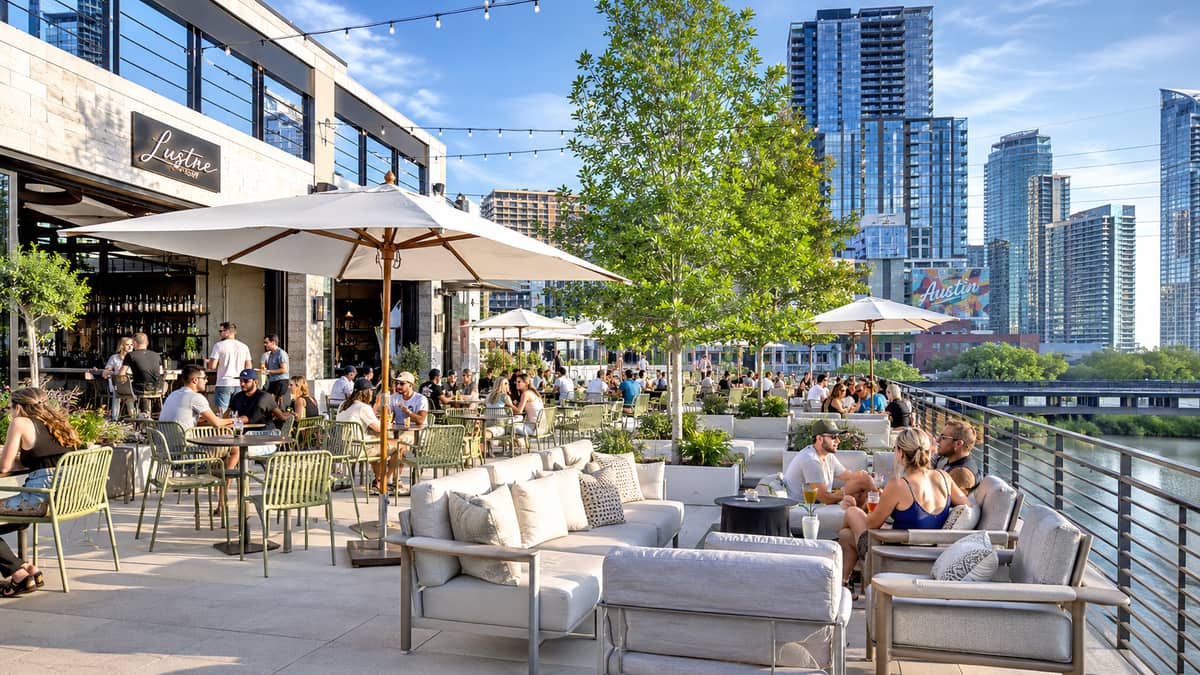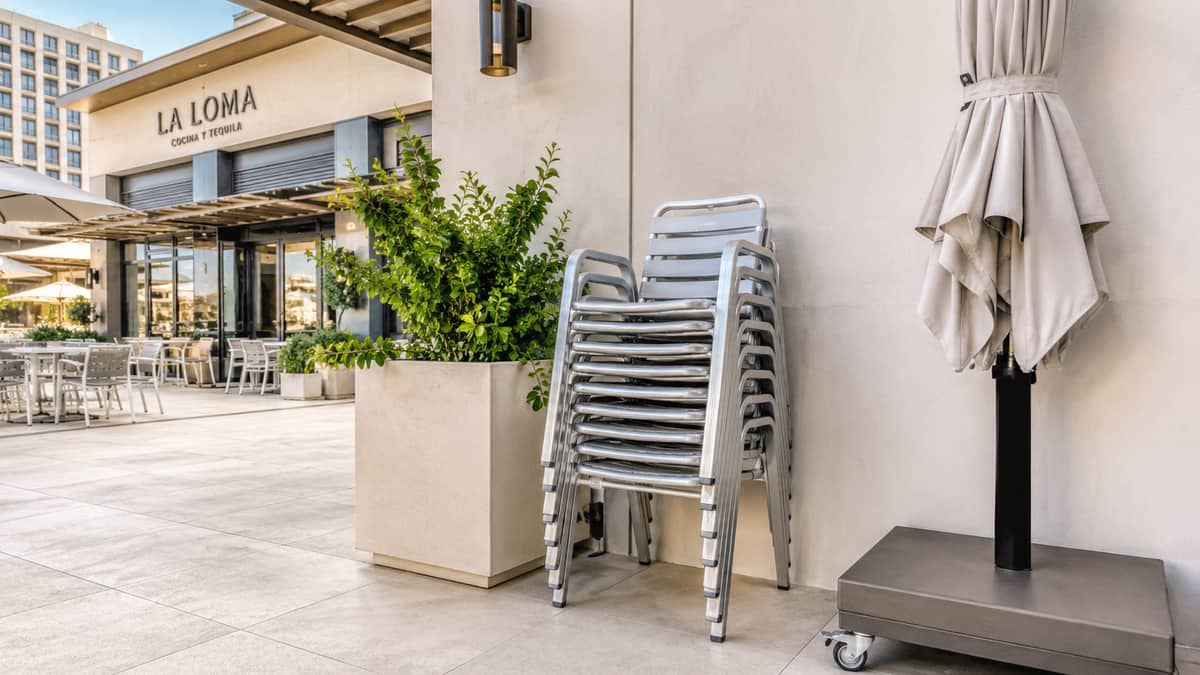
Outdoor dining and lounge space has become a real differentiator for Worcester restaurants and hotels, particularly in the Canal District where patio and sidewalk seating extends the dining room during the warmer months. But Worcester's climate is genuinely demanding on outdoor furniture. Summers bring humidity and direct sun, winters bring sustained cold, snow load, and freeze-thaw cycles that punish materials never designed for true four-season New England weather. Sourcing commercial patio furniture here means planning for both ends of that range, not just the season you are furnishing for right now.
Frame Materials That Survive New England Winters
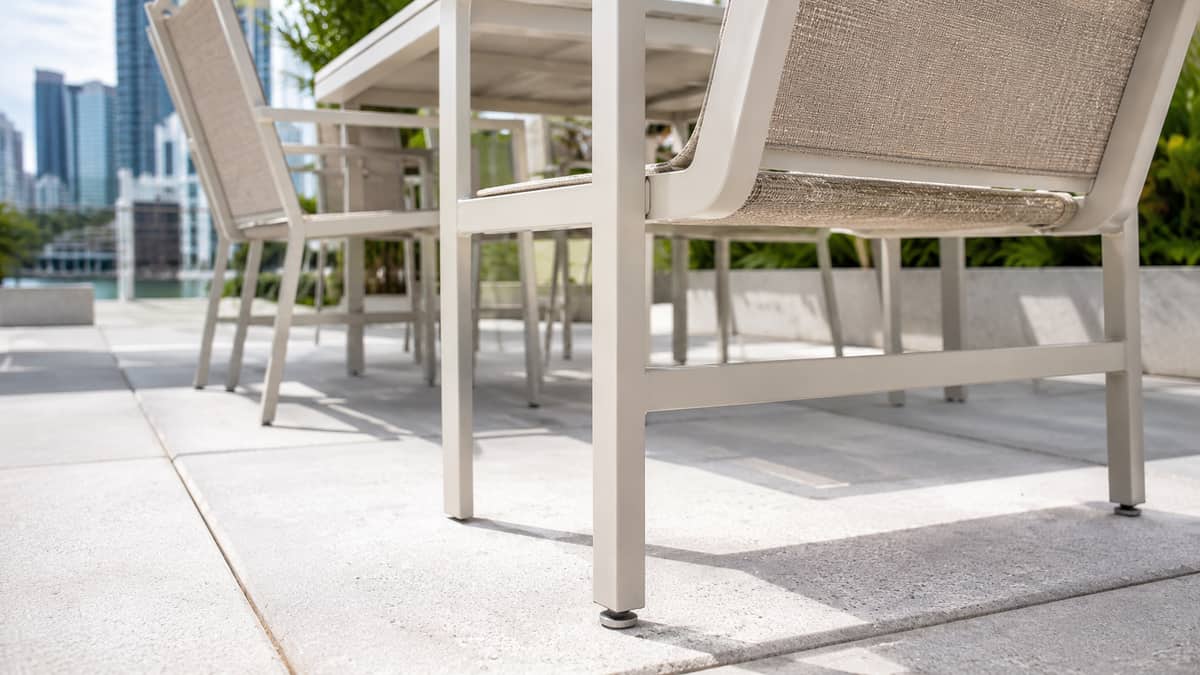
Powder-coated aluminum remains the standard choice for commercial patio furniture in markets with real winter exposure, and Worcester is exactly that kind of market. Aluminum will not rust the way uncoated steel does, and a properly cured powder coat resists chipping under the freeze-thaw cycling that damages lesser finishes over a few seasons. Steel frames still work for outdoor use, but only with a marine-grade or equivalent finish rated for sustained cold and moisture exposure, and even then they typically need more careful storage during the off season than aluminum requires.
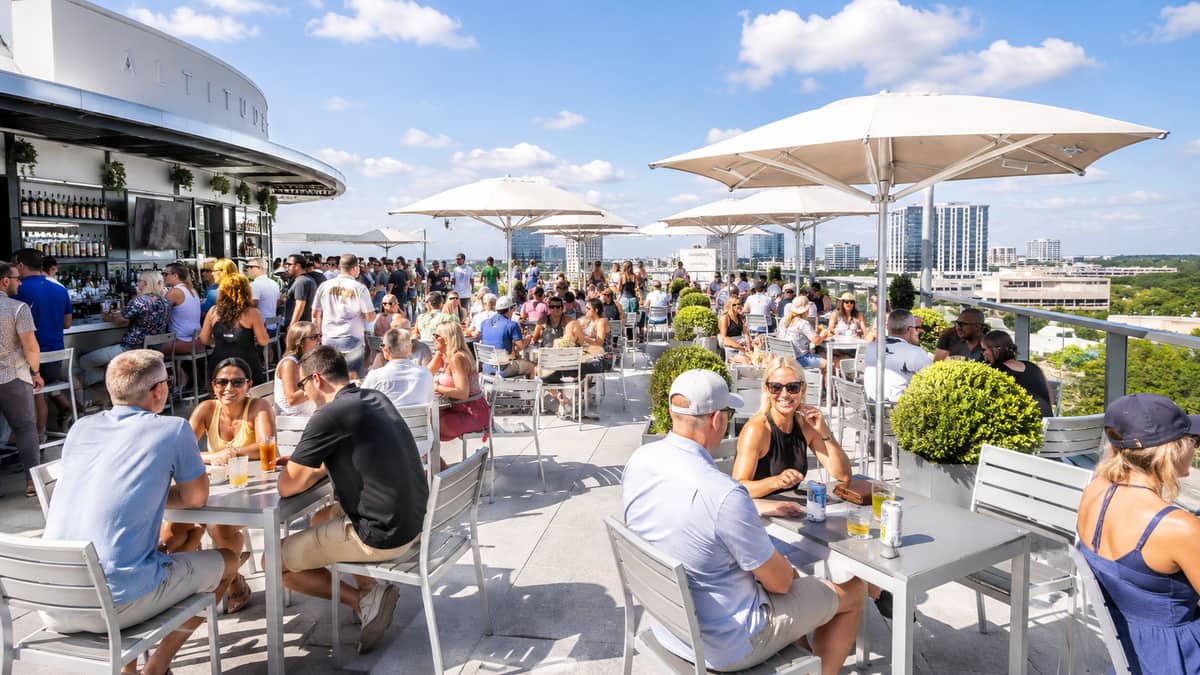
Wicker and rattan-look furniture built with UV-stabilized resin performs well through Worcester's humid summers but needs honest guidance from your supplier on winter storage. Some resin wicker products are rated for year-round outdoor exposure while others are not, and the difference matters when your patio season effectively runs May through October with the furniture needing to survive the months in between, whether stored indoors or left exposed.
Cushion and Fabric Specification for a Real Seasonal Market
Solution-dyed acrylic fabric is the standard for outdoor cushions in a climate like Worcester's, resisting fade under summer UV exposure while standing up to the humidity that leads to mildew in lower grade fabrics. Foam needs to be quick-drying and mildew resistant, since Worcester summers bring enough rain and humidity that any cushion left outdoors will get wet repeatedly through the season.
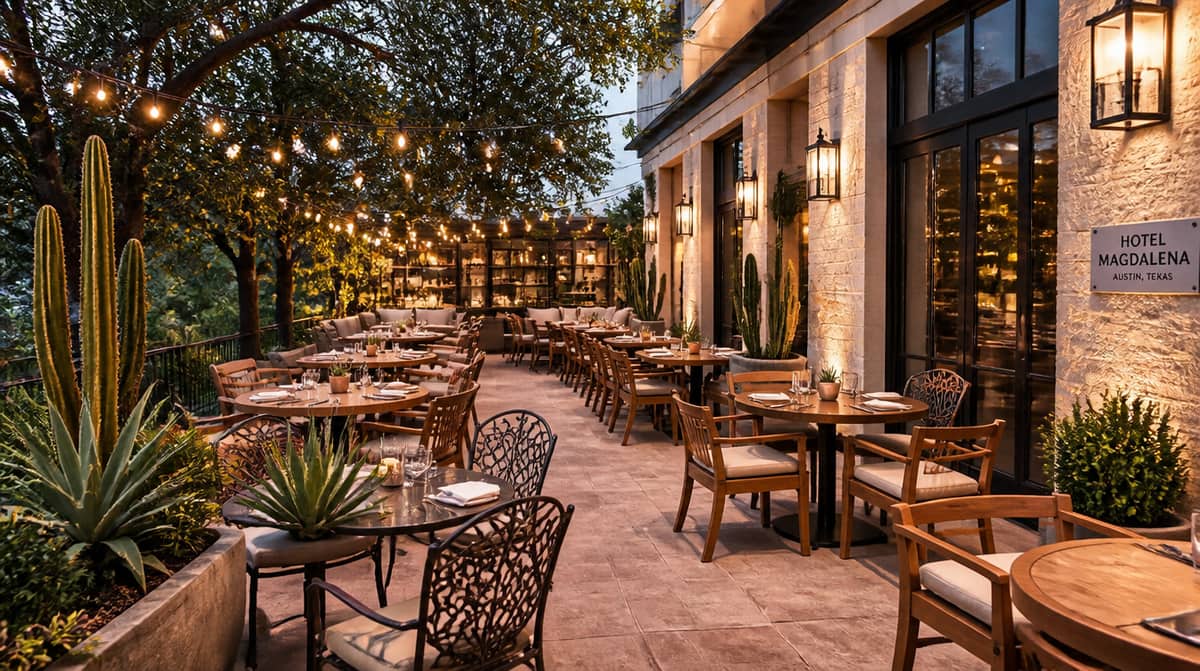
For properties without daily staff bandwidth to bring cushions inside every night, all-weather foam and fabric combinations rated for continuous outdoor exposure are worth the upcharge over standard indoor-outdoor product. The alternative is cushions that need replacement well before the frame does, which adds an ongoing cost most operators do not budget for at the outset.
Storage and Off-Season Planning
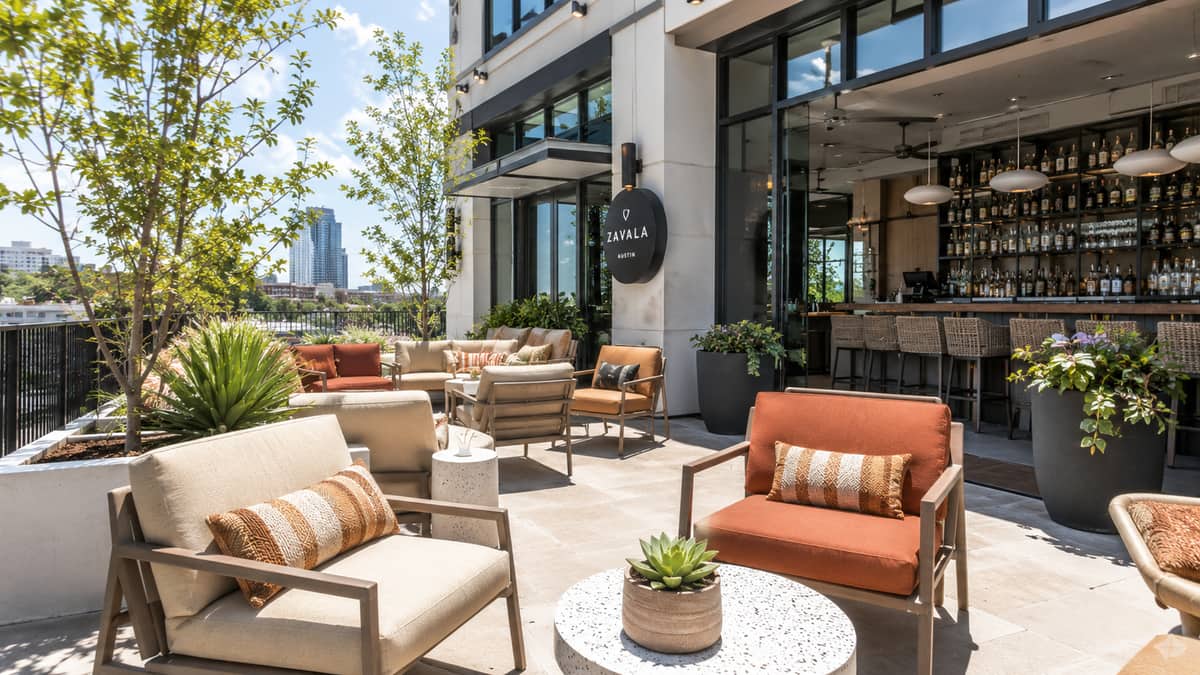
Because Worcester's outdoor season is genuinely seasonal, storage planning belongs in the furniture conversation from the start, not as an afterthought once the first frost arrives. Stackable chairs and folding tables reduce the storage footprint significantly compared to fixed furniture, which matters for downtown properties with limited indoor storage space. Confirm with your supplier whether your specific frame and cushion combination is rated to stay outdoors through winter or needs to come inside, because that answer changes your storage planning and your staffing needs during the shoulder seasons.
Sourcing for a Full New England Lifecycle
A supplier who understands the Worcester market will spec furniture for the full seasonal cycle, not just the warm months, and will be upfront about which products need indoor winter storage versus which are rated to stay outdoors year-round. That guidance up front saves you from a furniture program that looks great its first summer and needs partial replacement by its third.