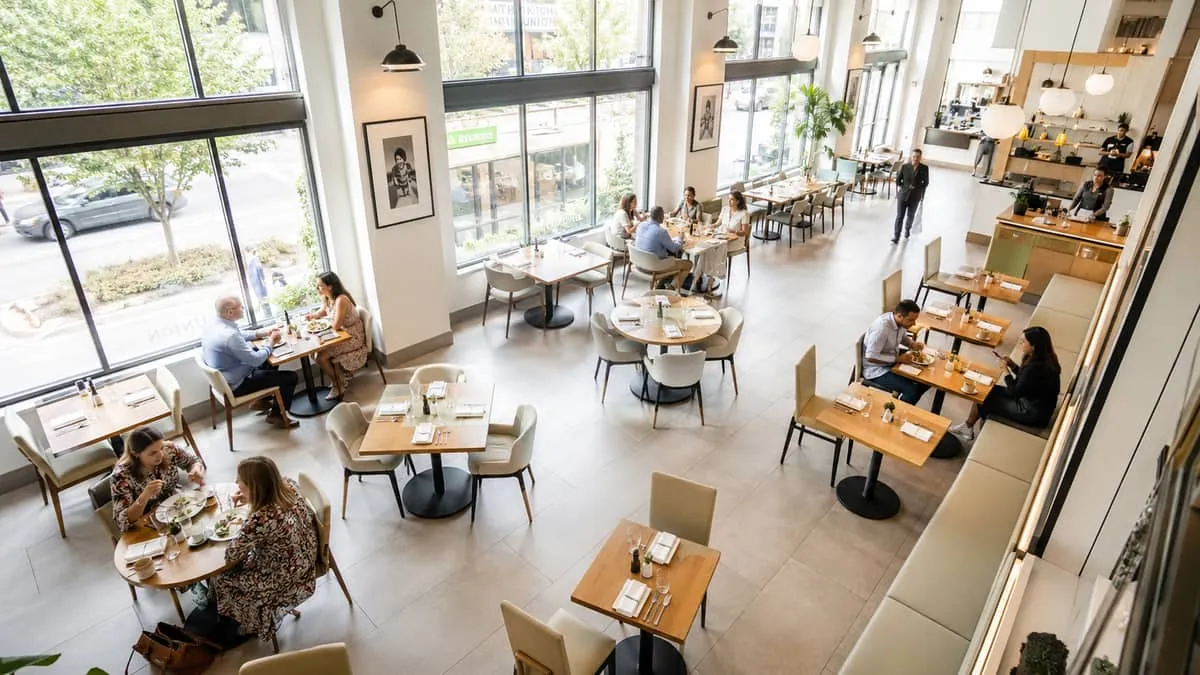
Tucson has one of the more distinctive restaurant scenes in the Southwest, and it runs on a rhythm most operators outside the region underestimate. Fourth Avenue and the downtown core keep expanding with independent restaurants, cafes, and bars drawing a mix of university students, downtown workers, and visitors. The Catalina foothills carry a different tier entirely, resort dining rooms and destination restaurants competing for the same guests who could book a table in Scottsdale instead. And every winter, snowbird residents and Gem Show visitors push covers well above the summer baseline across nearly every neighborhood. If you are furnishing a restaurant in Tucson right now, you are building for a market that swings hard by season and expects furniture that performs through all of it.
Why Contract-Grade Furniture Is the Minimum Specification
Contract-grade is not a marketing term. It refers to furniture built to commercial performance standards, ANSI/BIFMA in the US, which means stress-tested frames, commercial-weight glides, foam density at 1.8 lb or above, and upholstery rated for 50,000 double rubs at the low end. For a busy Tucson dining room, 100,000 double rubs is a more realistic floor for any upholstered seat that sees daily service.
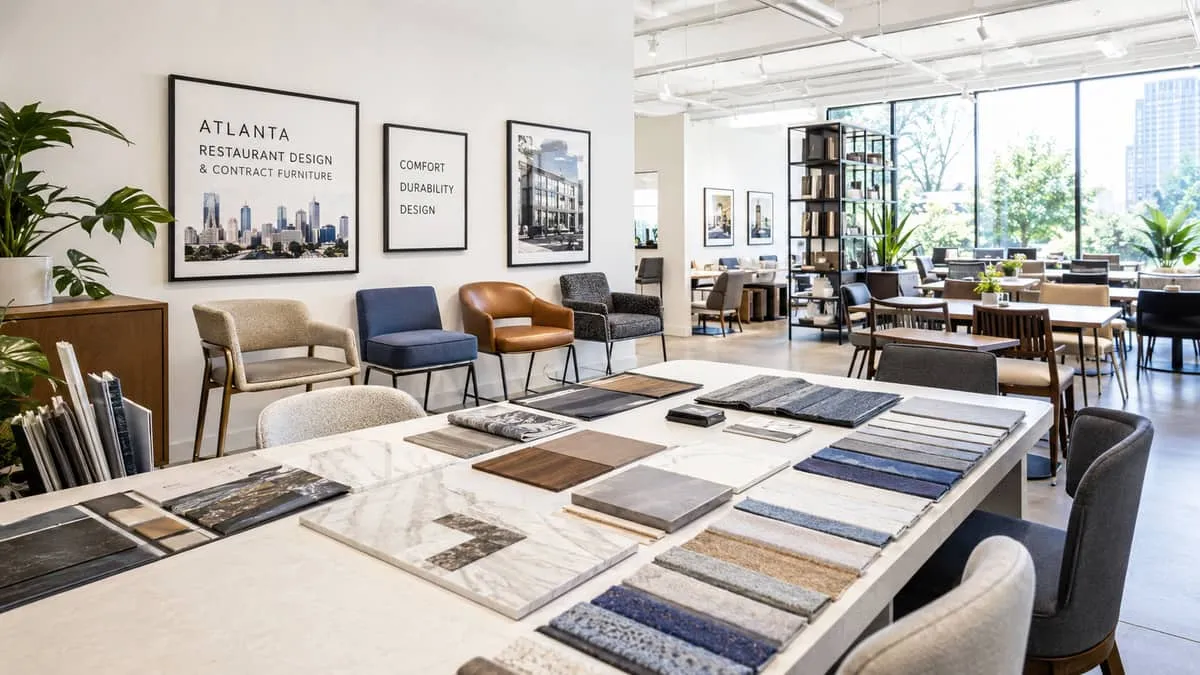
The gap between contract-grade and retail furniture is not subtle. A residential dining chair might handle 20 to 30 sits per day in a home. A Fourth Avenue restaurant chair during a busy university weekend does multiples of that before the kitchen closes. The joints fail first, then the glides, then the upholstery surface. You end up replacing furniture on a 12-to-18-month cycle instead of a five-to-seven-year one, and that math does not work out in anyone's favor.
Materials and Upholstery for Tucson's Climate
Tucson's desert climate is the defining material variable for any restaurant furniture program here. Summers routinely push past a hundred degrees, winters stay mild, and the sun intensity at this elevation and latitude is a real durability factor for anything near windows, on a covered patio, or in an outdoor dining area.
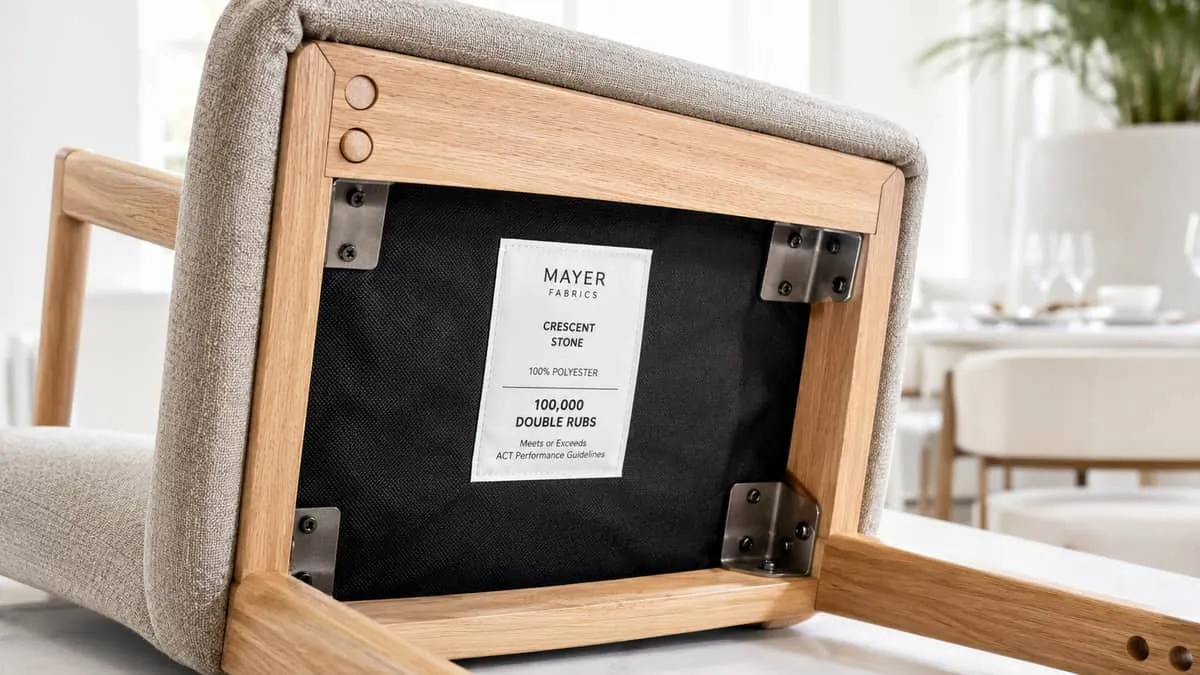
For indoor high-traffic seating, downtown cafes, university-area sports bars, and busy brunch spots during peak winter season, performance vinyl and commercial polyurethane upholstery are the practical choice. They clean fast, resist wear, and hold up against constant use. For outdoor and covered patio settings, solution-dyed acrylic fabric is the industry standard, and it matters more in Tucson than in milder climates. UV exposure here is intense nearly year-round, and cushion foam that is not properly sealed will fade and break down far faster than it would in a coastal market. Powder-coated aluminum frames are the correct call for any exterior or transitional application, since they resist the sun and heat without warping or corroding.
For higher-end concepts in the foothills or downtown's growing fine dining scene, performance woven textiles offer more visual complexity than vinyl while still meeting commercial durability standards. The key qualifier in every category is the word "commercial." Residential fabric in a restaurant setting voids most supplier warranties and fades fast enough in Tucson's sun that the cost savings evaporate within a season.
Tables and Bases: Getting the Specification Right for Tucson Venues
Tucson's dominant restaurant aesthetic runs from warm desert modern, the look you see in a lot of the foothills resort dining rooms, to an eclectic, artsy character along Fourth Avenue and downtown. Both aesthetics have clear furniture implications.
Solid wood tabletops with a commercial lacquer or penetrating resin coat survive the environment and hold their look through repeated sun exposure near patios and windows. For venues running high cover counts during Gem Show or snowbird season, laminate tops with a realistic wood or stone surface are worth considering seriously. They clean faster, chip less, and cost significantly less to replace when they wear out.
Table bases are where operators consistently underspend. Cast-iron or heavy-gauge steel bases are the correct specification for any bar-height or standing-height application. For rooftop and patio settings, and Tucson has more of these than people expect given the year-round outdoor dining culture, powder-coated steel or aluminum with a UV-stable finish is non-negotiable.
Finding the Right Supplier Relationship for Tucson
One-off purchases from liquidation sources or retail furniture stores create long-term operational headaches. When a chair cracks or a barstool base fails eight months after opening, you need a supplier who still stocks your SKU, can match your finish, and ships fast enough to keep your dining room looking consistent.
For restaurant furniture sourcing in Tucson, look for suppliers who carry hospitality-specific lines, not residential or office crossover products repackaged with commercial-sounding descriptions. The best supplier relationships involve reps who understand contract warranty terms, can speak to lead times honestly, and know how to support phased project openings around the city's seasonal demand swings. Start your quote request once your floor plan and seating counts are locked, and confirm freight timing against your target opening date.