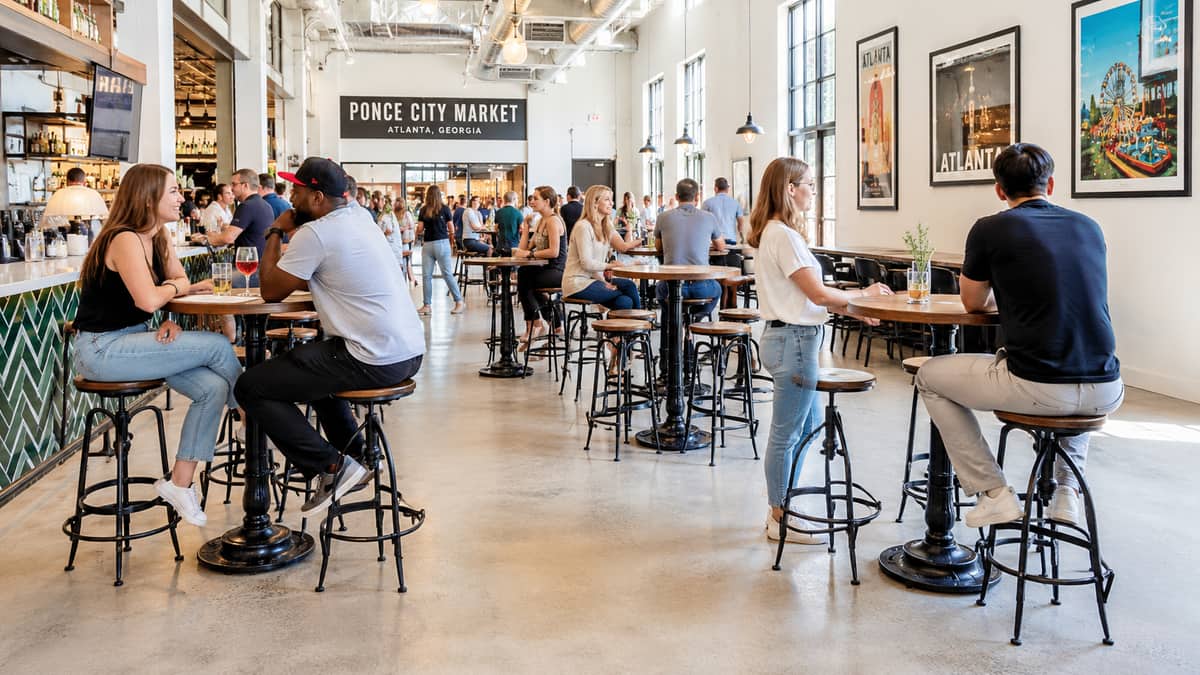
Tucson carries a bigger bar and lounge market than its footprint on a map suggests. Fourth Avenue and the downtown core have built a genuine nightlife and craft cocktail scene out of converted storefronts, pulling in university students, downtown workers, and visitors. The Catalina foothills carry a different tier entirely, resort lounges and rooftop bars competing for the same guests who could book a table in Scottsdale instead. And the University of Arizona keeps demand for casual bar seating steady across most of the academic year, with sharp spikes during home football weekends. Sourcing bar lounge furniture Tucson operators can depend on means understanding each of these contexts, because a stool built for a Fourth Avenue dive bar is not the same stool that belongs in a foothills resort lounge.
Fourth Avenue and the Downtown Nightlife Corridor
Fourth Avenue and the surrounding downtown blocks have become Tucson's most design-conscious nightlife district. What used to be a quieter strip of independent shops is now a run of bars, breweries, and late-night restaurants pulling steady traffic from the university and downtown residential growth. Operators here are dealing with a crowd that expects character, not just a place to sit down after class or work.
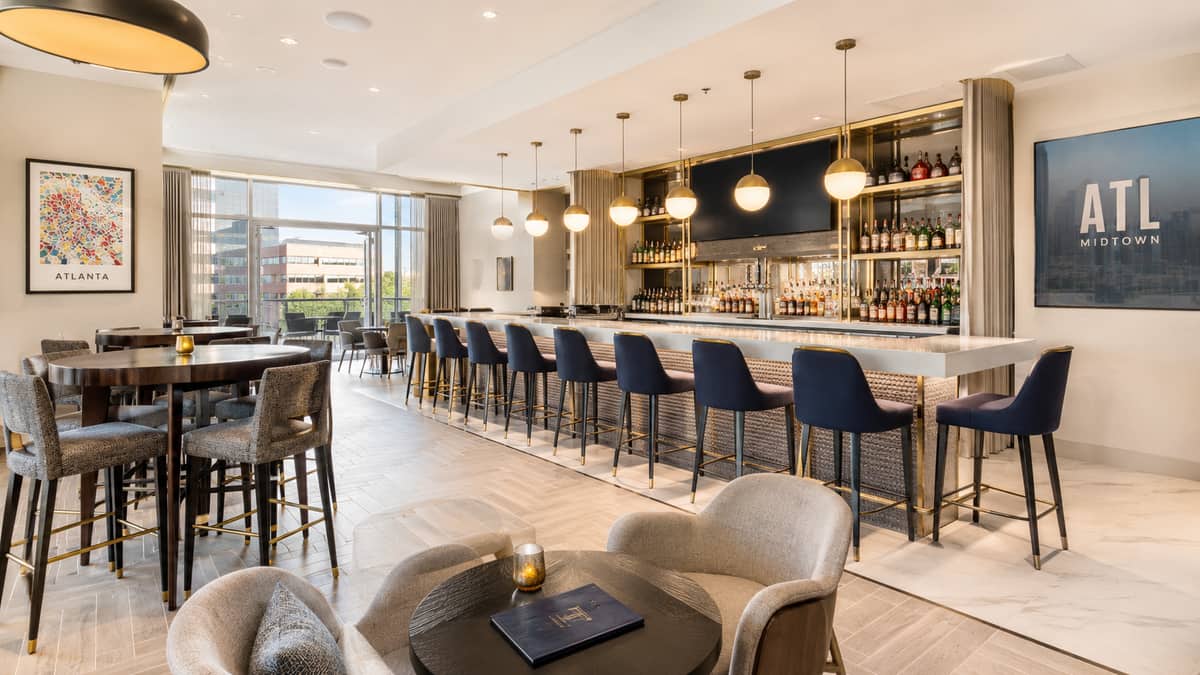
For these storefront spaces, the material spec should account for heavy, late-night use and Tucson's dry climate. Powder-coated steel or solid hardwood frames hold up better here than lighter builds meant for lower-traffic use. Specify commercial-grade nylon or felt glides on every table base, since older downtown floors scratch easily and a plastic glide cap dragged across the floor during a Friday night reset is an expensive mistake. Upholstery in this corridor should run performance fabric rated at a minimum of 30,000 double rubs Wyzenbeek, since most Fourth Avenue venues run steady, moderate-to-heavy indoor traffic most nights of the week during the school year.
Foothills Resort Lounges and the Business Travel Standard
The resort corridor stretching through the Catalina foothills serves a different customer entirely: leisure and business travelers who want a reliable drink and a comfortable seat, often outdoors, taking in a mountain or desert view. Resort lobby bars and pool lounges in this corridor need to perform for a guest who is paying a premium and expects the furniture to match.
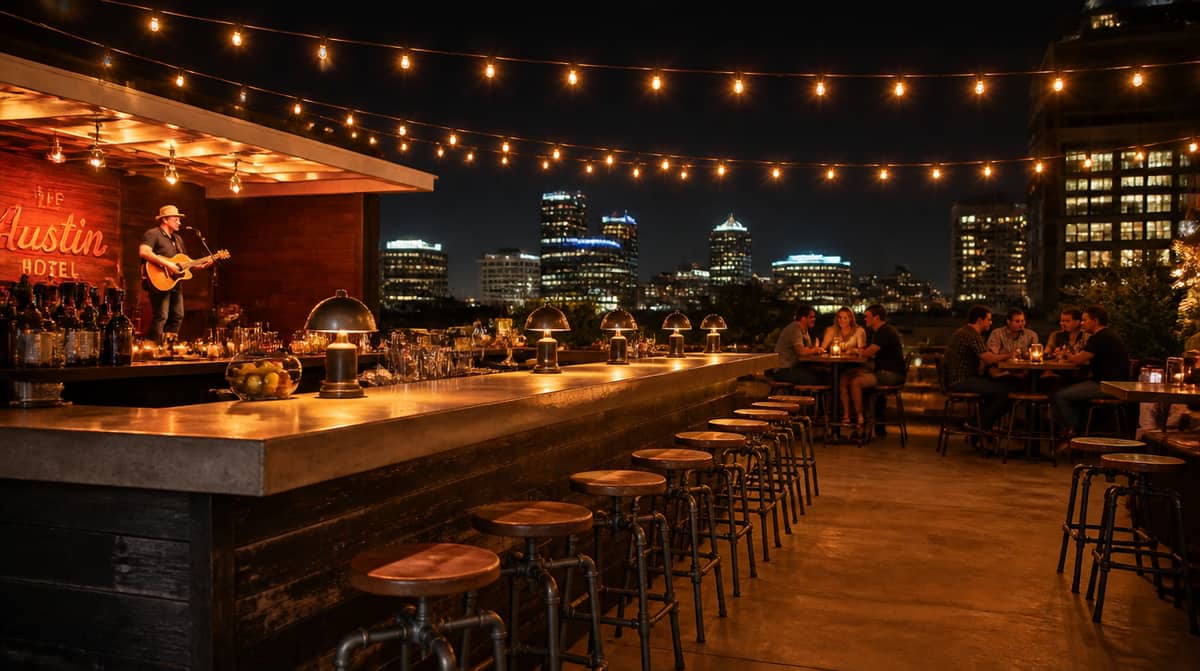
Seating height accuracy matters here as much as anywhere. Confirm actual bar counter height before ordering: a standard bar-height counter runs 42 inches and pairs with a 28-to-30-inch seat, while counter-height surfaces at 36 inches need a stool in the 24-to-26-inch range. For lounge seating near a pool or patio bar, specify moisture-barrier foam construction under any cushion, since spill and splash exposure is real and Tucson's UV levels accelerate the breakdown of unsealed foam even faster than in milder climates. COM programs are worth discussing with resort groups renovating properties in this corridor, since matching proprietary fabric standards to a commercially rated frame matters when a brand has color and material specifications tied to guidelines.
University Crowds and the Game Weekend Surge
The University of Arizona drives demand unlike anything else in the market during a home football weekend or a major campus event. Bars and restaurants near campus and along the routes leading downtown see demand spikes that most neighborhood venues never approach on an ordinary weekend.
Furniture serving this corridor needs to be treated as infrastructure. Bar stool frames should run minimum 16-gauge steel on all structural members, with fully welded joints at the footrest and at every leg-to-seat connection rather than bolted construction that loosens under sustained heavy use. Replaceability is the other priority. A sports bar running at capacity during a big home game needs a supplier that can ship replacement stools in the same finish on short notice, not a made-to-order collection with an eight-week lead time.
Sourcing Bar Lounge Furniture for Tucson Projects
Tucson's hospitality construction market tends to move around specific triggers: a resort group commits to a renovation ahead of winter season, a new bar opens on Fourth Avenue, or a restaurant group times an opening to the fall football calendar. The standard commercial furniture lead time of 8 to 12 weeks for custom orders needs to be planned against these fixed dates well in advance.
The practical approach for most Tucson bar and lounge projects is in-stock contract inventory for the core seating program, with custom or COM orders reserved for accent pieces where a specific look matters most. If you are in the early planning stages of a bar or lounge build anywhere in Tucson, downtown and Fourth Avenue, the foothills resort corridor, or the university district, request a quote before your layout is finalized. It is far cheaper to catch a seat height mismatch or a material issue on paper than after the furniture has arrived at the loading dock.