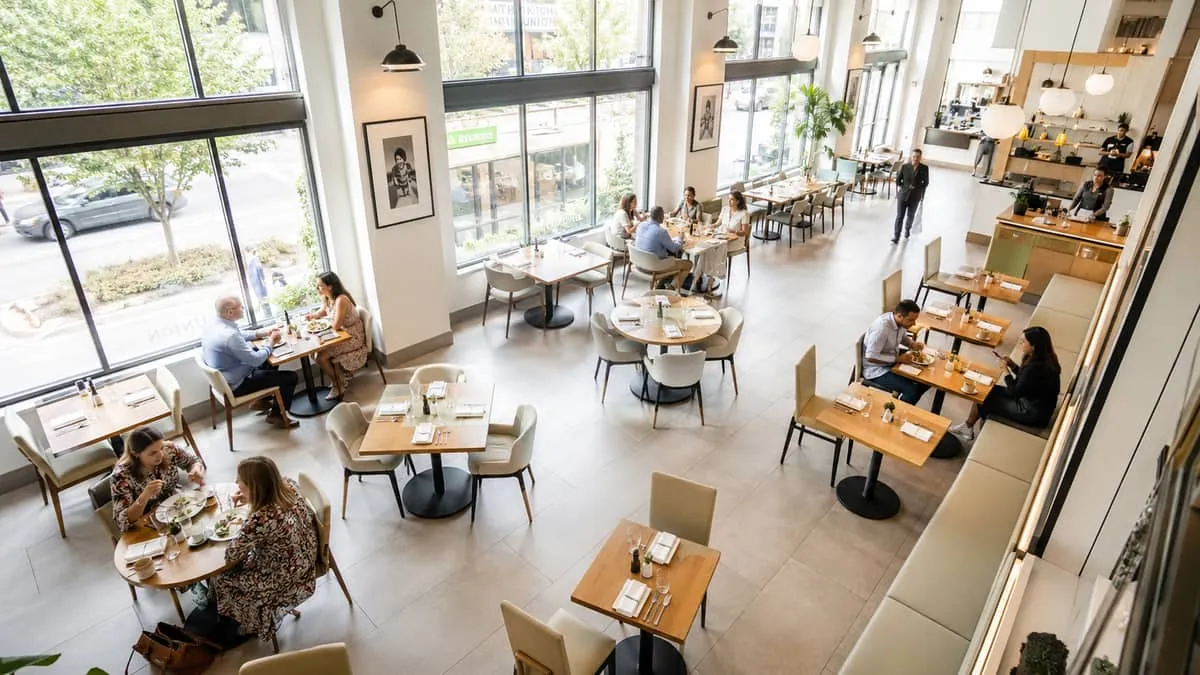
St. Louis has one of the more layered restaurant scenes in the Midwest, and every layer puts furniture to a different test. Soulard's historic storefronts hold some of the city's busiest bars and bistros, packed for the farmers market crowd on weekends and for Mardi Gras season every year. The Central West End keeps a dense concentration of upscale dining within walking distance of the neighborhood's medical campus and Forest Park. The Delmar Loop pulls a younger, high-turnover crowd through its restaurants and music venues most nights of the week. And on Cardinals home game days, restaurants near the ballpark and Ballpark Village see traffic spikes that put a normal Tuesday to shame. If you are furnishing a restaurant in St. Louis right now, you are building for a market that expects character in every neighborhood but will not tolerate a barstool that wobbles or a booth cushion that flattens out after one busy season.
Why Retail Furniture Fails Fast in a Restaurant Setting
Retail dining furniture is built for a home, a table used a few times a day, chairs pushed in gently, cushions that only see occasional weight. A St. Louis restaurant on a busy Soulard weekend or a Cardinals game night puts a chair through more use in a single shift than a household chair sees in months. Frame joints loosen. Foam compresses unevenly. Finishes wear through at contact points faster than owners expect, and it usually shows up first at exactly the tables guests notice, the ones near the window or the bar.
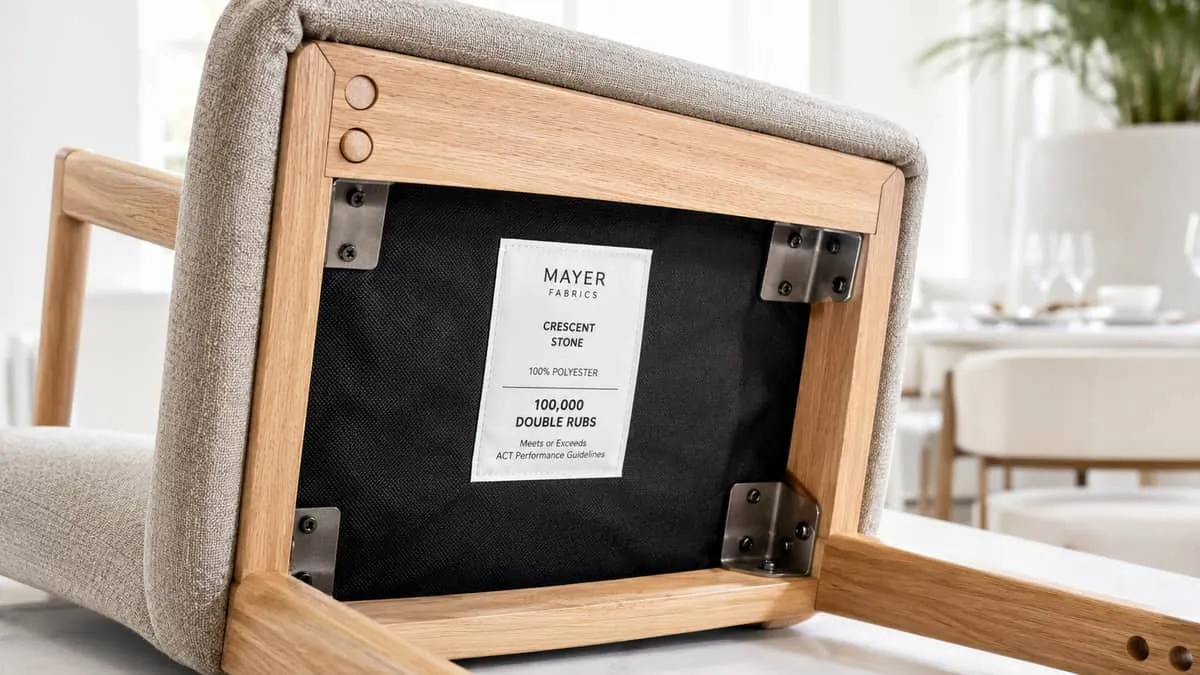
Contract-grade restaurant furniture is built around commercial use assumptions from the start. Frames are reinforced at stress points. Fabrics and vinyls are rated for high-cycle commercial use and chosen for cleanability under real restaurant conditions, spills, wipe-downs, and heavy nightly use. Table bases are weighted and engineered for stability under constant repositioning. The upfront cost is higher than a retail equivalent, but the total cost of ownership over a multi-year lease is almost always lower once you account for replacement frequency.
Matching Furniture to St. Louis Neighborhood Character
A Soulard gastropub trading on exposed brick and a historic storefront needs furniture that reads as authentic to that setting without sacrificing durability. A Central West End restaurant competing for a more upscale dinner crowd near the medical campus needs a different finish tier entirely. A Delmar Loop spot serving a late-night, high-turnover crowd needs seating built to survive constant use with minimal maintenance downtime. Getting the aesthetic right matters for guest perception, but it cannot come at the expense of the underlying construction quality.
One-off purchases from liquidation sources or retail furniture stores create long-term operational headaches. When a chair cracks or a barstool base fails eight months after opening, you need a supplier who still stocks your SKU, can match your finish, and ships fast enough to keep your dining room looking consistent.
Sourcing the Right Supplier
For restaurant furniture sourcing in St. Louis, look for suppliers who carry hospitality-specific lines, not residential or office crossover products repackaged with commercial-sounding descriptions. The best supplier relationships involve reps who understand contract warranty terms, can speak to lead times honestly, and know how to support phased project openings around a construction schedule that shifts.
If you can sit in the chair before you order eighty of them, do it. Ask whether the supplier has showroom access serving the St. Louis market or a regional rep who covers the metro directly. No spec sheet substitutes for testing the seat height, checking the table wobble, and confirming the finish reads the way you expect it to under your actual lighting. St. Louis operators who treat the furniture sourcing process with the same rigor they apply to kitchen equipment will be in better shape two years into their lease than those who rushed the decision to meet a soft opening deadline.