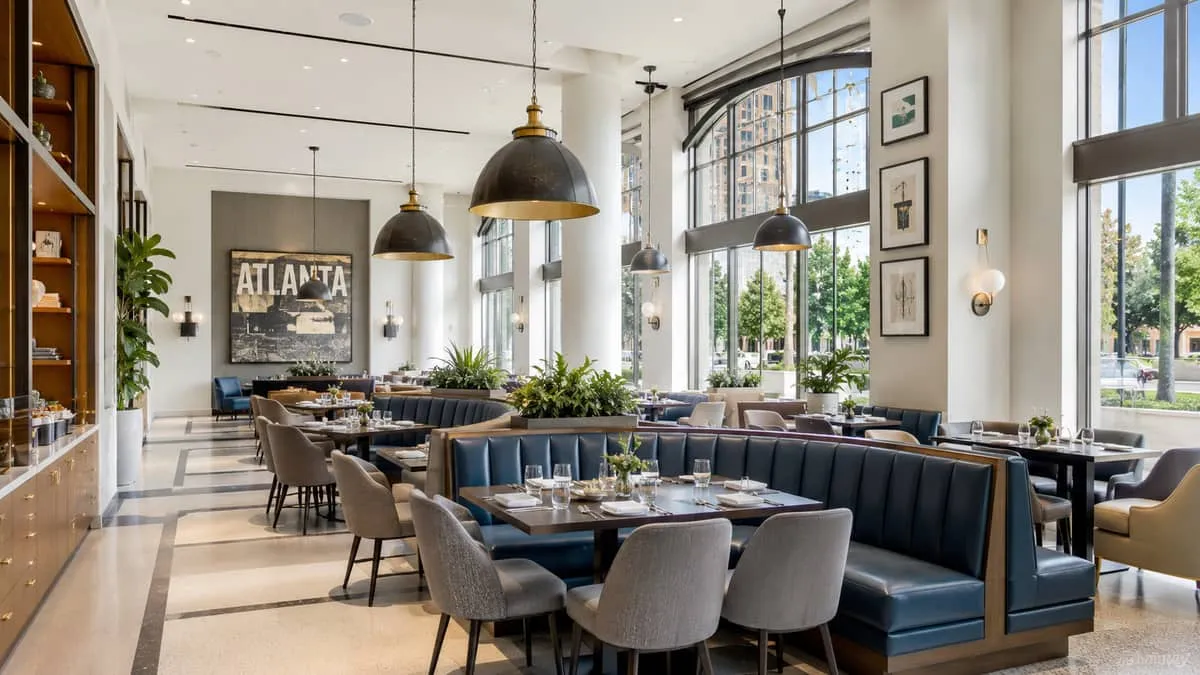
St. Louis sits at the center of a hospitality market that draws on several distinct demand drivers at once. The America's Center Convention Complex keeps a steady stream of trade shows and conventions moving through downtown, and Cardinals home games at Busch Stadium add a recurring seasonal spike that hotel and restaurant operators plan their calendars around. The Central West End has grown into a real medical travel hub tied to the neighborhood's hospital and research campus, filling extended-stay and boutique properties with a different guest profile than a downtown convention crowd. Clayton, the region's corporate business district, pulls weekday business travel that fills a separate tier of hotel inventory entirely. If you are developing or refreshing a property here, the procurement challenge is not finding furniture, it is locking in specifications, managing lead times from suppliers that are rarely local, and coordinating delivery against a construction schedule that will not wait for you.
Building an FF&E Timeline That Actually Holds
The single biggest mistake in FF&E procurement is treating furniture as a late-stage decision once construction is well underway. By the time interior finishes are locked and a general contractor is asking for confirmed lead times, a rushed furniture order has already lost weeks it cannot get back. Start the FF&E process alongside interior design, not after it. Get preliminary specifications to your supplier as soon as room layouts and finish concepts are stable enough to work from, even before every detail is finalized.
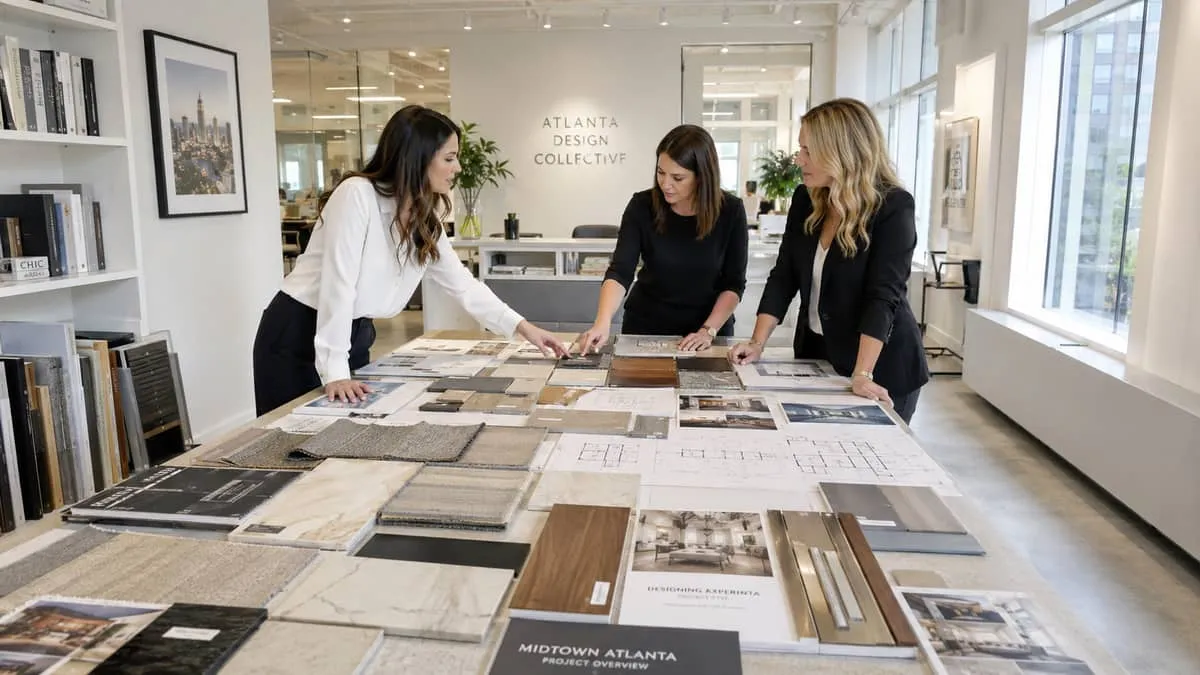
Standard lead times for contract furniture run 10 to 16 weeks domestically, longer for imported goods once you account for ocean freight, customs clearance, and inland transit to the Midwest. Build those numbers into your project schedule as hard constraints, not optimistic estimates. A property targeting a pre-convention-season opening or a financing draw tied to substantial completion cannot afford to discover a supplier's real lead time midway through the project.
Coordinating Across Property Types
A downtown convention hotel FF&E program moves differently than a Central West End extended-stay refresh or a Clayton corporate property renovation. Convention-driven properties need furniture staged and ready before the next major trade show or Cardinals homestand fills the neighborhood. Medical-travel properties need phased delivery that does not disrupt guests staying for extended periods. Corporate properties in Clayton often run tighter overnight construction windows to avoid disrupting weekday business travelers.
Work with a procurement partner who understands these differences rather than applying the same generic timeline to every project type. Ask specifically how they have handled phased delivery into occupied buildings, and get real examples, not general assurances.
Building in a Realistic Budget Buffer
Build a contingency of at least 10 percent into your FF&E budget from the start. Field changes late in the process are common, and having that buffer lets you absorb surprises without making procurement decisions under financial duress. The properties that open on time and on budget in St. Louis are the ones that started procurement early, respected lead times that account for freight into the region, and kept the designer and procurement agent in constant communication throughout the process. Whether you are outfitting a hotel near the convention complex, a Central West End extended-stay property, or a Clayton corporate build, the fundamentals are the same: start earlier than you think you need to, specify clearly before you bid, and build freight and installation into your numbers from day one.
Related reading
- FF&E procurement: a practical guide for hotels and venues
- What is contract furniture
- Commercial furniture vs retail
- Hospitality furniture supplier guide
- Hotel seating catalog
- Guestroom casegoods
- Browse full catalog
- Hotel furniture supplier in St. Louis
- Hotel renovation furniture in St. Louis
- Commercial furniture in Missouri
- Request a quote