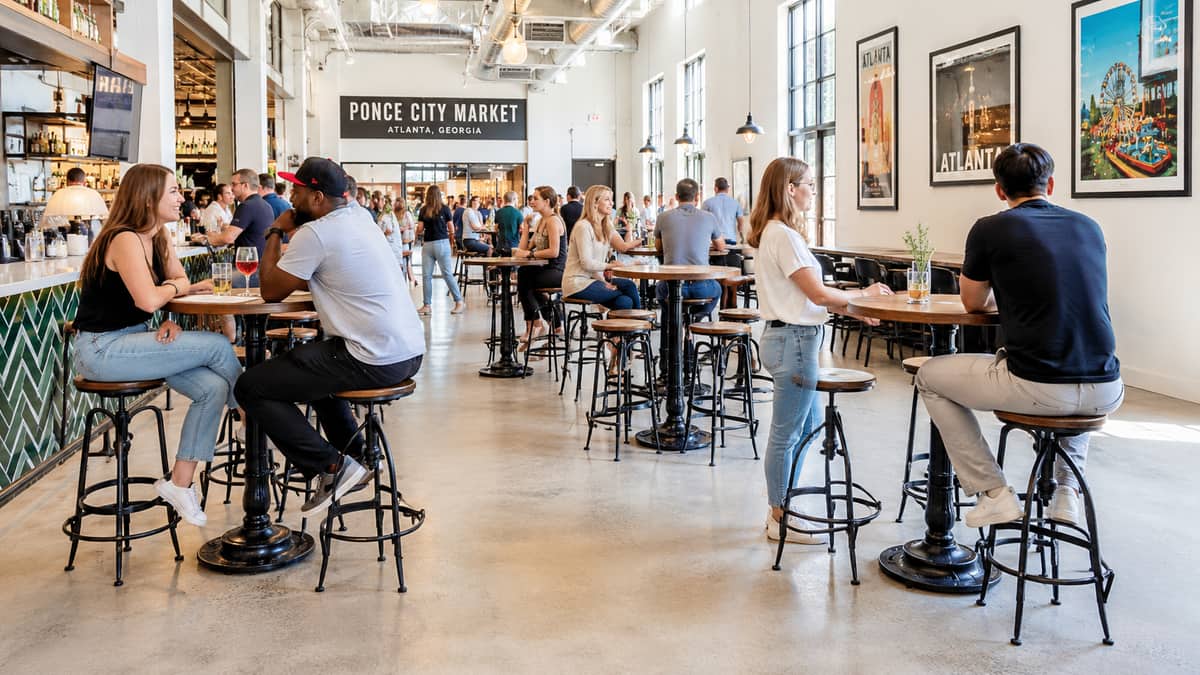
St. Louis carries a bigger bar and lounge market than most cities its size, spread across a handful of genuinely distinct districts. Soulard's dense grid of historic bars sees its heaviest traffic on weekends and during Mardi Gras season, when every stool and booth in the neighborhood gets used at capacity for days at a stretch. The Delmar Loop pulls a steady late-night crowd through its music venues and bars most nights of the week. Downtown, hotel bars and Ballpark Village venues see sharp spikes tied to Cardinals home stands and America's Center convention traffic. Sourcing bar lounge furniture St. Louis operators can depend on means understanding each of these contexts, because a stool built for a Soulard weekend crowd is not the same stool that belongs in a downtown hotel lobby bar serving a quieter weekday business crowd.
What Bar and Lounge Furniture Actually Has to Survive
A busy Soulard bar puts a barstool through more cycles in a single Saturday night than a residential chair sees in a year. Guests lean back on the rear legs. Stools get bumped, dragged, and stood on more often than anyone plans for. Fabric on lounge seating near a bar takes constant contact with spilled drinks and body oils, and finishes on tabletops see more abrasion from glassware and phones than any retail furniture spec accounts for.
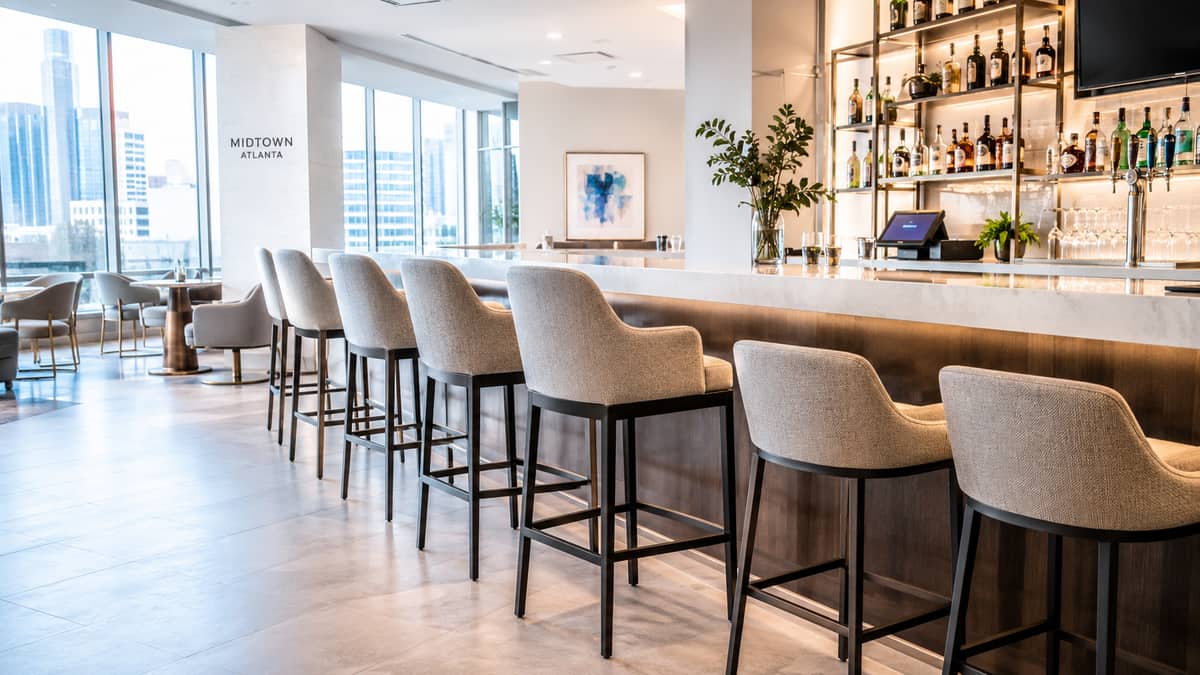
Contract-grade bar and lounge furniture addresses these failure points directly. Stool frames are reinforced at the base and footrest, the highest-stress points on any barstool. Upholstery is rated for high-cycle commercial use and finished for cleanability under nightly wipe-down protocols. Table and bar-top finishes are chosen for resistance to moisture, alcohol, and abrasion rather than for looks alone.
Sourcing Bar Lounge Furniture for St. Louis Projects
St. Louis' bar and restaurant construction market tends to move around specific triggers, a new concept opening in Soulard ahead of Mardi Gras season, a hotel lobby bar renovation timed to a convention calendar shift, or a Delmar Loop venue refreshing its seating during a slow season. The standard commercial furniture lead time of 8 to 12 weeks for custom orders needs to be planned against these fixed dates well in advance.
Replaceability is the other priority. A bar running at capacity during a Cardinals home stand needs a supplier that can ship replacement stools in the same finish on short notice, not a made-to-order collection with an eight-week lead time. Ask whether your primary seating collection is held in stock before committing to it, and confirm actual reorder timelines in writing rather than relying on a verbal estimate.
The practical approach for most St. Louis bar and lounge projects is in-stock contract inventory for the core seating program, with custom or COM orders reserved for accent pieces where a specific look matters most. Build supplier relationships ahead of a fixed opening date rather than after ground has already broken. If you are in the early planning stages of a bar or lounge build anywhere in St. Louis, downtown, Soulard, or the Delmar Loop, request a specification consultation before your layout is finalized. It is far cheaper to catch a seat height mismatch or a material issue on paper than after the furniture has arrived at the loading dock.