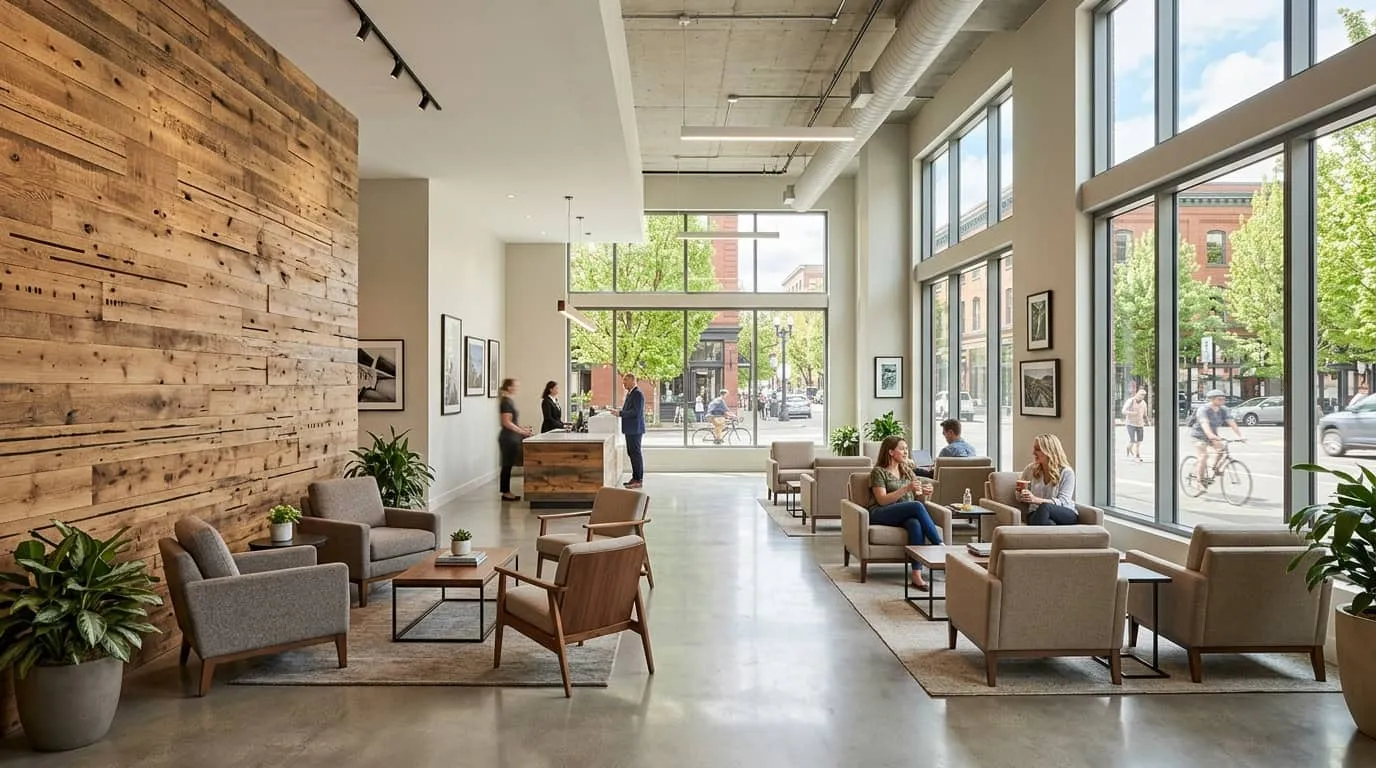
Portland's Restaurant Market and What It Demands from Furniture
Portland has built a national reputation for its food culture, and that reputation puts real pressure on restaurant operators. A concept opening on Division Street or in the Pearl District is competing not just on food it's competing on the entire experience, and the furniture is part of that experience in ways that guests register even when they can't articulate them. Seating that's uncomfortable, tables that wobble, or a visual aesthetic that reads as cheap undermines the meal before the first plate lands.
At the same time, Portland's restaurant operators are practical. Margins are thin across the industry, and furniture that looks good but fails after 18 months of daily service is an operational liability, not an asset. The right specification finds the intersection of durability and design contract-grade construction that holds up under real restaurant conditions, finished in a way that matches the aesthetic character of the neighborhood and concept.
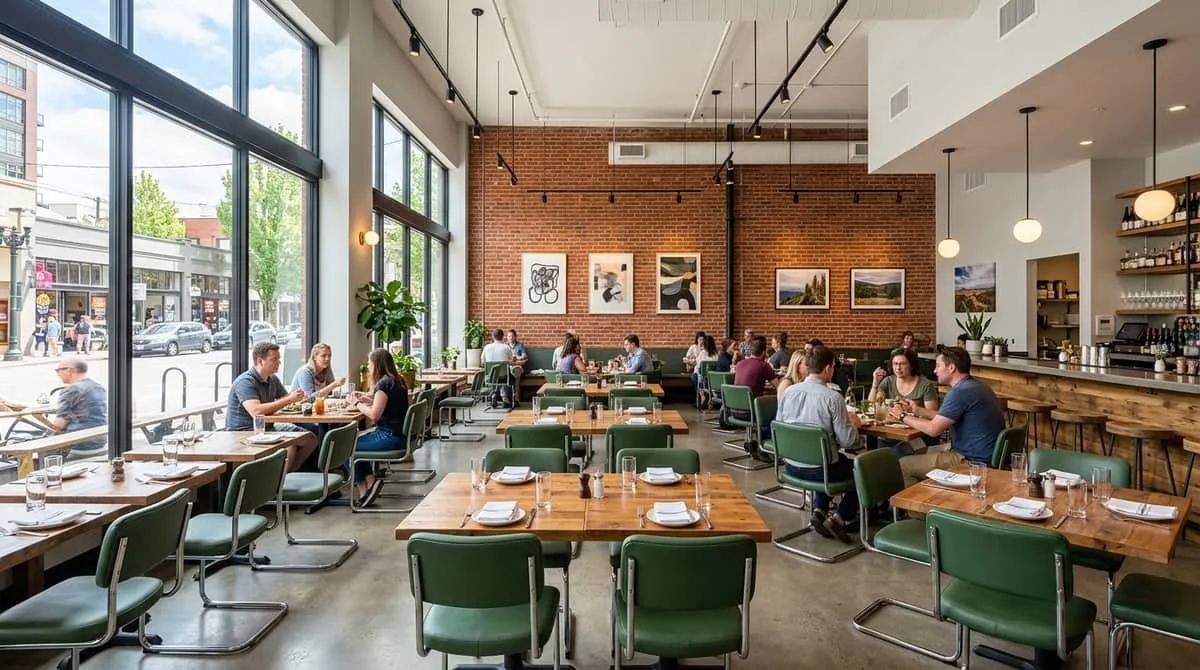
This isn't a theoretical exercise. The Division Street dining corridor, the Alberta Arts District restaurant scene, and the newer concepts opening near NW 23rd Avenue all have distinct visual personalities. Your furniture supplier should be able to work within those personalities while keeping you on a product that actually survives commercial use.
Dining Chair and Stool Specifications
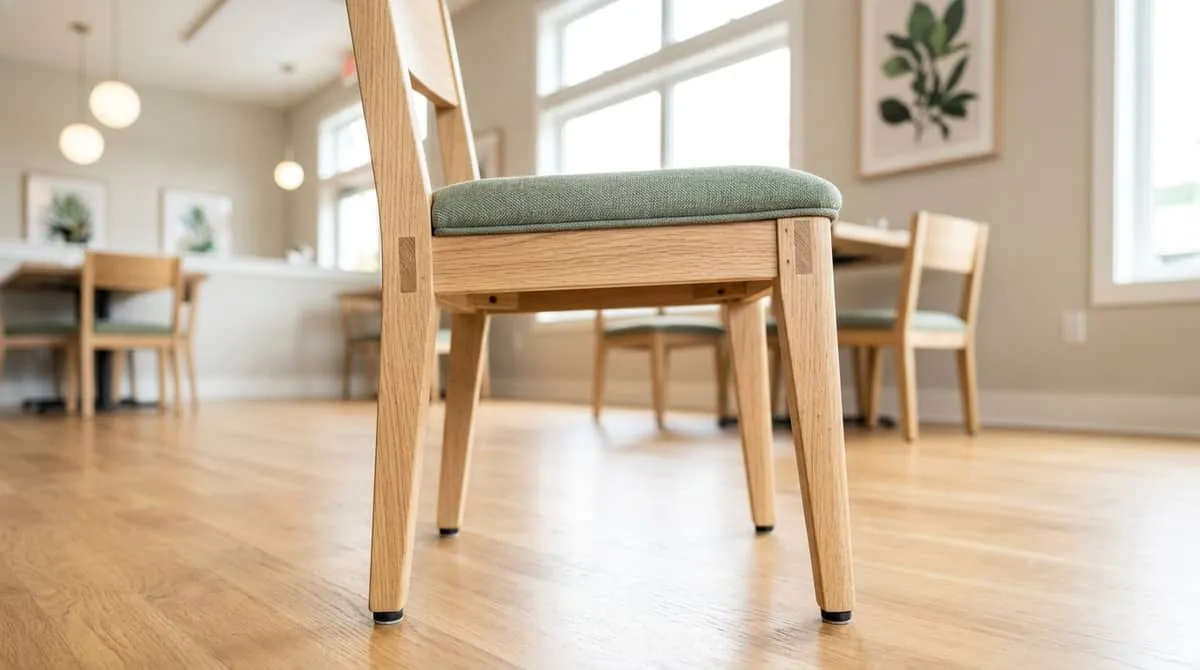
Restaurant chairs take more abuse than almost any other piece of commercial furniture. Guests lean back, drag chairs across floors, knock them into table legs, and treat them with the casual disregard that comes from not owning them. A chair that's built to residential standards will show that treatment visibly within a year. Contract-grade chairs with fully welded metal frames or mortise-and-tenon wood joinery, commercial-rated upholstery or solid wood seats, and glides that protect both the chair and your floors are engineered for that reality.
For Portland's restaurant market, solid wood side chairs and metal frame chairs with upholstered seats both perform well and match the aesthetic range of the city's food scene. The warmth of walnut or white oak frames reads naturally in Portland's food culture, which has always leaned toward materials that feel honest and regional. Blackened steel frames with leather or woven upholstery work equally well in the darker, more atmospheric concepts opening in the Pearl and along Burnside.
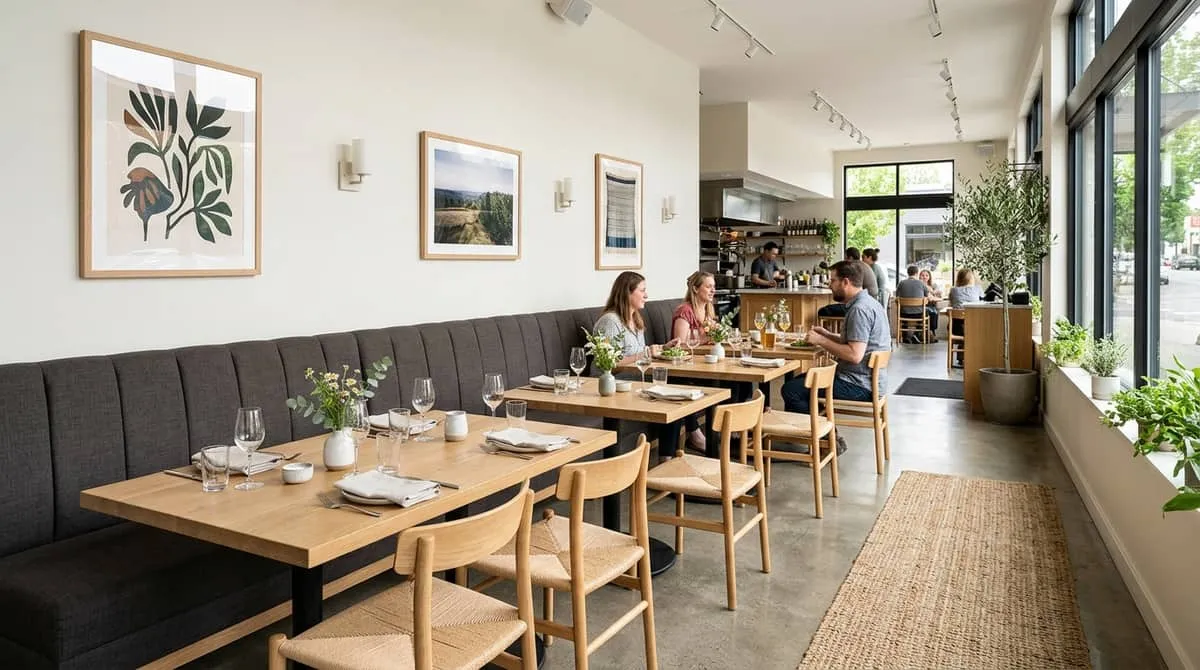
Bar stools at counter seating a configuration increasingly common in Portland's open-kitchen concepts and neighborhood bar-restaurants need the same structural standards as dining chairs, with the addition of footrest durability as a key spec point. Footrests take constant contact and vibration. Look for welded metal footrests on metal stools and turned or steel rod footrests on wood stools, with a finish treatment on the footrest section that anticipates wear.
Table Bases, Tops, and Configuration for Portland Restaurants
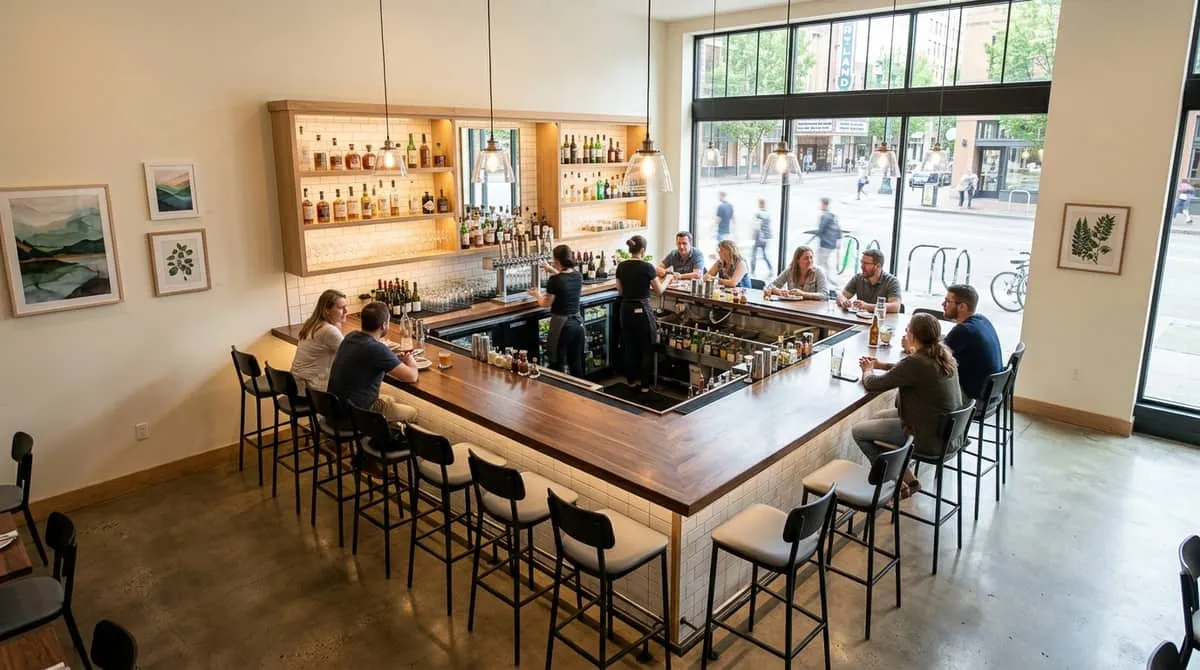
Portland restaurants frequently work with challenging floor plans older buildings in the Pearl District and Alberta Arts District have irregular column grids, small bays, and floor-level variations that make standardized table configurations difficult. Table bases with leveling glides are not optional in these contexts; they're baseline requirements. A table that rocks on an uneven floor creates a bad guest experience and increases the rate at which tabletop surfaces wear unevenly.
Table bases in cast iron or aluminum with bolt-through mounting are the right spec for commercial restaurants. Spider bases and tulip bases give you flexibility across round, square, and rectangular top shapes. Column heights in 28 to 30 inches for standard dining and 40 to 42 inches for bar-height work cover the range of configurations Portland operators commonly run.
Tabletop materials for Portland restaurants should be selected for cleanability and durability. Solid wood tops, though visually appropriate for the market, require regular maintenance and refinishing in commercial service. HPL (high-pressure laminate) tops in wood-grain, concrete, or solid color finishes give you the visual range without the maintenance obligation, and they're rated for commercial cleaners and the heat and moisture exposure that dining surfaces experience. Stone or stone-look porcelain tops read as premium and hold up well, though they add weight that matters if you're reconfiguring the room frequently.
Outdoor Dining Furniture for Portland Patios
Portland's outdoor dining season is shorter than in warmer markets, but when the weather holds typically May through October patios and sidewalk seating are significant revenue drivers. The furniture running those spaces needs to tolerate Portland's wet winters during storage and the UV and moisture exposure of an active outdoor season.
Aluminum frames with powder-coat finishes are the workhouse of Pacific Northwest restaurant patios. They don't rust, they're light enough for daily setup and breakdown, and they're available in a wide enough range of finishes to match almost any aesthetic. Stack-able aluminum chairs are the practical choice for operators who need to pull patio furniture indoors or into covered storage when weather turns.
For covered outdoor spaces the covered patios that Portland restaurants depend on for shoulder-season revenue you can extend the material range to include resin wicker over aluminum frames and teak or ipe hardwood seating, which hold up under covered outdoor conditions without the corrosion exposure that fully open patios create. These materials read well in the more polished outdoor spaces near the Willamette River waterfront and in the Pearl District's courtyard concepts.
Heater clearances and weight limits for rooftop or elevated patios are building-specific. Confirm both before finalizing outdoor furniture specifications the wrong base weight on a rooftop deck is a permitting issue, not just a logistics problem.
Procurement Timing and Supplier Relationships
Restaurant furniture procurement for a new Portland opening or a full renovation involves more lead time than most operators initially plan for. Custom upholstery, specialty wood finishes, and imported chair frames can run 10 to 16 weeks from order to delivery. If you're targeting a specific opening date tied to the Portland spring dining season or a fall relaunch, back-plan your furniture order from that date, not from when you finish your design process.
Work with suppliers who can provide contract-grade product with published performance specifications specifically ANSI/BIFMA test ratings for seating. Suppliers who can't provide those specifications are selling you product without accountability for performance claims. In a commercial restaurant context, that accountability gap shows up as accelerated wear and replacement costs.
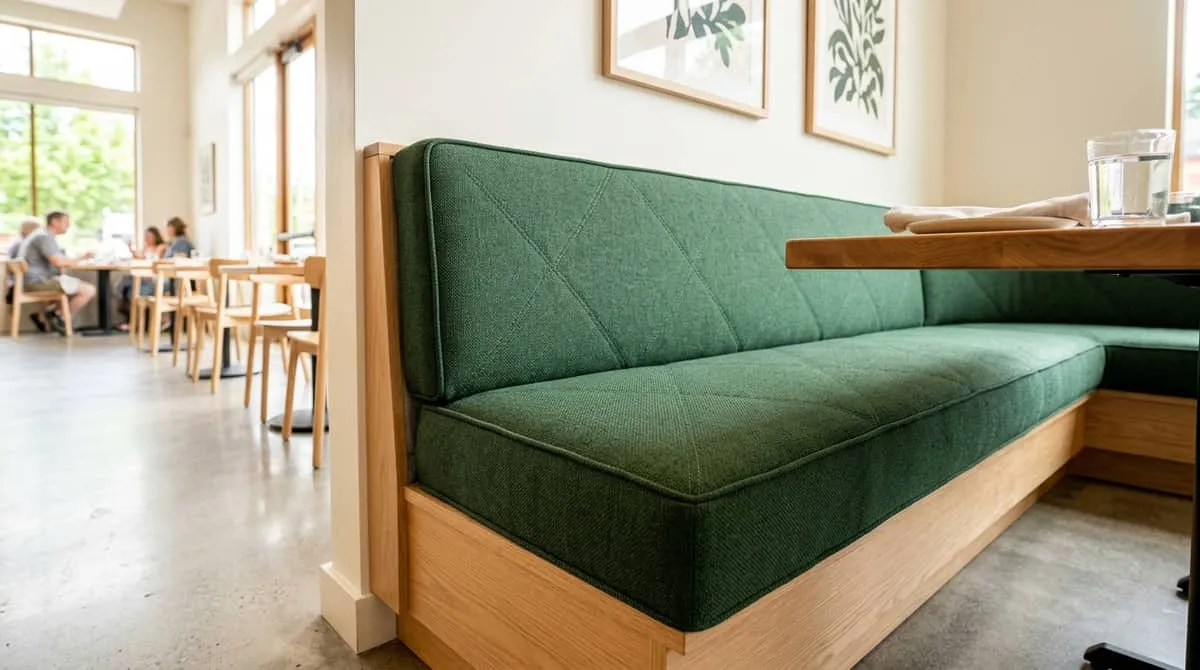
Get quotes from multiple suppliers but evaluate them on lead time reliability and reference quality alongside price. A supplier with one strong project reference in Portland's restaurant market is more valuable than a lower-cost option with no regional track record.
If you are sourcing restaurant furniture for your Portland property, the fastest way to real numbers is to tell us what you need. Request a quote with your quantities and timeline.