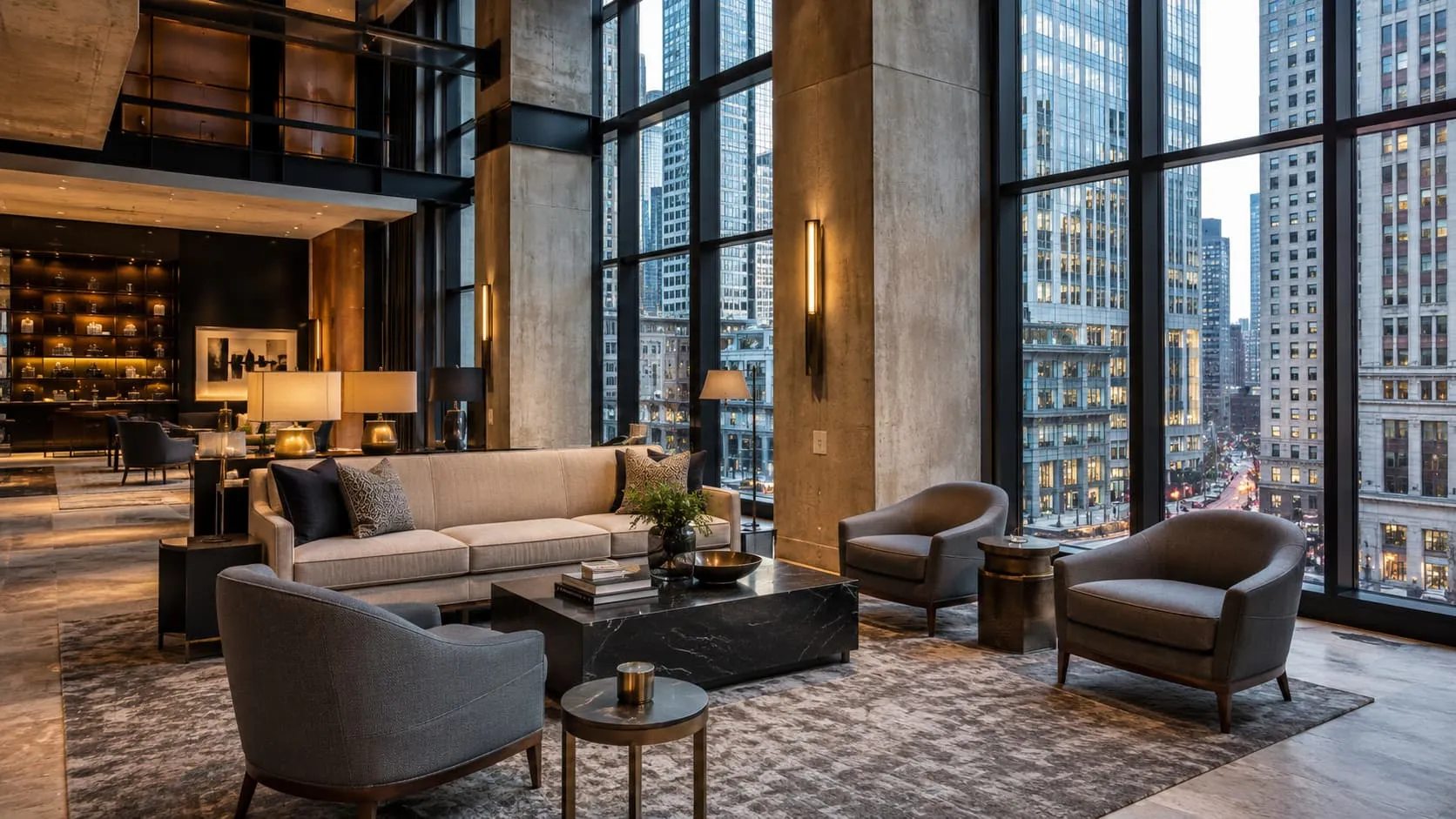
New York City does not give restaurant furniture a break. A single seat in a Midtown steakhouse or a West Village bistro can host four or five covers on a Friday night alone. Stack that against a packed Saturday brunch in Williamsburg, a late-night rush in the East Village, and a Sunday rooftop service in Long Island City, and you start to understand what "high-volume" actually means in this market. The restaurant furniture New York operators choose has to be built differently than anything you find in a retail showroom full stop. When a chair wobbles after six months of that kind of punishment, you are not just replacing a chair. You are losing revenue during a repair window this city will not wait for.
Why Contract-Grade Specs Matter in This Market
Let me walk you through the number that matters most: cycle counts. Commercial dining chairs and barstools are rated by how many times a joint can flex before it fails. Retail furniture is built for residential life around 25,000 cycles. Contract-grade furniture starts at 100,000 cycles, and serious heavy-use specs push well past that.
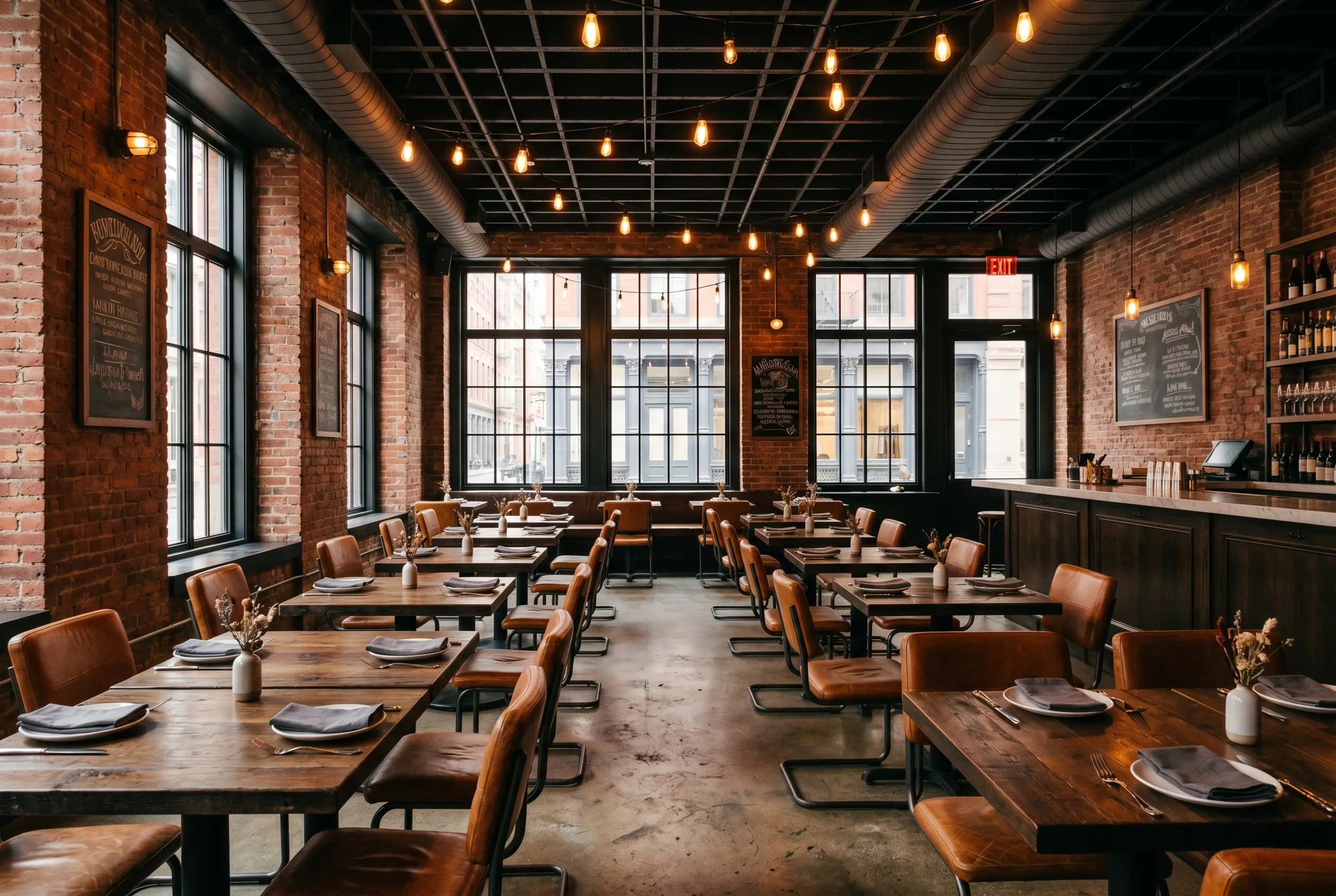
In a market like New York, a popular Lower East Side spot running lunch, dinner, and late-night service six days a week will destroy a retail piece inside a year. Contract-grade seating, properly maintained, should deliver seven to ten years before you are even thinking about a refresh cycle. That is the gap you are managing when you make the sourcing decision.
Frame material is where that durability either holds or falls apart. Solid beech and ash hardwoods grip fasteners better than softwoods or engineered lumber and in a dining room that never stops moving, that grip is what keeps joints tight through season after season. For metal frames, 18-gauge steel or thicker is your baseline for anything expecting real volume. Lighter than that and you will feel the flex before your first lease renewal.
Upholstery for High-Volume NYC Environments
Here is what you need to know about upholstery before you commit to anything: the New York calculation is completely different from softer markets. You are not dealing with occasional spills and light daily use. You are dealing with constant contact, aggressive cleaning chemical exposure, body oils accumulating across multiple covers per seat per shift, and a clientele that will notice deterioration fast in a city where the competition is always one block away.
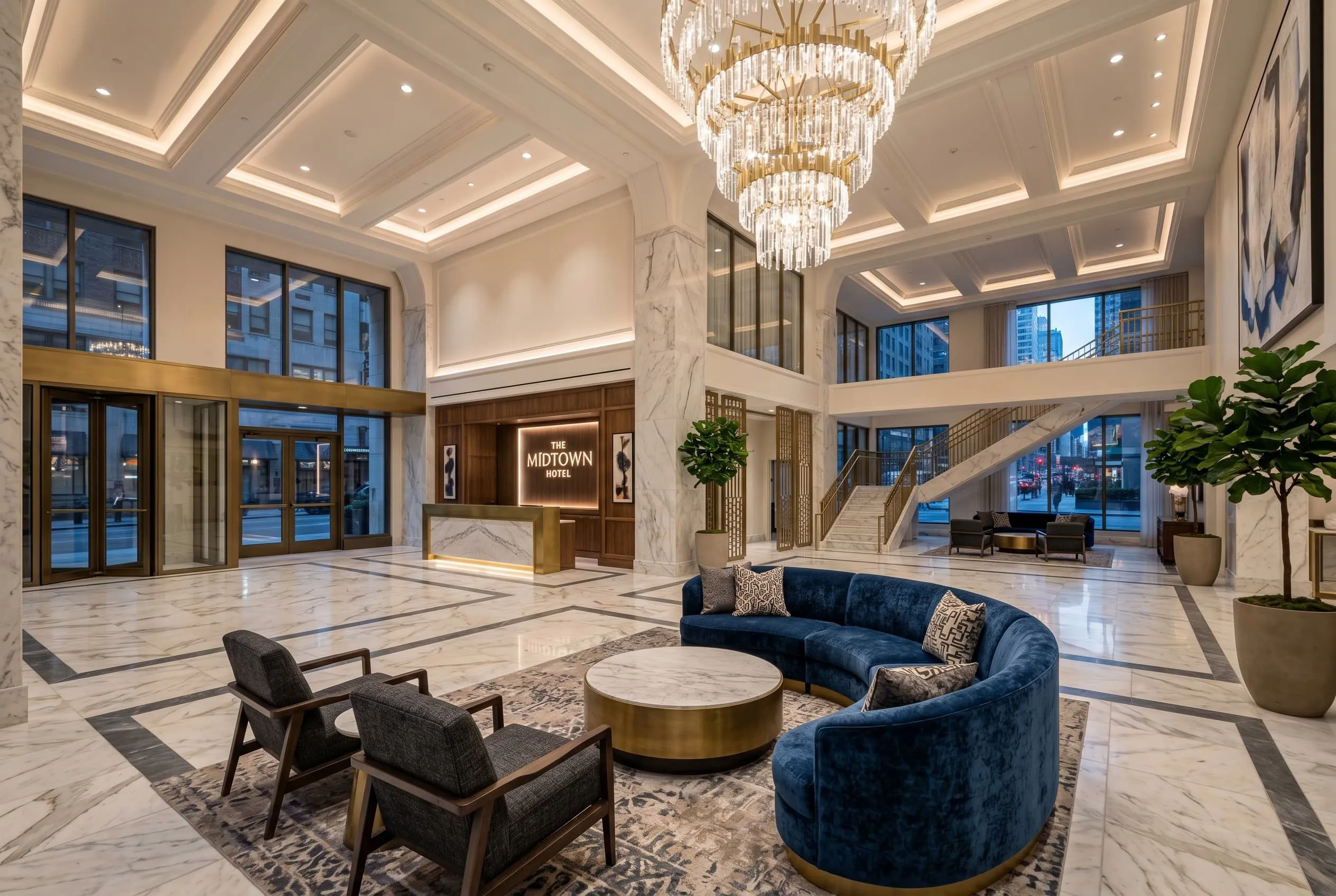
Double rub ratings are the standard abrasion test for commercial upholstery fabric. Residential fabrics often land between 15,000 and 30,000 double rubs. For a busy New York dining room, your floor is 100,000 double rubs. For barstools at a packed bar in Hell's Kitchen or the Meatpacking District, pushing toward 250,000 is not excessive it is just honest math about what those seats endure.
Vinyl and faux leather have come a long way. COM arrangements customer's own material let you work with an upholstery supplier to match a specific design direction while still hitting commercial specs. Plenty of design-forward operators in Brooklyn and the West Village use this route to land the aesthetic they want without sacrificing durability. One detail that gets missed: confirm that your chosen fabric is compatible with the sanitizing products your floor staff is already using. Incompatibility shortens fabric life fast, and by the time you notice the damage, it is already compounding.
Sourcing Relationships and Lead Times
The New York hospitality market moves on tight timelines, and it is not forgiving when a supplier misses one. A restaurant group opening a second location in Williamsburg or a hotel operator refreshing a rooftop bar in Long Island City is not sitting on a flexible schedule. Knowing how your supplier actually manages lead times is as critical as the spec itself.
Lead time transparency: Established contract furniture suppliers maintain stock programs for core pieces. If you are outfitting a straightforward dining room with a standard chair in a stocked finish, a four-to-six week timeline is achievable. Custom pieces, COM upholstery, or specialty finishes push that to ten to fourteen weeks sometimes beyond, depending on factory load. Know this before you sign a lease and commit to an opening date.
Work with suppliers who have direct manufacturer relationships, not brokers layering a distributor between you and the factory. Direct relationships give you real visibility into production status and actual flexibility when something goes sideways and in a market this active, something always goes sideways. For large projects, push for a dedicated project coordinator by name. You want a human being accountable to your timeline, not just an order number sitting in a queue waiting for someone to check it.
Renovation Cycles and ROI Planning
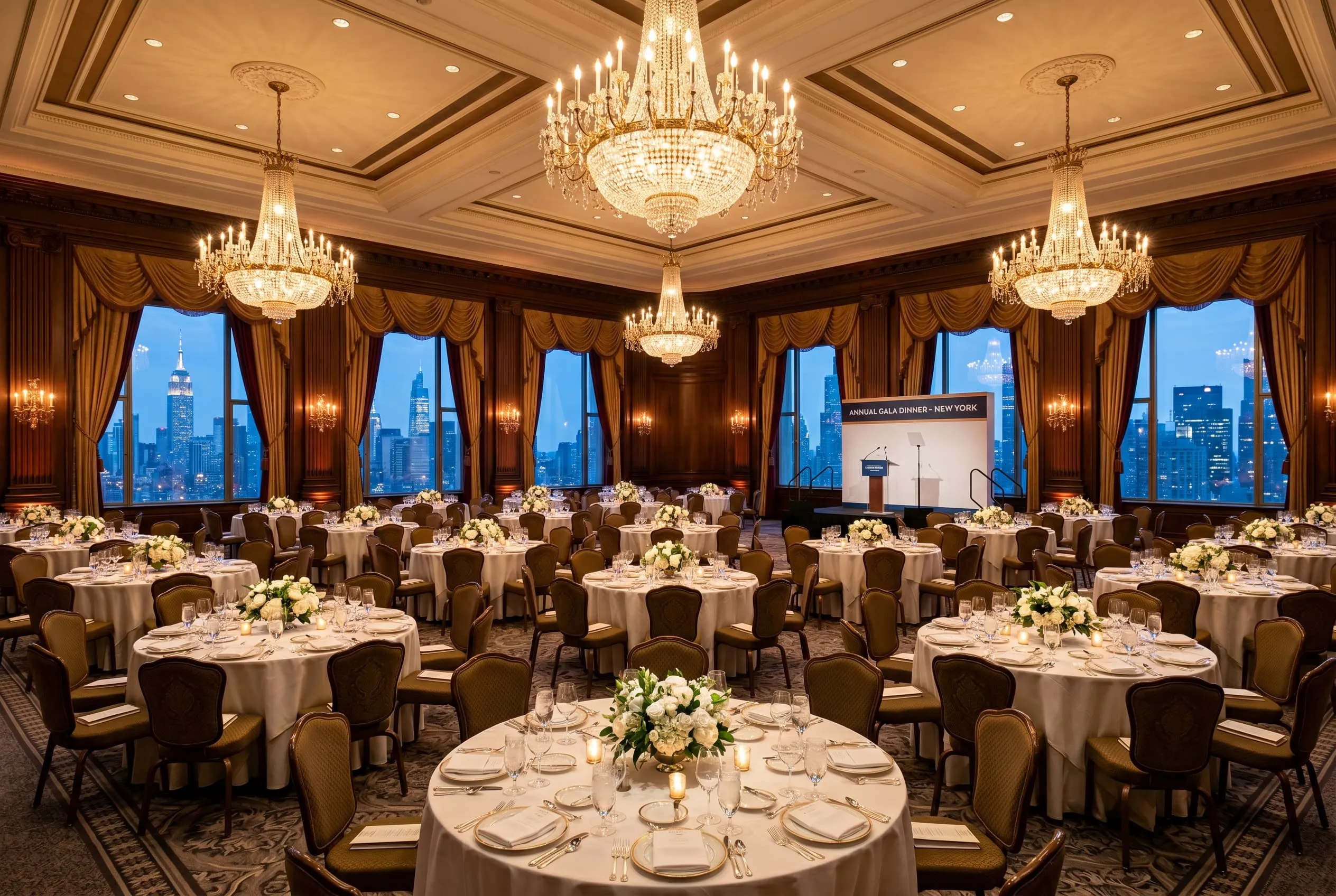
New York's real estate costs create a specific pressure that restaurant furniture New York operators navigate constantly. When your rent is $30,000 a month in Chelsea or SoHo, every square foot has to produce. That means furniture is worked hard, and it also means aesthetic refresh cycles are shorter than in other markets because the competition is relentless and your regulars notice when a room starts to feel tired.
Here is how to plan it: build your furniture purchase around a seven-to-ten year structural lifespan, but budget for a cosmetic refresh at the four-to-five year mark. Reupholstering seats costs a fraction of replacing whole chairs. Refinishing table tops is significantly cheaper than new table procurement. Work with your supplier upfront to understand which elements of the spec are refinishable or recoverable, and fold that into your total cost of ownership calculation from the start not after you have already committed to pieces that have no refinish path.
For multi-unit operators running properties across Manhattan, Brooklyn, and the outer boroughs, standardizing on a core furniture program across locations reduces your per-unit cost meaningfully. Volume purchasing agreements with a primary supplier unlock real discounts and priority production scheduling. In a city where a second or third location can open within the same fiscal year, that kind of leverage compounds quickly.
Getting the furniture right on the front end is what separates operators who build durable, profitable spaces from those constantly reacting to failures mid-service. If you are sourcing restaurant furniture New York for an upcoming opening or renovation, let me give you the clearest direction available: start with the structural spec and work outward to aesthetics. Not the other way around.
Ready to spec restaurant furniture for your New York project? Send us the details and we will price it around your requirements. Request a quote to start.