St. Louis renovation projects run against a calendar that rarely gives a property much breathing room. As the region's largest hospitality market, St. Louis draws a mix of convention attendees filling downtown hotels around the America's Center, Cardinals fans booking rooms for weekend homestands at Busch Stadium, and a steady stream of medical travelers tied to the Central West End's hospital and research campus. Downtown has pushed a wave of adaptive reuse conversions into historic buildings near the riverfront, while Clayton and the airport corridor carry the bulk of the branded, high-volume rooms. When you renovate in this market, you are working against event calendars, seasonal tourism swings, and an operator base that expects a supplier who understands regional logistics. Getting hotel renovation furniture St. Louis procurement right is not a back-office task, it is a revenue decision.
Renovating an Occupied Property Without Losing Revenue
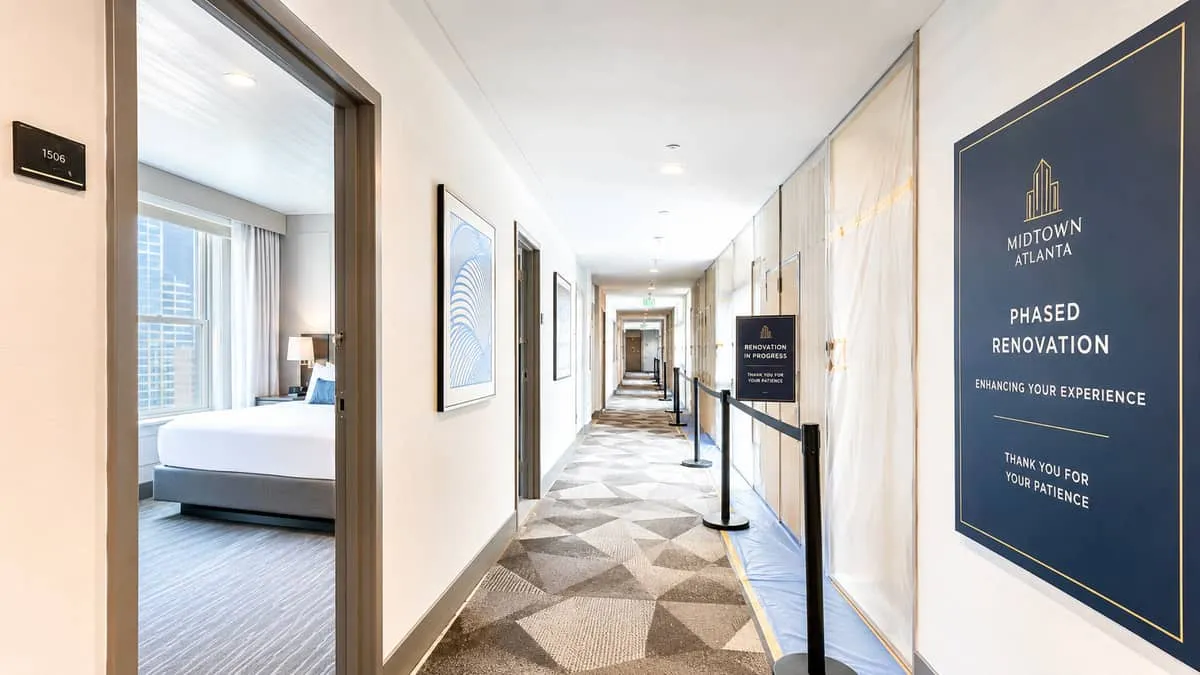
Most St. Louis hotel renovations happen in phases inside an occupied building, not in a shuttered property with unlimited access. That reality shapes almost every FF&E decision. Furniture needs to arrive staged by floor or wing, ready for installation crews to move quickly through completed rooms without blocking guest corridors or disrupting housekeeping operations. A phased delivery plan that does not match your actual construction sequencing wastes storage space and creates logistics headaches that slow the whole project down.
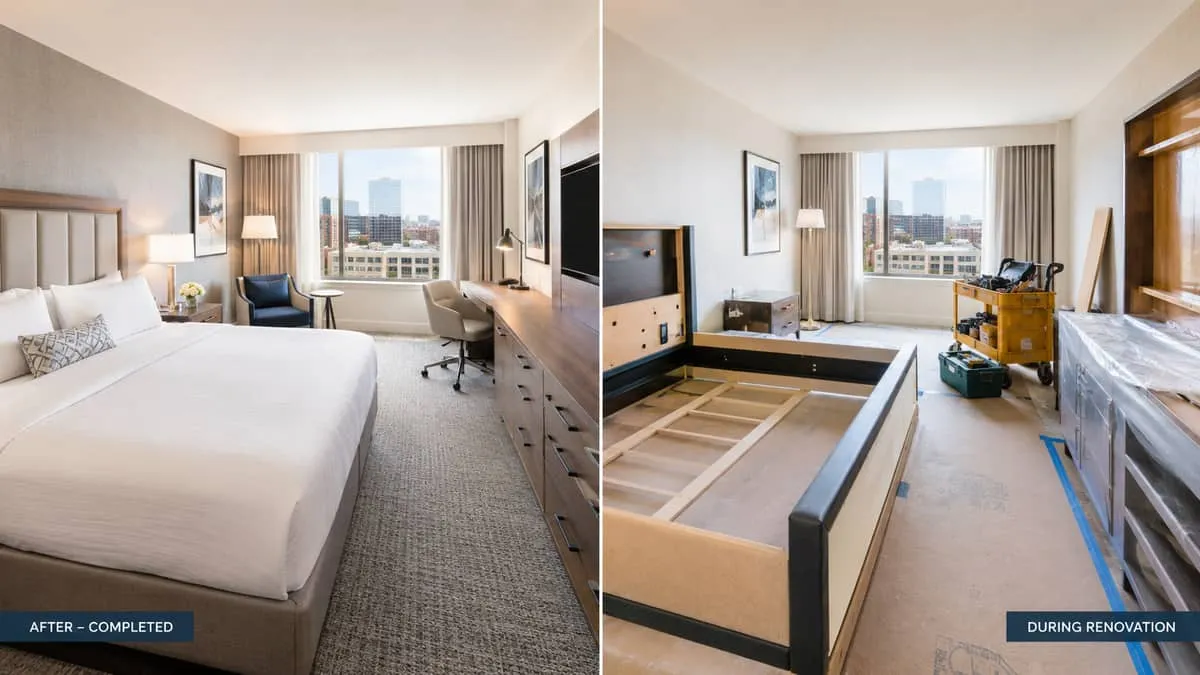
A supplier with real experience delivering to occupied hotels in St. Louis already understands these constraints, along with the realities of coordinating around a convention calendar and Cardinals homestand schedule that can shift room availability week to week. They show up with the right crew, the right equipment, and a schedule built around your property's operational calendar rather than their own convenience. They coordinate with your front desk, your engineering team, and your construction general contractor so new furniture arrives staged and ready to install in completed rooms rather than sitting in a hallway blocking guest access.
Vetting a Supplier for a Renovation Project
Ask every supplier you evaluate a direct question: have they delivered to occupied hotel properties in St. Louis or comparable Midwest convention markets specifically? What is their protocol for white-glove installation in active buildings, and how do they plan for delivery scheduling around a downtown convention or stadium event calendar? If the answer is vague or generic, that is a clear signal. You need operational experience in a market like this one, not just a product catalog and a freight quote.
Standard lead times for contract renovation furniture run 10 to 16 weeks domestically. A property targeting a reopening ahead of a major America's Center convention or the start of Cardinals season needs to lock specifications early enough to absorb that timeline without compressing the install schedule into a window that puts guest disruption at risk.
The difference between a St. Louis hotel renovation that opens on time and on budget and one that drags past every deadline usually comes down to the procurement decisions made in the first four weeks of planning. Treat FF&E as a core operational workstream from day one, and your renovation has a real chance of running the way it was designed.