Planning Hotel Furniture Renovation in Portland
Hotel furniture renovation in Portland requires balancing design intent against operational reality. A full guestroom refresh at a Pearl District boutique property carries different constraints than a phased renovation at a convention corridor hotel that can't afford extended room blocks out of inventory. Both require the same discipline: clear specification, reliable procurement partners, and a timeline that accounts for Portland's actual lead time environment rather than an optimistic plan that falls apart at the first delay.
The renovation context also raises questions that new builds don't face. What's the condition of existing FF&E, and can any of it be retained or refreshed? How do you sequence room rotations to minimize revenue impact? What's the design direction that justifies the capital spend to the ownership group? And how do you procure at renovation scale typically 20 to 150 guestrooms plus common areas in a way that gets you consistent product without overcommitting to a single supplier relationship?
Portland's hotel market has a reasonable renovation pipeline for several reasons. The convention calendar creates revenue pressure that makes deferred maintenance increasingly costly. The boutique segment's emphasis on design means that aging interiors lose positioning faster than in branded properties where the standard is set centrally. And newer developments along the Willamette River and in the Lloyd District are resetting guest expectations in ways that make older properties feel the gap more acutely.
FF&E Condition Assessment Before Procurement
Before committing a renovation furniture budget, conduct a systematic condition assessment of existing FF&E. This is a step that operators frequently skip or compress, and it creates procurement problems when the actual replacement scope turns out to be different from the initial assumption.
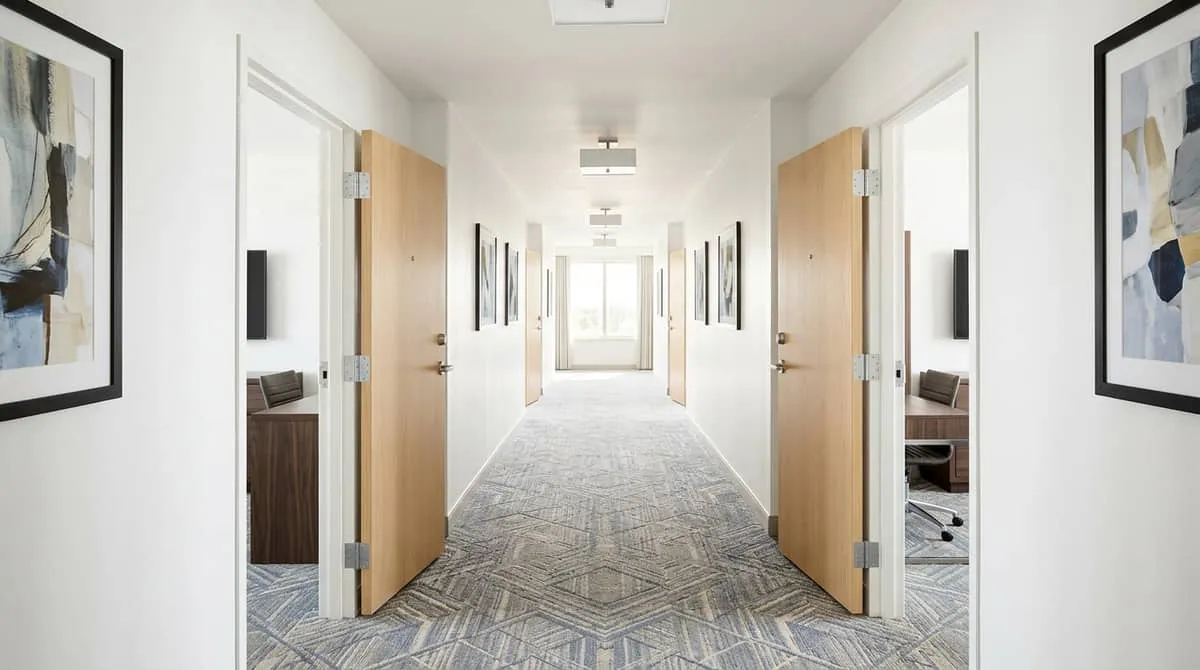
Walk every room category in your inventory standard rooms, king guestrooms, suites, accessible rooms with a standardized assessment framework that evaluates each furniture category: beds and headboards, casegoods (dressers, nightstands, desks, luggage benches), seating (desk chairs, lounge chairs, ottomans), and soft goods (mirrors, artwork, window treatments). Rate each category by condition replace, refurbish, or retain and record the basis for the decision.
Common findings in Portland hotel assessments include: headboard fabric wear concentrated on the upper edge where guests lean; dresser drawer slide failure, particularly in rooms with high weekend occupancy; desk and nightstand surface scratching from device chargers and keys; and seating foam compression in properties where the guest mix includes extended-stay corporate travelers who spend more time in the room. These are the failure modes that contract-grade renovation product addresses.
The assessment also reveals procurement scope with enough precision to get accurate supplier quotes. Vague renovation briefs produce wide quote ranges. An assessment that specifies "47 standard king rooms need new casegoods, headboards, and desk chairs; 23 rooms can retain existing casegoods with new upholstered elements" produces quotes you can actually compare and budget against.
Phased Renovation Strategy for Portland Properties
Full property renovations all rooms out of inventory simultaneously are rarely viable for Portland hotels in active operation. The revenue impact is too significant, and the operational disruption creates guest experience problems that generate negative reviews at the exact moment you're investing in improvement.
Phased renovation, where you renovate room blocks in rotation while maintaining occupancy in the remaining inventory, is the standard approach. For Portland properties working around the Oregon Convention Center convention calendar, the sequencing challenge is specific: you need to identify renovation windows that don't conflict with your highest-demand convention periods, which often means working during January through March and again in late summer when convention traffic is lighter.
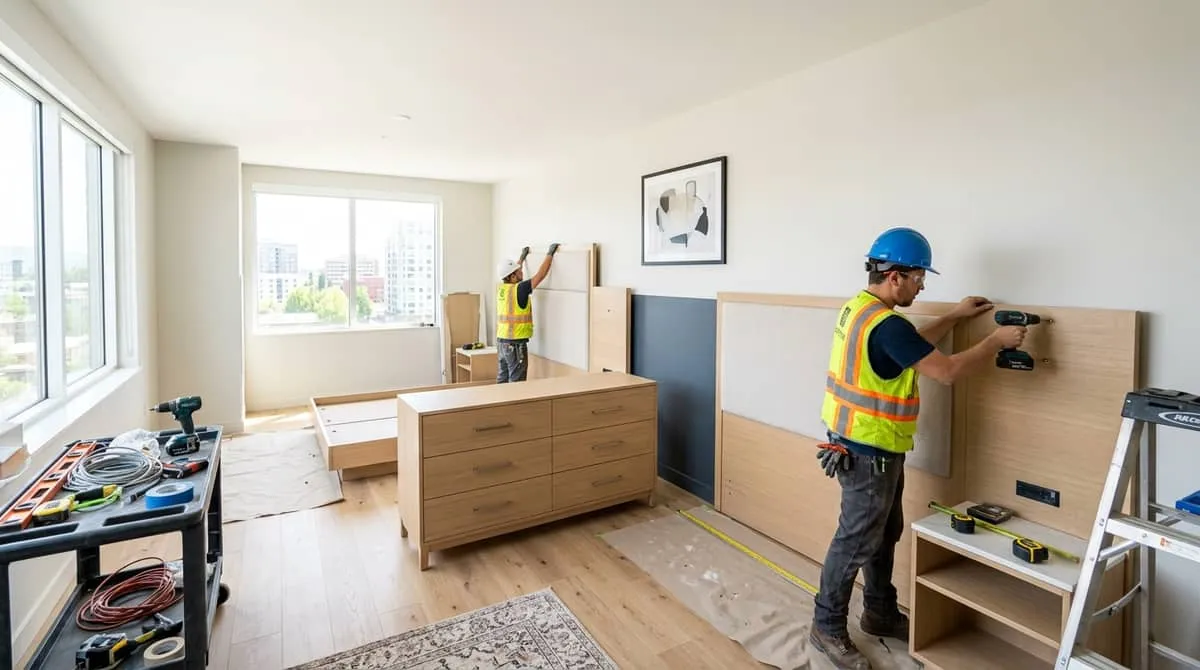
Phased renovation has furniture procurement implications. You're not ordering all rooms at once you're ordering in blocks, which affects minimum order quantities, pricing tiers, and delivery scheduling. Work with your supplier to understand the per-block cost structure versus the full-project cost structure before committing to a phased approach. Sometimes the price differential between block ordering and full-project ordering justifies front-loading more of the renovation into an extended down period.
Finish and fabric consistency across phases matters more than operators initially anticipate. If your renovation extends across 18 months in phases, the risk of discontinuity between early and late phases is real suppliers discontinue finishes, fabric runs change subtly, hardware lots vary. Build this into your procurement conversation early. The right supplier can reserve product or confirm continued availability across your full project timeline before you commit the first phase order.
Design Direction for Portland Hotel Renovations
Portland hotel renovations are most effective when the design direction is calibrated to the property's position in the market rather than chasing broader trends that may not fit the property's physical character or competitive set.
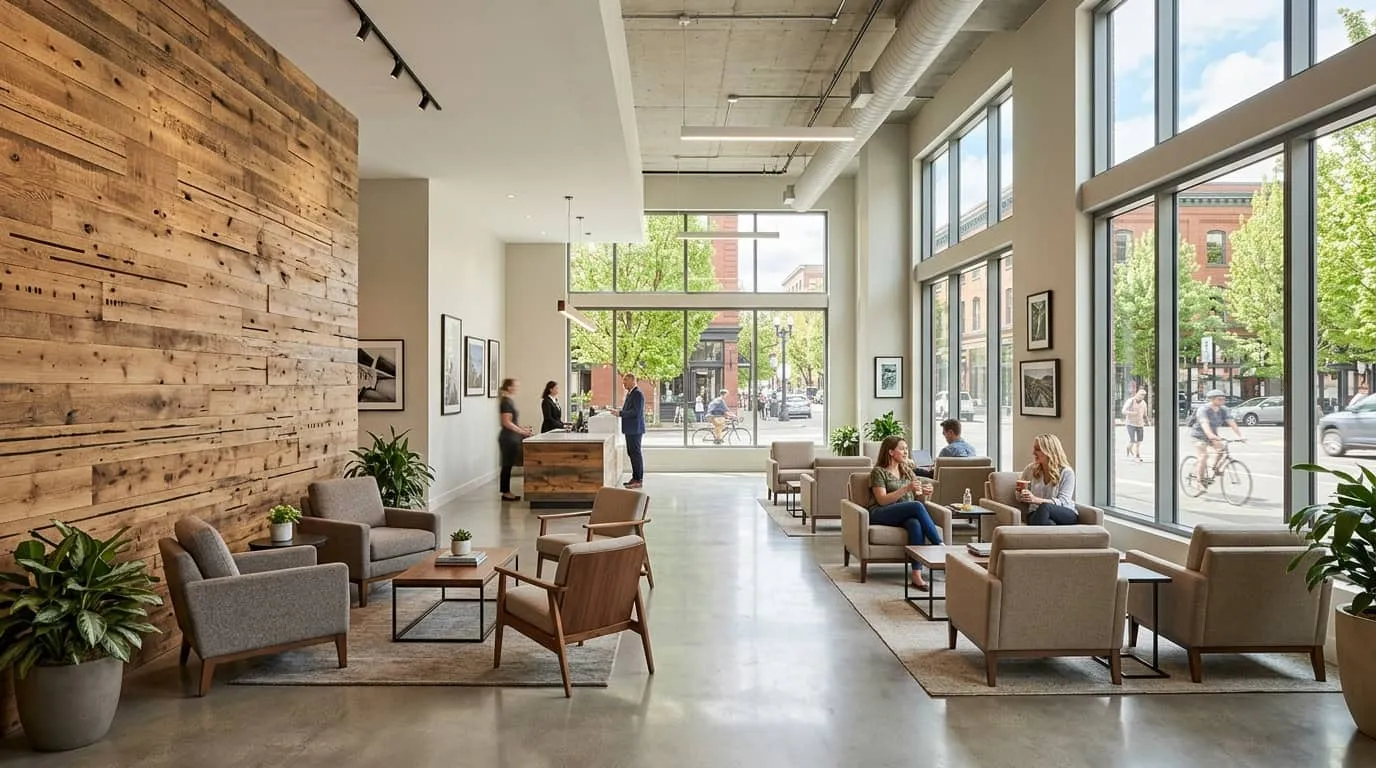
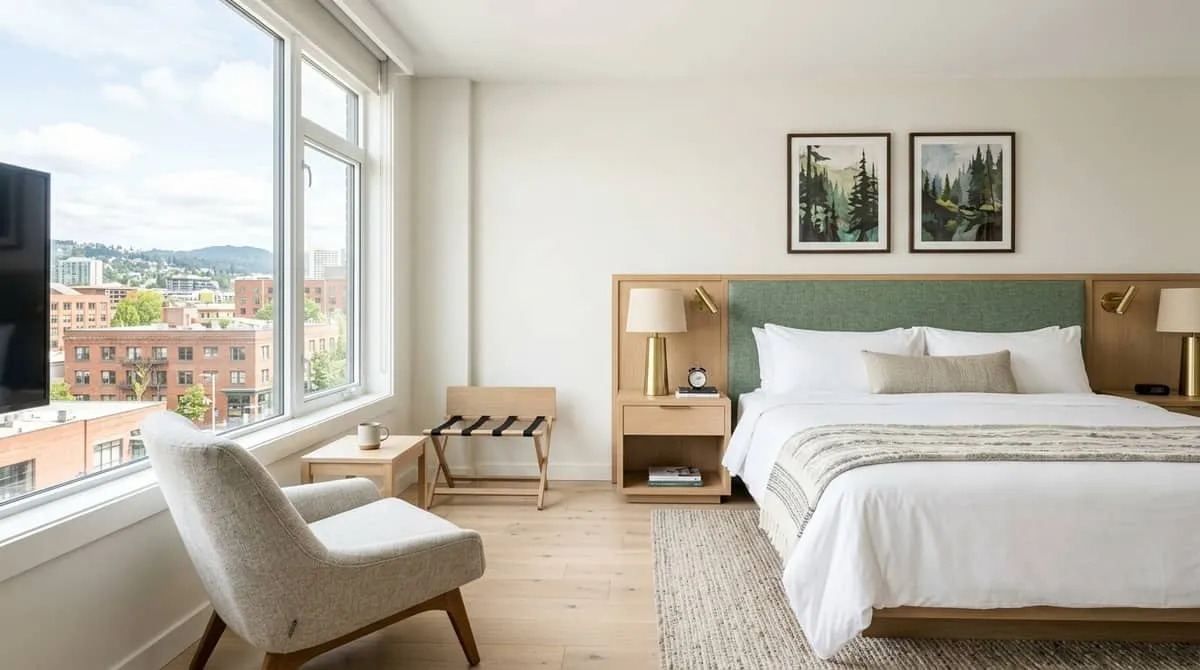
Pearl District boutique properties have an opportunity to lean into the neighborhood's industrial-residential aesthetic exposed concrete and timber elements, natural materials, a warmth of texture that reads as specifically Portland rather than generically contemporary. Renovation furniture in warm oak, brushed metal, and upholstered textiles in muted naturals supports that positioning better than a cool minimalist direction that would work in a different market context.
Convention corridor hotels near the Oregon Convention Center have different requirements. Their renovations need to deliver functional reliability and visual freshness rather than design distinctiveness. Durable casegoods in neutral finishes, seating that works for both leisure and business travelers, and technology integration adequate charging access, desk configurations that support laptop use are the key deliverables. The design brief is less about aesthetic character and more about eliminating the friction points that generate negative reviews.
Willamette River waterfront properties have the strongest opportunity to build a renovation around a specific environmental identity. Views of the river, the Burnside Bridge, and the east bank create a frame for an interior direction that uses natural materials and a Pacific Northwest palette to reinforce the experience guests came for. Renovation furniture in this context should feel like an extension of the landscape, not a generic hotel interior that happens to have a good view.
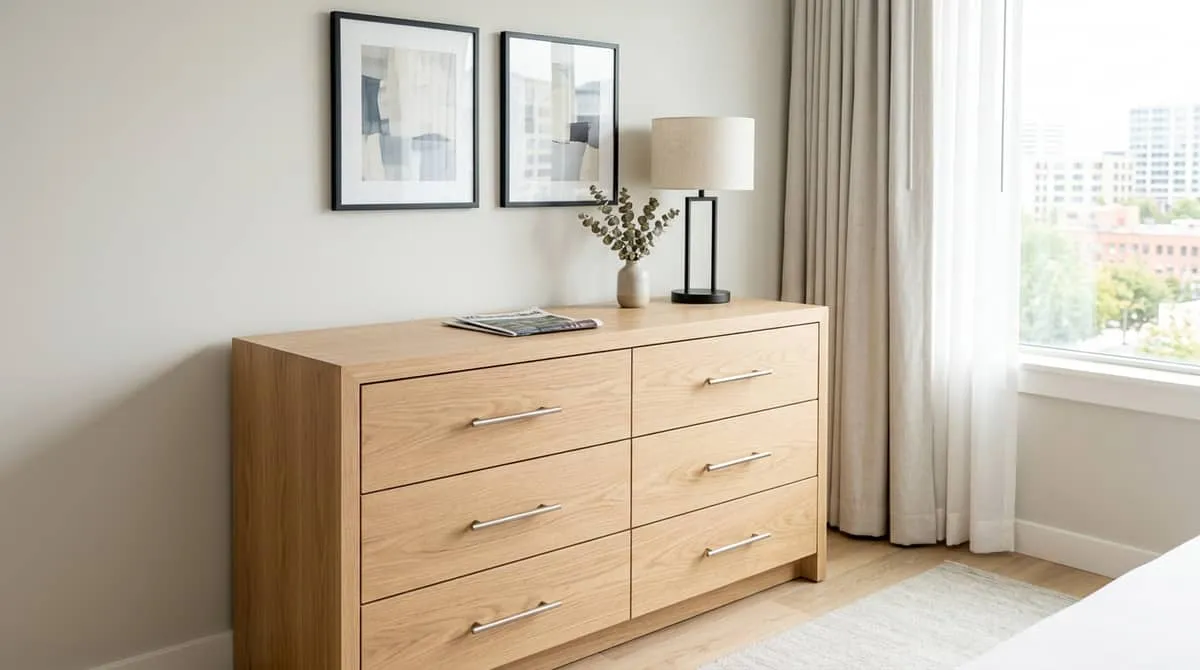
Whatever the direction, anchor it in a clear brief before engaging suppliers. Suppliers can execute on a specific direction efficiently; they struggle to spec product effectively against ambiguous or evolving design intent.
Procurement Execution and Timeline Management
Hotel renovation furniture procurement in Portland involves managing lead times across multiple product categories simultaneously. Casegoods, seating, soft goods, and lighting all have different lead time profiles, and the longest lead time item governs your installation schedule.
Custom casegoods in domestic production typically run 10 to 14 weeks from order confirmation to delivery. Imported casegoods can run 16 to 20 weeks depending on origin and freight scheduling. Custom upholstered seating headboards, chairs, lounge furniture typically runs 8 to 12 weeks. In-stock contract seating and accessories can move in two to four weeks.
Build a procurement timeline that maps these lead times against your installation windows for each renovation phase. Share that timeline with your general contractor so that furniture delivery and installation are coordinated with construction completion furniture arriving before the room is ready creates staging challenges, and construction running long into furniture delivery windows creates invoice and storage problems.
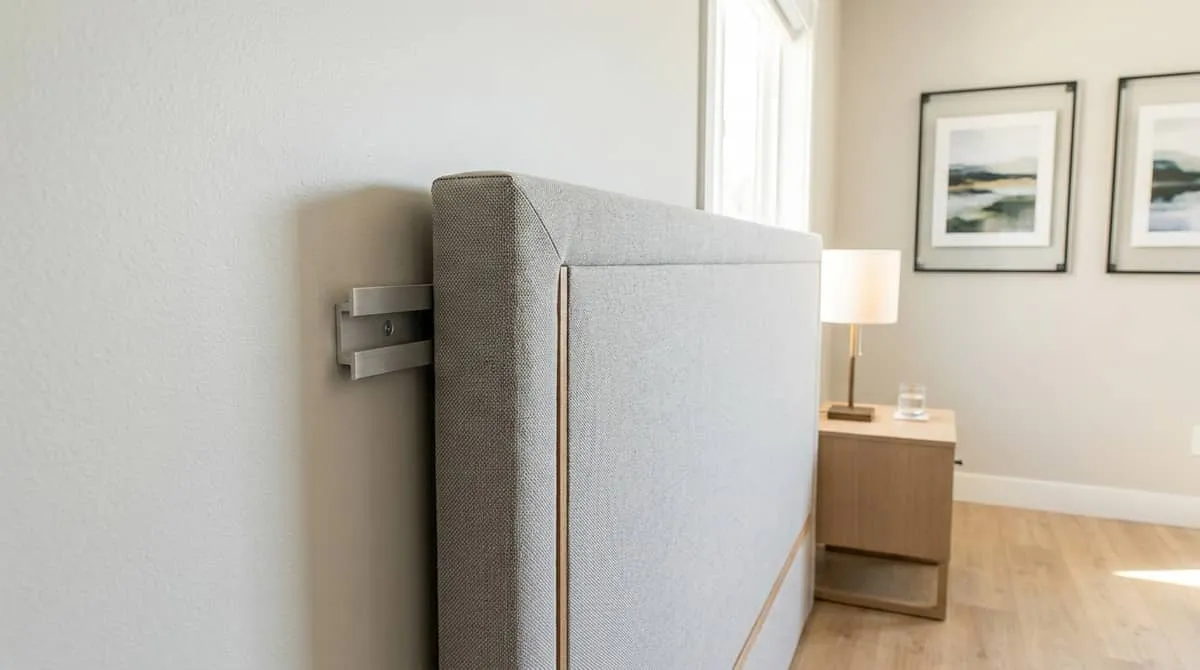
Establish clear delivery logistics in advance. Portland's older commercial building stock, particularly in the Pearl District, often has limited freight elevator access and tight loading dock configurations. Know the access constraints at your property before your first delivery, and confirm them with your supplier so delivery scheduling and piece sizing account for the actual conditions.
For Portland properties comparing hotel renovation furniture options, project-specific pricing tells you more than any published range. Request a quote and we will scope it to your space and volume.