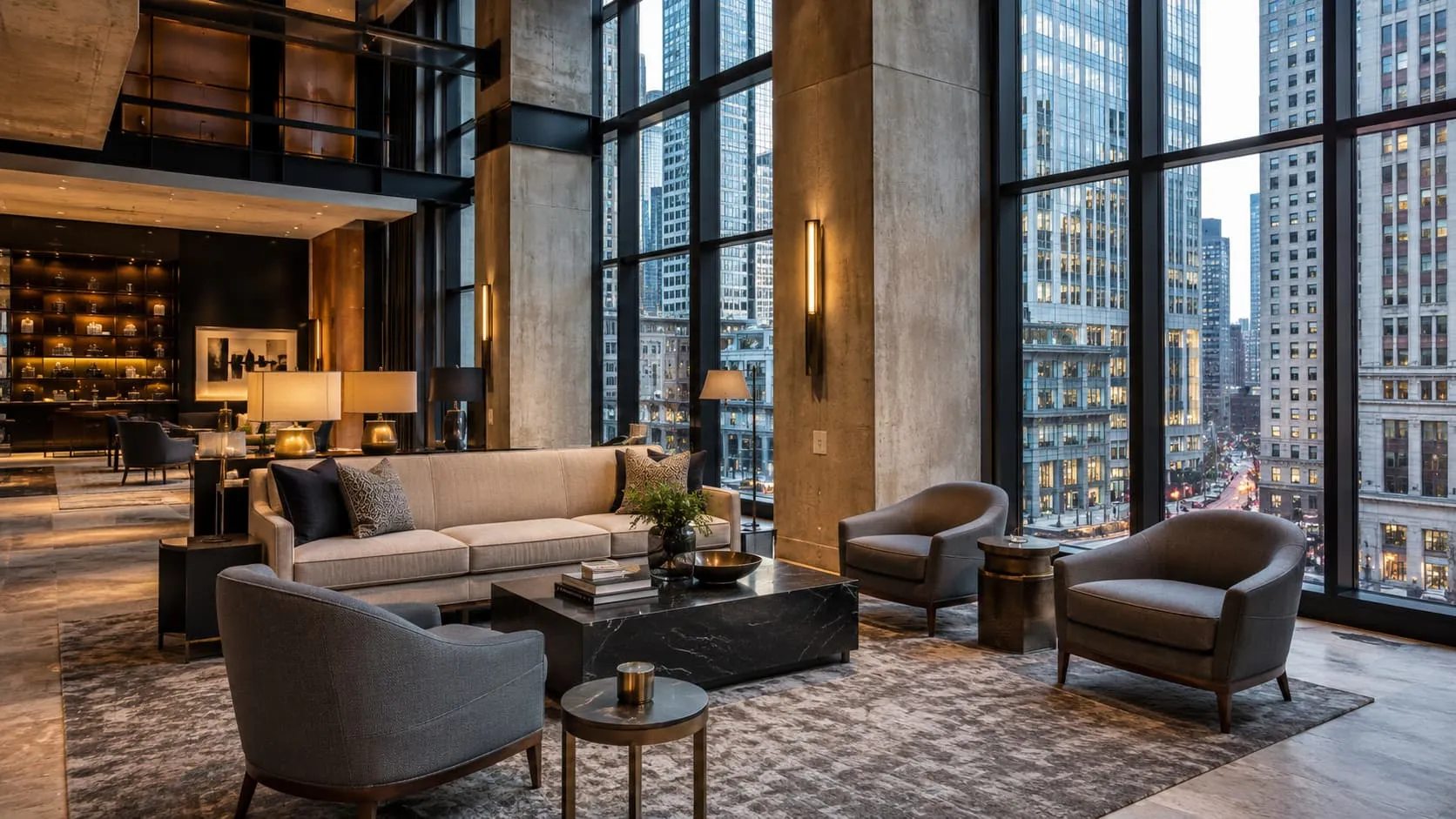
New York hotels do not get a slow season. Period. Whether you are running a Times Square flag property holding 90% occupancy year-round, a boutique in Williamsburg competing on design and curated experience, or a corporate extended-stay in Midtown East serving the finance and consulting corridor, the pressure to renovate without bleeding room revenue is relentless. Real estate carrying costs in this city are simply too high to take floors dark for months. That is why hotel renovation furniture New York projects demand a level of supplier coordination and logistical precision that markets like Dallas or Phoenix rarely require. Let me walk you through what it actually takes to get an FF&E project right here.
FF&E Timelines in a Market That Never Stops
Here is what you need to know about timelines: your FF&E calendar and your construction calendar are the same calendar. Most contract furniture suppliers quote 10 to 16 weeks for custom pieces. That clock needs to start before your permits are finalized, before your GC has mobilized, and often before ownership has signed off on final specs.
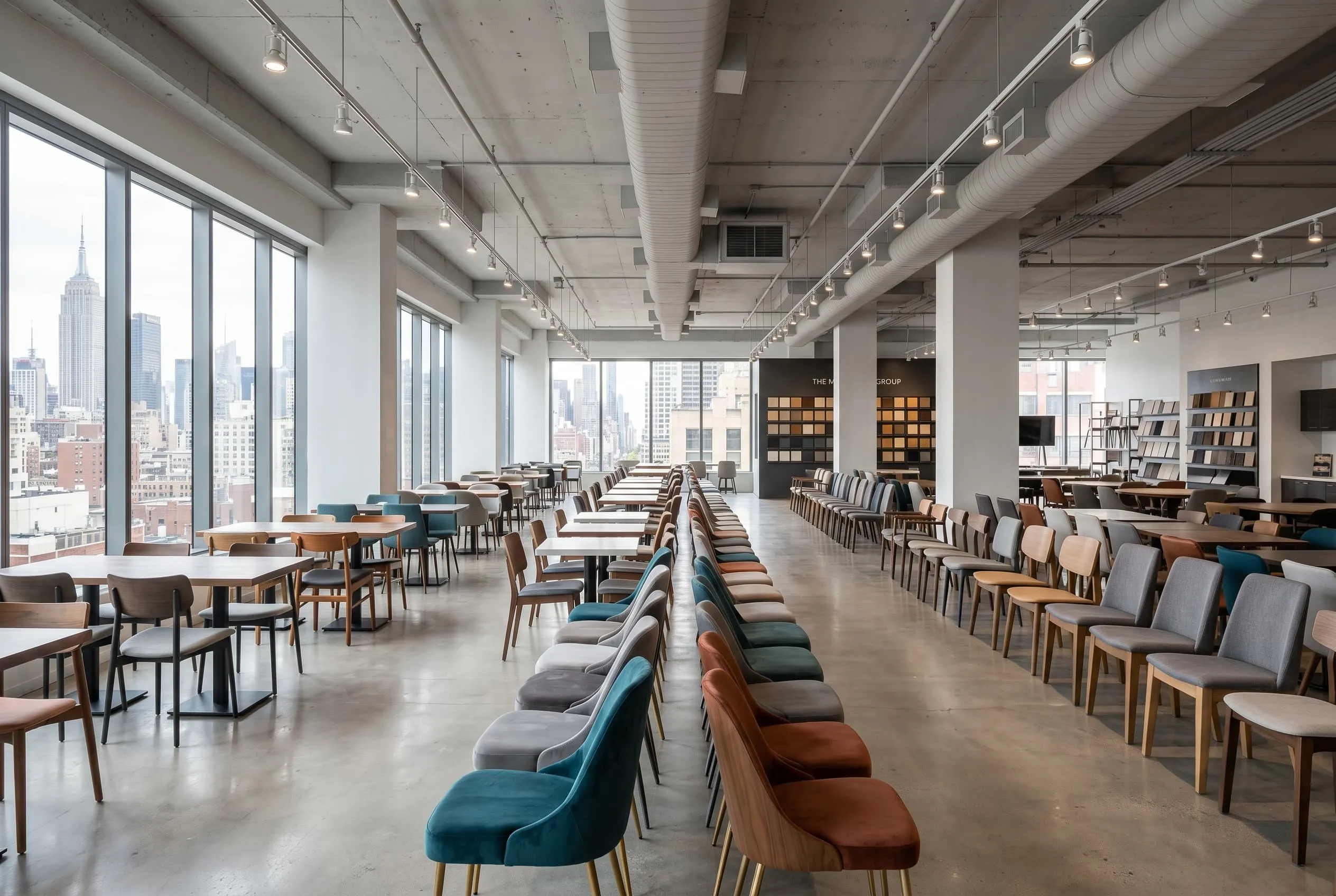
What that means practically is that you should be working with your furniture supplier at the same time you are working with your architect. Finish selections, fabric grades, frame specifications, and dimensional drawings all need to be locked before anyone breaks ground. If you are sourcing for a Midtown hotel with tight freight elevator clearances, a narrow-corridor boutique in the West Village, or a converted loft property in DUMBO with non-standard room footprints, your supplier needs those site measurements at the contract stage not during delivery week when it is too late to fix anything.
Build in a buffer and protect it. New York logistics dock access windows that building management controls, freight elevator scheduling that books out a week in advance, street-side delivery restrictions in Midtown during peak traffic hours add layers of complexity that do not exist in suburban markets. A supplier with genuine hotel renovation furniture New York experience already accounts for all of this. One that does not will figure it out on your project, and you will pay for the education.
Phased Delivery: Keeping Rooms Operational
The standard approach for New York hotel renovations is a rolling schedule: close a block of floors or a wing, renovate, reopen, move to the next block. This keeps the property generating revenue throughout the project. It also puts serious pressure on your delivery coordination, because your supplier needs to hit specific windows not a general month.

Here is the problem that catches operators off guard. If furniture for floors 8 through 12 arrives while floors 5 through 7 are still mid-demolition, you have nowhere to stage it. In a Manhattan property with no loading dock, a freight elevator that is already booked, and a building management office that enforces move-in windows with zero flexibility, that mismatch is not just inconvenient it is expensive.
Work with suppliers who understand phased delivery and can hold finished goods in their warehouse until your window opens. Get the storage terms in writing: how long they will hold, what the fees are after a threshold period, and what happens when your construction schedule slips because in New York, it will slip. These conversations feel unnecessary when you are in contract. They become critical when your GC hits an asbestos abatement delay on week six.
Some Brooklyn boutique operators have handled this by negotiating split purchase orders, releasing furniture in three or four batches tied to their renovation phases. It adds a small per-unit cost. It eliminates the staging problem entirely. For most New York projects, that trade-off is worth making.
Brand Standards and Custom Specifications
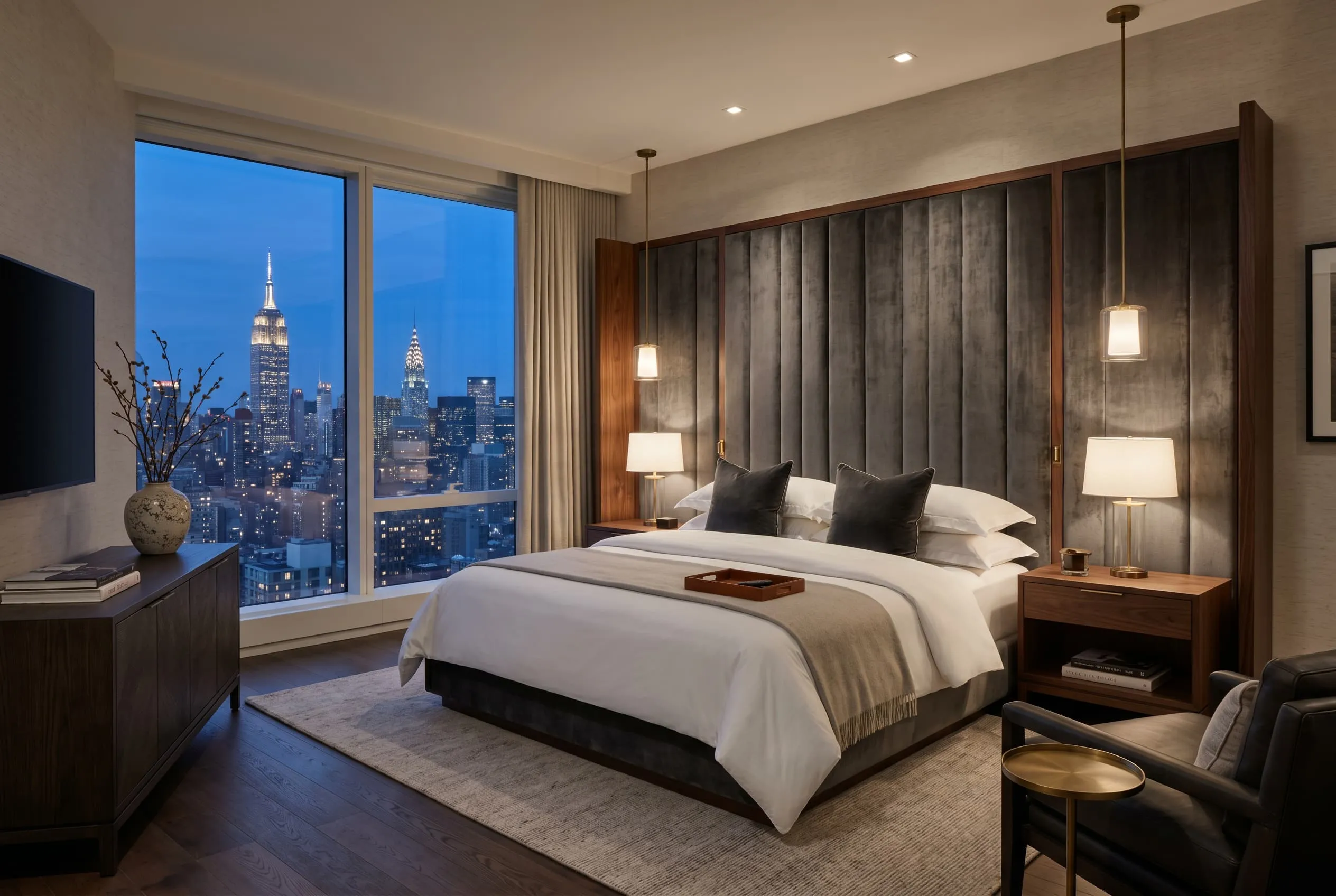
If you are operating under a flag Marriott, Hilton, IHG, Hyatt, or any of their sub-brands your brand standards will dictate a significant share of your FF&E selections. Case goods dimensions, headboard heights, soft goods specifications, and approved finish palettes are often pre-approved lists you are working from, not open choices. That is not a bad thing. It compresses the decision cycle and gives you procurement leverage through the brand's preferred vendor network.
Where it gets complicated is a flag conversion. If you are renovating a property that is moving from one brand to another say, repositioning a dated independent in the Financial District as a lifestyle brand you may be replacing furniture that is only a few years old because it does not meet the new brand's specs. Your FF&E budget in that scenario has to account for disposal and removal costs alongside procurement. Miss that line item and you will feel it.
Independent properties in SoHo, the Lower East Side, Chelsea, or the NoMad corridor have more design latitude. That freedom is real, but it comes with more decisions and more sign-off cycles. Without brand standards as guardrails, every selection goes back to ownership, and scope creep in specifications is common. Fix your selections early. Put a formal change order cost in your contract for any revisions after a specified cutoff date. It is the only way to protect your timeline.
Durability Requirements in High-Occupancy Properties
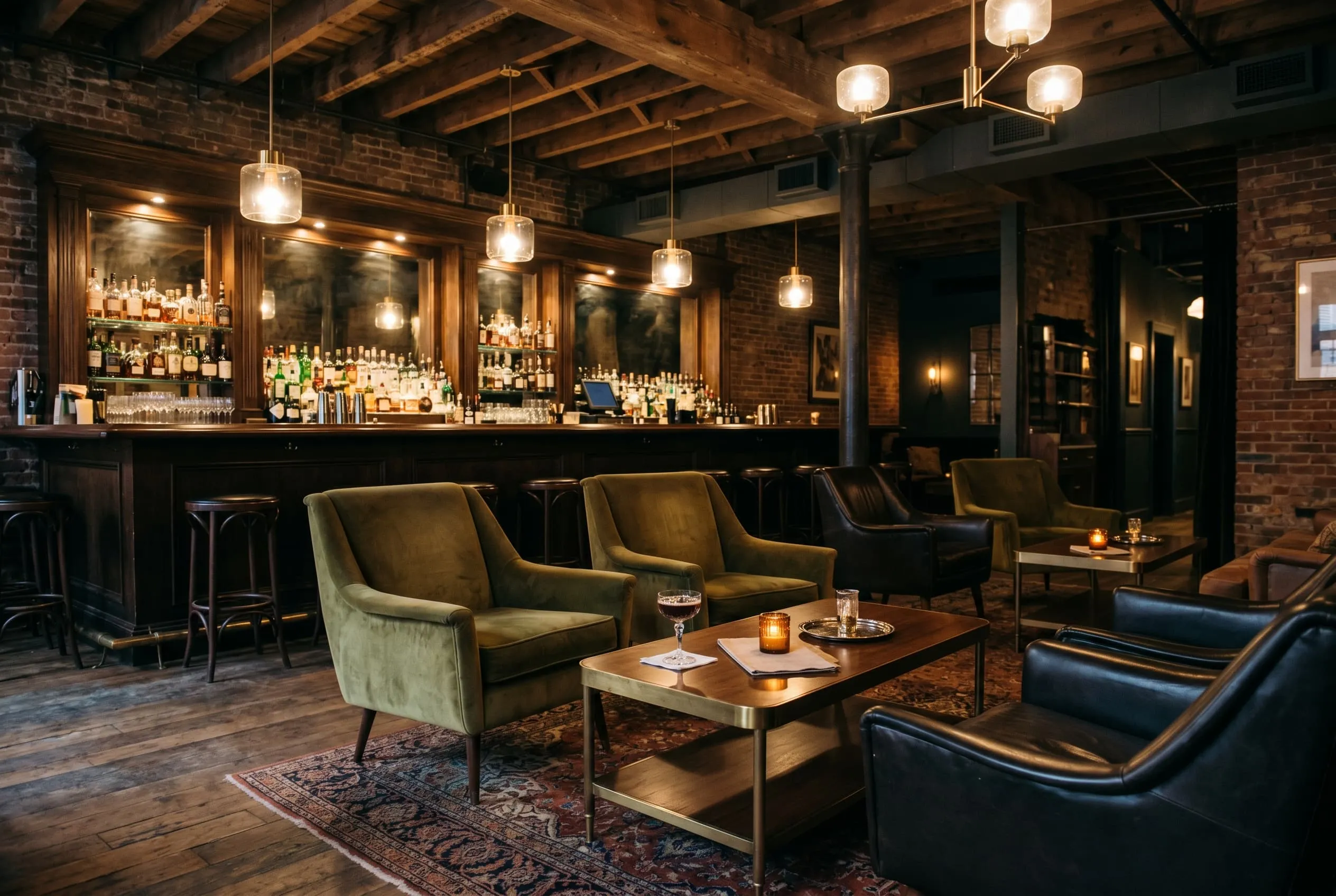
New York hotels push furniture harder than almost anywhere else in the country. Urban properties here run occupancy rates that would be exceptional in any other market, and the wear patterns reflect it. Seam failures on upholstery, drawer slide degradation, and finish wear on case goods all accelerate when a room turns over 300 or more times per year. Budget properties near JFK or LaGuardia, convention hotel blocks near the Javits Center, and high-volume Midtown rooms during UNGA week or the holiday rush all of them represent conditions that reveal specification shortfalls fast.
When you are specifying hotel renovation furniture New York projects, durability is not a premium consideration. It is the baseline. Upholstery fabrics rated at a minimum 100,000 double rubs for seating and headboards. Case goods built with commercial-grade drawer hardware, full-extension slides, and soft-close mechanisms designed for daily volume. Frame construction that holds up to real use, not just the showroom floor.
The goal is a 7 to 10 year lifecycle on your FF&E investment. Properties that cut per-room costs by dropping durability standards tend to find themselves back in a renovation cycle within four years. In New York, that means another round of revenue disruption, another GC mobilization, another round of phased room closures, and another set of guests displaced mid-stay. The math rarely works in favor of the cheaper spec.
A well-executed FF&E strategy is the difference between a renovation that strengthens your competitive position in one of the world's most demanding hospitality markets and one that simply replaces what was there. If you are starting a hotel renovation furniture New York project, the right time to engage your supplier is earlier than you think before your permits are approved, before your contractor is mobilized, and before your ownership group has locked final selections. Reach out to walk through lead times, phased delivery options, and specifications while there is still time to get them right.
If you are sourcing hotel renovation furniture for your New York property, the fastest way to real numbers is to tell us what you need. Request a quote with your quantities and timeline.