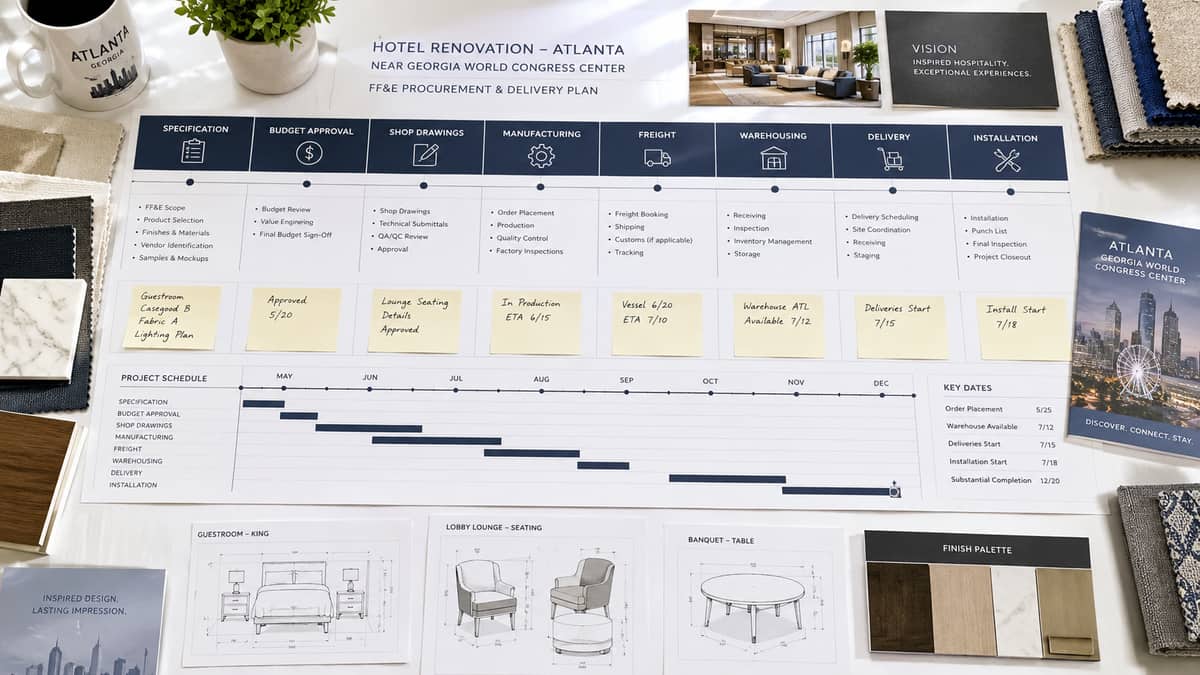
Renovating a hotel on the Grand Strand means working inside a shorter window than almost any inland market gives you. Peak summer family tourism fills rooms for months at a stretch. Spring and fall golf season adds a second high-demand period on top of that. Convention business tied to the Myrtle Beach Convention Center corridor fills whatever gaps are left. For most properties, that leaves a narrow winter renovation window to get FF&E work done before the calendar fills back up, which makes furniture lead times and delivery coordination a genuine make-or-break factor rather than a background detail.
Planning Your Renovation Around a Compressed Timeline
Standard contract furniture lead times run 10 to 16 weeks domestically, with import categories stretching to 20 weeks or more. If your renovation window is a typical Myrtle Beach off-season stretch, that math leaves very little room for error, and almost none for last-minute finish changes or a supplier who quotes an optimistic lead time and misses it. Order your furniture before your renovation begins on site, not after demolition starts, so material is staged and ready the moment the space is ready to receive it.
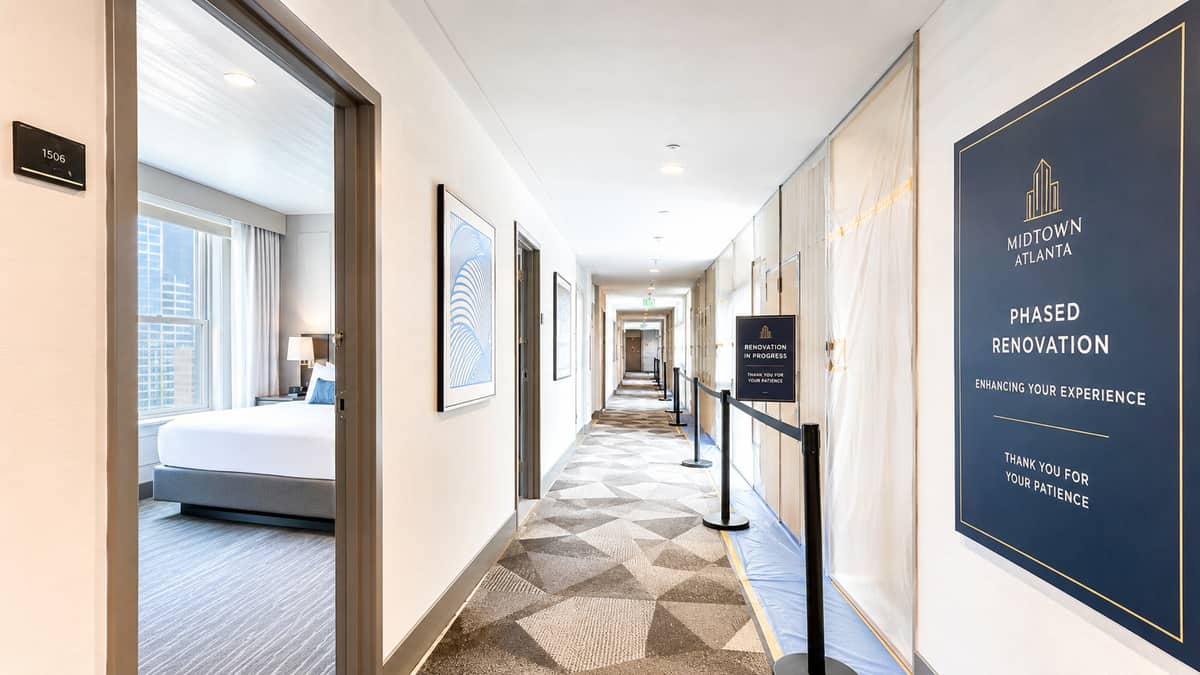
Phased renovation, floor by floor or wing by wing, is common on larger Myrtle Beach oceanfront towers precisely because a full-property shutdown during any part of the tourism season is not financially realistic. A furniture supplier experienced with phased hospitality renovations can sequence delivery to match your construction schedule, which keeps unfinished rooms out of service for the shortest possible window and lets you bring renovated floors back online incrementally rather than all at once.
Matching New Furniture to an Existing Coastal Property
Renovation projects carry a specific challenge new construction does not: matching new furniture finishes and specifications to whatever remains from the original build, or making a clean break to a fully new look across the property. Either decision needs to account for coastal wear patterns specific to Myrtle Beach. Older casegoods and hardware on an oceanfront property often show more corrosion and finish degradation than the same-age furniture would show inland, which sometimes pushes owners toward a fuller renovation scope than originally planned once the existing furniture condition becomes clear during the walkthrough.
Take that opportunity to upgrade any finish or hardware that was not originally specified for coastal exposure. A renovation is the natural point to correct an original spec gap, replacing standard hardware with corrosion-resistant fittings, or upgrading outdoor and patio furniture to a proper marine-grade finish, rather than repeating the same under-specified choice in the next renovation cycle five years down the road.
Coordinating Renovation FF&E With Your Project Team
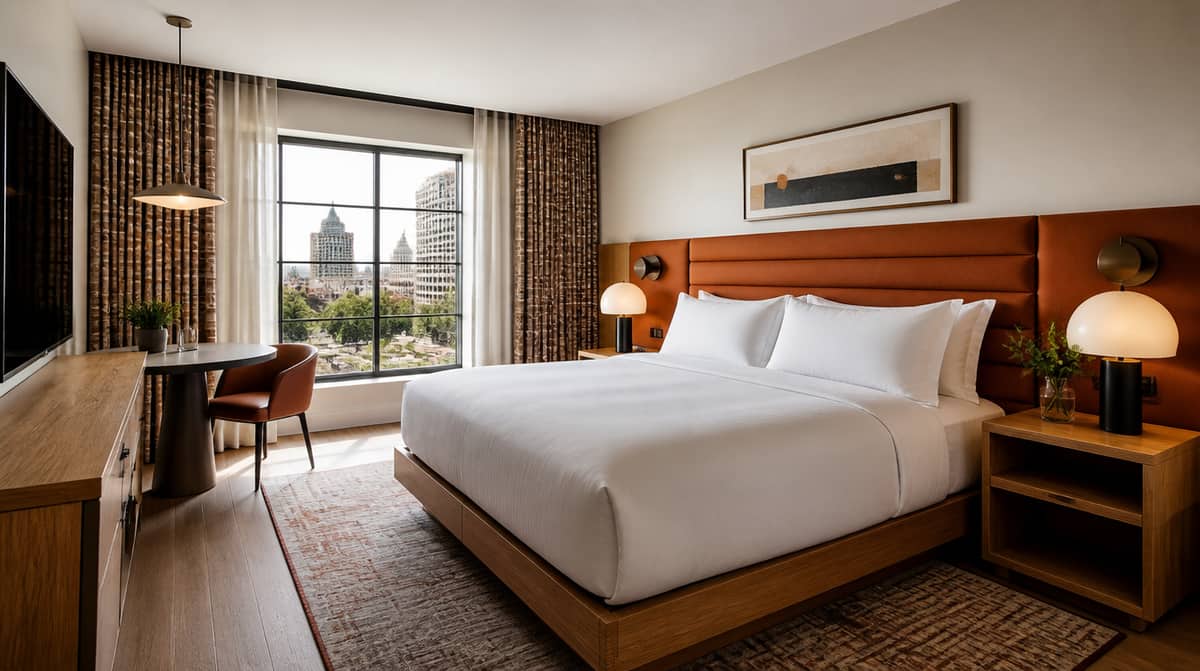
Your furniture supplier needs to be part of the renovation planning conversation from the start, not brought in after design and construction scheduling are locked. A supplier who understands the property's actual renovation sequence can flag lead time risk on specific categories early enough for your design team to adjust, and can coordinate delivery windows directly with your general contractor rather than leaving that handoff to chance.
Get a written quote that covers your full renovation scope, guestroom casegoods, lobby and common area furniture, any patio or outdoor categories affected, so you have one clear number and one clear timeline to plan against rather than piecing together estimates across multiple vendors. A renovation done right on the Grand Strand should leave the property not just refreshed but better specified for the coastal environment than it was before the work started.