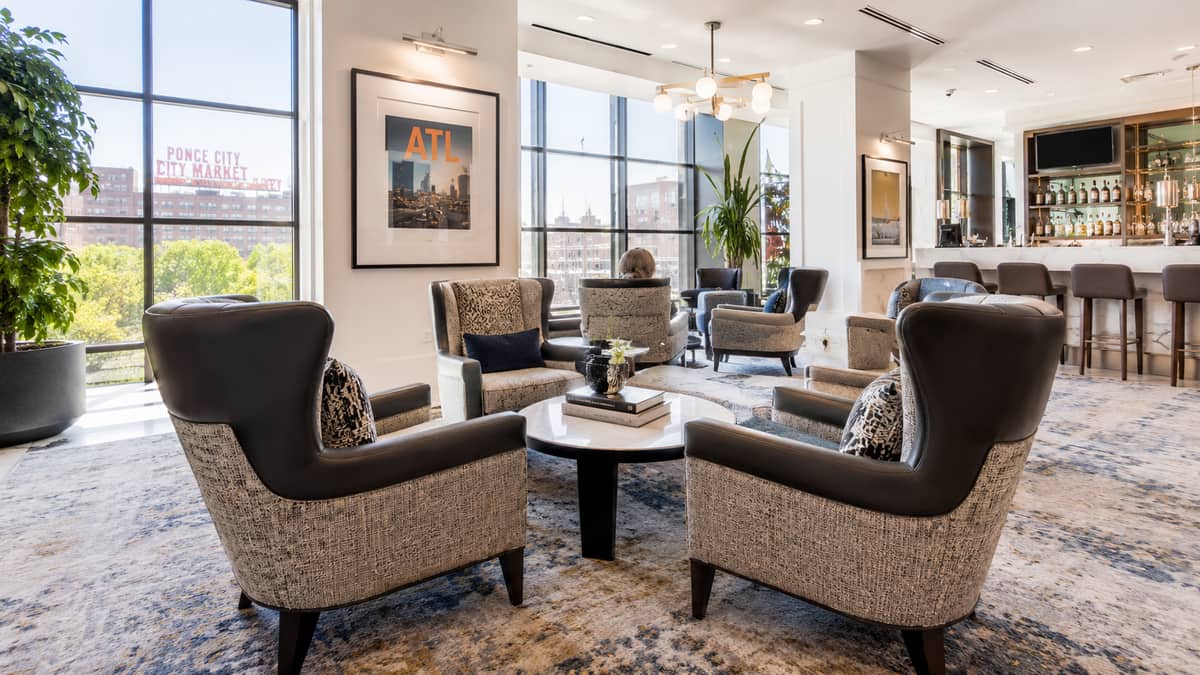
Bar and lounge programs in Myrtle Beach carry more revenue weight than in a lot of comparable markets, because they run all day rather than in a narrow dinner window. Oceanfront hotel bars serve breakfast crowds through late-night drinkers on the same seating in a single day. Venues near Broadway at the Beach and Market Common see steady foot traffic from tourists moving between entertainment stops. Golf resort lounges fill up every afternoon with groups coming off the course. That volume, sustained across a long tourist season, is exactly the kind of use case where retail-grade lounge furniture fails fast and contract-grade furniture earns its price difference.
What Contract Grade Means for a Bar and Lounge Program
Lounge seating in a high-turnover bar environment takes a different kind of abuse than a hotel lobby chair. Guests lean, shift weight to the arms, and stay seated for extended periods rather than passing through. Barstools see constant swiveling and mounting stress on the base connection. A bar and lounge furniture program built on contract-grade frames, commercial foam density, and upholstery rated for heavy double-rub counts holds up to that daily cycle in a way retail lounge furniture simply was not engineered for.
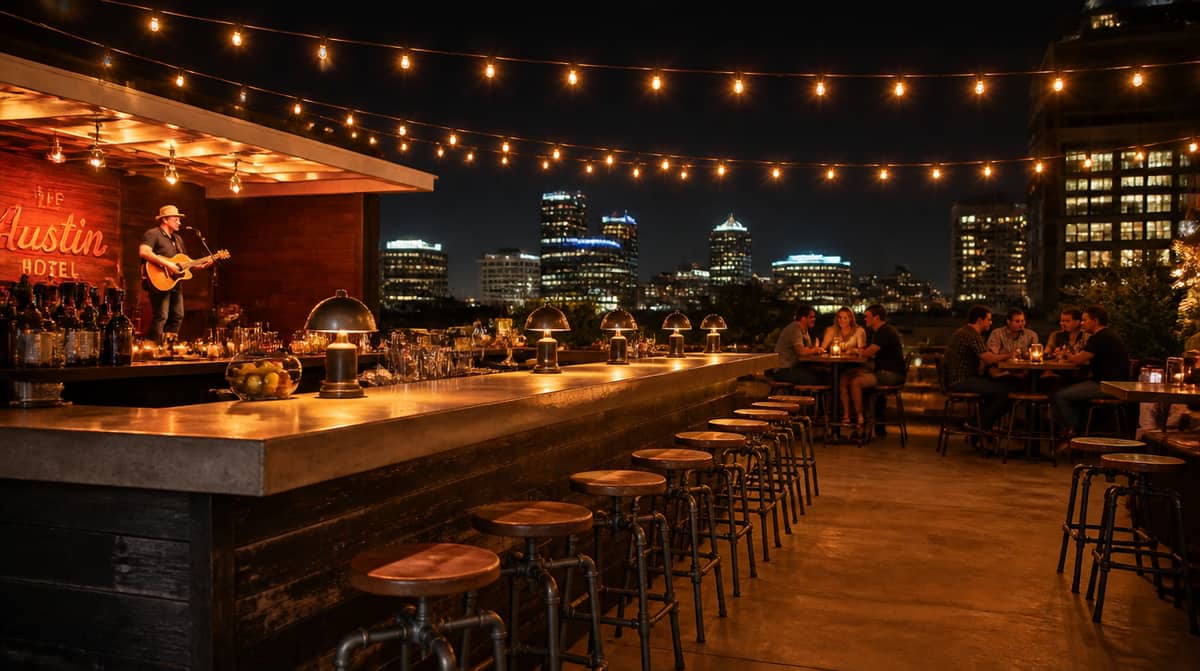
Coastal exposure adds a second layer to the spec conversation that inland bar programs do not have to think about. Any bar or lounge space with oceanfront patio seating, and Myrtle Beach has a lot of them, needs frames and hardware rated for salt air. A powder-coated finish that holds up fine in a landlocked market can corrode within a season on an oceanfront deck. Ask your supplier directly whether their bar-height furniture line has a marine-rated finish option, and get that in writing before you commit to an order for outdoor or semi-outdoor space.
Materials That Hold Up to Myrtle Beach Volume
Performance vinyl remains the workhorse choice for high-turnover indoor bar seating, cleaning fast after a busy night and resisting the wear that comes from constant guest turnover. For oceanfront and patio lounge areas, solution-dyed acrylic fabric paired with a marine-grade aluminum frame is the standard that actually survives a coastal season without fading or mildewing. Higher-end lounge programs in golf resort properties or design-forward hotel bars can move toward performance woven textiles, which read as more upscale while still meeting commercial durability standards.
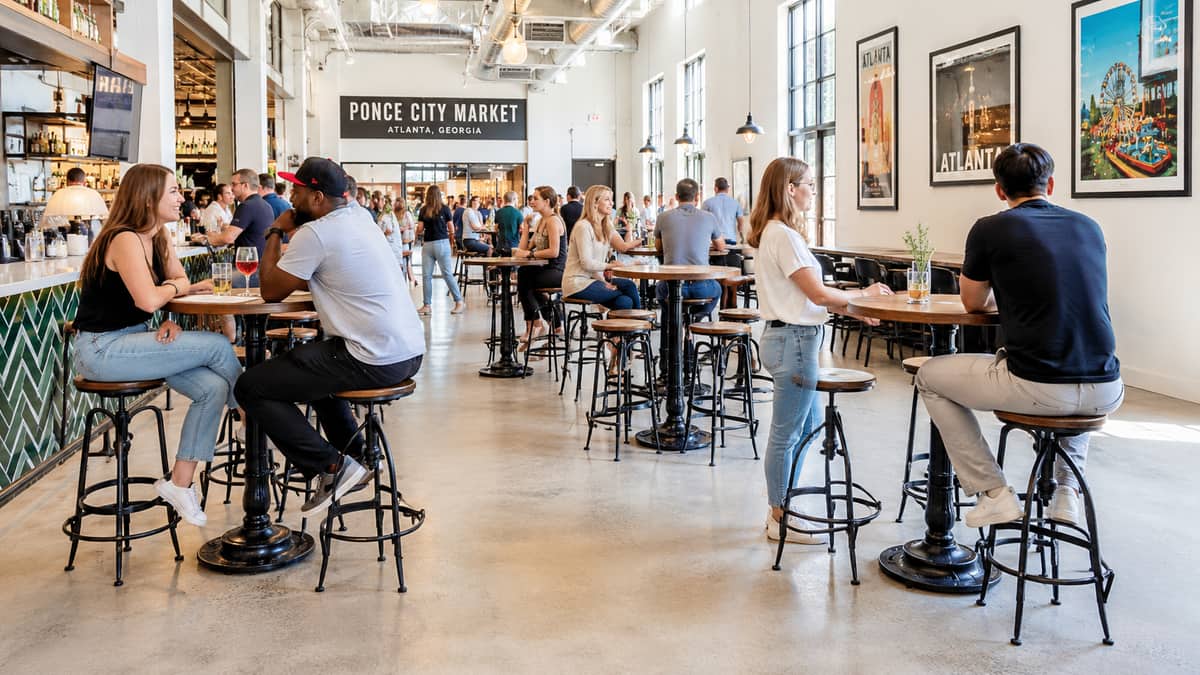
Table and bar-height base selection matters as much as the seating spec. Cast-iron or heavy-gauge steel bases are the right call for any standing-height bar table, since lightweight bases wobble under the traffic a busy lounge generates. On oceanfront patios, that base needs a marine-rated finish on top of the weight requirement, or you are replacing corroded bases within a couple of seasons.
Building a Bar and Lounge Program That Lasts
Work with a supplier who can spec your entire program, barstools, lounge seating, bar-height and cocktail tables, from coordinated manufacturer lines so the finished space reads as one design decision rather than a collection of separately sourced pieces. That matters more in Myrtle Beach's competitive entertainment corridors, where guests are comparing your bar directly against several others within walking distance.
Get your lead times locked against your opening or renovation date early, and account for the fact that any custom fabric or finish selection adds real time to a standard 10-to-16-week domestic production window. A written quote tied to your actual seat and table count, rather than a rough estimate, is the fastest way to know whether your program fits your timeline and budget before you commit to a design direction.