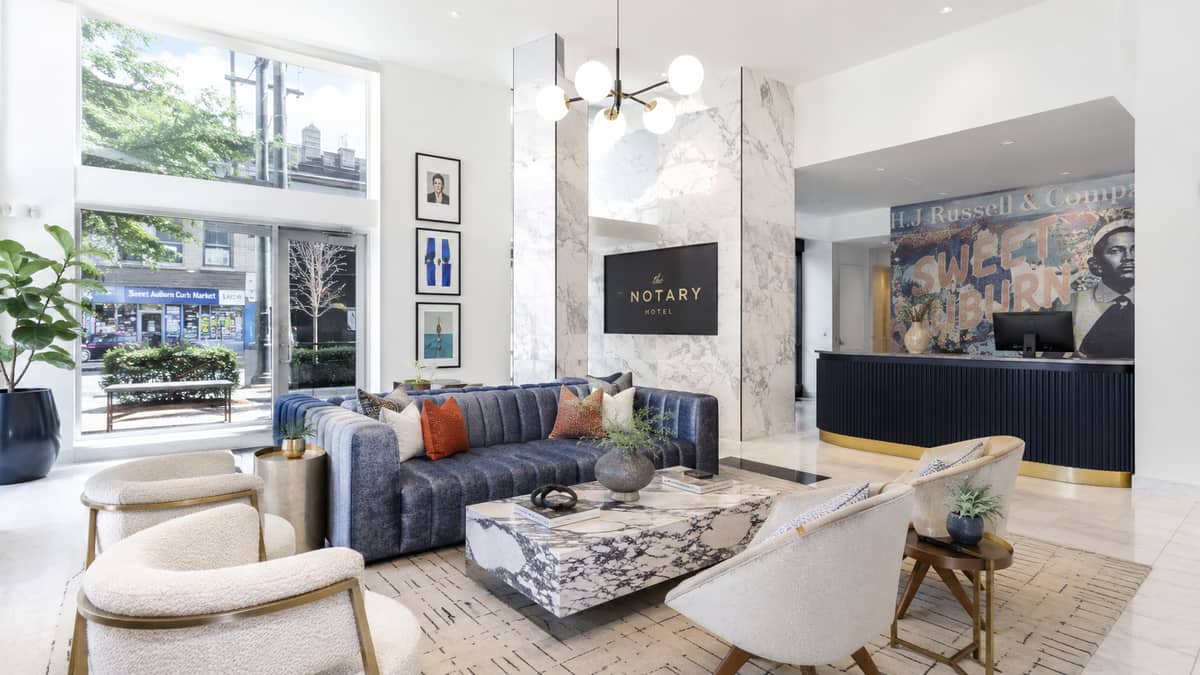
Boutique hospitality in Myrtle Beach has grown up around two distinct pockets of the market. There is the smaller, independently run oceanfront property that leans into coastal character rather than competing on room count with the big resort towers. And there is the newer wave of design-forward hotels near Market Common and the golf corridor, built for a guest who wants a distinctive look without sacrificing the reliability of a proper contract spec. Both categories need furniture that photographs well, holds up to a long tourist season, and survives a coastal climate that is harder on finishes than almost any inland market. If you are sourcing for a boutique property anywhere along the Grand Strand, here is what that actually requires.
The Boutique Spec Problem in a Coastal Market
Boutique hotels live and die on a distinctive look, which means owners and designers often push toward furniture that reads as residential-inspired: unique silhouettes, statement fabrics, mixed materials. That instinct is right for the guest experience, but it creates real risk if the sourcing team treats it as a retail purchase instead of a contract one. A gorgeous chair that fails BIFMA load standards, or a finish that was never rated for coastal humidity, becomes a maintenance problem within a single season on the Strand.
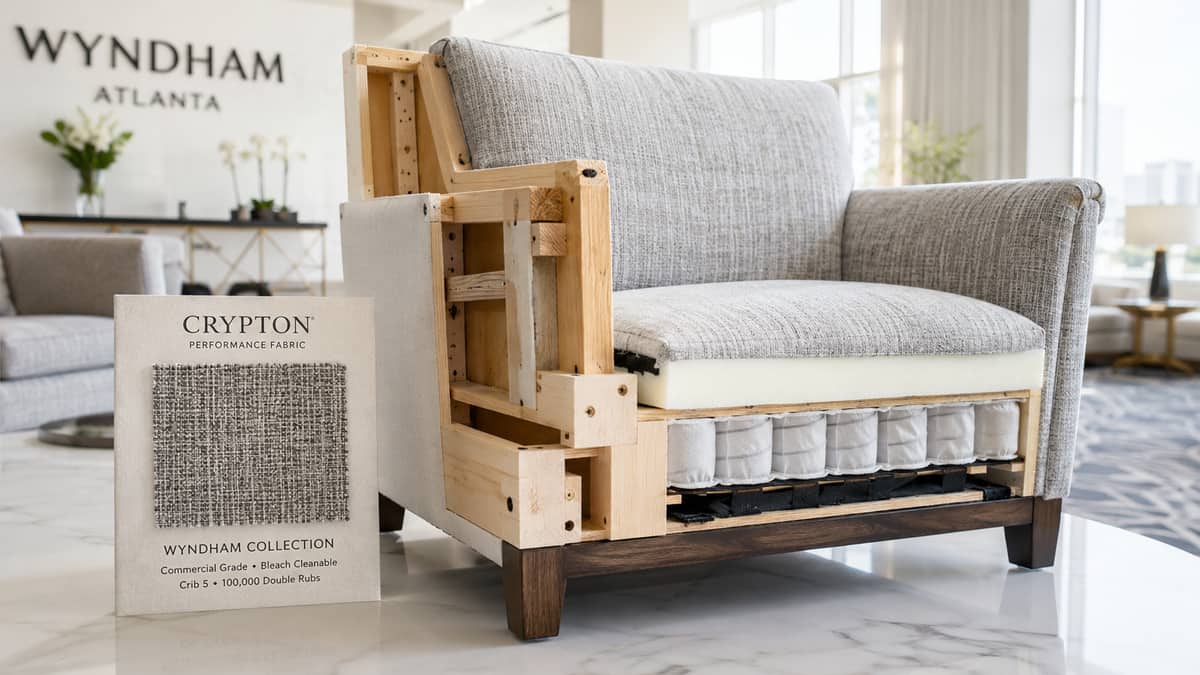
The right approach is sourcing from contract manufacturers who specialize in boutique and lifestyle hospitality lines, where the aesthetic range is wide but every piece still meets commercial durability and coastal finish standards underneath. A qualified hotel furniture supplier working in this segment should be able to show you frame construction details, foam density, and fabric durability ratings on even the most distinctive-looking pieces, along with confirmation that finishes and hardware are rated for salt air exposure.
What Guests Notice in a Myrtle Beach Boutique Property
Guests booking a boutique property on the Grand Strand are usually paying a premium over a standard resort tower room, and they notice inconsistency fast. A lobby that reads as curated and intentional but a guestroom chair that wobbles breaks the experience the whole property is selling. Consistency across categories, lobby lounge seating, guestroom casegoods, patio furniture if the property has oceanfront outdoor space, matters more here than in a large chain property where guests expect a more standardized look.
Coastal boutique properties in particular need to think through outdoor and semi-outdoor spaces carefully. A rooftop bar or oceanfront lounge area is often the signature feature that separates a boutique property from a standard resort tower, and the furniture in that space needs a marine-grade finish that will not corrode or fade within a season, while still matching the design language of the interior.
Sourcing Strategy for Boutique Properties
Work with a supplier who can pull from multiple manufacturer lines rather than a single catalog, since boutique projects rarely fit neatly into one product family. Custom fabric (COM) programs matter more here than in standard hospitality projects, since a boutique property's design identity often depends on a specific textile that is not in any standard commercial line. Confirm your supplier's COM process and minimums early, since custom fabric orders typically carry longer lead times and higher minimums than in-line options.
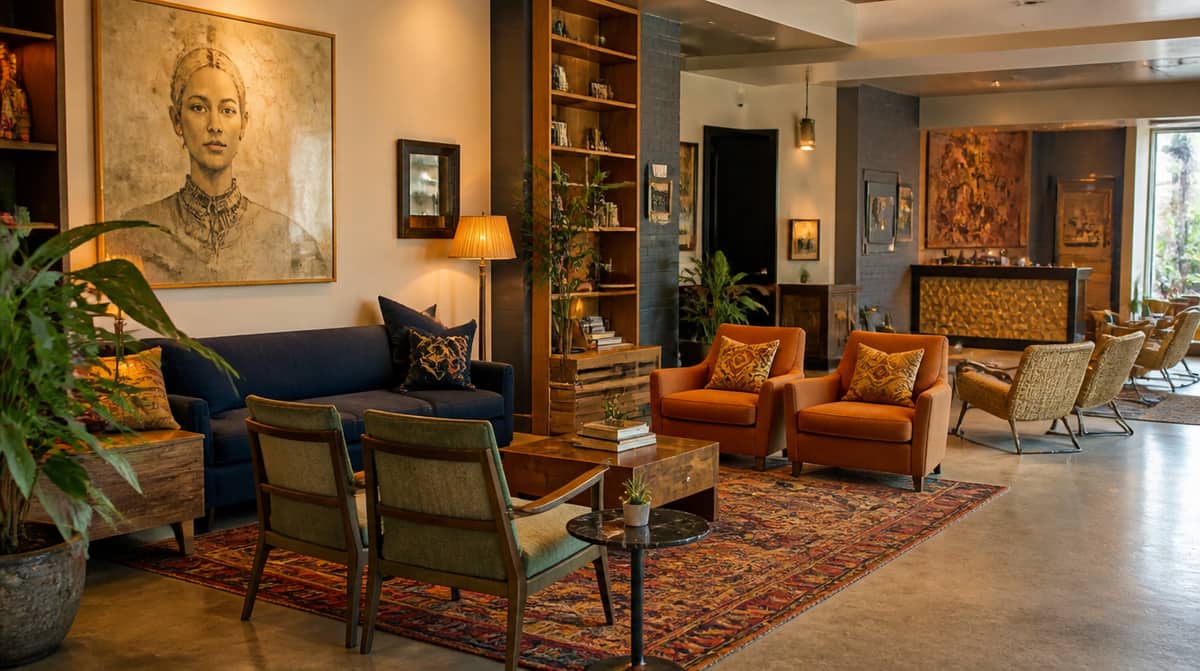
Sample turnaround speed matters disproportionately on boutique projects because the design review process tends to be more iterative than a standard chain rollout. A supplier who can turn physical samples around quickly keeps your design and ownership team moving instead of stalling out on finish approvals. Lock your spec early and start your written quote process as soon as your design package is close to final, since boutique properties often run tighter timelines against a target opening date than their room count would suggest.