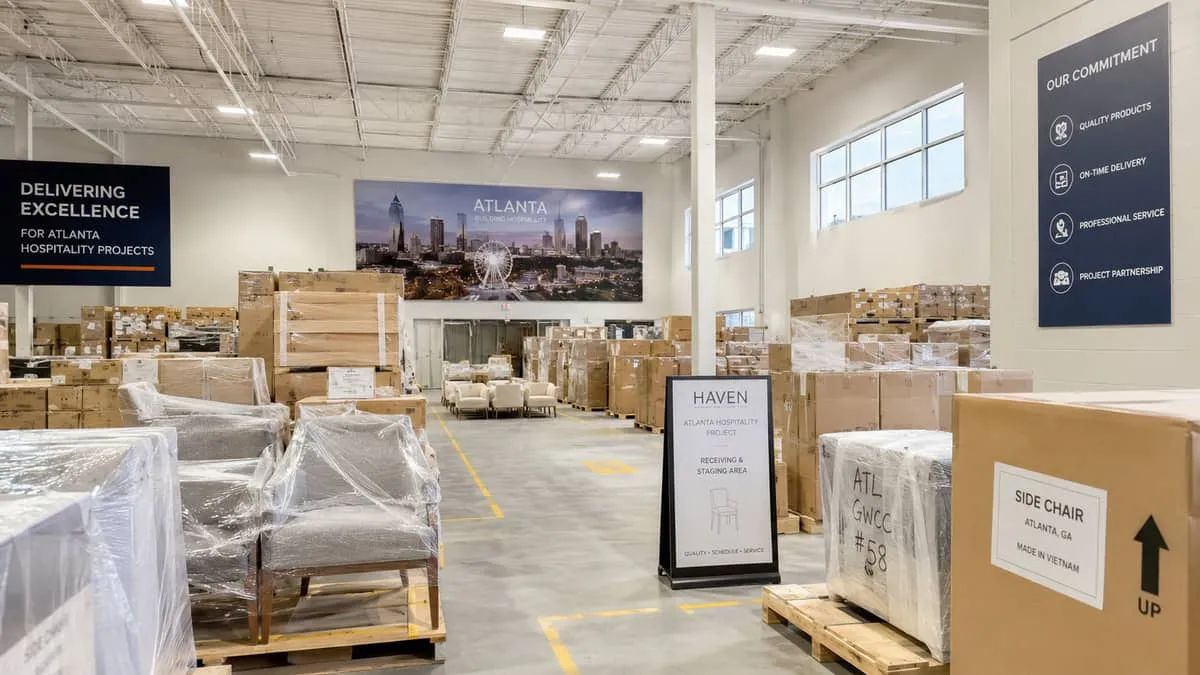
FF&E procurement in Myrtle Beach carries constraints that a lot of procurement teams underestimate until they are already behind schedule. The market runs on a tourism calendar with a hard peak season, which compresses renovation and new-build windows into narrower gaps than an inland market gets. Coastal exposure changes finish specifications across nearly every category. And the sheer room count in some of the larger oceanfront resort towers means procurement decisions on this scale carry more weight, and more risk if they go wrong, than a typical mid-size hotel project.
Building Your FF&E Timeline Around the Tourism Calendar
The single biggest procurement mistake on the Grand Strand is treating lead times like a generic hospitality market instead of one boxed in by a hard seasonal window. Standard domestic contract furniture production runs 10 to 16 weeks. Import categories run 20 weeks or longer once you account for shipping and customs. If your renovation needs to wrap before spring golf season or before summer family travel begins, work backward from that date immediately, not after design finalizes.
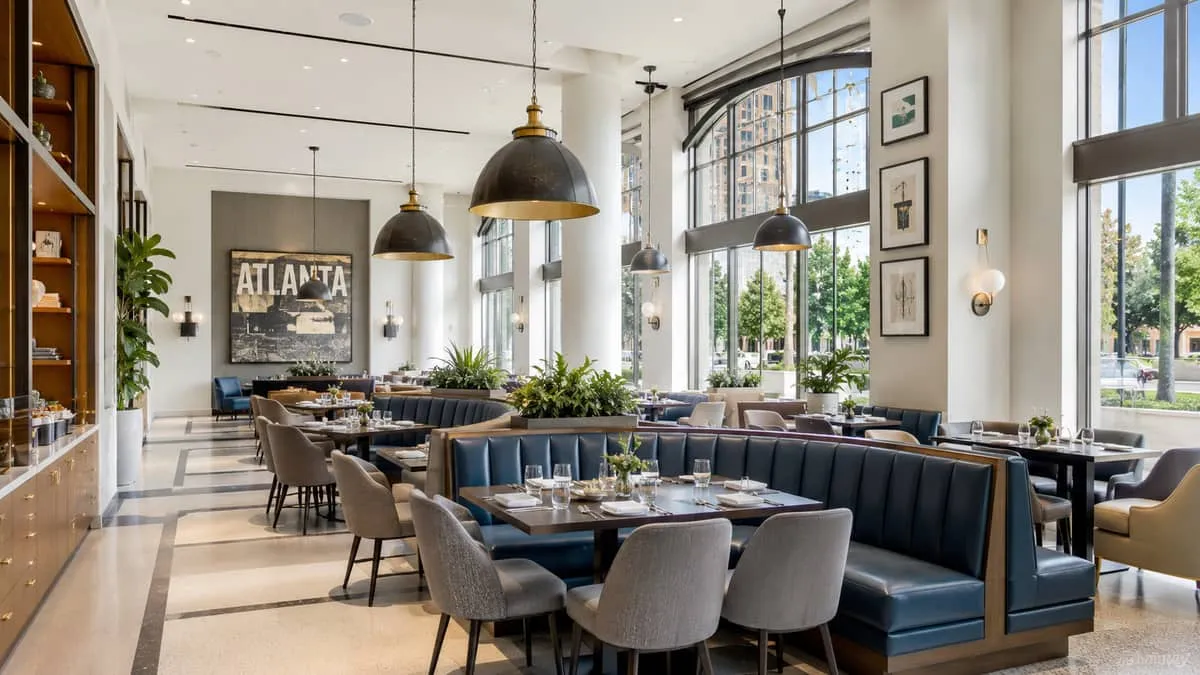
Lock your furniture specification at the same time your interior design package finalizes, not after. Every week spent finalizing fabric or finish selections after your design is otherwise complete is a week you are not going to get back once your installation window arrives. A procurement partner who understands the Myrtle Beach seasonal calendar will flag lead time risk early enough that you can adjust scope or sequencing before it becomes a schedule crisis.
Coastal Specification Requirements That Affect Sourcing
Every FF&E category on a Myrtle Beach project needs a coastal-exposure review that an inland project would not require. Casegoods, guestroom furniture, and any piece with metal hardware needs corrosion-resistant fittings if it is anywhere near an oceanfront or high-humidity environment. Outdoor and semi-outdoor categories, pool deck furniture, patio dining sets, oceanfront lounge seating, need marine-grade finishes as a baseline requirement, not an upgrade option.
Build your procurement spec sheet with coastal ratings called out explicitly for every applicable category. A supplier or manufacturer that cannot confirm salt-air-rated hardware and finishes on request is not the right source for anything installed within reach of ocean exposure, regardless of how the product looks in a catalog photo.
Managing Large-Scale Procurement for Resort Properties
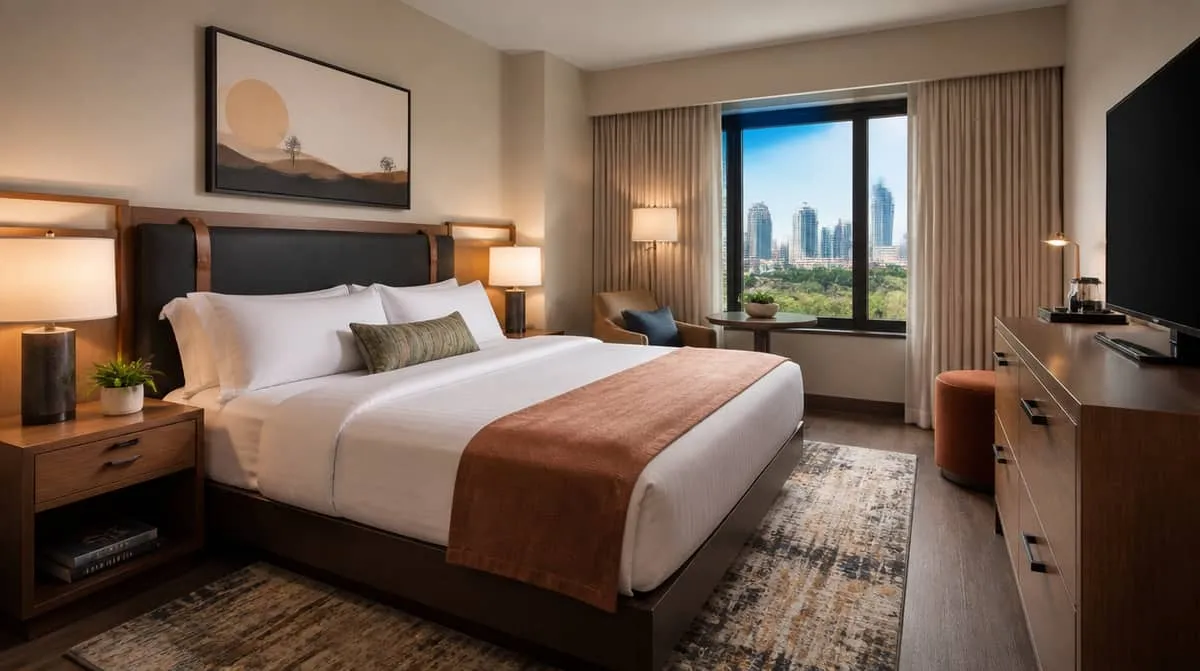
Large oceanfront resort towers and convention-adjacent hotels near the Myrtle Beach Convention Center often run FF&E procurement at a scale, hundreds of rooms in a single order, that demands phased delivery planning from the start. Work with a supplier who can sequence delivery floor by floor or wing by wing rather than requiring a single mass shipment, particularly on a renovation project where the property needs to stay partially operational through the work.
Minimum order quantities work in your favor at this scale, since larger unit counts typically unlock better per-unit pricing across most categories. Confirm your supplier's MOQ structure and volume pricing tiers early in the procurement process, and request a written quote that reflects your full room count and category mix so you are working from real numbers rather than a preliminary estimate.
Coordinate procurement timing directly with your general contractor and interior design team rather than managing it as a separate workstream. FF&E delays are one of the most common reasons hospitality openings and renovations slip past their target date, and on a market with as tight a seasonal window as Myrtle Beach, that slip can mean missing an entire peak season's revenue rather than just a few weeks of delay.
Related reading
- FF&E procurement: a practical guide for hotels and venues
- What is contract furniture
- Commercial furniture vs retail
- Hospitality furniture supplier guide
- Hotel seating catalog
- Guestroom casegoods
- Hotel renovation furniture in Myrtle Beach
- Banquet and event furniture in Myrtle Beach
- Commercial furniture in South Carolina