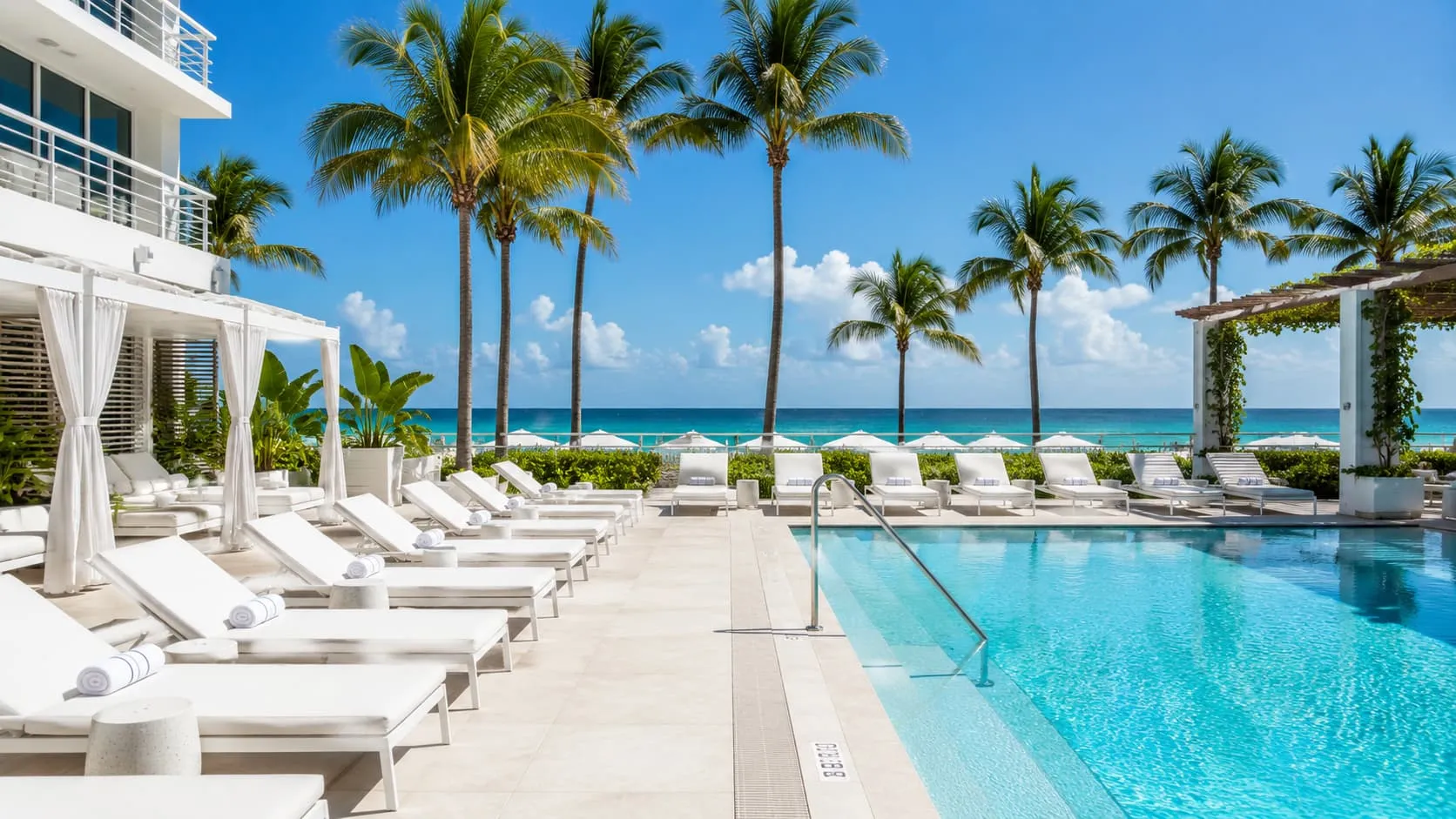
Miami's hospitality market does not forgive slow timelines. A boutique hotel on Collins Avenue losing rooms to renovation during peak season can mean hundreds of thousands in missed revenue. Art Basel alone sends boutique hotel demand through the roof every December, and owners who underestimate FF&E procurement lead times often end up panic-buying pieces that clash with their brand or worse, reopening rooms that aren't finished. Whether you're upgrading in South Beach, Wynwood, or Brickell, the difference between a smooth rebrand and a chaotic one usually comes down to how early you got serious about the furniture side of the project.
FF&E Timelines Are Longer Than You Think
The most expensive assumption in hotel renovation is treating furniture procurement like retail shopping pick it out, get it in two weeks. That's not how contract FF&E works. For a full South Beach hotel renovation, lead times on custom or semi-custom pieces typically run 12 to 20 weeks from order confirmation. Outdoor pool deck furniture that needs to survive year-round Miami heat, UV exposure, and salt air requires marine-grade materials with their own production queues, and those queues don't care about your opening date.
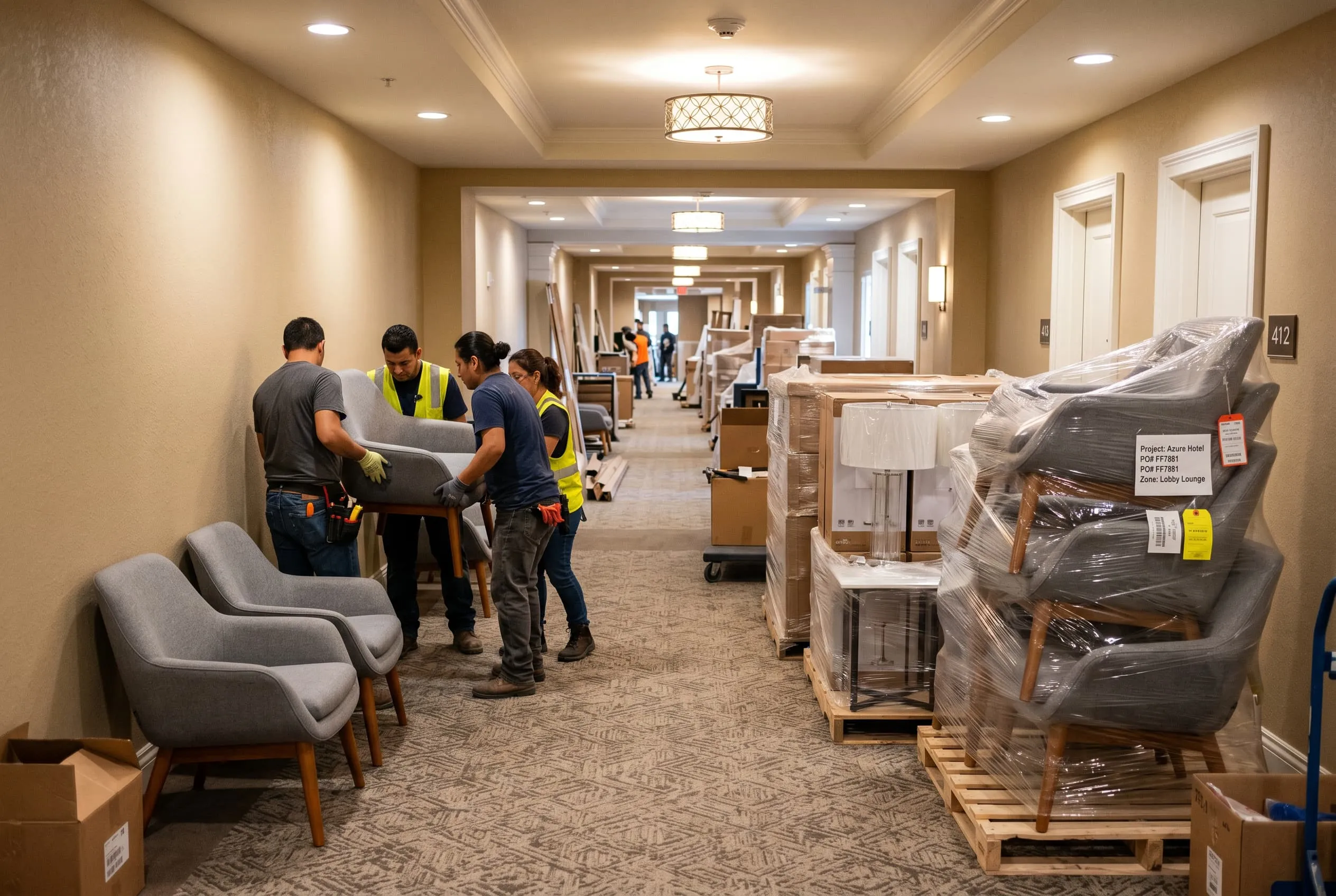
Start procurement planning the moment your renovation scope is finalized not when permits are approved, not when construction starts. Work backward from your target reopening date and build in buffer for shipping delays, freight coordination, and installation scheduling. For Art Deco restoration projects in the Miami Beach Historic District, that buffer matters even more. Custom millwork and period-appropriate case goods often involve specialty manufacturers who are not running on the same calendar as a standard hospitality line.
Phased Delivery for Operational Properties
If you're renovating an occupied property which describes most hotel renovation furniture Miami projects phased delivery isn't a nice-to-have, it's how you stay solvent. The goal is to keep the maximum number of rooms bookable throughout the renovation cycle. That means working with your furniture supplier to stage deliveries floor by floor or wing by wing, and coordinating tightly with your operations team so rooms can hand off to construction and back to the front desk as fast as possible.
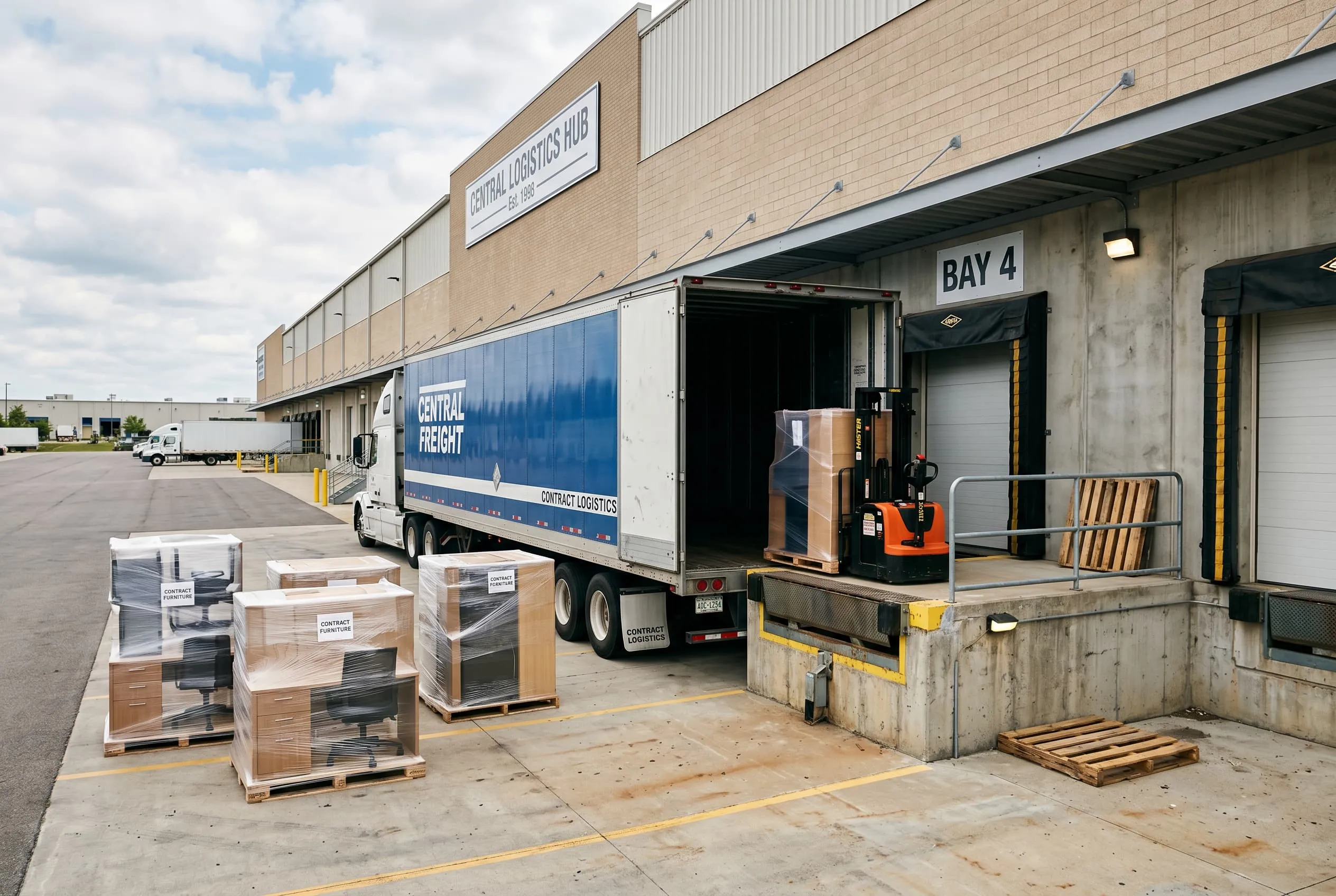
Waterfront properties in Coconut Grove and along Biscayne Bay often deal with access restrictions that complicate delivery logistics further. Loading dock availability, elevator capacity, and HOA or historic district rules on construction hours all affect how you sequence FF&E installation. A supplier who has done hotel renovation furniture Miami work before will already know these constraints. One who hasn't will figure them out on your dime and your schedule.
Plan for temporary staging space too. You need somewhere to receive, inspect, and hold pieces before they go into rooms. If your property doesn't have a large back-of-house area, budget for off-site warehousing nearby. It adds cost and coordination overhead, but it beats having a freight delivery arrive with nowhere to go.
Brand Standards and Local Aesthetic Fit
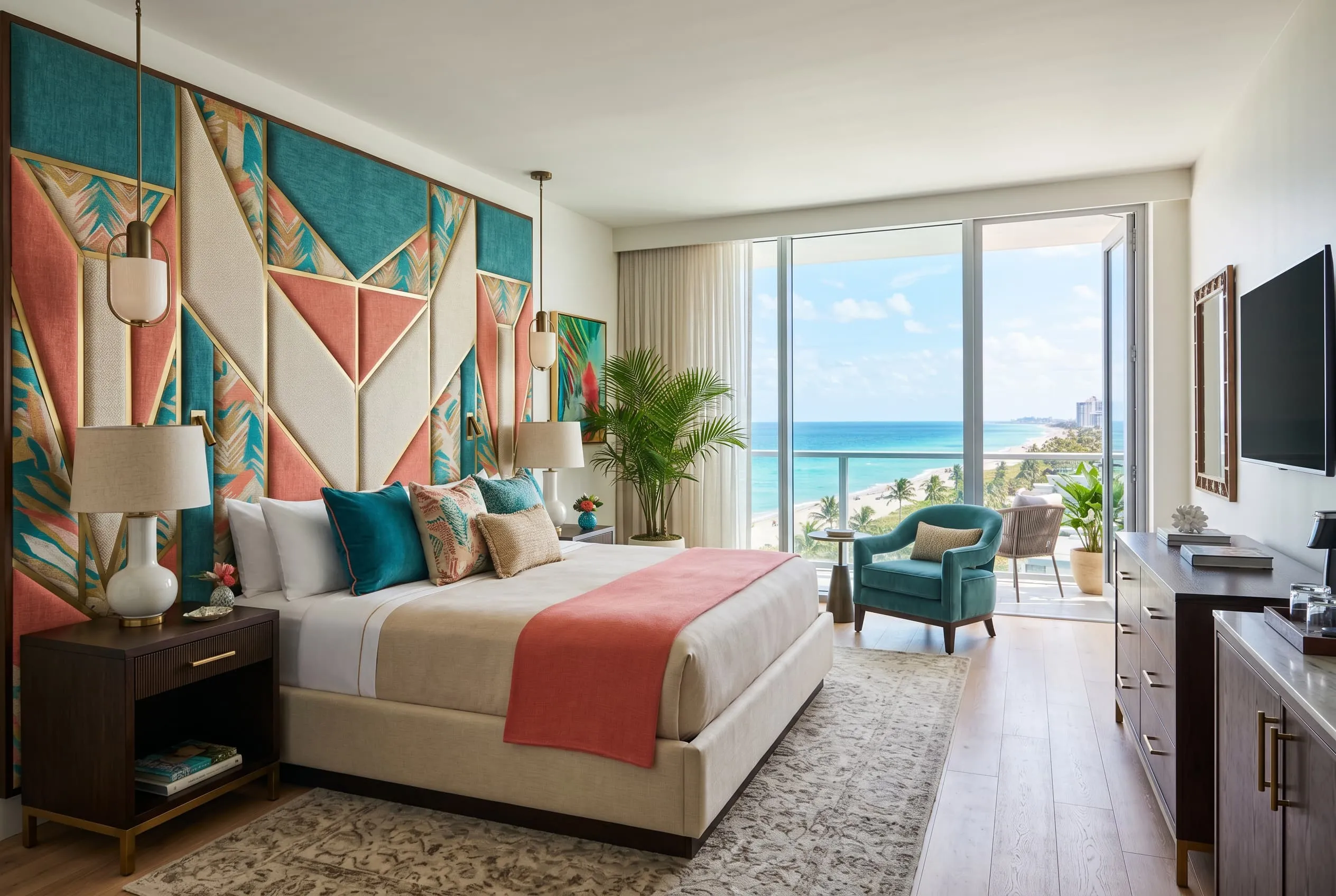
Miami has a design identity, and it's not subtle. Latin-influenced color palettes, tropical materials, strong indoor-outdoor flow, and a visual confidence that plain corporate hotel furniture simply doesn't deliver. If you're renovating under a flag or soft brand, you'll have brand standards documents spelling out everything from case good finishes to mattress specs. If you're independent, those calls are yours to make and they matter more than most owners realize until the reviews start rolling in.
South Beach guests arrive with high aesthetic expectations. The Art Deco vernacular of the historic district creates a built-in design context you either work with or spend the whole project fighting against. Suppliers who specialize in hotel renovation furniture Miami understand this tension. They can source pieces that satisfy historic restoration requirements while still meeting the commercial durability standards you need for high-occupancy use.
For dining terraces and pool decks at Latin-influenced restaurant concepts or waterfront bars, material selection isn't just an aesthetic call it's a maintenance budget call. Wicker, rattan, and teak perform very differently in Miami's humidity and salt air. The wrong choice means replacing outdoor furniture in 18 months, which is a renovation you did not build into your budget.
Working With a Supplier Who Knows Miami
Not all hospitality furniture suppliers operate at the same level everywhere they claim to serve. For hotel renovation furniture Miami projects, you need a supplier with real freight experience into South Florida, genuine familiarity with local contractor timelines, and a track record on properties that resemble yours in scale and market positioning.
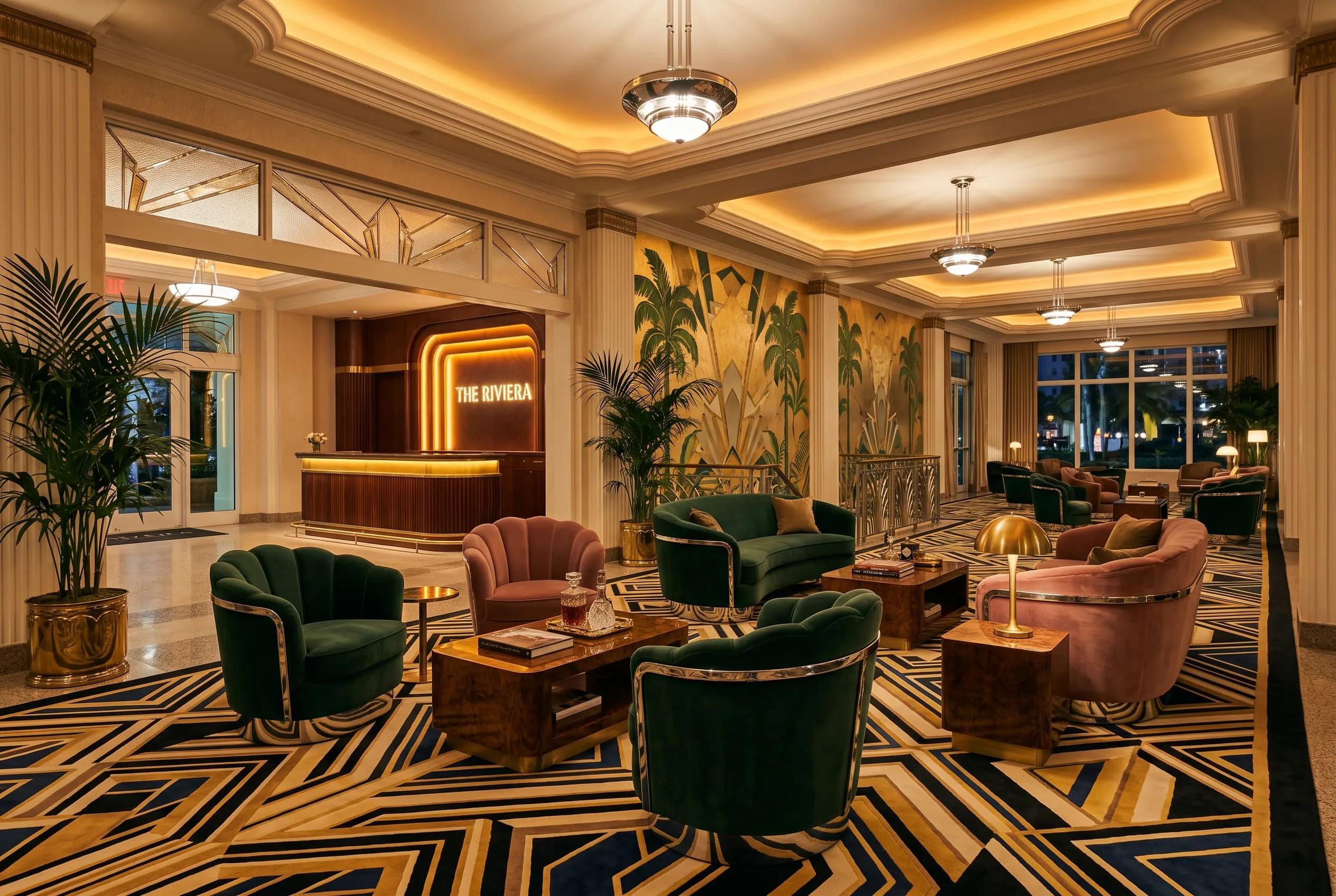
Ask for references from other Miami renovation projects. Ask how they handle damage claims when freight arrives at port with problems. Ask whether they coordinate installation directly or whether you're left managing that piece separately. Getting furniture from a manufacturer in North Carolina or overseas into a functioning South Beach hotel without disrupting operations requires actual operational competence. A catalog and a sales rep don't cut it.
The best FF&E partners walk your property before the project starts. They understand your loading constraints, know what hours they can work, and build a delivery and installation schedule that respects your revenue calendar. That level of service is the practical difference between a furniture supplier and a hospitality FF&E partner.
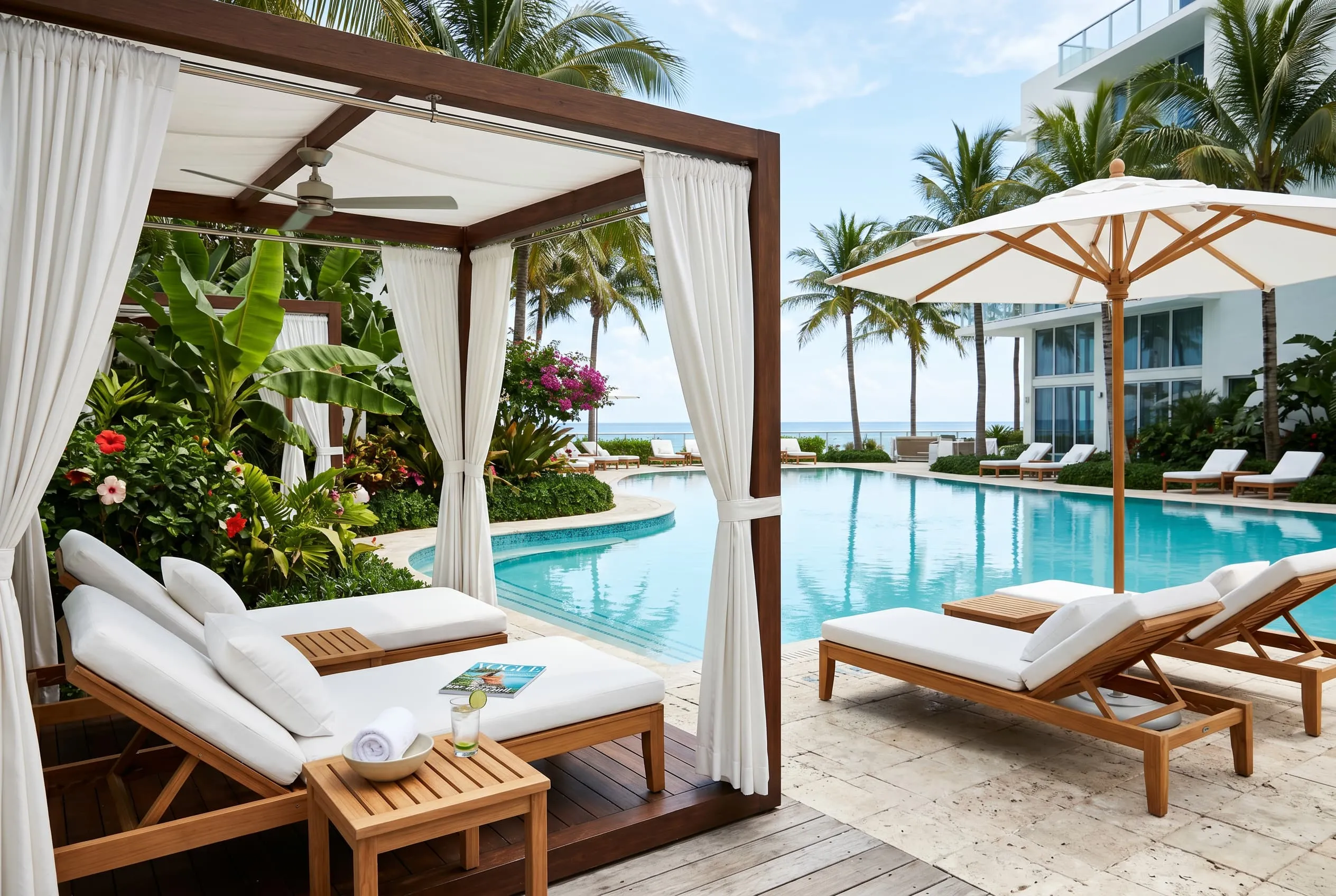
The furniture decisions you make in the planning phase will shape guest reviews for the next decade. Get FF&E procurement right from the start, and the rest of the project runs cleaner.
Planning hotel renovation furniture for your Miami project? Share your specs and quantities and we will build pricing around your actual program. Request a quote to get numbers for your space.