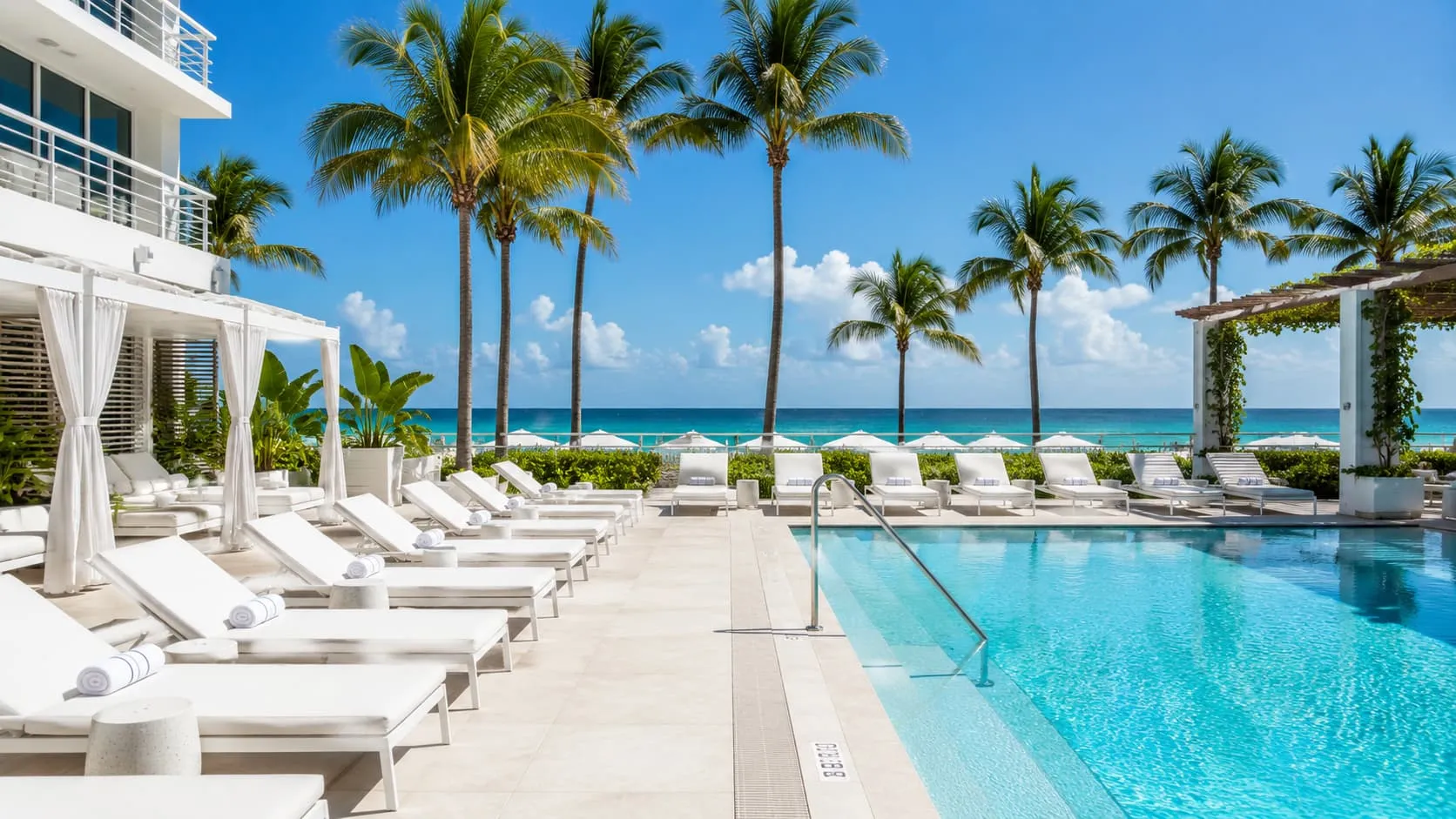
South Beach has more boutique hotels per square mile than almost any market in the country, and every one of them is competing on looks. When the Faena, the Betsy, and a dozen independently owned properties on Collins Avenue are all chasing the same design-savvy traveler, your lobby furniture is not a background detail it is part of the pitch. That creates a very specific headache for boutique operators: you need pieces that look custom and intentional, built to commercial spec, in quantities that most manufacturers would rather not bother with. Getting boutique hotel furniture Miami right means finding suppliers who actually understand your scale, your aesthetic, and what the coastal environment will do to your materials over time.
The Scale Problem Boutique Hotels Face
Large hotel chains order furniture for 300 rooms at a clip. Boutique properties might need 20 guest rooms, a lobby, a small pool deck, and a bar area. That is not an order that excites most contract furniture manufacturers, and that reality shapes every conversation you will have with a sales rep.
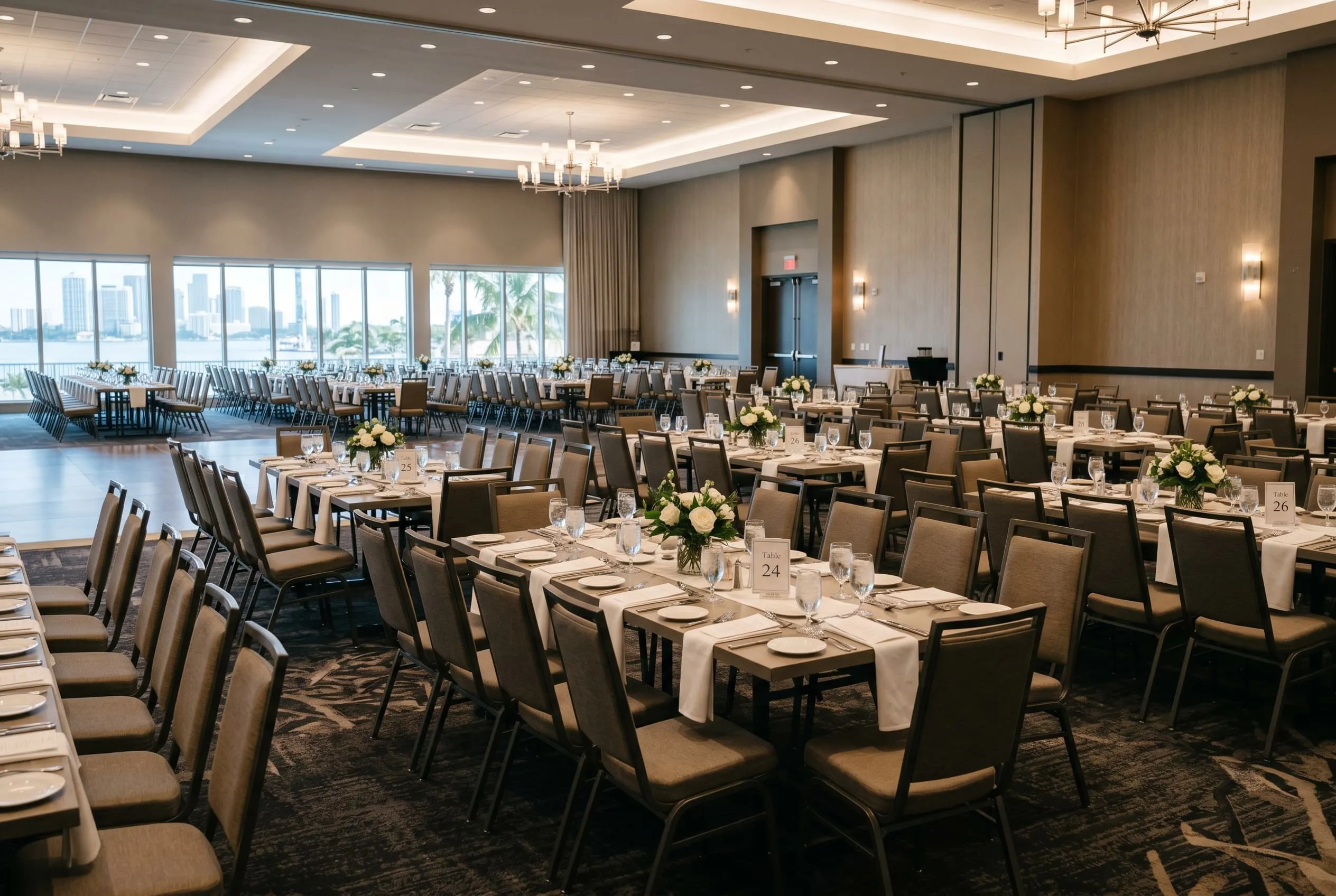
Most contract manufacturers enforce minimum order quantities per SKU often 10 to 20 units for upholstered pieces, sometimes higher. If you want six specific dining chairs and four barstools from the same supplier, you may hit a wall on both items. The workaround is finding suppliers who either waive minimums in exchange for a unit price premium, or who actively build their business around smaller independent accounts. Do not assume that every company with a hospitality catalog is actually set up to serve a 30-room property. Ask about minimums upfront, before you spend an afternoon going through their collection.
Design Cohesion Across Mixed Sources
Most boutique hotel furniture Miami projects draw from multiple suppliers. One manufacturer for case goods, another for upholstered seating, a local fabricator for a custom front desk or bar that is completely normal given the scale and aesthetic demands involved. The real danger is visual fragmentation: a room that looks like five different people had five different ideas.
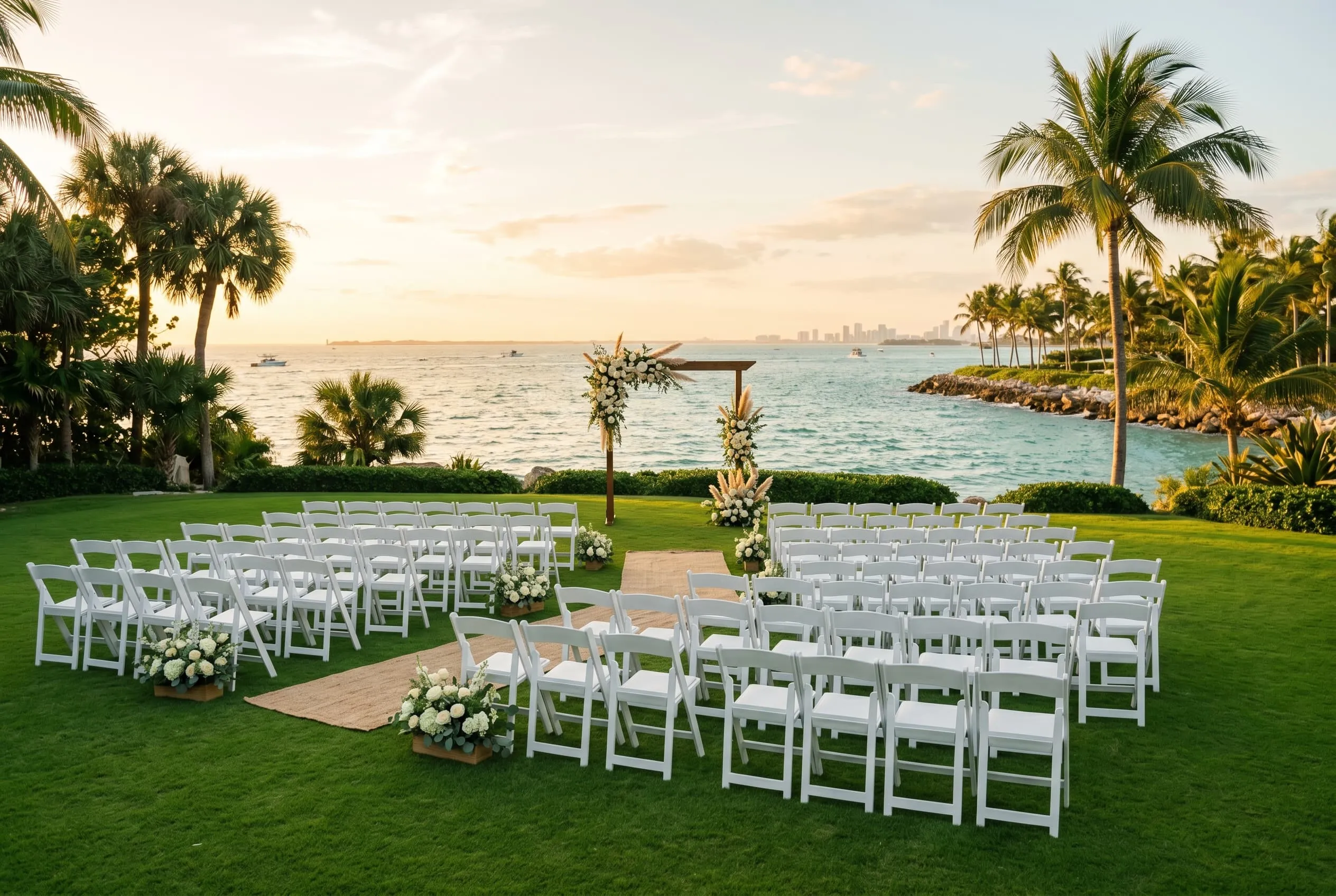
The fix is simple but requires discipline: lock your material and finish palette before you start sourcing, not after. Pick two or three anchor finishes and hold every piece to them. For South Beach properties doing Art Deco restoration, that typically means warm brass or matte black metal, fabric patterns that reference textured plaster or terrazzo, and a tight color palette that lets the architecture do the heavy lifting. For Wynwood-area boutiques with a contemporary Latin-influenced feel, the palette might lean toward saturated earth tones and hand-woven textile accents. Either way palette first, sourcing second. Every time an operator reverses that order, they end up with pieces they cannot use together.
Custom Upholstery for Outdoor and Indoor Use
Miami's year-round hospitality season means outdoor furniture works harder here than in almost any other market in the country. Pool deck seating, rooftop lounge chairs, and waterfront restaurant furniture in Brickell or South Beach deal with constant UV exposure, punishing humidity, and salt air. The upholstery decisions you make on the front end determine how fast you are replacing pieces on the back end.
For outdoor use, solution-dyed acrylic fabrics like Sunbrella are the default choice for good reason: they hold color under direct sun, resist mildew, and can be cleaned with diluted bleach without fading. Frames should be marine-grade aluminum or properly treated teak. Aluminum does not rust and holds powder coat well in coastal conditions. Teak, when oiled regularly or simply left to silver on its own, handles humidity without warping or delaminating. For interior boutique spaces, COM programs give you control over fabric selection you pick the material, the manufacturer upholsters to your spec. That is how you land a specific texture or print that fits your rooms without paying for fully bespoke manufacturing from the ground up.
Finding Suppliers Who Work at Boutique Scale
Art Basel lands in December, and that deadline quietly drives the renovation schedule for a significant number of Miami boutique properties every year. If you want to be finished and photographed before the event, furniture orders need to go out by mid-summer to account for lead times of 10 to 16 weeks on custom work. That math catches first-time hotel owners off guard more often than you would expect.
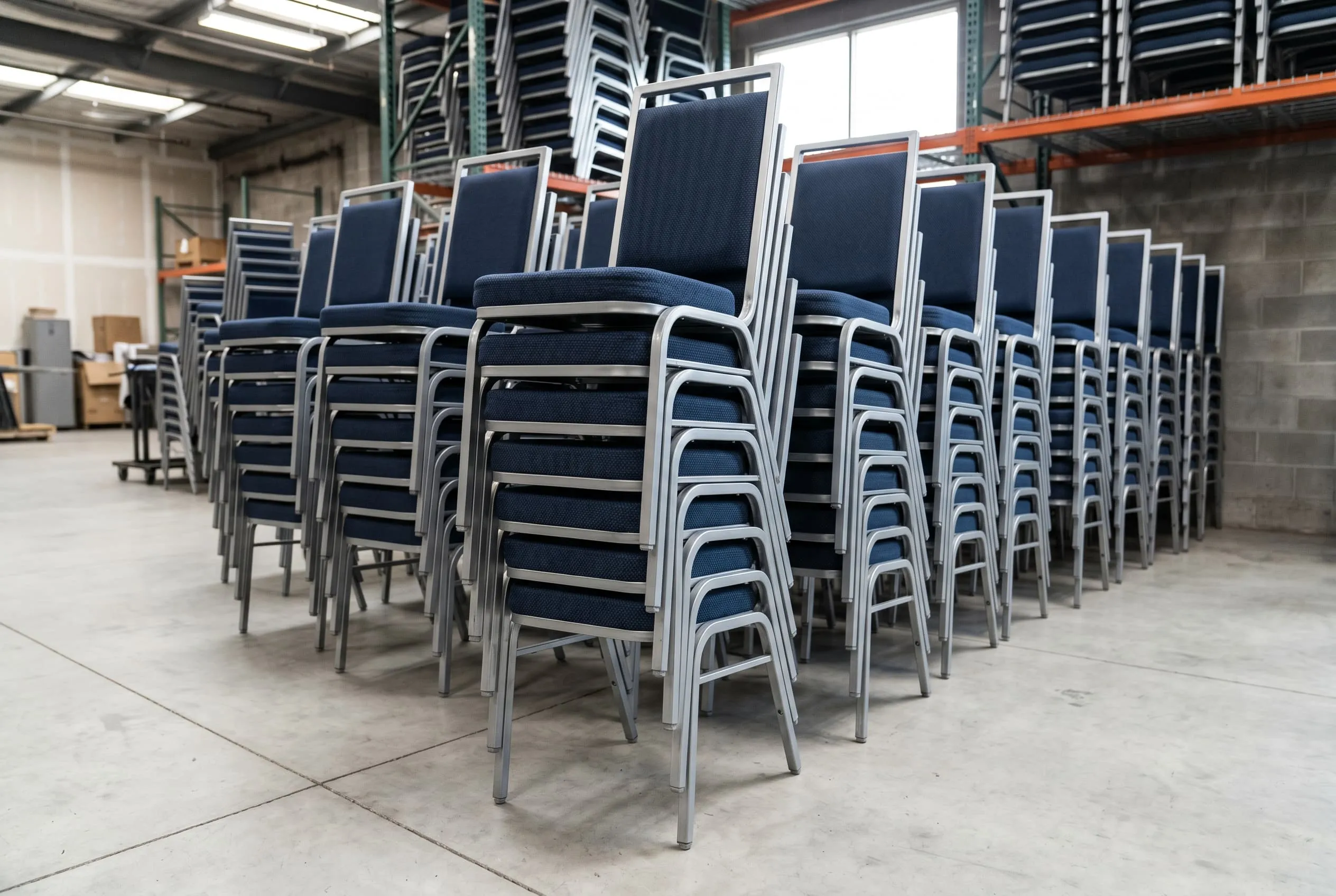
When you are vetting suppliers for boutique hotel furniture Miami, cut to three questions early. What is their actual minimum order per SKU not what their website implies, but what their sales team confirms in writing. Do they have experience delivering into Miami-Dade, and do they have a freight partner or a warehouse footprint in South Florida. And can they handle COM upholstery or custom frame finishes on small runs. Suppliers who can honestly answer yes to all three are worth pursuing seriously. There are domestic manufacturers with showrooms in the Miami Design District who have built their whole model around this kind of work, and smaller importers with warehouses in Doral who can turn in-stock commercial product faster when custom lead times are not an option.
If you are putting together an FF&E plan for a boutique property in Miami, start with the material palette, pin your timeline to the seasonal calendar, and get supplier conversations going before you fall in love with specific pieces. Working backwards from a firm opening date with realistic lead times already accounted for is the only way these projects actually land on schedule.
Every Miami venue has its own volume, layout, and turnaround demands, and boutique hotel furniture pricing follows from those specifics. Request a quote and we will scope it to your project.